Starbucks Restructures Workforce Amid Expansion Plan
Starbucks is making strategic staffing changes, laying off 200+ workers as it restructures operations and prepares for future growth in southern and eastern regions.
News
Aug 21, 2026
Starbucks is making strategic staffing changes, laying off 200+ workers as it restructures operations and prepares for future growth in southern and eastern regions.
Aug 21, 2026
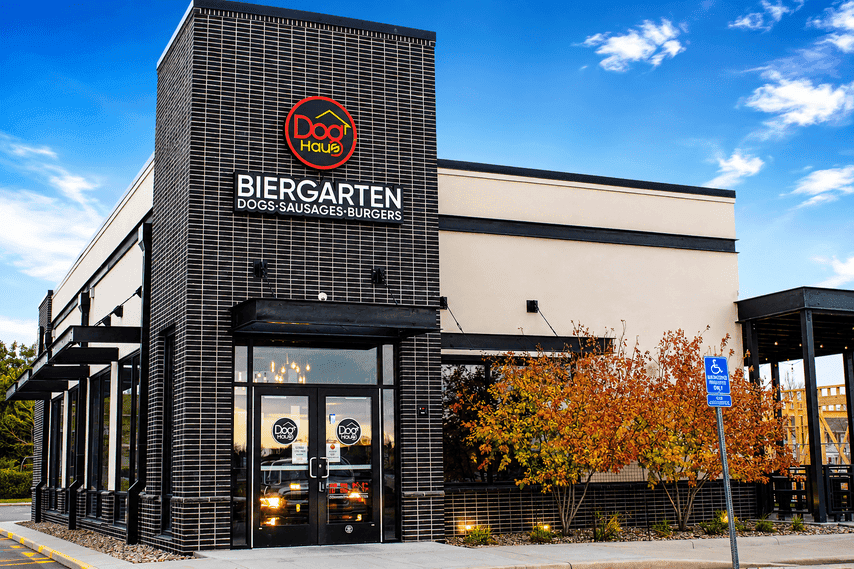
Dog Haus appoints James Field as chief marketing officer and promotes CJ Ramirez to chief experience officer, setting the stage for innovative brand growth and franchisee success in the national restaurant scene.
Aug 21, 2026

Learn how to open a restaurant with no experience by planning your concept, budget, location, team, operations, and successful launch.
Aug 19, 2026

Payroll advances help restaurant owners give hourly employees earlier access to earned wages while maintaining accurate records, policies, and compliance.
Aug 19, 2026
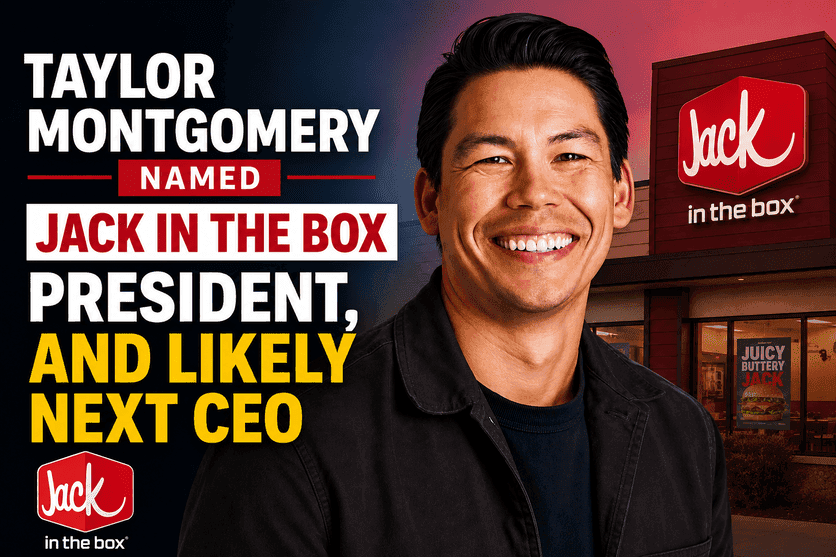
Taco Bell’s Taylor Montgomery has been appointed as President of Jack in the Box, positioning him to take over as CEO within a year - signaling major shifts for the QSR brand's future.
Aug 20, 2026
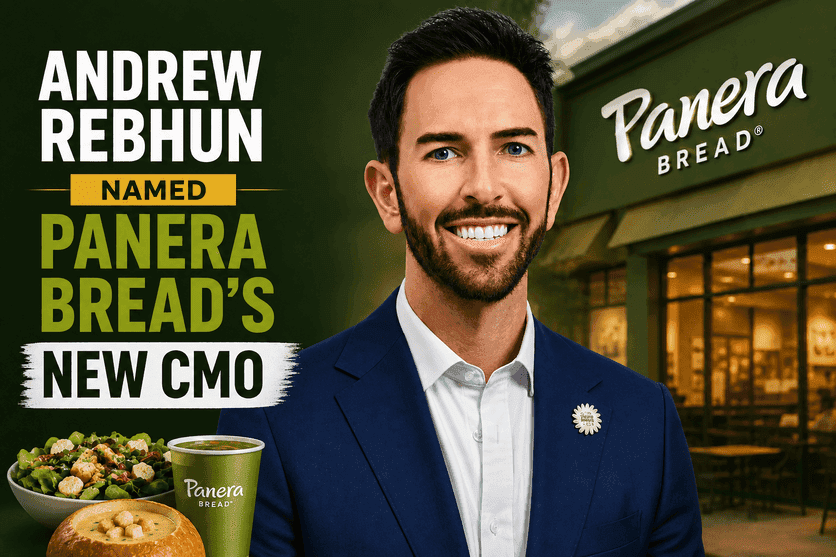
Panera Bread welcomes Andrew Rebhun as Chief Marketing Officer, succeeding Mark Shambura. Learn about his background at CAVA, El Pollo Loco, and McDonald's.
Aug 20, 2026
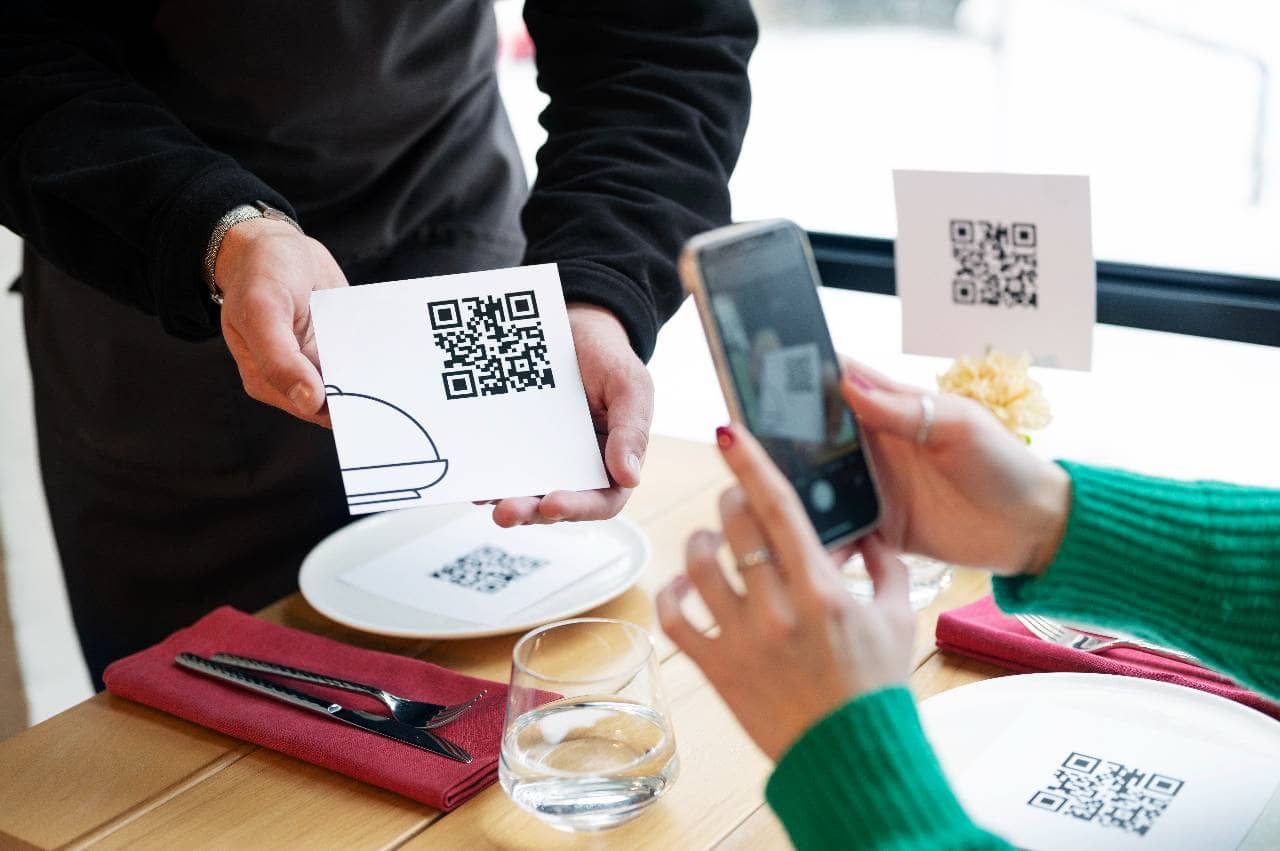
Explore the main types of ordering technology restaurants use to improve accuracy, speed, payments, customer convenience, and operational efficiency daily.
Aug 17, 2026

Learn the eight essential steps of the restaurant payroll process, from tracking hours and calculating wages to payments and recordkeeping.
Aug 17, 2026

Discover how restaurant SMS marketing works, from building subscriber lists and creating campaigns to improving engagement and measuring marketing performance.
Aug 14, 2026
Panera Bread welcomes Andrew Rebhun as its new CMO to spearhead strategic brand growth and transformation, bolstering its vision for 2028.
Aug 17, 2026

Unlock Exclusive Access To Webinars, Events, And The Latest News For Free!
Learn how to forecast restaurant sales for holidays using historical data, dayparts, scenario planning, and operational adjustments to reduce risk.

Holiday weeks do not follow normal restaurant patterns. That is why forecasting matters more during holidays than during a regular week. On a normal day, you usually have a good idea of what lunch, dinner, and late-day traffic will look like. You can schedule staff, order inventory, and prep food based on routines you already know. Holidays change that. During holiday periods, guest demand becomes harder to predict. You may see sudden rushes, larger group orders, more takeout, or higher check averages. Traffic may come earlier than usual or hit in short, intense windows. At the same time, guests often expect faster service and fewer mistakes because they are ordering for celebrations, gatherings, or special occasions. Without a holiday forecast, restaurants usually make one of two mistakes. The first is underestimating demand. This can lead to running out of key items, falling behind in the kitchen, slowing service, and losing sales. The second is overestimating demand. This creates extra labor cost, too much prep, and inventory that does not sell. A good forecast helps you schedule the right number of people, stock the right amount of product, and prepare for the times when demand will be highest.
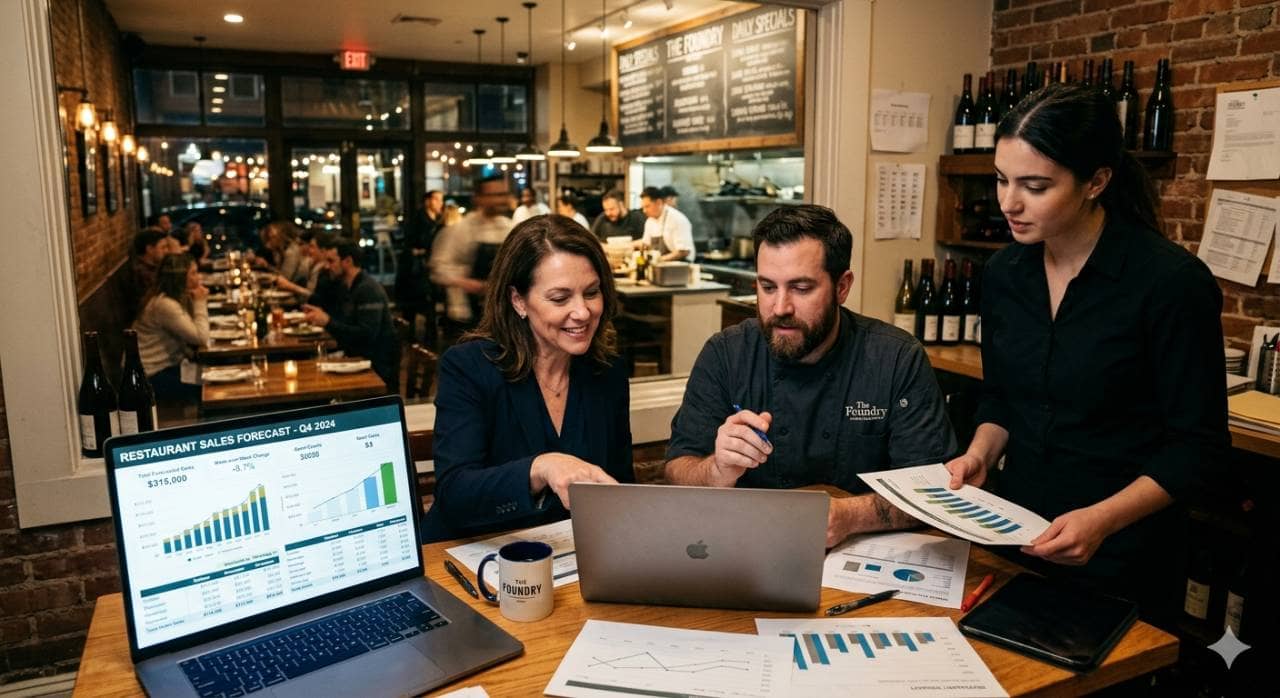
The most reliable place to begin a holiday forecast is your own sales history. Too many restaurant operators start holiday planning with instinct - "We were slammed last year," or "This holiday is usually strong for us." The problem is that memory is vague, and holiday operations are too expensive to plan around vague impressions. You need numbers. Start by pulling data from the same holiday last year, along with the surrounding days. In many restaurants, the day before and the day after a holiday matter almost as much as the holiday itself. Some holidays drive early stock-up behavior. Others shift traffic away from the actual date and into the weekend around it. Look at the data from multiple angles - 1. Total Sales - Review total revenue for the holiday period. This gives you a baseline, but it should not be the only number you use. 2. Guest Counts or Transaction Volume - Sales alone do not tell you whether demand came from more customers, larger orders, or higher prices. Transaction count helps you separate those factors. 3. Average Check Size - Holiday periods often change spending behavior. Guests may place larger family orders, buy add-ons, or order premium menu items. A higher average check can change the forecast even if traffic stays flat. 4. Hourly Sales Patterns - This is one of the most important pieces of the forecast. Holiday demand is often compressed into specific windows. A restaurant may see a stronger lunch than usual, an earlier dinner rush, or a large spike in takeout at a certain time. 5. Sales Channel Mix - Break down sales by dine-in, takeout, delivery, drive-thru, catering, or online ordering. Holiday demand often shifts heavily toward convenience channels, and that affects labor, packaging, prep, and kitchen flow. 6. Menu Mix - Review what actually sold. Some holidays push platters, bundles, desserts, beverages, or family-style meals. Others drive limited-time items or catering trays. Forecasting total sales without understanding product mix leads to poor purchasing decisions. Holiday forecasting becomes much more accurate when you understand not just how much you sold, but when sales happened, how guests ordered, and what they bought. That is the foundation for every decision that comes next - staffing, prep, purchasing, and service planning.
Historical data gives you a starting point. It does not give you the final answer. A holiday forecast becomes more accurate only when you adjust last year's numbers for what is different this year. This is where many restaurants make mistakes. They pull prior-year sales, add a rough growth percentage, and assume the forecast is done. But holiday performance is heavily shaped by timing and operating conditions. Start with the calendar. A holiday that lands on a Saturday behaves very differently from one that lands on a Tuesday. Weekend holidays may produce stronger dine-in traffic, longer family meals, and more group orders. Weekday holidays may shift sales into the evening, the weekend before, or the day before the event. Even when the holiday name is the same, customer behavior can change based on where it falls in the week. Next, review your operating conditions for this year - 1. Store Hours - Are you opening earlier, closing earlier, or extending service? A change in operating hours changes your sales opportunity and labor plan. 2. Menu or Pricing Changes - If you added bundles, catering packages, or seasonal items, demand may increase in certain categories. Price increases may also raise average check without increasing traffic. 3. Promotions and Marketing Activity - If you are running a stronger promotion than last year, or marketing the holiday more aggressively, your baseline forecast may be too low. 4. Staffing Availability - Holiday staffing is not always stable. Time-off requests, callout risk, and reduced labor availability can affect how much volume you can realistically handle. 5. Local Conditions - School breaks, sports events, community festivals, travel patterns, road closures, or bad weather can all change holiday demand at the store level. 6. Sales Channel Shifts - If more guests now order through online ordering, delivery, or catering than they did last year, your old sales pattern may no longer reflect how the holiday will perform. The strongest forecasts ask a practical question - What is likely to be different this year, and how will that change traffic, timing, and order mix?
A holiday forecast should never be built as one top-line sales number alone. Knowing that you expect $12,000 in sales is useful, but it does not tell you what is actually driving that number. Will sales increase because more guests come in? Because average ticket goes up? Because catering orders spike? Because delivery volume grows? Those are very different operational realities, and each one affects labor, prep, and service in a different way. That is why strong holiday forecasting breaks sales into drivers. Start with the core variables - 1. Traffic Volume - Estimate how many transactions, covers, or guest orders you expect. This helps you understand demand at the most basic level- how many times your team will need to serve, ring up, package, or fulfill an order. 2. Average Check - Holiday spending often changes. Guests may place larger family orders, add appetizers and desserts, or buy higher-value bundles. A higher average check can make sales look strong even when transaction count is flat. 3. Menu Mix - Not every sale creates the same workload. A day driven by simple combo meals is very different from a day driven by platters, catering trays, specialty drinks, or customized holiday bundles. Forecasting menu mix helps you plan ingredients, prep, packaging, and line pressure. 4. Order Type or Sales Channel - Break expected sales into dine-in, takeout, delivery, catering, drive-thru, or online pickup. Holiday demand often shifts toward convenience and group ordering, which changes kitchen timing and front-of-house demands. 5. Daypart Concentration - Sales may not just increase overall. They may concentrate into a lunch surge, early dinner spike, or last-minute pickup rush. This affects when labor and product need to be ready. 6. Promotion Impact - If you are running a holiday special, limited-time bundle, or email campaign, forecast how much demand it may create. Promotions do not just raise revenue. They can change what sells, when it sells, and how fast the kitchen gets hit. Breaking the forecast into drivers gives you a more useful planning model. It helps answer practical questions - - Are we expecting more customers or just bigger orders? - Will the pressure hit the dining room, the pickup counter, or the kitchen expo station? - Are we planning for product volume, transaction volume, or both? A strong forecast explains where the sales are coming from, not just what the final number is. That is what makes it usable for real decision-making.

A daily sales total is not enough to run a holiday shift well. You may correctly forecast that your restaurant will do $10,000 on a holiday, but that number alone does not help much if you do not know when the demand will hit. A holiday with steady traffic across the day requires one kind of plan. A holiday with a two-hour surge in pickup orders requires a very different one. That is why holiday forecasting needs to go beyond the daily total and move into day-part forecasting. Start by breaking the day into the operating periods that matter most for your business - - Breakfast - Lunch - Mid-afternoon - Dinner - Late night - Catering or pre-scheduled pickup windows Then review historical sales by hour or by day-part. Look for patterns such as - 1. Compressed Demand Windows - Many holidays do not create evenly distributed traffic. They create sharp peaks. For example, you may see a strong spike in morning catering pickups, a slower lunch, and then a heavy early dinner rush. 2. Earlier or Later Ordering Behavior - Guests often change their routine on holidays. They may order earlier because of family events, travel plans, or store-hour uncertainty. If you staff and prep according to a normal Friday pattern, you may be ready at the wrong time. 3. Channel-Specific Peaks - Takeout and delivery may surge at different times than dine-in. A restaurant could have a relatively manageable dining room while the kitchen is overloaded with digital orders. Daypart forecasting helps expose that imbalance before it becomes a service problem. 4. Slower Non-Peak Windows - Holiday forecasting is not only about busy times. It also helps you avoid overstaffing dead periods. Some holidays create a long lull between demand spikes, and that matters for labor planning. You do not assign front counter, expo, delivery handoff, or dining room support without understanding when pressure builds. Forecasting by day-part gives you better answers to operational questions like - - When should prep be finished? - When should the strongest team members be on the floor? - When will pickup shelves, fry stations, or packaging lines face the most pressure? - Where can labor be reduced without hurting service? The more precisely you forecast timing, the more useful your holiday plan becomes. A holiday forecast should not just tell you how much volume is coming. It should tell you when your restaurant must be ready to absorb it.
A forecast only becomes valuable when it drives action. If your holiday sales projection does not directly change how you schedule labor, order inventory, and plan prep, then it is just a number on a report. The purpose of forecasting is to translate expected demand into operational decisions that your team can execute. Start with labor planning. Your forecast should determine - - How many team members are needed per shift - When those team members need to be on-site - Which roles need the strongest coverage (line, prep, expo, cashier, delivery handoff) Holiday demand often creates uneven pressure. You may not need more staff across the entire day - you need the right staff at the right times. For example - - A spike in online orders increases pressure on the kitchen and packaging, not the dining room - Large group orders increase prep and expo workload - Faster order volume requires experienced staff, not just more staff This is where many restaurants lose control. They either understaff peak periods or overstaff slow windows, both of which impact margins and service. Next, connect the forecast to inventory and prep. Your forecast should guide - - Ingredient purchasing quantities - Prep volume by item - Par levels for high-demand products - Packaging needs (containers, bags, utensils) The key is to align product availability with when and how items will sell. If your forecast shows a spike in family meals or catering trays, you need bulk ingredients and prep capacity ready early. If delivery demand is expected to increase, packaging becomes just as critical as food inventory. If dessert or beverage attach rates are higher during holidays, those items need to be stocked accordingly. Two common breakdowns happen when forecasting is not tied to operations - 1. Product Mismatch - You have enough total inventory, but not the right items. For example, running out of high-demand bundles while holding excess slow-moving ingredients. 2. Timing Mismatch - Prep is done too early or too late. Either food quality suffers, or the kitchen falls behind during peak demand. When you connect your holiday forecast to labor and inventory decisions, you create alignment across the operation. Everyone - from purchasing to prep to service - is working off the same expectations. That alignment is what allows a restaurant to handle high holiday volume without losing control of cost, speed, or quality.
Holiday forecasting should never rely on one number alone. Even with strong historical data, calendar adjustments, and day-part analysis, holiday demand still carries more uncertainty than a normal operating day. Weather can change traffic. A promotion can over-perform. A local event can drive unexpected volume. Staff shortages can limit what your restaurant can actually handle. That is why smart operators do not build one fixed forecast. They build scenarios. A practical holiday forecast should include three versions - 1. Best-Case Scenario - This reflects stronger-than-expected demand. Traffic is higher, average check increases, and promotions or large orders perform above plan. This scenario helps you understand your upside and determine what extra labor, prep capacity, or backup inventory you may need. 2. Expected Scenario - This is your most realistic planning number based on historical performance and current operating conditions. It should be the main version used for scheduling, purchasing, and prep. 3. Worst-Case Scenario - This reflects softer-than-expected demand or operational disruption. Traffic may be lower, weather may reduce visits, or planned orders may not materialize. This scenario helps you protect margins and think through where labor or purchasing can be adjusted if volume does not show up. This approach matters because holiday forecasting is not only about predicting demand. It is about preparing your team to respond when real demand moves above or below plan. Scenario planning helps answer questions such as - - If sales come in 15 percent above forecast, where will the operation break first? - If traffic is lower than expected, where can labor be reduced without hurting service? - Which products need backup stock, and which should be purchased more cautiously? - What signals during the day should trigger a change in staffing, prep, or order pacing? It also improves decision speed. When managers already know what the response should be under different demand levels, they do not waste time reacting emotionally in the moment. They can make faster, more disciplined adjustments because the options were already considered in advance. This is especially useful during holidays because conditions can shift quickly. A sudden rush in takeout orders, an early catering pickup wave, or softer dine-in traffic can all change the day. A single-number forecast gives you no flexibility. A scenario-based forecast gives you room to manage.
