
How to Start a Restaurant With No Experience
Learn how to open a restaurant with no experience by planning your concept, budget, location, team, operations, and successful launch.
Business Management
Aug 19, 2026
Learn how to open a restaurant with no experience by planning your concept, budget, location, team, operations, and successful launch.
Aug 19, 2026
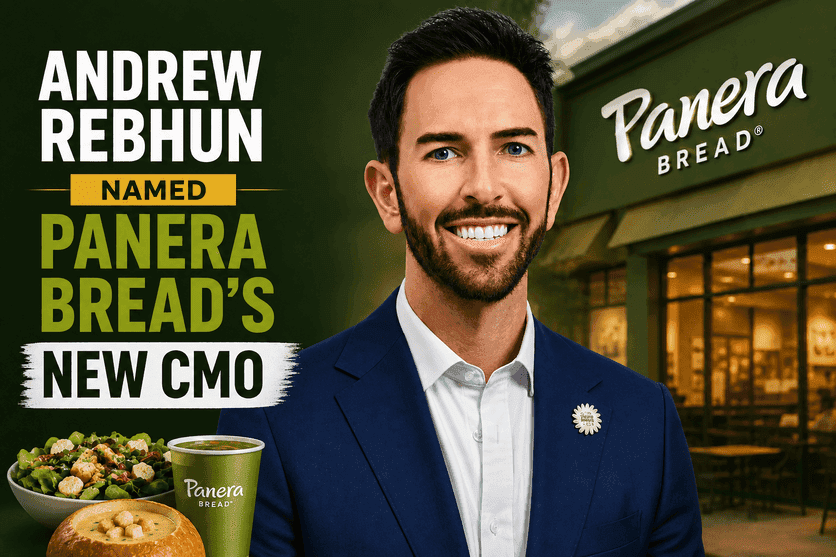
Panera Bread welcomes Andrew Rebhun as Chief Marketing Officer, succeeding Mark Shambura. Learn about his background at CAVA, El Pollo Loco, and McDonald's.
Aug 20, 2026
Payroll advances help restaurant owners give hourly employees earlier access to earned wages while maintaining accurate records, policies, and compliance.
Aug 19, 2026
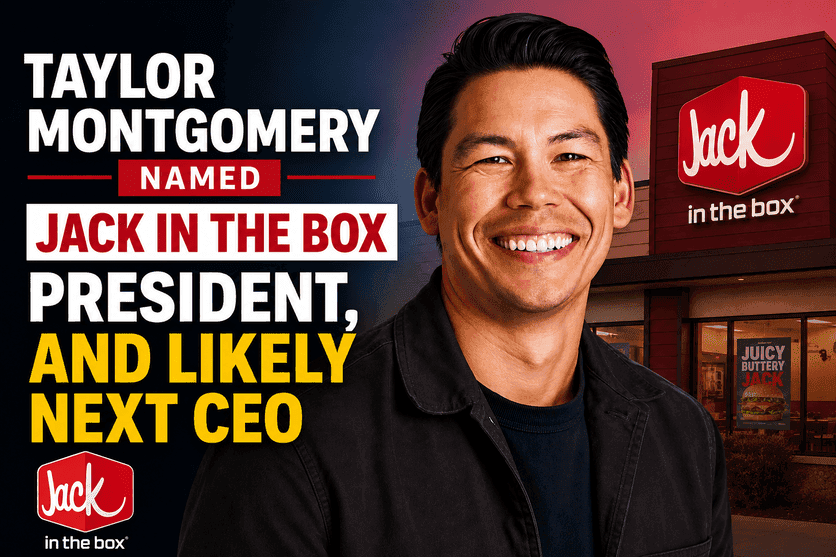
Taco Bell’s Taylor Montgomery has been appointed as President of Jack in the Box, positioning him to take over as CEO within a year - signaling major shifts for the QSR brand's future.
Aug 20, 2026
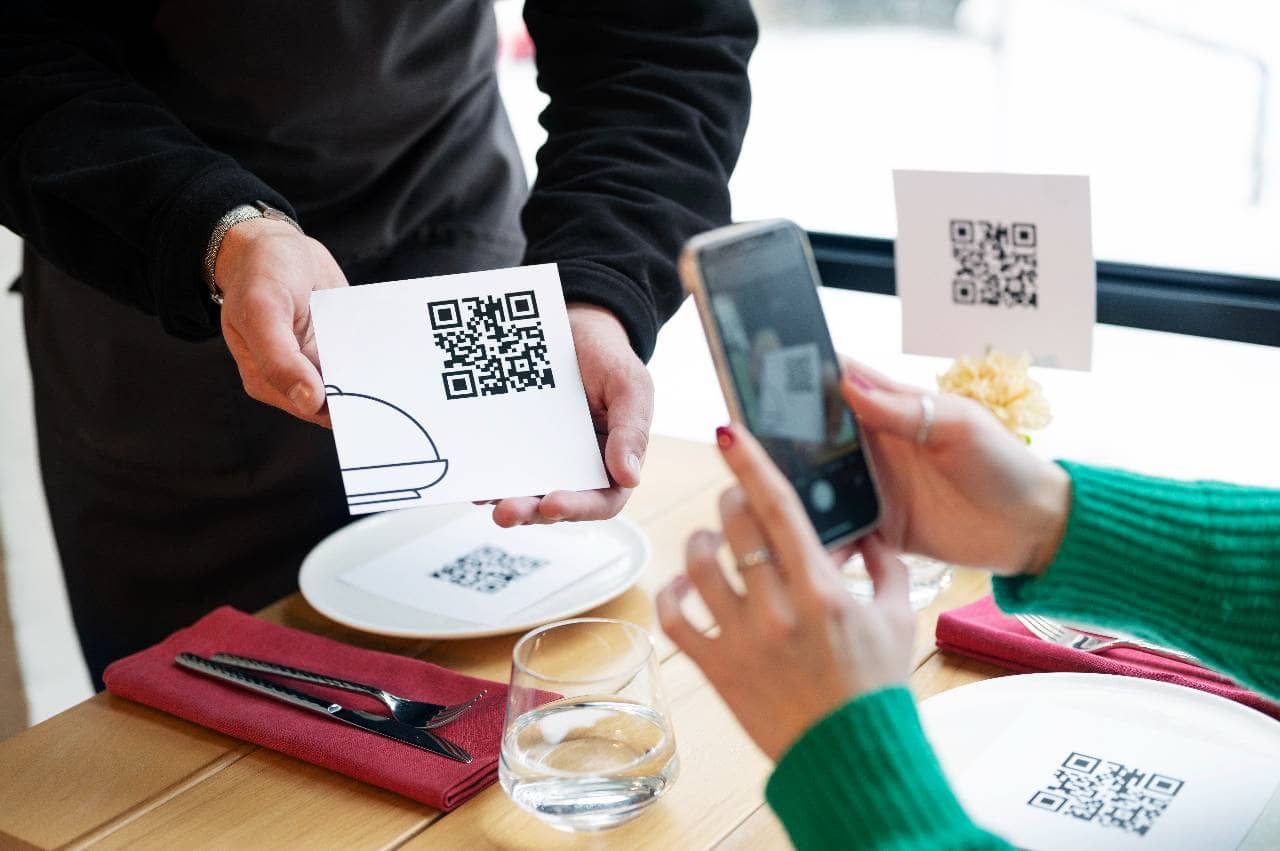
Explore the main types of ordering technology restaurants use to improve accuracy, speed, payments, customer convenience, and operational efficiency daily.
Aug 17, 2026

Learn the eight essential steps of the restaurant payroll process, from tracking hours and calculating wages to payments and recordkeeping.
Aug 17, 2026

Discover how restaurant SMS marketing works, from building subscriber lists and creating campaigns to improving engagement and measuring marketing performance.
Aug 14, 2026
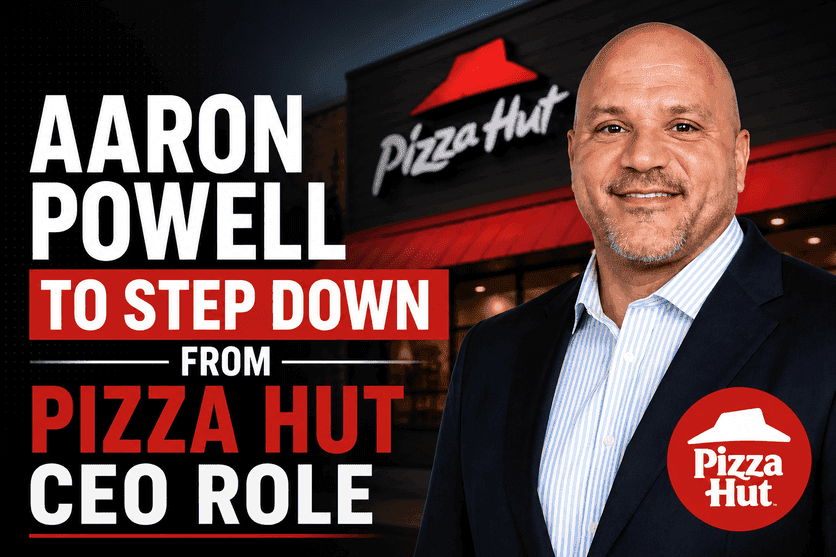
The transition of Pizza Hut's CEO, Aaron Powell, marks a pivotal moment for the chain and offers valuable leadership lessons for restaurant owners. Here’s what this executive change could mean for your business.
Aug 17, 2026
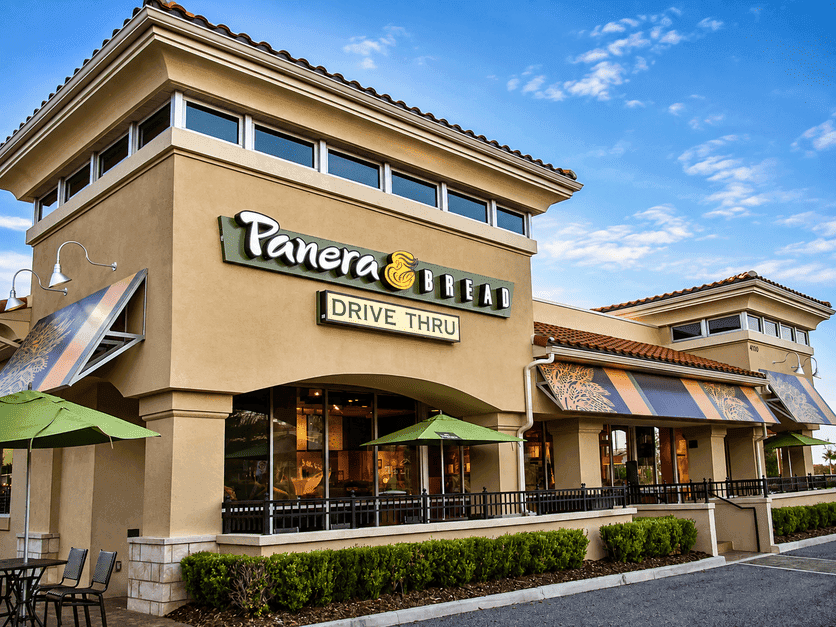
Panera Bread welcomes Andrew Rebhun as its new CMO to spearhead strategic brand growth and transformation, bolstering its vision for 2028.
Aug 17, 2026
Learn how to manage cash flow in your restaurant by tracking finances, controlling costs, forecasting needs, and building cash reserves.
Aug 14, 2026

Unlock Exclusive Access To Webinars, Events, And The Latest News For Free!
Taco Bell is expanding its beverage ambitions by adding cold brew coffee and cold foam options to its Live Más Cafés in Houston, Dallas, Las Vegas, and Southern California part of a broader push to hit $5 billion in annual beverage revenue by 2030.
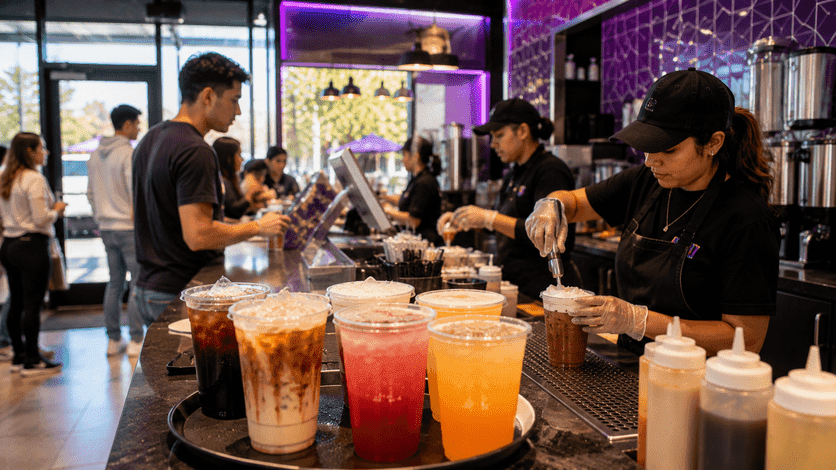
Taco Bell has added cold brew coffee and three cold foam flavors to the permanent menu at its Live Más Cafés across Houston, Dallas, Las Vegas, and Southern California. The move is part of a stated goal to build a beverage business capable of generating $5 billion in annual revenue by 2030 an ambitious target that puts the chain squarely in competition with brands that have built their entire identity around drinks. The addition of cold brew isn't just a menu update. It's a signal that Taco Bell is serious about repositioning itself as a beverage destination, not just a late-night food stop.
Live Más Cafés function as Taco Bell's dedicated testing ground for beverage innovation. The chain describes them as a playground for new drink concepts a space where it can evaluate operational complexity, measure customer response, and work out the logistics of a new item before committing to a wider rollout. The model is working. Live Más Café locations sell roughly 25% more drinks than a standard Taco Bell, and adding the café format to a location grows that store's overall sales by double-digit percentage points. For a chain looking to drive incremental revenue without rebuilding its entire menu, that kind of lift is meaningful. Taco Bell expanded the concept to Texas late last year after strong results in California, and the addition of cold brew to those markets reflects confidence in what the format can deliver.
By adding cold brew coffee, Taco Bell is directly entering territory occupied by Dutch Bros, 7 Brew, Dunkin', and Starbucks brands that have built loyal, habitual customer bases around caffeinated cold drinks. That's not an easy space to break into, but Taco Bell's scale and existing customer traffic give it a foundation that a startup beverage concept wouldn't have. Last year, the chain also added Refrescas its version of the fruit-based refreshers that have become popular across the industry further broadening its drinks menu beyond fountain sodas and traditional coffee. The pattern is consistent - Taco Bell is methodically filling out a beverage lineup that can compete at multiple points during the day.
Taco Bell isn't alone in treating beverages as a strategic priority. Drinks tend to carry higher margins than food items, caffeine helps build daily habits that drive repeat visits, and visually appealing beverages have a natural social media life that effectively markets the product for free. McDonald's used its now-closed CosMc's spinoff as a testing environment for premium beverages before bringing refreshers and dirty sodas into its main system. The pattern mirrors what Taco Bell is doing with Live Más Café use a contained concept to develop and validate new drink products before committing to a chainwide rollout. Sister brand KFC is also moving in a similar direction through its Kwench beverage system, though the U.S. is not among the initial markets for that rollout. Across the Yum! Brands portfolio, the emphasis on beverages as a growth lever is hard to miss.
Of all the beverage categories Taco Bell could have added, cold brew coffee is a particularly smart choice from a frequency standpoint. Morning and afternoon coffee runs are some of the most habitual behaviors in consumer spending people who stop for cold brew tend to do it regularly and on a predictable schedule. If Taco Bell can capture even a portion of that daily routine from drivers who are already passing its locations, the long-term traffic impact could be significant. The three cold foam flavor options also give customers a degree of customization that encourages experimentation and repeat visits as people try different combinations the same dynamic that has fueled growth at specialty coffee concepts for years.
The Live Más Café markets are functioning as the final stage of development before any potential national expansion. Cold brew and cold foam joining the permanent menu in four markets rather than appearing as a limited-time test suggests Taco Bell has enough confidence in the product to treat it as a long-term offering in those regions. Whether it eventually makes its way into standard Taco Bell locations nationwide will depend on how the numbers hold up and whether the operational complexity can be managed at scale. But given the sales performance the Live Más Café format has already demonstrated, a broader rollout seems more a matter of when than if.