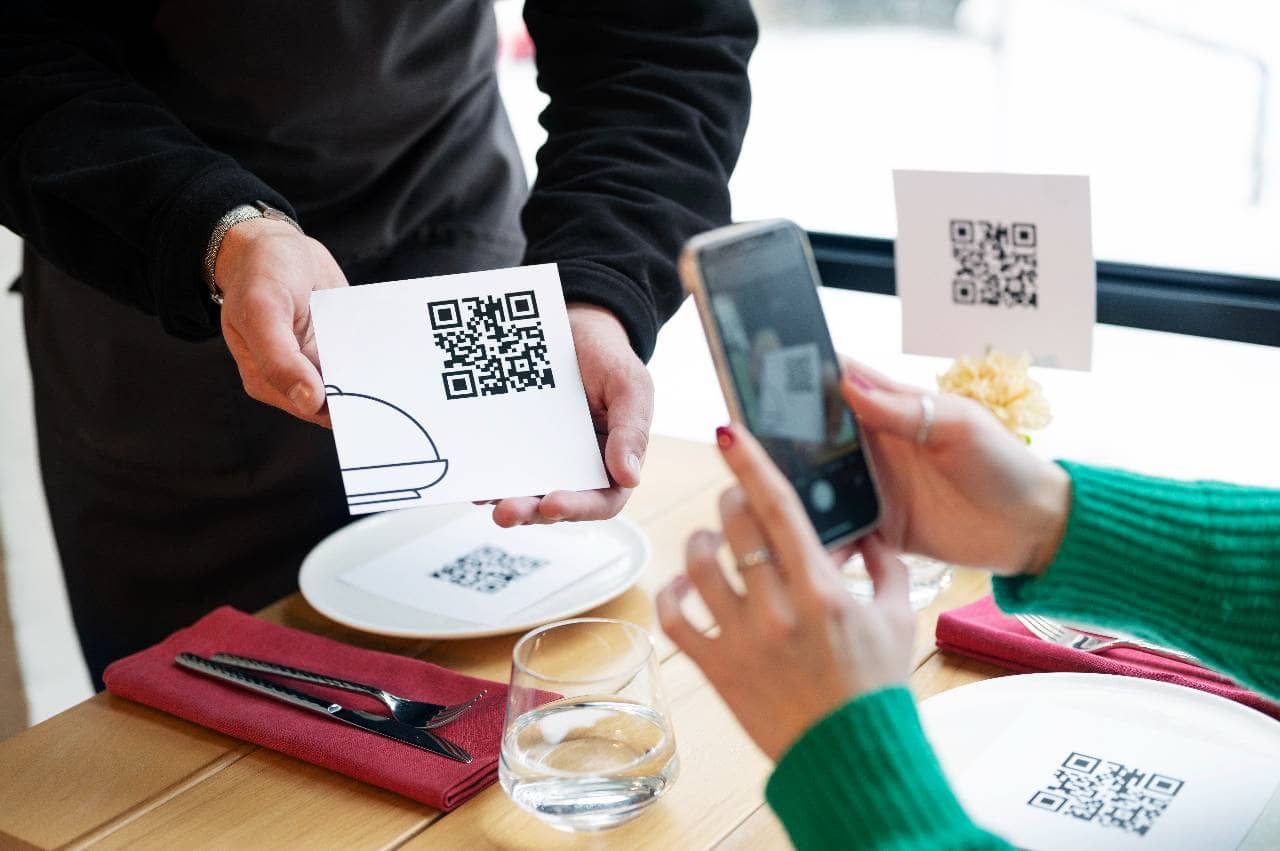
Types of Restaurant Ordering Technology
Explore the main types of ordering technology restaurants use to improve accuracy, speed, payments, customer convenience, and operational efficiency daily.
Technology
Aug 17, 2026
Explore the main types of ordering technology restaurants use to improve accuracy, speed, payments, customer convenience, and operational efficiency daily.
Aug 17, 2026

Learn the eight essential steps of the restaurant payroll process, from tracking hours and calculating wages to payments and recordkeeping.
Aug 17, 2026

Discover how restaurant SMS marketing works, from building subscriber lists and creating campaigns to improving engagement and measuring marketing performance.
Aug 14, 2026
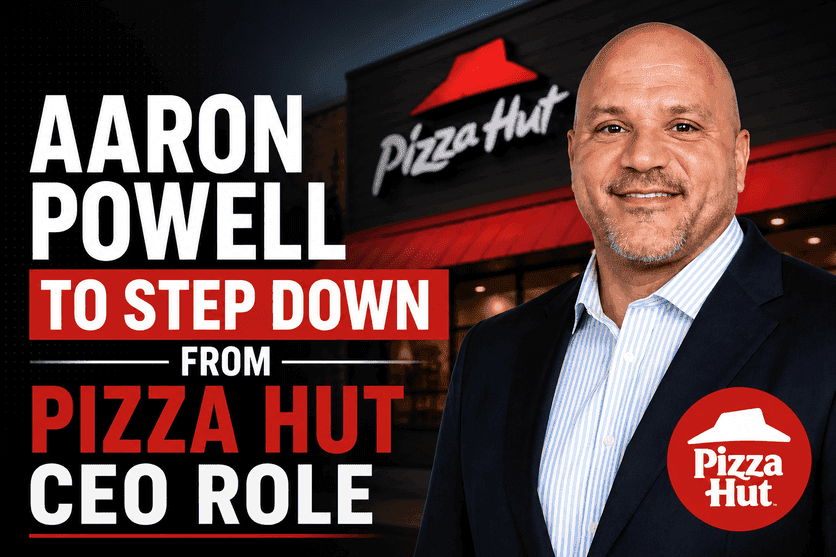
The transition of Pizza Hut's CEO, Aaron Powell, marks a pivotal moment for the chain and offers valuable leadership lessons for restaurant owners. Here’s what this executive change could mean for your business.
Aug 17, 2026
Panera Bread welcomes Andrew Rebhun as its new CMO to spearhead strategic brand growth and transformation, bolstering its vision for 2028.
Aug 17, 2026

Learn how to manage cash flow in your restaurant by tracking finances, controlling costs, forecasting needs, and building cash reserves.
Aug 14, 2026

Streamline restaurant back office operations by standardizing workflows, automating repetitive tasks, integrating systems, centralizing data, and improving accountability and efficiency.
Aug 12, 2026
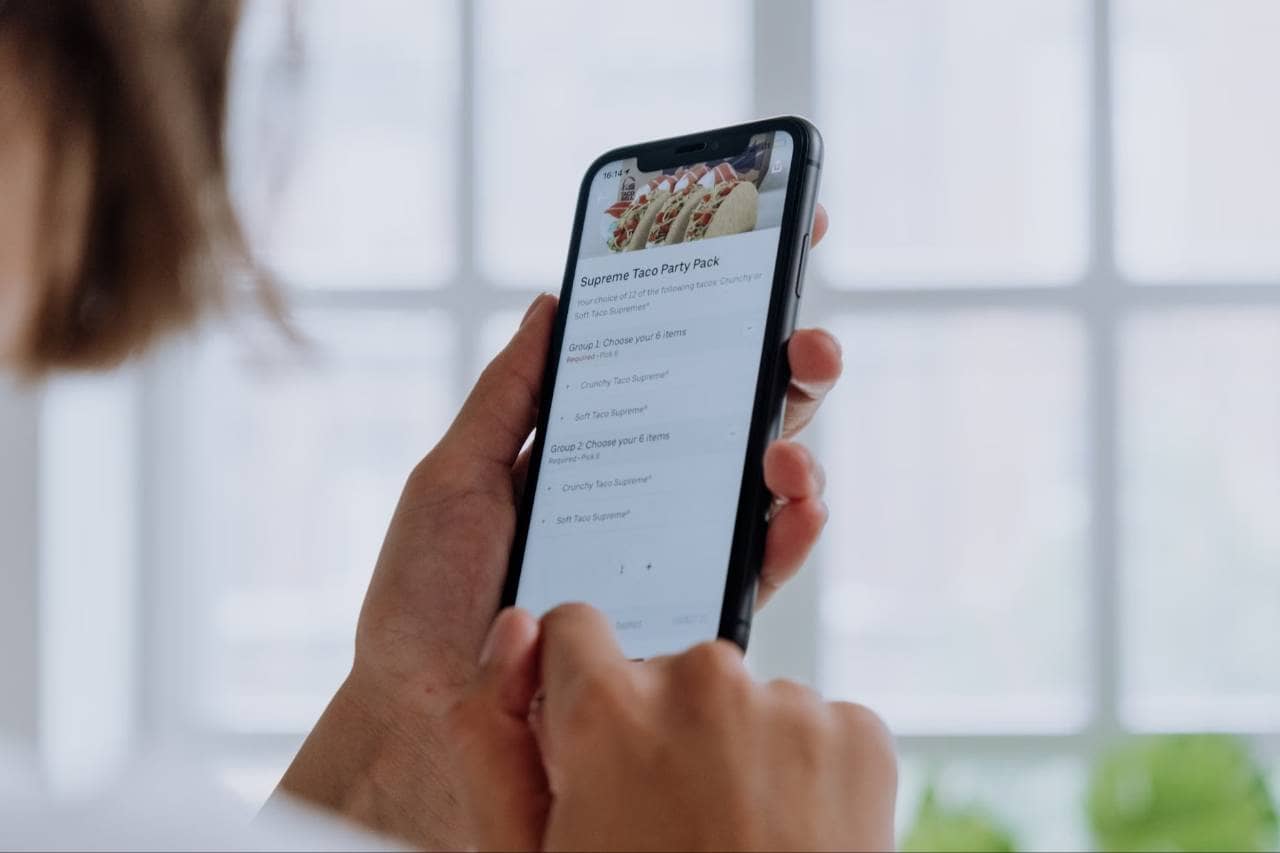
Increase online orders by simplifying checkout, optimizing menus, improving Google visibility, promoting ordering channels, and encouraging customers to order again.
Aug 12, 2026
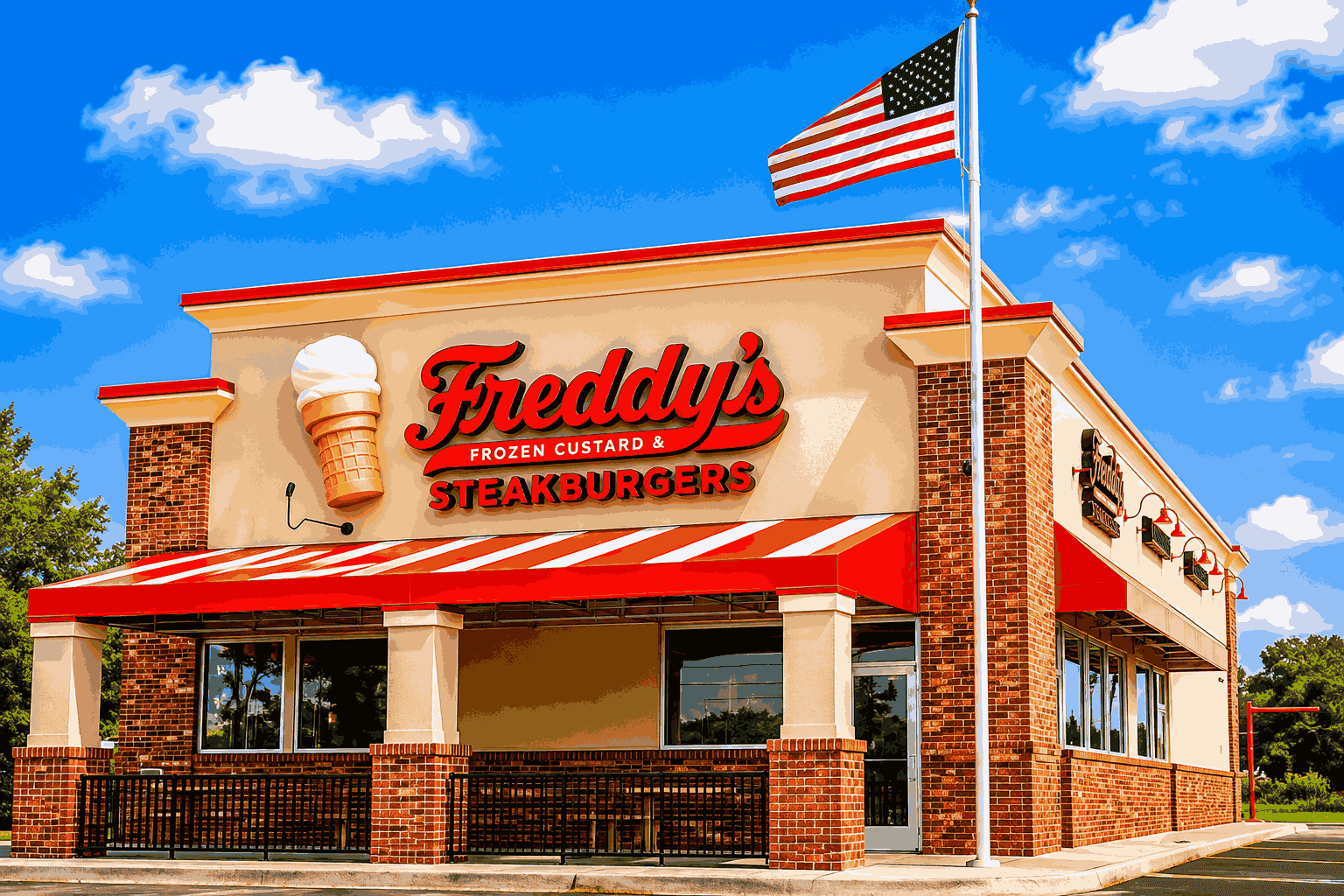
Freddy’s Frozen Custard & Steakburgers promotes Rick Petralia to Executive Chef & VP of Training & Innovation, signaling a strategic focus on culinary excellence and franchisee support.
Aug 12, 2026

McDonald’s USA has appointed Patrick Gerber as chief restaurant officer, leveraging his decades of global experience to boost operations, food quality, and customer satisfaction in the U.S. market.
Aug 11, 2026

Unlock Exclusive Access To Webinars, Events, And The Latest News For Free!
From pizza deliveries to boardrooms, Ben Jury maps a scalable way out of staffing loops: remote support layers, clear KPIs, and tech that protects frontline teams.

Photo by SpotOn
The story of Ben Jury doesn’t open with boardroom polish. It starts in a foreclosure-threatened home, evenings brightened by solar lights borrowed after the power was cut. He was told his Marine Corps security clearance would open doors; without a degree, the doors stayed shut. So he delivered pizzas while attending school. Eleven years later, that same hustle had him overseeing franchise operations across markets west of the Mississippi. From car seats to conference calls, one pattern kept showing up and wearing teams down: the labor loop that never lets up:
It goes like this: understaffing leads to weak training. That creates overwhelmed crews, service declines, and falling sales. Then leaders cut hiring or hours, and the cycle tightens. National signals back it up. The National Restaurant Association reports more than one-third of operators reduced hours and one in five closed days they’d normally be open due to staffing gaps. And the squeeze isn’t a blip, three-quarters of operators still cite recruitment and retention as significant challenges. What looks like a local struggle is a nationwide pattern, the same loop showing up in different zip codes with the same sting.

Climbing from driver to general manager to training-site director and, eventually, corporate operations lead, Jury saw the same movie in every market. Managers carried too much. New openings replayed the same staffing-training scramble regardless of ownership. He pushes back on a tempting myth: “most owners think the solution is finding better people, when the real issue is over-reliance on too few people.” In other words, if the plan hinges on one star, you don’t have a plan. That’s an over-reliance problem, one that breeds a tight, predictable burnout loop.
From that frontline view grew a conviction: chase scalable, process-driven solutions, not heroics. Great operators, independent or chain, still stumbled when a single one strong manager held it together or an owner doing everything ran out of steam. The fix isn’t sharper recruiting copy; it’s sharper systems. Codified roles, reliable support, repeatable training, and a way to shift non-core work off the line when the rush hits. In this framing, people are still the heart, but they’re protected by design instead of sacrificed to daily fires. That’s the mindset shift that opens new options.
Confronted with commute radii and local wage ceilings, Jury reexamined offshore staffing. The surprise? He found “highly educated, experienced professionals with real skill sets and strong work ethic” in lower-cost markets. That reframing unlocked off-site support layers, teams to handle inbound calls, order routing, scripting, and upselling, so stores could focus on execution. Tech trends make this practical. A full 92 percent of QSRs now use cloud-based POS, and phone platforms shifting to VoIP simplify remote call handling. With the right handoffs, the front counter breathes again and the dining room wins.
Here’s the value chain in motion: Call handling trims phone chaos during peaks. Order routing directs tickets cleanly, keeping expo sane. Scripting and upselling standardize add-ons without slowing the line. Then there’s back-office support that keeps admin pressure off store leaders. The economics are compelling. The Philippines BPO industry generated $42 billion in 2026 and employs about two million workers, delivering an estimated 60–75 percent labor cost savings versus U.S. rates. Translation: operators can buy real breathing room for crews and margins, not just a cheaper call center badge.
None of this runs on hope. Jury distills the non-negotiables: defined KPIs, clear expectations, and comprehensive training. “It doesn’t matter where the team is located; it will fail either way,” he warns, if those foundations aren’t in place. The takeaway is simple and sharp, tech and talent are enablers, not replacements for crisp process, and that clarity is what makes remote layers stick past the pilot phase.

The broader chorus lines up. Chad Moutray of the National Restaurant Association notes that “technology is influencing the way restaurants advertise job openings, screen and hire, and train employees to succeed on the job,” underscoring the systems-first approach. From the provider side, John Maczynski frames the evolution: “The Philippines isn’t just a labor market anymore; it’s a global hub for AI supervision.” Put simply, the support talent pool is deeper and more specialized, which makes layering feasible for more than just the mega-chains, and that’s a big win for operators who want speed without chaos.
Operators are moving. 37 percent plan to adopt automated labor management and recruitment systems by 2035. During the 2025 holiday crush, 69 percent of operators using kitchen automation reported higher efficiency and productivity. And Hops n Drops scaled to 22 locations with a lean 13-person support team by integrating back-office tooling. The throughline is clear: when restaurants add layers that do real work away from the line, the line performs better. Growth becomes less about finding mythical staff levels and more about orchestrating reliable support where it matters most.

There are real risks if leaders phone it in. OECD economists flag that basic call-center and clerical tasks could face AI-driven automation pressure, displacing roles without upskilling. Staffing also moved unevenly in 2025: 35 percent of operators saw increases, 49 percent saw no change, and 16 percent cut headcount, regional realities still bite. Jury’s warning stands: without rigorous process design, remote layers can fail just like local teams. Transition well, with disciplined change management, clear governance, and ongoing performance reviews, or risk trading one headache for another. Guardrails that keep the model honest:
- Define KPIs up front: Set targets for answer rates, upsell compliance, speed, and accuracy so success isn’t a vibe, it’s measured.
- Document expectations and training: Keep playbooks current and comprehensive; remote or local, teams can only hit what they can see.
- Stand up governance: Assign owners, escalation paths, and cadence so decisions don’t drift.
- Work the change management: Communicate, coach, and reinforce; habits don’t shift on their own.
- Review performance continuously: Use scorecards and regular check-ins to improve, not just observe.
Get these right and you de-risk the model while lifting in-store morale. The payoff is practical: crews focus on hospitality and execution, not ringing phones or juggling admin. That’s how layered support turns into a daily relief valve instead of another dashboard to babysit, and that’s how growth feels sustainable, not scary.
Jury’s challenge to growth-minded leaders is blunt and useful: “If you are trying to scale a business and you are only hiring locally, you are not just limiting your talent pool. You are limiting your ceiling.” With cloud POS adoption surpassing 90 percent in QSRs and a mature BPO ecosystem ready, the infrastructure to test remote layers is here. Ignoring it just reinforces the labor traps he’s spent a career mapping. If you’re ready to protect your team and stabilize sales, here’s a tight path forward you can actually run:
1. Codify workflows – Map the tasks that pull attention off the line; write the handoffs you want to see.
2. Set the KPIs – Define standards for response time, accuracy, and upsell so remote teams aim true.
3. Reallocate the work – Move phones, order routing, and scripted upsells to a dependable off-site layer.
4. Connect the tech – Use cloud POS and VoIP to remove friction between store and support.
5. Inspect and adapt – Run disciplined change management, governance, and ongoing performance reviews to iterate fast.
This is the move that protects people and preserves service. Shift the noise off the floor, give your managers a fair load, and let your crew cook. When the model clicks, you feel it in cleaner shifts and steadier sales. That’s not hype, that’s the big win operators have been chasing through the surge years.