
8 Steps in the Restaurant Payroll Process
Learn the eight essential steps of the restaurant payroll process, from tracking hours and calculating wages to payments and recordkeeping.
Payroll
Aug 17, 2026
Learn the eight essential steps of the restaurant payroll process, from tracking hours and calculating wages to payments and recordkeeping.
Aug 17, 2026
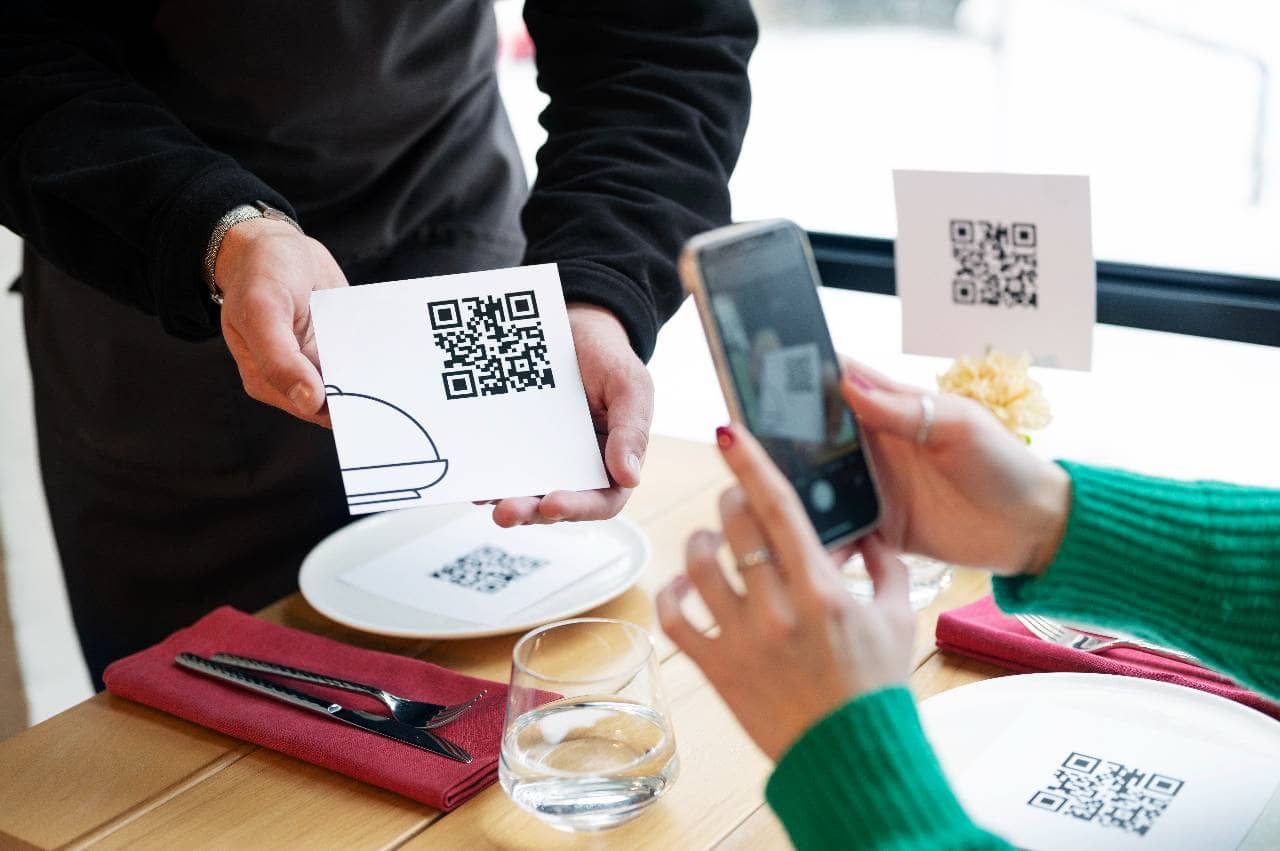
Explore the main types of ordering technology restaurants use to improve accuracy, speed, payments, customer convenience, and operational efficiency daily.
Aug 17, 2026

Discover how restaurant SMS marketing works, from building subscriber lists and creating campaigns to improving engagement and measuring marketing performance.
Aug 14, 2026
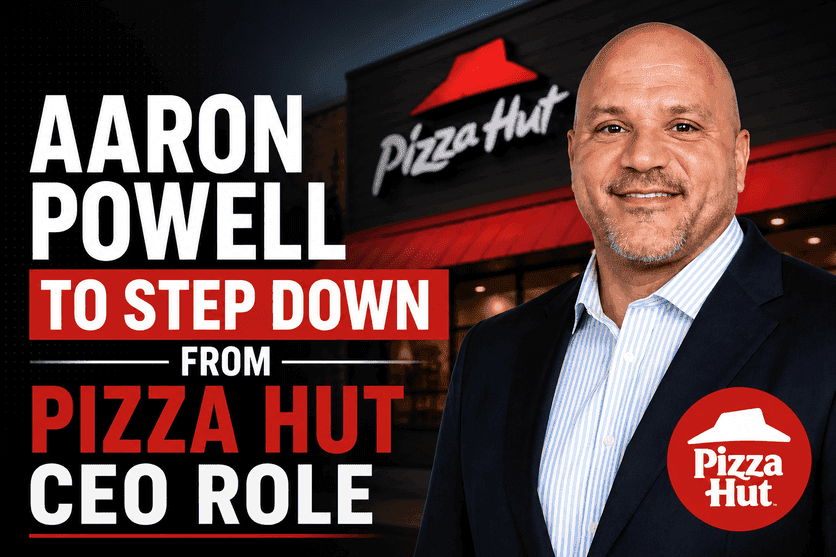
The transition of Pizza Hut's CEO, Aaron Powell, marks a pivotal moment for the chain and offers valuable leadership lessons for restaurant owners. Here’s what this executive change could mean for your business.
Aug 17, 2026
Panera Bread welcomes Andrew Rebhun as its new CMO to spearhead strategic brand growth and transformation, bolstering its vision for 2028.
Aug 17, 2026
Learn how to manage cash flow in your restaurant by tracking finances, controlling costs, forecasting needs, and building cash reserves.
Aug 14, 2026
Streamline restaurant back office operations by standardizing workflows, automating repetitive tasks, integrating systems, centralizing data, and improving accountability and efficiency.
Aug 12, 2026
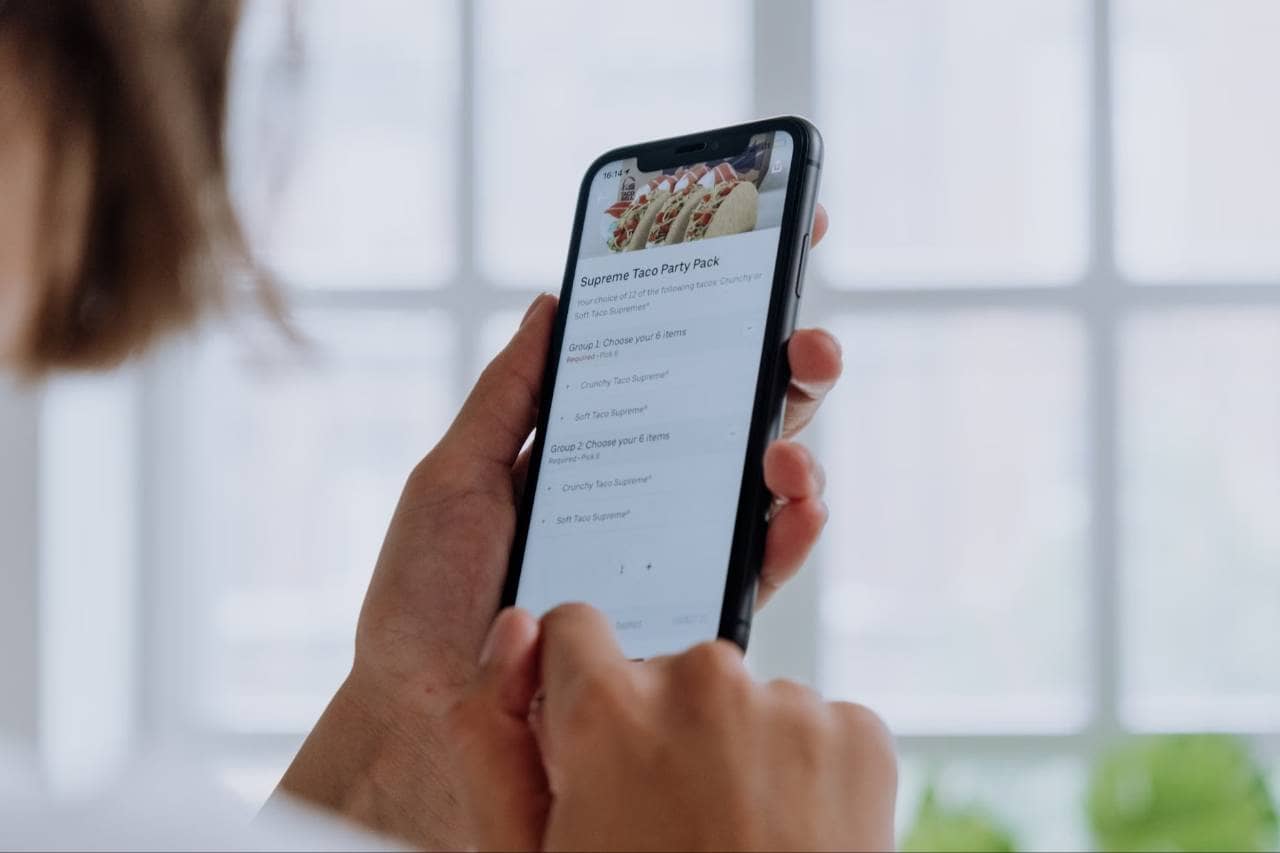
Increase online orders by simplifying checkout, optimizing menus, improving Google visibility, promoting ordering channels, and encouraging customers to order again.
Aug 12, 2026
Freddy’s Frozen Custard & Steakburgers promotes Rick Petralia to Executive Chef & VP of Training & Innovation, signaling a strategic focus on culinary excellence and franchisee support.
Aug 12, 2026
McDonald’s USA has appointed Patrick Gerber as chief restaurant officer, leveraging his decades of global experience to boost operations, food quality, and customer satisfaction in the U.S. market.
Aug 11, 2026

Unlock Exclusive Access To Webinars, Events, And The Latest News For Free!
Launching a profitable boba tea shop requires customer research, smart location choices, efficient systems, controlled costs, and local marketing strategy.
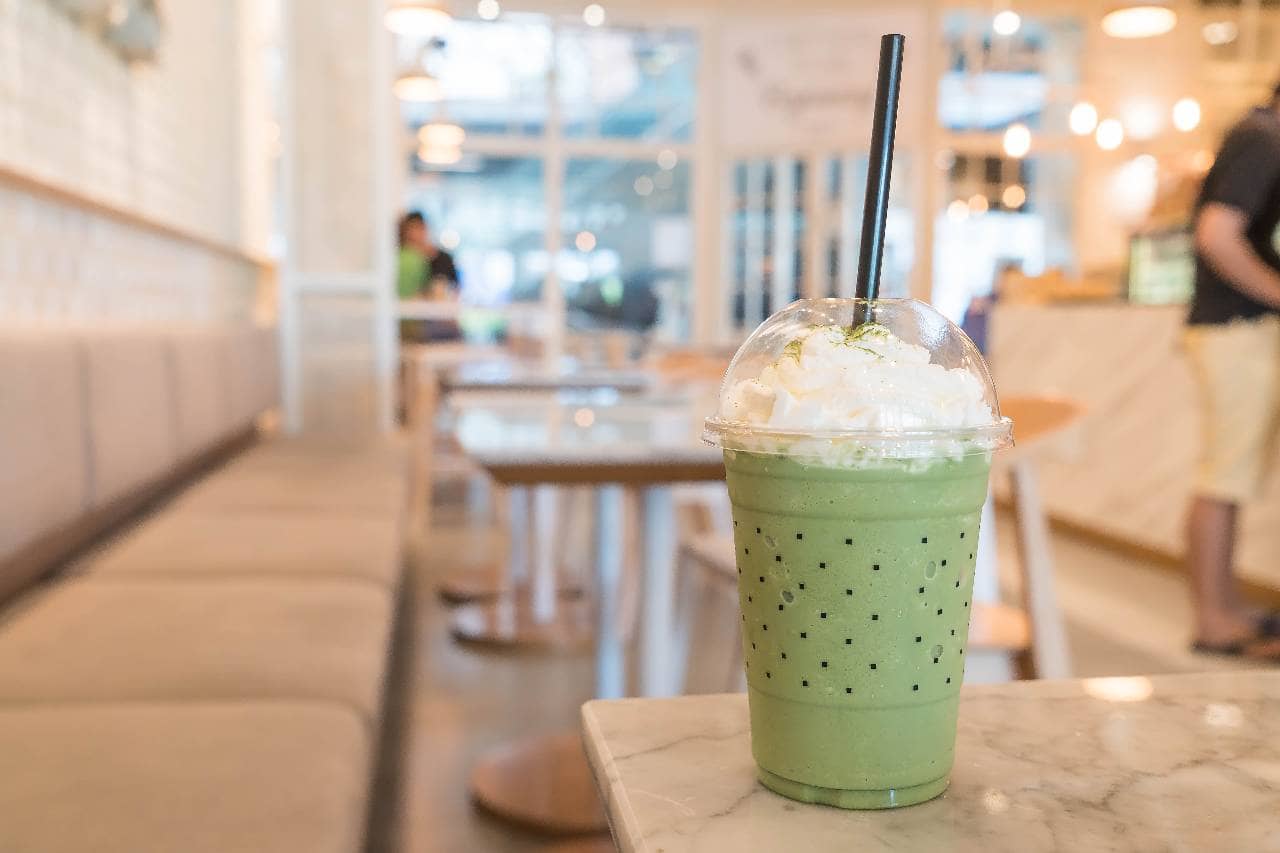
Opening a boba tea shop can be an attractive business opportunity because the product fits several strong market advantages at once- high customer demand, relatively simple equipment needs, and strong profit potential. Unlike many food concepts that require full kitchens, large cooking lines, expensive ventilation, or complex prep stations, a boba shop can often operate with a more focused setup. The core business is built around tea, flavored drinks, tapioca pearls, toppings, ice, milk, syrups, and water-based products. That gives owners more control over ingredient costs, prep systems, and menu consistency. One of the biggest reasons boba can be profitable is the gap between product cost and selling price. Many drinks are made from low-cost base ingredients but can be sold at premium prices because customers are not just buying tea. They are buying flavor, customization, texture, presentation, and experience. A single drink can include add-ons like pearls, jellies, cheese foam, fruit puree, brown sugar, or specialty milk alternatives. Each upgrade can increase the average order value without dramatically increasing the cost of production. However, strong margins do not automatically create a successful business. A boba shop still needs volume, consistency, smart branding, and strong local marketing. Because many drinks are low-ticket items, profitability depends on serving enough customers per day while keeping labor, waste, rent, and inventory under control. A shop that sells great drinks but has slow service, poor location, weak marketing, or inconsistent recipes can struggle even with high-margin products. A helpful way to think about launching a profitable boba shop is the ACE formula - Align, Connect, and Explode. First, align your values with your audience. Before choosing flavors, colors, cups, packaging, or decor, you need to understand who your customers are and what they care about. A college-heavy area may respond to trendy drinks, bold flavors, and social media-friendly branding. A family neighborhood may value comfort, affordability, and familiar favorites. A sustainability-focused community may appreciate eco-friendly packaging and cleaner ingredient choices. Second, connect with customers on a personal level. Boba is a repeat-purchase business. Customers often come back because the shop becomes part of their routine, social life, or identity. Friendly service, consistent drinks, memorable branding, and a welcoming experience can turn first-time buyers into regulars. Third, explode revenue using tailored strategies. Growth comes from matching the right menu, location, operations, pricing, and marketing tactics to the specific customer base. A profitable boba shop is not built by copying every trend. It is built by knowing exactly who you serve, creating a product they want often, and designing systems that make every visit fast, consistent, and worth repeating.
Before choosing your logo, menu, furniture, or drink names, you need to know exactly who your boba shop is built for. A profitable boba business does not serve "everyone." It serves a clear customer group and builds the menu, pricing, branding, store layout, and marketing around that group. Start by studying the demographics within your trade area. Look at age groups, income levels, nearby schools, apartment density, cultural makeup, shopping patterns, and foot traffic. A shop near a college campus may need colorful drinks, lower price points, quick service, loyalty rewards, and social media-friendly presentation. A shop in a higher-income residential area may support premium teas, cleaner ingredients, seasonal flavors, and larger average tickets. A shop near families may need kid-friendly drinks, simple flavors, snacks, and comfortable seating. Your customer profile should directly influence your menu. For example, a younger or trend-driven audience may prefer sweeter, fruit-forward drinks such as taro milk tea, mango green tea, strawberry slushes, brown sugar drinks, and colorful toppings. A more traditional or tea-focused audience may prefer stronger tea profiles such as oolong, jasmine, black tea, matcha, or pu-erh. These customers may care more about tea quality, brewing method, sweetness control, and ingredient authenticity. This matters because the wrong menu can create waste, slow sales, and weak repeat visits. If your customer base wants fun, sweet, customizable drinks but your menu is too traditional, you may lose impulse buyers. If your customer base values premium tea but your menu is mostly sugary slushes, you may struggle to build loyalty. Restaurant owners should treat customer research like an operating decision, not a branding exercise. Before opening, review - 1. Local population density - More nearby residents can support repeat visits and delivery demand. 2. Age and lifestyle patterns - Students, families, office workers, and young professionals all buy differently. 3. Competitor menus and pricing - Identify what is already available and where there may be gaps. 4. Traffic patterns by day-part - Boba demand may spike after school, after work, evenings, and weekends. 5. Customer values - Some markets care about sustainability, premium ingredients, low sugar, dairy-free options, or visual presentation. Value alignment is especially important. Customers are more likely to become loyal when the brand feels like it matches their lifestyle. For example, if your target demographic cares about sustainability, eco-friendly packaging, reusable glass jars, or reduced plastic can become part of the brand story. If your audience cares about convenience, online ordering, fast pickup, and delivery packaging may matter more than decor.
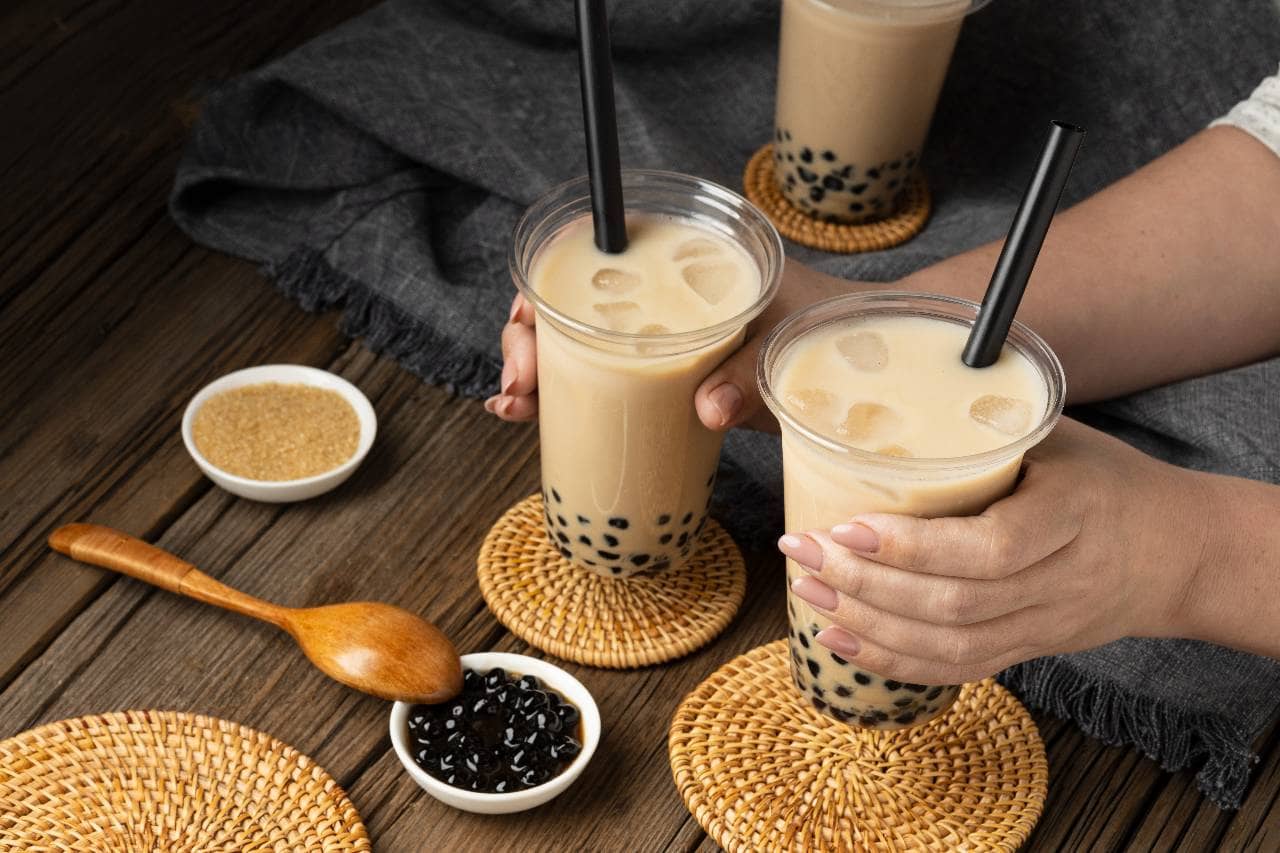
Once you understand your target customer, the next step is choosing the right business concept. This decision affects your startup cost, store layout, labor model, menu size, service speed, and long-term profit potential. A boba shop can be built as a dine-in cafe, a grab-and-go counter, a kiosk, a delivery-focused concept, a franchise, or an independent brand. The right choice depends on your market, budget, and operating goals. A dine-in boba shop works best when customers want to stay, socialize, study, or meet friends. This model may support higher average order value because guests may buy snacks, desserts, or multiple drinks while spending time in the space. However, it also usually requires more square footage, more seating, more cleaning, higher rent, and a stronger focus on atmosphere. A grab-and-go boba shop is built for speed and volume. This model works well in dense neighborhoods, shopping centers, near schools, or areas with strong delivery and pickup demand. The advantage is that owners can often operate with less space and fewer front-of-house expenses. The challenge is that the operation must be fast. If customers are not sitting down, the business depends on quick ordering, quick drink production, and steady transaction flow. Owners also need to decide between a franchise and an independent brand. A franchise can provide structure. You may receive a proven menu, brand recognition, vendor relationships, training, store design support, and real estate guidance. This can reduce some of the guesswork for new owners. However, franchise models often come with higher upfront costs, including franchise fees that may range from tens of thousands of dollars, plus ongoing royalty fees. If royalties are 6% to 8% of sales, that cost must be built into your profit model from day one. An independent brand gives you more control. You can create your own menu, pricing, packaging, store design, customer experience, and marketing strategy. You also avoid ongoing royalty fees, which can protect margins as sales grow. The tradeoff is responsibility. Without a franchise playbook, the owner must develop recipes, train staff, build vendor relationships, design systems, and create demand from scratch. Before choosing your concept, run the decision through a basic operating checklist - 1. Startup budget - Can you afford a larger dine-in buildout, or does a smaller grab-and-go model better protect cash flow? 2. Rent-to-sales expectations - Higher rent only makes sense if the location can produce enough transactions to support it. 3. Labor requirements - A smaller grab-and-go shop may run with fewer employees, while a cafe-style shop may need more staff for cleaning, guest flow, and food support. 4. Average order value - Dine-in may allow more food and add-on sales, while grab-and-go may depend on faster drink volume. 5. Customer behavior - If your target customers want convenience, prioritize speed. If they want a social experience, invest in space and atmosphere. 6. Control vs. support - A franchise may offer guidance, but an independent brand gives you more flexibility and fewer ongoing fees. The key is to avoid choosing a concept based only on personal preference. A profitable boba shop should be designed around the customer, the location, and the numbers. If the area has heavy foot traffic and quick-service demand, a small high-volume shop may outperform a large cafe. If the neighborhood lacks comfortable hangout spaces, a dine-in concept may create stronger loyalty. The best concept is the one that gives your target customer what they want while giving the business enough margin to operate profitably.
Location is one of the biggest profit drivers for a boba tea shop because boba is usually a volume-based business. Most customers are not spending $25 to $40 per visit like they might at a full-service restaurant. They may spend $5 to $9 on a drink, or slightly more if they add toppings, snacks, or multiple items. That means the shop needs enough daily transactions to cover rent, labor, utilities, ingredients, packaging, delivery fees, and marketing. Before signing a lease, owners should estimate how many drinks must be sold per day to break even. For example, if fixed monthly costs are high, the business may need hundreds of transactions per day just to stay profitable. A beautiful location with weak foot traffic can quickly become a cash drain. A smaller location with strong daily traffic, easier pickup access, and strong neighborhood demand may perform better than a larger space in the wrong area. Boba shops often work best in high-density areas where customers can visit repeatedly. High-rise residential zones, apartment-heavy neighborhoods, college areas, shopping centers, and mixed-use developments can create steady demand. Residential density is especially valuable because boba is not only a lunch item. Customers may buy it after school, after work, in the evening, on weekends, or through delivery apps. A location surrounded only by office buildings may perform well during weekdays but struggle at night and on weekends if there is limited residential traffic. Owners should also evaluate delivery potential. Many customers discover boba through delivery apps, online ordering, and local search. A good location should be close enough to dense residential areas to support fast delivery times. If the shop is too far from the customer base, delivery quality may suffer, drinks may arrive watered down, and repeat orders may drop. Cultural fit also matters. Some neighborhoods already understand and appreciate boba culture. In those markets, owners may not need to spend as much effort educating customers on toppings, sweetness levels, tea bases, or drink styles. Product acceptance is already there. In a newer market, there may still be opportunity, but the shop may need stronger sampling, simpler menu design, and more customer education. Before choosing a location, review these factors - 1. Population density - Look for enough nearby residents, students, shoppers, or workers to support repeat purchases. 2. Foot traffic by day-part - Visit the area in the afternoon, evening, weekday, and weekend. Do not rely only on landlord traffic claims. 3. Rent as a percentage of projected sales - High rent is only acceptable if the sales volume can support it. 4. Delivery radius - Make sure the shop can reach nearby homes, apartments, schools, and offices quickly. 5. Parking and pickup access - Even a strong concept can lose customers if pickup is inconvenient. 6. Competitor mix - Nearby restaurants, dessert shops, cafes, and Asian food concepts can help create the right customer traffic. 7. Visibility and signage - Customers should be able to notice the shop easily from the street, sidewalk, or parking area. A practical way to evaluate a location is to build a simple transaction target. Estimate your average ticket, gross margin, rent, labor, and monthly operating costs. Then calculate how many orders you need per day to reach break-even and target profit. If the location does not realistically support that volume, it may not be the right site.
A profitable boba menu should not be built around every flavor you can offer. It should be built around the drinks your target customers are most likely to buy repeatedly. Too many new owners make the mistake of launching with a large menu because they want to appeal to everyone. The problem is that a large menu can slow service, increase inventory costs, create waste, complicate training, and make quality harder to control. Start with a focused menu that matches the customer profile from Step 1. If your shop is in a younger, trend-driven market, your menu may lean toward sweet milk teas, fruit teas, slushes, brown sugar drinks, colorful toppings, and visually appealing specials. If your market is more tea-focused, your menu should highlight stronger tea bases such as jasmine, oolong, black tea, matcha, or pu-erh, with options for sweetness level, ice level, and premium toppings. The menu should also be designed around operational speed. Each drink needs to be profitable, but it also needs to be easy to produce during peak periods. A drink that looks great online but takes too long to make can hurt throughput. If one complicated drink slows down the line during a rush, it can reduce total hourly sales. Owners should track not only ingredient cost, but also prep time, station complexity, and employee training difficulty. To keep the menu profitable, review each item using four basic numbers - 1. Ingredient cost per drink - Calculate tea, milk, syrup, toppings, cups, lids, straws, seals, and packaging. 2. Selling price - Make sure the price supports your target margin and local customer expectations. 3. Prep time - A drink that takes too long may reduce the number of orders your team can complete per hour. 4. Popularity - Track which drinks sell often and which ones tie up inventory without enough demand. Average order value is another major profit lever. Since boba can be a lower-ticket product, owners should look for ways to increase the amount each customer spends without making the experience feel forced. Add-ons are one of the easiest ways to do this. Tapioca pearls, popping boba, grass jelly, cheese foam, pudding, crystal boba, aloe, or extra toppings can increase revenue on the same base drink. Food and snacks can also help raise the ticket. Items like bubble waffles, paninis, small desserts, fries, or culturally relevant snacks can turn a single-drink visit into a larger order. The key is to choose items that fit your concept and do not overload the kitchen. A snack menu should support the drink operation, not slow it down. Owners should also use menu placement strategically. Feature high-margin drinks in the most visible areas of the menu. Create simple bundles such as "drink + snack" combos. Offer signature drinks that are easy to make, visually appealing, and priced slightly higher than basic milk tea. These items can become the shop's profit drivers. A strong boba menu should help customers decide quickly, encourage add-ons, protect margins, and keep the line moving during busy periods. When menu design is connected to customer demand and operating data, it becomes more than a list of drinks. It becomes a system for increasing sales, controlling costs, and improving repeat visits.
A boba shop can have a great menu, strong location, and steady customer demand, but still lose money if the operation is not organized. Profit depends on more than selling drinks. It depends on making every drink quickly, accurately, consistently, and with minimal waste. That is why operational systems are one of the most important parts of launching a profitable boba tea shop. Consistency should be the first priority. Customers come back when their favorite drink tastes the same every time. If one employee makes a brown sugar milk tea too sweet, another makes it too watery, and another adds the wrong amount of pearls, the customer experience becomes unreliable. Owners should create exact recipes for every drink, including tea base, syrup quantity, milk level, ice level, topping portion, cup size, and preparation steps. This is where the "franchise model" mindset helps. Even if the shop is independently owned, the process should be documented like a franchise. Every employee should be trained to follow the same steps, use the same measurements, and meet the same quality standard. Consistency reduces remakes, customer complaints, ingredient waste, and training confusion. Speed is the second priority. Boba is often a high-volume, low-ticket business, so the shop needs to process orders quickly during rush periods. If the average ticket is modest, profitability improves when the team can complete more transactions per labor hour. For example, a strong cashier-to-barista workflow may allow a small team to produce 100 or more drinks per hour during peak demand. But that only happens when the layout, prep stations, recipes, and communication systems are built correctly. Owners should break down the workflow step by step - 1. Order taking - The cashier should be able to enter drink size, sweetness, ice level, toppings, and modifiers quickly without confusion. 2. Ticket routing - Orders should flow clearly to the drink station so baristas know what to make next. 3. Tea and ingredient prep - Tea bases, toppings, syrups, powders, and fruit mixes should be prepped before the rush, not during it. 4. Drink assembly - Ingredients should be placed in the order they are used to reduce unnecessary movement. 5. Sealing and handoff - Finished drinks should move quickly to pickup without blocking the production line. 6. Cleaning and restocking - Employees should have assigned side tasks so the station does not fall behind during service. A useful way to improve operations is to time each step. Track how long it takes to take an order, build a drink, seal it, and hand it to the customer. Then look for bottlenecks. If employees are walking too far for toppings, move the toppings closer. If drink labels are confusing, simplify the ticket format. If one specialty drink slows the whole line, adjust the recipe or prep more ingredients in advance. Operational systems should also control waste. Measure toppings by portion, track discarded tea, monitor expired ingredients, and review which products are over-prepped. Small waste problems can become expensive when repeated daily. If a shop throws away tea, pearls, fruit, milk, and toppings every night, the true cost of goods will be higher than expected. A strong system allows employees to work faster without feeling rushed, protects drink quality, and gives managers clear standards to train against. When operations are documented, measured, and improved over time, the shop can serve more customers, reduce mistakes, control costs, and create a consistent experience that keeps people coming back.
Labor and cost management can determine whether a boba shop stays profitable after the excitement of opening week fades. Because boba is often a lower-ticket, high-volume business, owners need tight control over payroll, inventory, equipment, and cash reserves. A shop may have strong sales, but if labor is overstaffed, ingredients are wasted, or opening costs are underestimated, profit can disappear quickly. Start with labor. The goal is not to hire the cheapest employees or run the smallest possible team. The goal is to build a team that can produce consistent drinks quickly without creating service delays, mistakes, or burnout. A well-trained two-person team with the right workflow can often outperform a larger team with poor systems. That is why hiring should focus on both attitude and execution. Value-based hiring matters because boba shops depend heavily on repeat customers and consistent service. Employees should understand the shop's standards, pace, cleanliness expectations, and customer experience goals. When employees care about the brand, they are more likely to follow recipes, keep stations clean, treat guests well, and protect product quality. This can reduce turnover, which is important because every new hire requires training time, manager attention, and productivity ramp-up. Owners should also schedule based on demand, not habit. Track sales by hour, day-part, and day of week. If the shop is busiest after school, after work, and on weekends, labor should be concentrated around those periods. Slow mornings or early afternoons may require fewer people, while peak windows may need a cashier, drink maker, floater, and prep support. The more accurately labor follows demand, the easier it is to protect margins. Cost management should also begin before opening. Owners need a clear equipment checklist and realistic launch budget. Common boba shop equipment includes - 1. POS system for ordering, modifiers, payments, reporting, and sales tracking. 2. Cup sealer to speed drink production and improve presentation. 3. Ice machine to support high drink volume. 4. Under-counter cooler for milk, fruit, toppings, and prepared ingredients. 5. Sugar dispenser for consistent sweetness levels. 6. Stand-up freezer for frozen fruit, desserts, or specialty ingredients. 7. Tea brewers for consistent tea quality and batch production. 8. Blenders for slushes, smoothies, and blended drinks. Initial inventory should also be planned carefully. Many new owners may need around $2,000 to $3,000 for opening inventory, depending on menu size, supplier minimums, and expected launch volume. This may include tea leaves, powders, syrups, tapioca pearls, jellies, milk products, cups, lids, straws, seals, napkins, bags, and cleaning supplies. Launch marketing may require another $2,000 or more for signage, social content, local promotions, samples, printed coupons, influencer outreach, and opening-week campaigns. A financial buffer is critical. Opening demand can be unpredictable. If sales are stronger than expected, owners may need to reorder ingredients faster, repair equipment, add labor, upgrade an ice machine, or buy additional storage. If sales are slower than expected, the business still needs enough cash to cover rent, payroll, utilities, and marketing while demand builds. Without emergency capital, even fixable problems can become serious cash flow issues. Owners should review these numbers weekly after opening - 1. Labor cost percentage - Compare payroll to sales and adjust schedules by day-part. 2. Cost of goods sold - Track ingredients, packaging, waste, and vendor price changes. 3. Average order value - Monitor whether customers are adding toppings, snacks, or upgrades. 4. Sales per labor hour - Measure how much revenue each labor hour produces. 5. Waste levels - Review dumped tea, expired toppings, over-prepped pearls, and spoiled milk. 6. Cash reserve - Keep enough funds available for equipment issues, slow weeks, or unexpected demand. Smart cost management does not mean cutting everything. It means spending where the business gets a return and controlling the areas that quietly drain profit. A profitable boba shop needs the right team, the right tools, the right inventory levels, and enough cash cushion to handle launch surprises. When labor and costs are managed with data, owners can scale volume without losing control of margins.
A profitable boba shop needs more than a good product. It needs a marketing system that consistently brings customers in, encourages repeat visits, and turns one-time buyers into loyal regulars. Because boba is a visual, social, and highly customizable product, marketing should focus on visibility, habit-building, and customer engagement. Start with the platforms where boba performs naturally - Instagram, TikTok, Google, and delivery apps. Boba drinks are colorful, easy to film, and highly shareable. A short video showing pearls being poured, brown sugar syrup dripping inside a cup, fruit tea being shaken, or a sealed drink being flipped can create more attention than a long promotional post. Owners do not need complicated content. They need consistent content that makes the product look craveable. For TikTok and Instagram Reels, focus on short 10-to-15-second videos. These should be simple, fast, and repeatable. Examples include - 1. Drink assembly videos - Show the drink being built from pearls to finished cup. 2. Texture shots - Highlight popping boba, cheese foam, tapioca pearls, jelly, or fruit pieces. 3. Customer reaction clips - Capture real excitement when customers try a new flavor. 4. Behind-the-scenes prep - Show tea brewing, fruit cutting, or toppings being prepared. 5. Limited-time drink launches - Create urgency around seasonal or trending flavors. User-generated content should also be part of the marketing plan. Customers who post photos, tag the shop, leave reviews, or share drinks with friends are helping promote the business. Owners should encourage this by creating photo-friendly packaging, branded cups, wall art, loyalty rewards, and social media prompts inside the store. A simple sign that says "Tag us for a chance to be featured" can help create more local content without increasing ad spend. Google Business Profile is another important tool. Many customers search for "boba near me," "bubble tea near me," or "milk tea near me" when deciding where to go. A complete profile with updated hours, photos, menu links, reviews, directions, and online ordering can help the shop appear in local searches. Owners should treat reviews like a measurable marketing channel. More reviews, stronger ratings, and fresh customer photos can improve trust before a customer ever visits. Delivery apps should also be used strategically. Third-party platforms may charge high commission fees, often cutting into margins. Because of that, owners should not view delivery apps only as profit centers. They should also treat them as customer acquisition tools. Delivery apps can introduce the shop to customers who may not have discovered it through foot traffic or social media. The key is to move delivery customers toward direct ordering or in-person visits over time. One practical tactic is the in-package coupon strategy. Place a physical card inside each delivery bag offering a discount on the next order if the customer orders directly from your website or visits the shop in person. For example, "Get 10% off your next order when you order direct." This helps reduce long-term dependence on delivery apps and protects margins from 20% to 30% commission fees. Owners should track marketing performance weekly using a few practical metrics - 1. New customer count - How many first-time buyers are coming in? 2. Repeat visit rate - Are customers returning after their first purchase? 3. Average order value - Are promotions increasing ticket size or only discounting sales? 4. Review count and rating - Are customers leaving positive feedback online? 5. Social engagement - Which videos, drinks, or posts are getting saves, shares, comments, and visits? 6. Direct order percentage - Are more customers ordering through your website instead of delivery apps? 7. Coupon redemption - Are in-package offers bringing customers back? Marketing should not be random. A strong boba shop marketing plan connects social media, local search, delivery apps, in-store experience, and direct ordering into one system. Social media creates attention. Google captures local demand. Delivery apps introduce the brand to new customers. Coupons and loyalty offers bring them back. When these channels work together, marketing becomes more than promotion. It becomes a repeatable growth engine that supports steady traffic, stronger margins, and long-term customer loyalty.