Taming the Tech Tangle: Tiered and Pillar Strategies
How Mendocino Farms and peers use tiered and pillar frameworks to calm complex vendor stacks, tighten integration, and protect guest experience.
May 19, 2026
How Mendocino Farms and peers use tiered and pillar frameworks to calm complex vendor stacks, tighten integration, and protect guest experience.
May 19, 2026
Operators warn enforcement is choking labor and demand. Inside the Dignity Act push, supply-chain risks, and what’s next for restaurants.
May 19, 2026
As 30–40% of QSR guests shift to delivery, operators redesign kitchens, reframe drivers as guests, and navigate fees, caps, and refunds in a fast-growing market.
May 19, 2026
Leaders outline a gentler, seamless digital hospitality—data, design, and care that turn online orders into loyalty and measurable growth.
May 19, 2026
How Dave’s crossed 400 units with tight unit economics, aligned leadership, and a challenger ethos—without watering down the guest experience.
May 19, 2026
Subway scraps its global CMO, shifts to regional marketing, revamps loyalty, and leans on value amid closures and sliding U.S. sales.
May 19, 2026
TOUS les JOURS is teaming up with BTS THE CITY ARIRANG in Las Vegas this May, bringing Korean bakery pop-ups, exclusive giveaways, and fan experiences to multiple locations across the city.
May 19, 2026
Industry leaders at the National Restaurant Show made a clear case - aggressive deportation policies are driving up food costs, shrinking workforces, and pulling customers away and restaurant operators need to start speaking up before the damage becomes irreversible.
May 19, 2026
New to restaurant payroll? This plain-English guide covers tipped wages, overtime, common mistakes, and the tools that keep you compliant from day one.
May 19, 2026
Running out of menu items mid-service costs you sales and damages guest trust. Discover how poor inventory visibility leads to restaurant stockouts and what to do about it.
May 19, 2026
Unlock Exclusive Access To Webinars, Events, And The Latest News For Free!
Leaders outline a gentler, seamless digital hospitality—data, design, and care that turn online orders into loyalty and measurable growth.
Photo by SumUp
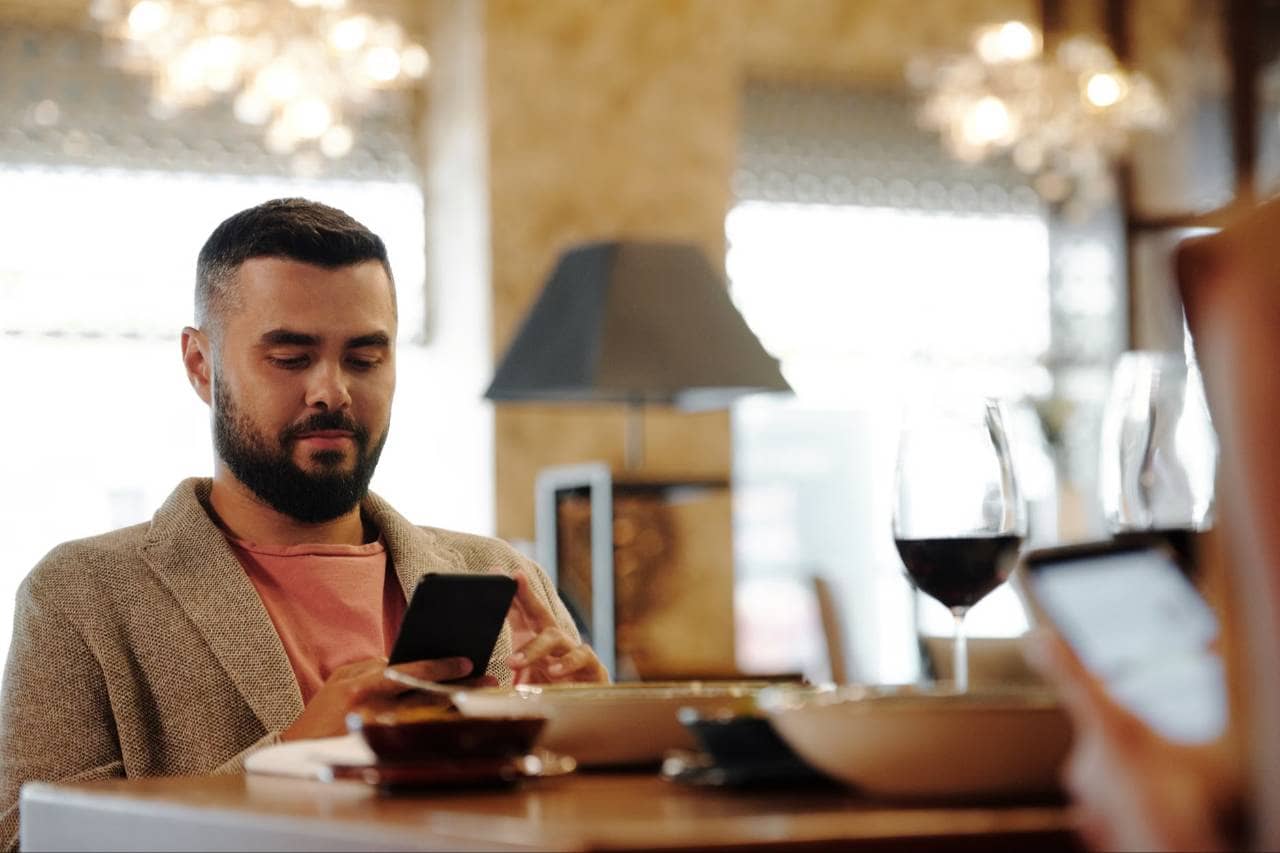
Hospitality should feel like exhaling—simple, warm, and gently guided. At the recent Food On Demand Conference in Dallas, three voices set a tender yet practical tone for what that means online. Ryan Jones of TEAM Schostak Family Restaurants cautioned that the surest way to lose a guest is to frustrate them when they’re ready to order. “I don’t think there’s a bigger polar opposite of hospitality than when you’re frustrating people when they’re trying to spend money,” he said. His charge was clear: remove friction across first-party and third-party channels so the digital doorway feels like a friendly front desk, not a maze:
Jackie Sturniolo of Xperience Restaurant Group framed the digital storefront as a dining room that needs the same polish: if images or descriptions are missing, or if ordering is hard to find, the welcome dims before the first bite. From the platform lens, Adam Krueger of Grubhub underscored the first impression: correct photos and modifiers matter because the moment someone opens a container could be the first—or the hundredth—chapter of the relationship. The connective thread was soothing in its simplicity: clarity and accuracy are forms of kindness, and kindness translates beautifully across a screen.
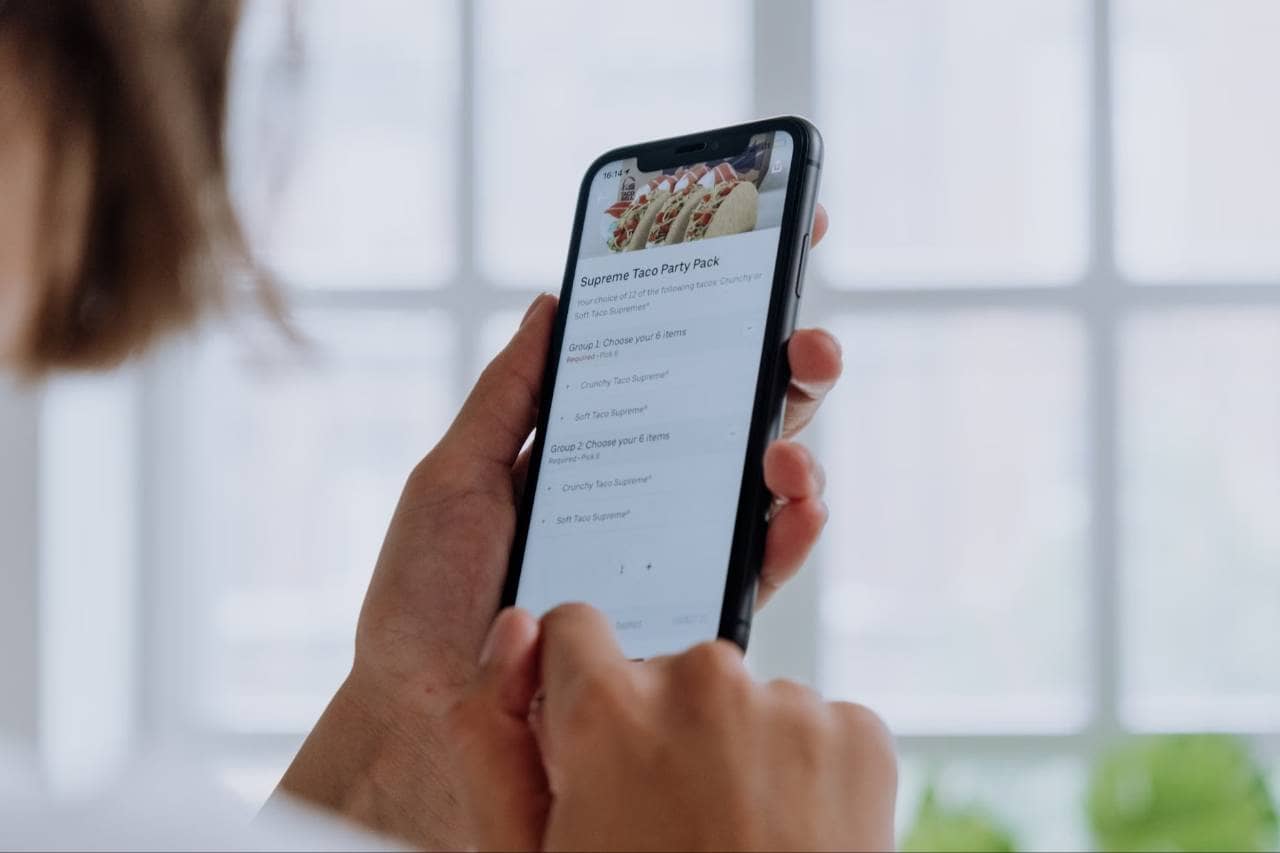
When restaurants stretch beyond their walls, the guest’s first step is often a tap, not a doorknob. In that tender in‑between—where a craving meets a cart—the experience becomes its own kind of hospitality. A soothing image, a crisp description, a price that feels right: they all whisper, you’re in the right place. This is where digital catering and off-premises ordering become quiet conversion engines. The question is less about novelty and more about trust: do your online paths make guests feel cared for before the food ever arrives?
Technomic points to a decisive shift: digital orders now make up about three-quarters of all restaurant transactions in 2026. Expectations have settled in, too—WifiTalents notes that 72 percent of guests expect to order online or via mobile, and 43 percent do so weekly. The habit was cemented during the early pandemic when NPD Group reported a 124 percent surge in digital orders for carry-out and delivery from March 2020 to March 2021. The math is simple and persuasive: if the door most people use is digital, the welcome needs to live there just as beautifully as it does in-person.
Treating the online journey as hospitality, not just transaction, turns taps into trust. For catering and everyday orders alike, the gentle details—clear menus, steady navigation, reassuring packaging—become the small courtesies that keep guests returning to your door, whichever door they choose.
Aligning brand identity with digital behavior is less about flash and more about rhythm: what keeps a guest breezing through checkout with a smile? The Ipsos 2025 Channel Check‑In study highlights practical drivers for repeat app use—each one a small act of respect for a guest’s time and taste. At the same time, demand patterns are reshaping value equations: McKinsey notes that pickup order frequency grew 14 percent over the past year, while delivery’s average basket value fell 6 percent and spend per unit dropped 12 percent. As Ryan Jones shared, channel‑specific offers help operators meet guests where they are, and why they’re there:
- Save time, skip lines: Frictionless checkout honors busy moments and encourages repeat use.
- Full customization options: Letting guests tailor orders is a gentle nod to individual preferences.
- Exclusive deals and promotions: Thoughtful offers stitch marketing and tech into loyalty that feels earned, not pushed.
Together, these design choices turn a menu into a memory: guests remember ease, and they come back for it.
With pickup gaining ground on value and delivery softening on spend, subtle channel differentiation—like Jones’s first‑party versus third‑party offers—keeps the experience fair, friendly, and on‑brand. Loyalty follows the path of least resistance, especially when that path feels welcoming at each click.
Digital hospitality lives in the quiet aftertaste—what happens when guests speak up. Jackie Sturniolo responds to every review on third‑party channels and extends credits to reward loyalty and soften rocky moments. The discipline is matched by Ryan Jones, who enforces responses to all guest reviews within 24 hours. His takeaway is both practical and tender: a guest is five times more likely to return when followed up within that window. In a landscape of screens, the old truth holds—people remember feeling seen, and timely care is a gentle kind of promise kept.
Platform and brand leaders are aligned on stakes. Josh Gurley of The Coca‑Cola Company notes that with over half of foodservice guests viewing delivery and takeout as essential, investing in the right digital experience is table stakes. From another angle, Olo CEO Noah Glass cautions that third‑party delivery can strain profitability and deprive operators of valuable guest data. The message harmonizes: control what you can—images, modifiers, packaging, and replies—and be mindful where you can’t. Data, used thoughtfully, becomes another form of welcome: it remembers a favorite, anticipates a tweak, and greets guests by preference, not guesswork.
Care that shows
Jackie Sturniolo reports that active engagement with online reviews has lifted average ratings—and revenue—when guests sense genuine attention. The signal is simple: hospitality, even in pixels, pays back.
Get the basics right
Ryan Jones emphasizes accuracy and packaging of proprietary products to prevent service failures that can’t be undone. In the quiet math of repeat business, a sealed lid and the right modifier feel like a warm, steady handoff.
Broader indicators reinforce the return. WifiTalents finds that 35 percent of operators report revenue increases after adopting digital menus and ordering systems, a tidy proof that better UX can lift sales. From NPD’s CREST report: within digital orders, carry‑out captured 62 percent and delivery 38 percent in the year ending March 2021, growing 130 percent and 140 percent respectively versus the prior year. Those shares tell a welcoming story—optimize for both journey types, and the guest will choose what fits their day. When the experience is consistent, each path feels like the same house, just a different doorbell.
Even with convenience on its side, digital has a hospitality gap to close. Technomic reports satisfaction at 50 percent for digital orders compared with 54 percent in‑person—a narrow but telling delta. Risk lurks too: 2.4 percent of small U.S. restaurants reported a data breach in the past year, per WifiTalents. And guest appetites diverge: McKinsey notes Gen X and boomers, especially lower‑income segments, are pulling back on dining and delivery, while Gen Z and higher‑income millennials still want personalization and social engagement. There’s also a research gap on first‑party vs. third‑party ROI, an opening for sharper measurement and gentler margins.
The future reads like a simple, welcoming checklist: every photo, every menu path, every AI‑driven recommendation, every piece of packaging should reflect brand standards and remove friction. Honor preferences across channels, respond swiftly to feedback, and use data to personalize offers without losing the human warmth. The takeaway from operators, platforms, and research is steady and kind: optimizing digital touchpoints is no longer optional. Do it well, and you’ll earn loyalty, lighten operational load, and create sustainable growth—one gentle, well‑timed click at a time, the way a favorite café remembers your order and has it waiting with a smile.