Types of Restaurant Ordering Technology
Explore the main types of ordering technology restaurants use to improve accuracy, speed, payments, customer convenience, and operational efficiency daily.
Technology
Aug 17, 2026
Explore the main types of ordering technology restaurants use to improve accuracy, speed, payments, customer convenience, and operational efficiency daily.
Aug 17, 2026

Learn the eight essential steps of the restaurant payroll process, from tracking hours and calculating wages to payments and recordkeeping.
Aug 17, 2026

Discover how restaurant SMS marketing works, from building subscriber lists and creating campaigns to improving engagement and measuring marketing performance.
Aug 14, 2026
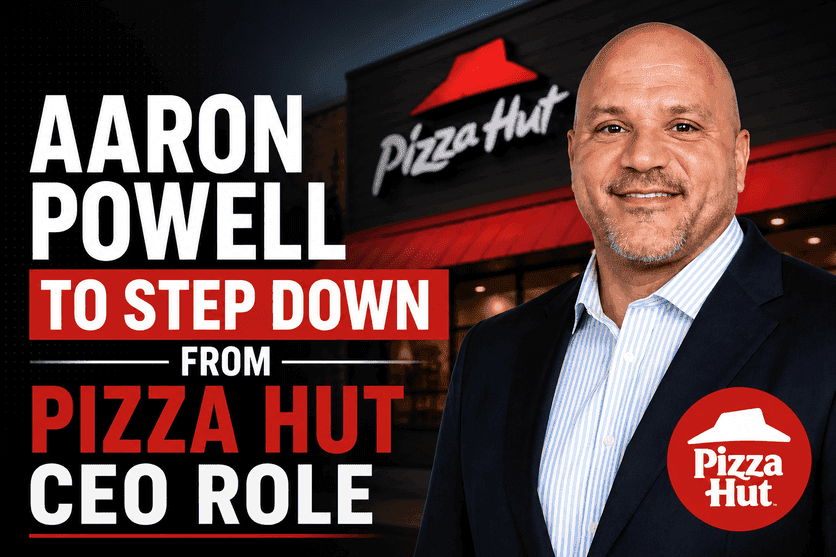
The transition of Pizza Hut's CEO, Aaron Powell, marks a pivotal moment for the chain and offers valuable leadership lessons for restaurant owners. Here’s what this executive change could mean for your business.
Aug 17, 2026
Panera Bread welcomes Andrew Rebhun as its new CMO to spearhead strategic brand growth and transformation, bolstering its vision for 2028.
Aug 17, 2026

Learn how to manage cash flow in your restaurant by tracking finances, controlling costs, forecasting needs, and building cash reserves.
Aug 14, 2026

Increase online orders by simplifying checkout, optimizing menus, improving Google visibility, promoting ordering channels, and encouraging customers to order again.
Aug 12, 2026
Streamline restaurant back office operations by standardizing workflows, automating repetitive tasks, integrating systems, centralizing data, and improving accountability and efficiency.
Aug 12, 2026
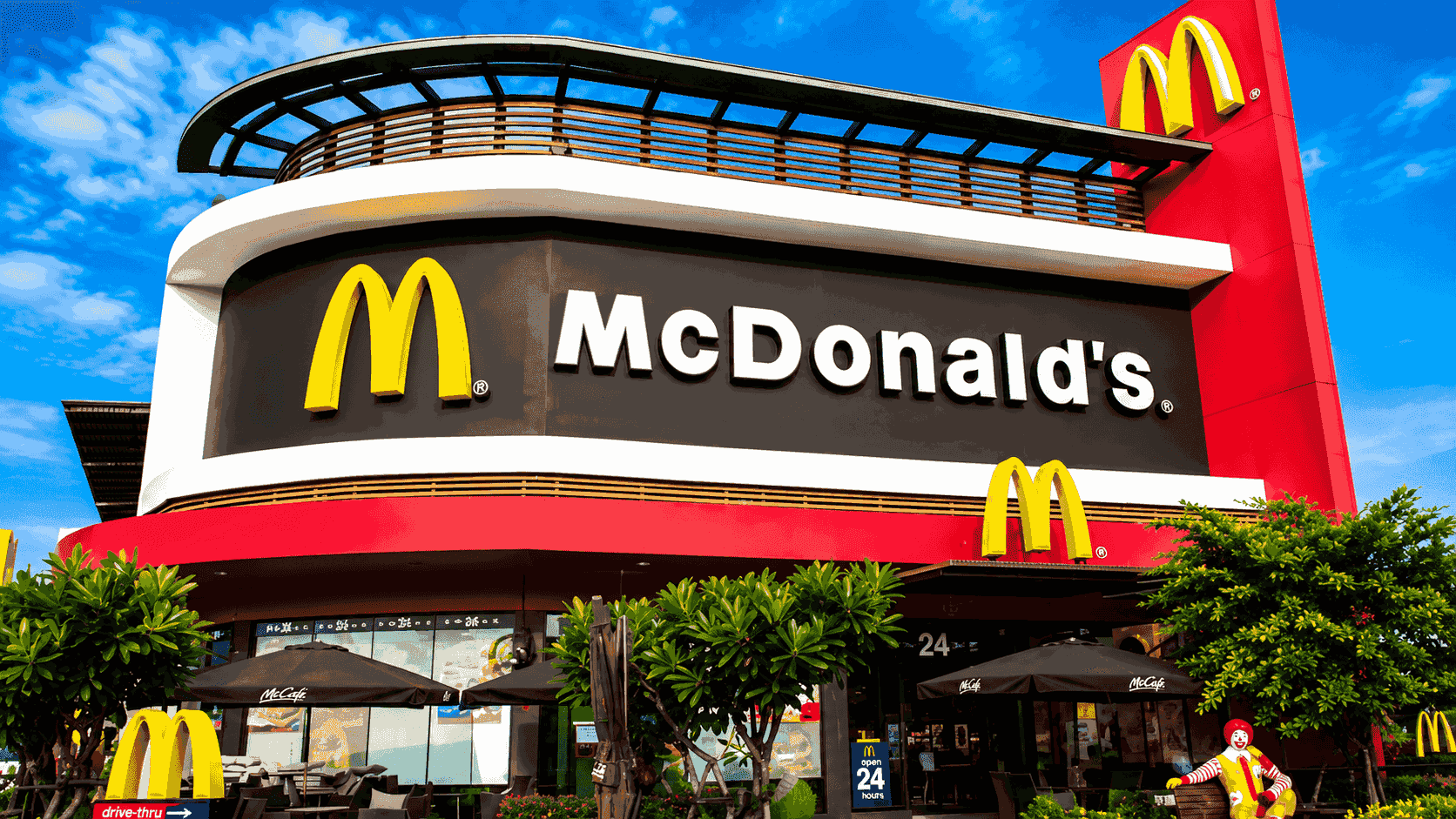
McDonald’s USA has appointed Patrick Gerber as chief restaurant officer, leveraging his decades of global experience to boost operations, food quality, and customer satisfaction in the U.S. market.
Aug 11, 2026
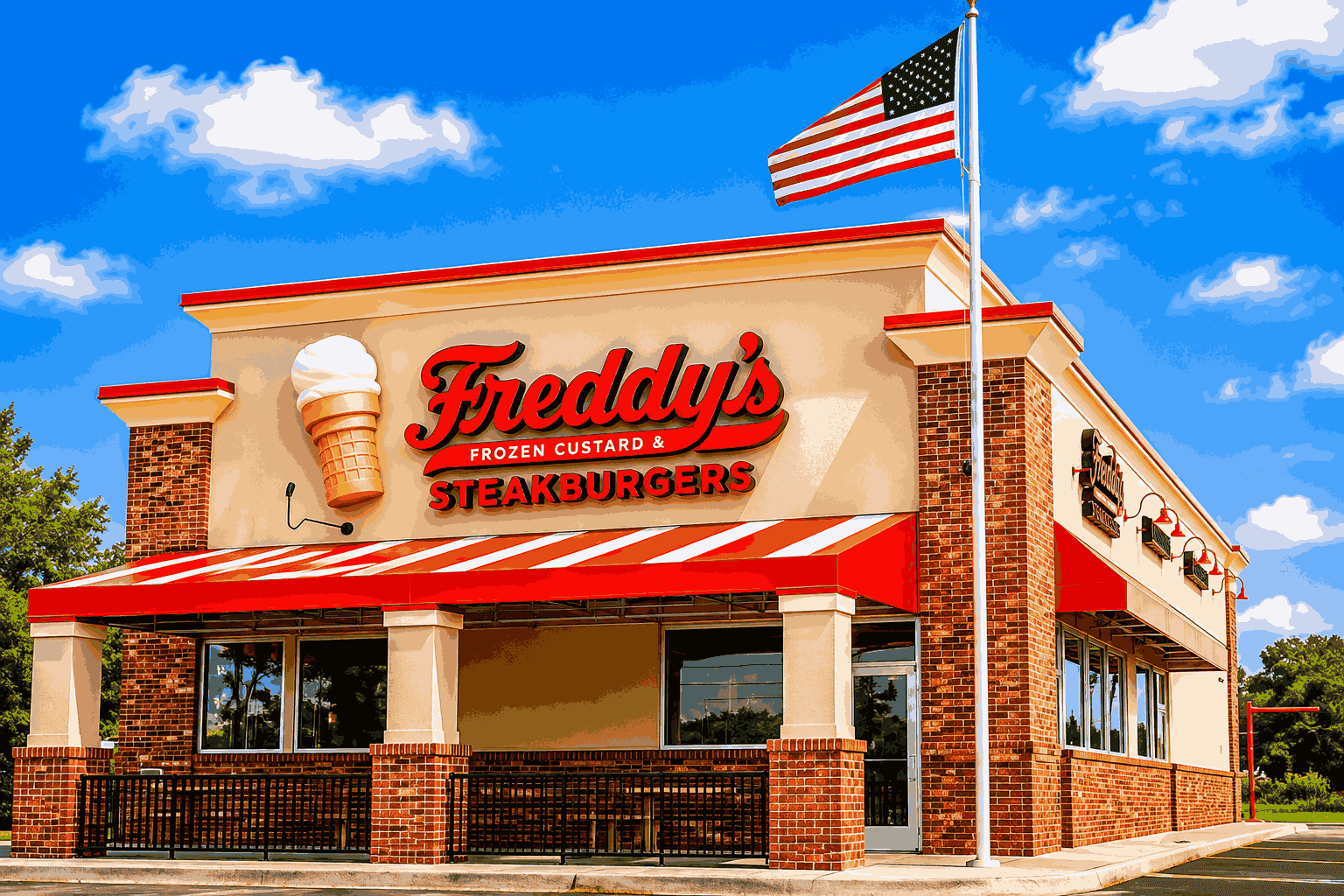
Freddy’s Frozen Custard & Steakburgers promotes Rick Petralia to Executive Chef & VP of Training & Innovation, signaling a strategic focus on culinary excellence and franchisee support.
Aug 12, 2026

Unlock Exclusive Access To Webinars, Events, And The Latest News For Free!
Operators warn enforcement is choking labor and demand. Inside the Dignity Act push, supply-chain risks, and what’s next for restaurants.

Photo by Alex Haney
Restaurants run on labor, timing, and tight math. That math is getting ugly. The National Restaurant Association projects $1.55 trillion in 2026 sales and more than 100,000 new jobs this year, yet operators say enforcement pressure is hiking costs while thinning out dining rooms. The food-away-from-home index rose 3.6 percent year over year in April 2026, pushing checks higher as consumers watch their budgets. When front-of-house and back-of-house staffing wobble under fear and shortages, service slows and tickets stall. The industry can still grow, but only if the labor pipeline holds steady and prices don’t outrun appetite:
Operators describe a double bind: intensified immigration enforcement adds friction to hiring and scheduling, while persistent menu-price pressure thins traffic. Margins stay razor-thin. A higher baseline for wages and inputs runs straight through to the guest check, then collides with wavering demand. That’s not a theoretical risk. It shows up in shortened hours, slower turns, and deferred expansions. Growth on paper is real, but the rate of growth matters. With price increases still in the system and talent in short supply, the line can’t move at full speed without a lawful, dependable workforce that covers prep, service, and cleanup without gaps.
On stage at the National Restaurant Association Show, industry leaders cut to the chase: immigration crackdowns aren’t just social flashpoints; they’re operational hazards. Emily Williams Knight of the Texas Restaurant Association, Aaron Frazier of the National Restaurant Association, and Kevin Vaughan of Vaughan Hospitality Group mapped the damage. The risks move with product and people, from field to pass. Knight put it plainly: “from the plant it, pick it, package, ship it, prepare it. At each point, there is some risk.” Here’s what that looks like on the ground:
- Supply chain disruption: Every link, growing, packing, logistics, kitchen, leans on immigrant labor. Break one link and operators pay more while getting less.
- Depressed community spending: Fear chills patronage in Hispanic neighborhoods, softening sales where regulars usually carry weekday traffic.
- Labor shortages deepen: Thousands of posts go unfilled. Teams run short, menus shrink, and service slows.
That trio drives costs up while nudging guests away. When risk multiplies across touchpoints, the back-of-house takes the first hit, but dining rooms feel it next.
Policy has a path, if Congress takes it. The Dignity Act (H.R. 4393) is the industry’s bipartisan vehicle to steady the labor line. It would streamline a work-visa system, create a legal pathway for Dreamers and temporary protected status holders, and authorize future labor pipelines. The need is clear: 77 percent of operators cite recruiting and retention as a major challenge. Many roles fit under EB-3 visas in the “Other Workers” category. One lever matters for throughput, only principal foreign workers would count toward annual visa caps, with spouses and dependents excluded from that tally.
Applied to daily operations, that framework targets the actual bottleneck: job-specific visas for front-of-house and back-of-house positions that keep service humming. If only primary workers hit the visa caps, more eligible hires can clear the line without being crowded out by family counts. That’s not a silver bullet, but it sets a cleaner lane for lawful staffing across entry-level and mid-skill posts. It also signals to operators that the roles they rely on, hosts, servers, dish, prep, line, can be planned, hired, and retained with fewer surprises built into the calendar.
In Texas, the shortage feels personal. Emily Williams Knight says restaurants are short “tens of thousands of workers,” a gap that stretches the line thin. Some staff are scared to clock in; others can’t. The consequence is simple: fewer hands on the line, fewer tables seated, and less revenue captured. Kevin Vaughan, who immigrated from Ireland and now runs Vaughan Hospitality Group, put the dependence in stark terms, everything from prep to table service leans on immigrant labor. This isn’t a theory fight. It’s about whether teams can open full and stay full through the rush:
“Either they’re afraid to come to work, or they can no longer come to work. That’s going to distract restaurants from being able to work at capacity and generate revenue.” That’s Knight, naming the choke point: capacity. Vaughan’s take sharpens the edge: “We need to make people aware the restaurant industry cannot survive without immigrants.” Put those lines together and the picture is clear. If fear empties shifts and posts go unfilled, dining rooms move from busy to brittle, then to dark, right when menu prices already test what guests will bear.
The Dignity Act sits in congressional gridlock, despite a coalition led by Representative María Elvira Salazar and endorsements from the National Association of Manufacturers. While the bill waits for motion, operators are shifting tactics, grassroots pressure and smart timing. The FIFA World Cup, running June 11–July 19, 2026, turns dining rooms in Kansas City and ten other U.S. host cities into international showcases. Service will be on display for travelers and media, which makes consistency and staffing not just a local concern but a calling card for American hospitality:
With Congress quiet, the industry plans to prove its case in the dining room. A strong run during the tournament highlights what restaurants do best; any stumble underscores the cost of policy inaction. The audience is built in. A global stage offers leverage, operators can showcase service depth while pointing to policy pitfalls that make consistency harder than it should be. That contrast can turn a hospitality moment into legislative momentum if lawmakers are paying attention.
Policy stress lands on an industry already stretched. Forty-two percent of U.S. restaurants reported no profitability in 2025, citing higher food, labor, insurance, and energy costs. Operators are projected to employ 15.7 million people across more than one million outlets, yet real sales growth of just 1.3 percent in 2026 shows how thin the cushion has become. In Texas, fear-driven absenteeism and deportation worries leave thousands of shifts uncovered, shrinking service hours and dampening local spillovers. Unanswered questions persist on timing for the Dignity Act and the direction of enforcement, which makes planning a week, let alone a quarter, feel like guesswork.
Leaders aren’t waiting. The playbook is continuous advocacy: sustained dialogue with lawmakers, sharing localized data on fragile supply chains and spending patterns, and using the World Cup spotlight to make the stakes visible. Knight folds the community case into one number: every dollar spent at a restaurant returns $1.99 to the local economy. Protecting labor stability isn’t just about open kitchens and full sections; it’s about keeping that multiplier alive in the neighborhoods restaurants serve. The ask is straightforward, clear rules, reliable visas, and enough certainty to keep doors open and teams intact.