
Types of Restaurant Ordering Technology
Explore the main types of ordering technology restaurants use to improve accuracy, speed, payments, customer convenience, and operational efficiency daily.
Technology
Aug 17, 2026
Explore the main types of ordering technology restaurants use to improve accuracy, speed, payments, customer convenience, and operational efficiency daily.
Aug 17, 2026

Learn the eight essential steps of the restaurant payroll process, from tracking hours and calculating wages to payments and recordkeeping.
Aug 17, 2026
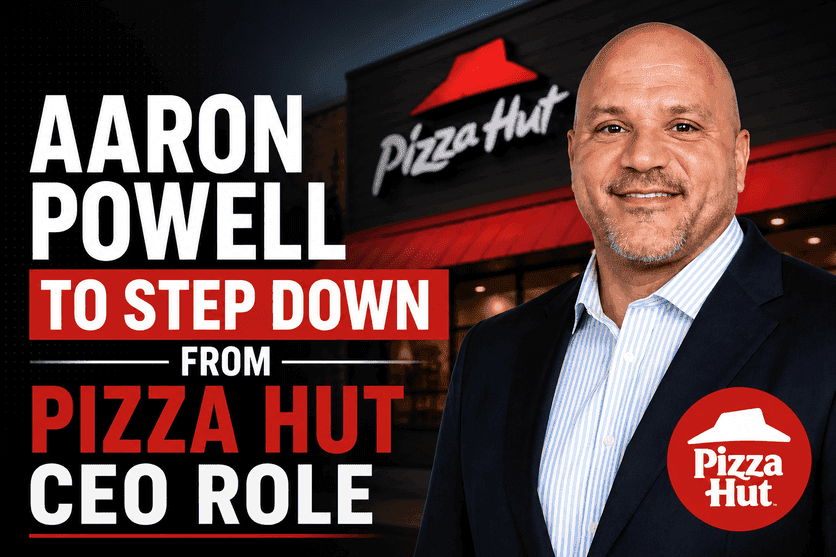
The transition of Pizza Hut's CEO, Aaron Powell, marks a pivotal moment for the chain and offers valuable leadership lessons for restaurant owners. Here’s what this executive change could mean for your business.
Aug 17, 2026

Discover how restaurant SMS marketing works, from building subscriber lists and creating campaigns to improving engagement and measuring marketing performance.
Aug 14, 2026
Panera Bread welcomes Andrew Rebhun as its new CMO to spearhead strategic brand growth and transformation, bolstering its vision for 2028.
Aug 17, 2026

Learn how to manage cash flow in your restaurant by tracking finances, controlling costs, forecasting needs, and building cash reserves.
Aug 14, 2026

Streamline restaurant back office operations by standardizing workflows, automating repetitive tasks, integrating systems, centralizing data, and improving accountability and efficiency.
Aug 12, 2026
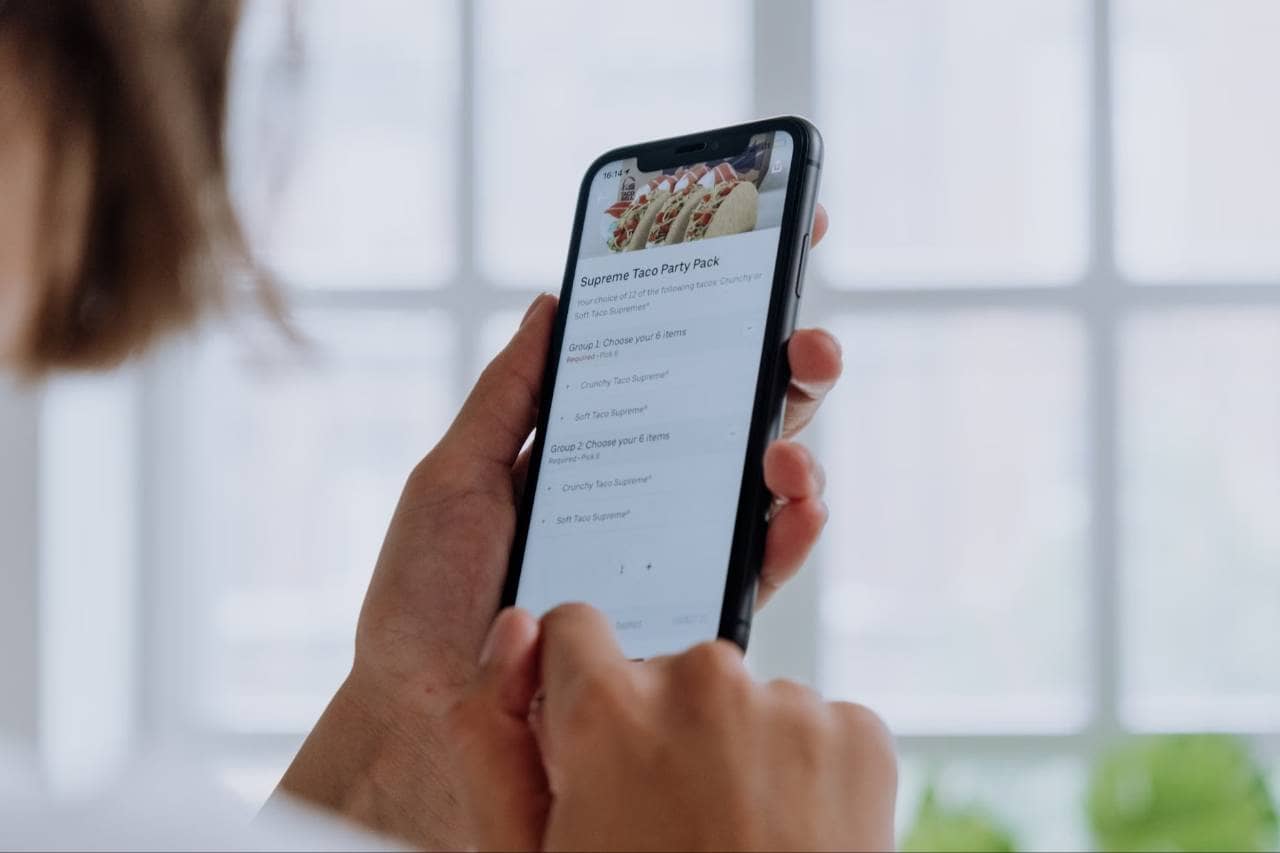
Increase online orders by simplifying checkout, optimizing menus, improving Google visibility, promoting ordering channels, and encouraging customers to order again.
Aug 12, 2026
Freddy’s Frozen Custard & Steakburgers promotes Rick Petralia to Executive Chef & VP of Training & Innovation, signaling a strategic focus on culinary excellence and franchisee support.
Aug 12, 2026
McDonald’s USA has appointed Patrick Gerber as chief restaurant officer, leveraging his decades of global experience to boost operations, food quality, and customer satisfaction in the U.S. market.
Aug 11, 2026

Unlock Exclusive Access To Webinars, Events, And The Latest News For Free!
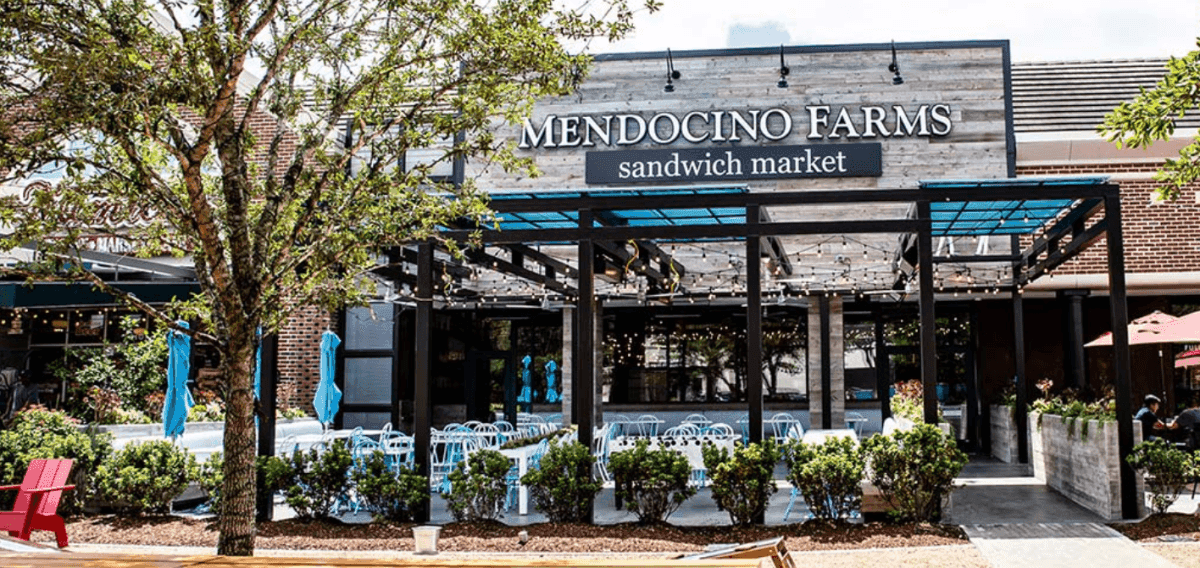
How Mendocino Farms and peers use tiered and pillar frameworks to calm complex vendor stacks, tighten integration, and protect guest experience.
At this year’s Food On Demand Conference, restaurant technology leaders compared notes on the ever-growing stack of systems crowding the line. Rather than chase shiny objects, operators leaned into gentler order: frameworks that put purpose before plugins. From the tiered approach at Mendocino Farms to the pillar plan at Thrive Restaurant Group, the theme was steadiness, turning anxiety into calm, one integration at a time. With a global restaurant technology market pegged at US$6.9 billion in 2026, the question for any café, bakery, or fast casual counter becomes quietly practical: where do you start, and what do you keep?
The industry’s digital quilt keeps expanding. A recent survey from Oracle Restaurants and Studio by Informa TechTarget found 66 percent of leaders run at least four distinct systems; 43 percent operate four to six, while 23 percent juggle seven or more in a single concept. That sprawl brings baggage: data siloes, duplicate workflows, and hidden costs that echo in both guest experience and staff ease. In response, executives are naming their layers, tiering and pillars, to reduce complexity, align vendor partners with what truly matters, and spare teams the fatigue of constant workarounds.
It’s a comforting idea: not less technology, but kinder technology, organized so it works the way the restaurant breathes.
Mendocino Farms offers a soothing, structured start: a tiering model that ranks technology by strategic importance. The team partners with more than 25 vendors yet keeps the center steady by routing all spend through IT, making priorities visible and budgets transparent. In tier one sit the mission-critical anchors: Toast for point-of-sale and Dayforce for human capital management. Tiers two and three hold supportive layers, scheduling, CRM, and emerging AI, stacked only when the foundation is sound. The cadence feels familiar to any operator who prizes mise en place: start with essentials, then garnish with care.
Change management threads through every decision. As Brian Pearson cautioned, “Underestimating the impact to your operations is probably one of the biggest mistakes that leaders can make.” It’s a gentle reminder that adoption is human before it’s technical. Market signals echo the need for tighter seams: about 65 percent of restaurants have integrated POS and payments, yet roughly 47 percent of operators now rank integration and automation as top priorities. The message is consistent and calming, secure your bedrock, then invite new tools in only when they’ll sit neatly with the rest.
Where tiers organize by importance, Thrive Restaurant Group frames by function. Its pillar approach anchors back-of-house platforms, accounting, payroll, the quiet machinery of every day, while reserving brand-facing pillars for customer engagement and concept-specific needs. The structure gives teams a gentle roadmap: protect the core, personalize the edges. In parallel, Mendocino Farms centralized technology spend two years ago, funneling vendor contracts through IT to maintain oversight and reduce noise. The effect is a welcoming kind of predictability: cross-functional teams can weigh tradeoffs without chasing scattered invoices or conflicting timelines.
Governance isn’t just tidy, it’s leverage. Centralized procurement positions operators to negotiate volume discounts, enforce standardized security protocols, and stage rollouts with fewer surprises. The market is leaning the same way: roughly 47 percent of operators emphasize integration and automation over point solutions, signaling a shift toward unified platforms that carry their weight quietly. Thrive’s pillars and Mendocino’s tiers complement each other like back- and front-of-house: one stabilizes the financial and labor backbone, the other prioritizes guest-facing agility, both designed to let the operation breathe with ease.

From the front lines came soft-spoken but firm reminders: the right system is the one that matches your rhythm. Chrissy Oullette urged teams to calibrate vendor selection to exact workflows, because a shiny “best-in-class” can chafe if it doesn’t mirror daily tasks. Francesca Aquino described many stumbles as process, not platform, breakdowns, encouraging operators to chart how work actually moves before layering on new tech. When measurement meets empathy, tools stop feeling like impositions and start behaving like helpful colleagues.
- Fit before flash: Select vendors that map to the real workflow, not just the brochure promise.
- Process first: Document current steps; fix friction before adding software.
- Prove the return: “When we bring on a new tool, it has to support the bottom line,” said Derek Tonn, noting staff buy-in rises with visible gains.
- AI as enabler: Mina Haque framed AI as productivity support, not a replacement for judgment, predicting adoption will widen as operators feel its efficiency lift.
These aren’t hard rules so much as gentle guardrails, turning selection into a conversation that respects the pace of the floor.

The spotlight is shifting inward, toward the quiet efficiencies that shape service. In a 2026 Informa Foodservice Market Leader Report survey, 53 percent of operators prioritized POS upgrades this year, up from 40 percent in 2025. Inventory management rose as a key future focus, and budgets for data management and security climbed to 32 percent from 26 percent. Interest in AI is warming too, only 19 percent remain uninterested, down from 28 percent. With North America holding about 40 percent of a market projected to grow to US$27.05 billion by 2035 at a 16.39 percent CAGR, the arc points to steadier, smarter stacks.
Complexity still lurks. One in five operators named data siloes as their biggest obstacle, and 48 percent said their operating systems aren’t fully integrated, friction that can blur metrics on guest satisfaction, labor efficiency, and revenue lift. To keep the experience welcoming for guests and workable for staff, operators are embracing a few gentle steps:
1. Tier the essentials – Protect core platforms (POS, workforce) and stage add-ons thoughtfully.
2. Define pillars – Separate back-office anchors from brand-specific engagement.
3. Lead with behavior – Map processes, manage change, and prove ROI before scaling.
Looking ahead, advanced AI for demand forecasting and composable architectures promise plug-and-play ease, technology that settles in like a well-worn apron.