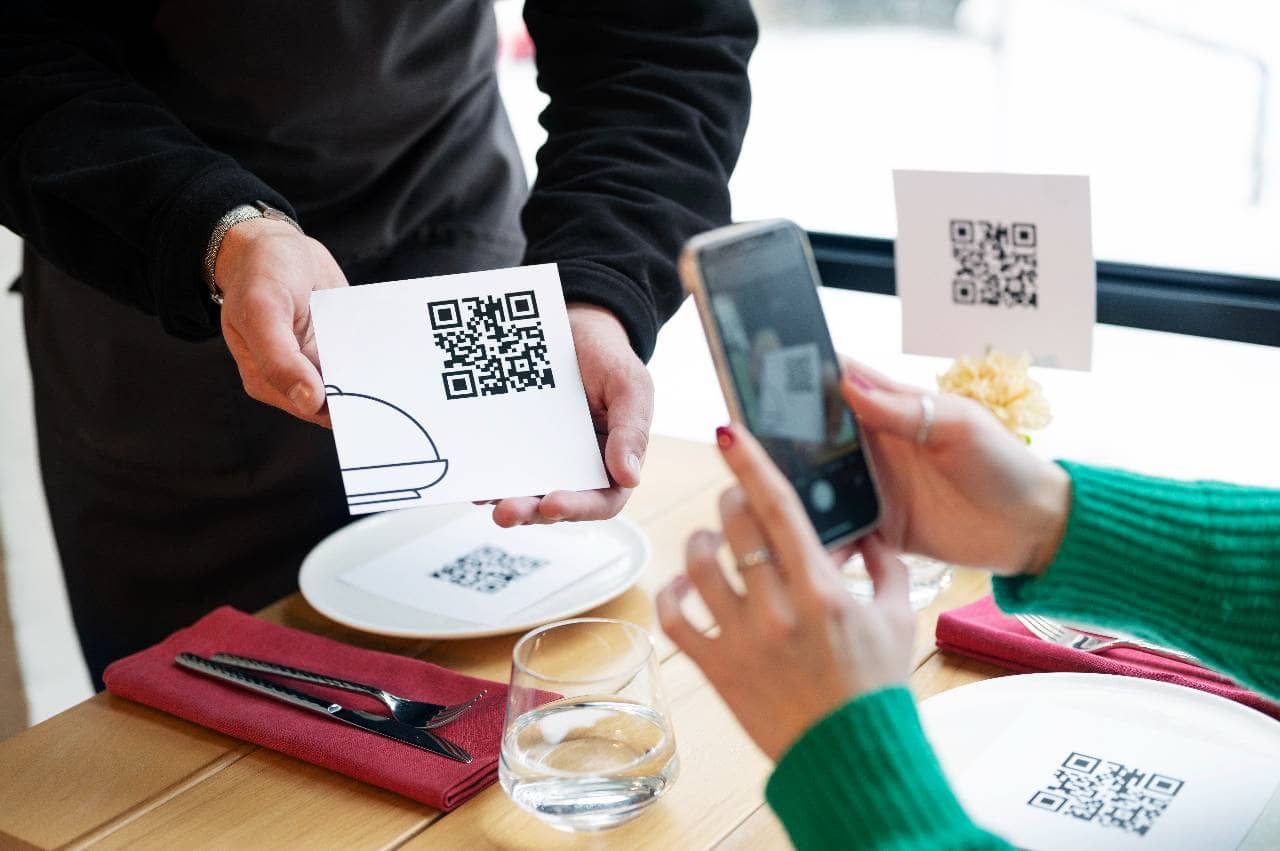
Types of Restaurant Ordering Technology
Explore the main types of ordering technology restaurants use to improve accuracy, speed, payments, customer convenience, and operational efficiency daily.
Technology
Aug 17, 2026
Explore the main types of ordering technology restaurants use to improve accuracy, speed, payments, customer convenience, and operational efficiency daily.
Aug 17, 2026

Learn the eight essential steps of the restaurant payroll process, from tracking hours and calculating wages to payments and recordkeeping.
Aug 17, 2026
Discover how restaurant SMS marketing works, from building subscriber lists and creating campaigns to improving engagement and measuring marketing performance.
Aug 14, 2026
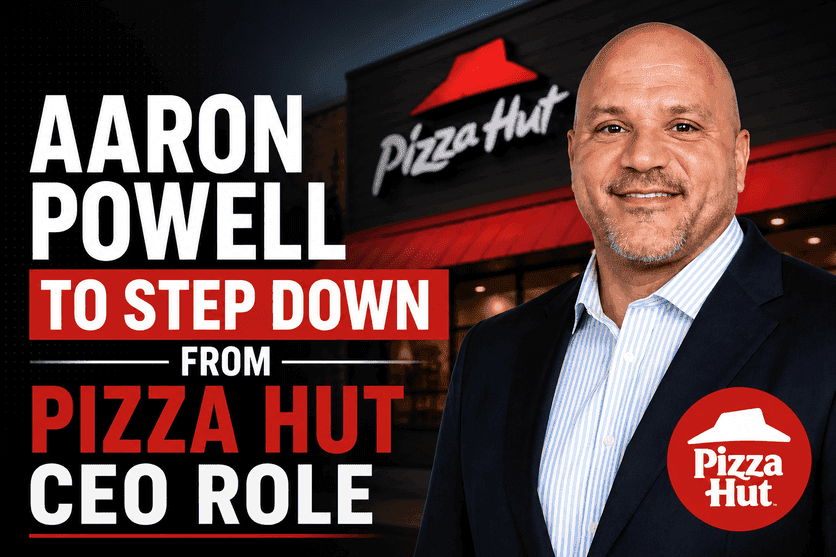
The transition of Pizza Hut's CEO, Aaron Powell, marks a pivotal moment for the chain and offers valuable leadership lessons for restaurant owners. Here’s what this executive change could mean for your business.
Aug 17, 2026
Panera Bread welcomes Andrew Rebhun as its new CMO to spearhead strategic brand growth and transformation, bolstering its vision for 2028.
Aug 17, 2026
Learn how to manage cash flow in your restaurant by tracking finances, controlling costs, forecasting needs, and building cash reserves.
Aug 14, 2026
Increase online orders by simplifying checkout, optimizing menus, improving Google visibility, promoting ordering channels, and encouraging customers to order again.
Aug 12, 2026
Streamline restaurant back office operations by standardizing workflows, automating repetitive tasks, integrating systems, centralizing data, and improving accountability and efficiency.
Aug 12, 2026
McDonald’s USA has appointed Patrick Gerber as chief restaurant officer, leveraging his decades of global experience to boost operations, food quality, and customer satisfaction in the U.S. market.
Aug 11, 2026
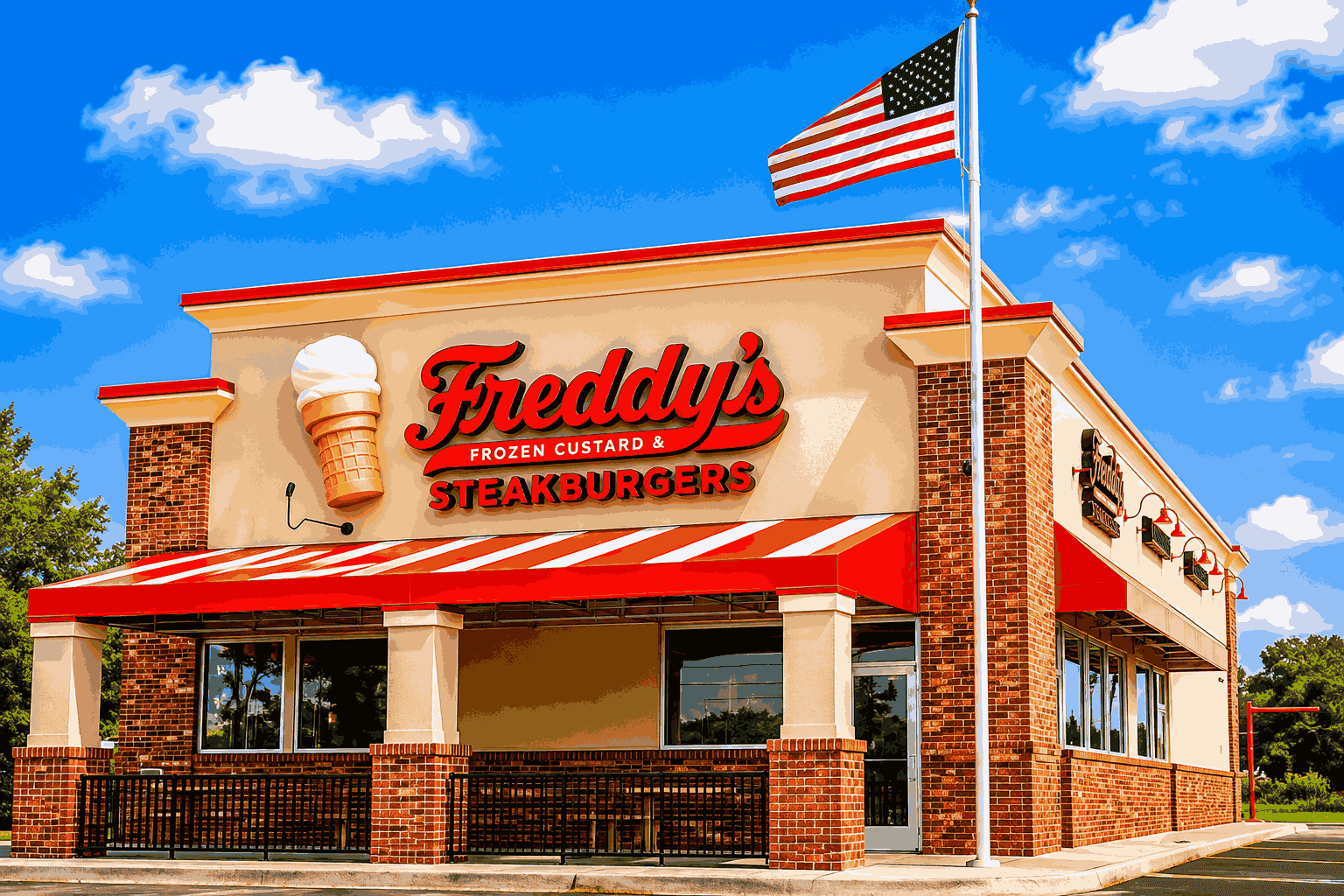
Freddy’s Frozen Custard & Steakburgers promotes Rick Petralia to Executive Chef & VP of Training & Innovation, signaling a strategic focus on culinary excellence and franchisee support.
Aug 12, 2026

Unlock Exclusive Access To Webinars, Events, And The Latest News For Free!
As 30–40% of QSR guests shift to delivery, operators redesign kitchens, reframe drivers as guests, and navigate fees, caps, and refunds in a fast-growing market.

Photo by SpotOn
Across **quick-service restaurants**, guests have quietly rewritten the script. An estimated **30–40 percent** of traditional dine-in traffic first slid to **drive-thrus**, then flowed again, this time to **remote ordering** through partners like **DoorDash** and **Uber Eats**. What began as a safety adaptation has hardened into habit, steering a new, durable lane of demand. The cadence feels different but not dissonant: fast food made even faster, with expectations set by a tap and a timer. The question shaping the next decade is simple and sobering for operators: how do you deliver a balanced, nourishing experience when the plate is a sealed bag and the guest is a moving target?
Signals point to scale, not saturation. Globally, the **online food delivery market** is projected to grow from around **$0.8 trillion in 2025** to **$1.6 trillion by 2030**, reflecting roughly a **15 percent** annual climb. In the United States, revenues reached approximately **$353 billion in 2024** and are expected to surpass **$500 billion by 2029** as meal and grocery segments both build momentum. Industry veterans put it plainly: “delivery isn’t going anywhere anytime soon.” For QSRs, that permanence resets priorities, from menu engineering and packaging to kitchen choreography, so remote orders arrive tasting intentional rather than incidental.
Early restrictions didn’t just close dining rooms; they opened the tap on mobile. Federal and local mandates forced a rethink of service flow, pushing QSRs toward **online ordering** and tighter off-premise systems. That initial pivot set the tone for a second: deeply weaving **third‑party delivery apps** into the core operation. The trade-offs were immediate and unglamorous, absorb new costs or risk ceding the guest relationship to aggregators. The operators who adapted fastest translated counter-service discipline into a thoughtful handoff journey, aiming to preserve brand character even when the guest journey skipped the dining room entirely.
Evidence of the lasting shift is not anecdotal. **Grand View Research** values the global online delivery market at **USD 288.8 billion in 2024**, with a projection to **USD 505.5 billion by 2030**, a **9.4 percent CAGR** from 2025 to 2030, powered by smartphone adoption and changing preferences. That runway explains the integration rush: a seamless app-to-kitchen link is no longer optional; it’s table stakes for reach and relevance. The implication is clear: operations must be engineered for consistency across every channel, so the experience feels considered, not compromised.
Third‑party platforms shape both economics and visibility. Commission rates typically range **20–30 percent** of order value, with **algorithmic ranking** favoring faster fulfillment. In New York City, average merchant fees clocked in at **19.3 percent** of order subtotals in Q1 2024, material pressure that forces precision. Purchasing prominence or stacking discounts can boost placement but risk margin erosion. Operators are answering with layout changes that keep momentum clean and consistent, so a bag moves from cookline to courier without friction. The goal is simple: a pickup experience as balanced and reliable as a well-run drive‑thru, only now the lane is digital:
- Meticulous staging: Orders are assembled and held for immediate handoff, labels aligned, seals intact, temperature held.
- Dedicated pickup paths: Separate windows and **mobile shelving** reduce lobby congestion and confusion.
- Workflow calibration: Staff schedules and station priorities flex to the **delivery load**, reinforcing brand consistency across channels.
These choices aren’t cosmetic. They protect speed, taste memory, and trust, critical ingredients when your first customer is now a driver on a countdown.
Some operators resolved the delivery tension with a cultural pivot: treat couriers as the most important guests. As one seasoned franchisee put it, “I tried to see delivery not as just another ordering channel, but as my most important customer.” That shift unlocked practical moves, complimentary beverages for drivers, loyalty recognition for high‑frequency Dashers, and frontline training that emphasizes respectful, predictable handoffs. The effect is quietly powerful. When drivers feel seen and supported, they choose your pickup first, and your orders leave the shelf complete, on time, and in a way that still feels thoughtful rather than transactional.
The strategist behind this philosophy, **Ryan O’Malley**, brings deep operational roots: starting in 2007 at **Wendy’s of Bowling Green**, advancing through general manager, district manager, and director of operations roles. In 2021 he became a **Wendy’s franchisee** and, with partners, operates **153 locations** across Indiana, Kentucky, West Virginia, Tennessee, and Alabama. He serves on the **Wendy’s Franchise Association** Board and as President of the **Louisville Franchisee DMA**. That breadth shows in the approach: a culture scaled across units where pickup is punctual, the tone is respectful, and the brand shows up consistently, inside and beyond the four walls.
As delivery volumes scaled, policy pressure followed. Cities tested **fee caps** to balance platform power with restaurant viability. Legal skirmishes ensued, but many communities signaled a desire for guardrails. At the same time, refund mechanics grew contentious: restaurants often absorb the cost of customer refunds even when issues stem from couriers or unforeseen logistics. In higher‑risk areas, **fraudulent refund claims** can hit **15–20 percent** of delivery orders, translating to up to **5 percent** of total revenue lost, prompting some operators to employ specialized dispute services. The result is a terrain where margins depend as much on governance and process as on seasoning and speed.
Chicago’s cap
The city imposed a **15 percent** emergency cap in late 2020 and later secured an **$8.5 million** restitution settlement tied to violations.
New York’s court ruling
In **September 2023**, a federal court dismissed challenges to the city’s permanent fee ceiling, reinforcing local authority.
San Francisco’s codified limits
On **May 15, 2026**, the city set a permanent **15 percent** delivery commission cap and **6 percent** marketing fee limit.
Refund disputes
Opaque policies leave operators footing refunds even for courier‑originated issues, spurring investment in dispute processes to recover losses and protect sustainable margins.

Delivery has outgrown novelty. **DoorDash** holds roughly **56 percent** share in the U.S., operating in four countries and supported by **8 million** Dasher accounts and over **31,400 employees** as of 2025. In China, **Meituan Waimai** serves more than **180 million monthly active users**, spanning everything from fast food to groceries. The analogy to online travel agencies is apt: aggregators expand reach while reshaping economics. Yet the path isn’t linear. Algorithmic transparency, labor models, and uneven **fee‑cap regimes** keep operators guessing, even as ghost kitchens, in‑app loyalty bundling, and direct‑to‑consumer tools multiply the choices at hand.
The most grounded strategy treats delivery as hospitality extended, equal parts speed, respect, and repeatability. Every pickup is an encounter with the brand. As one operator advises, “Treat that driver like your most important guest, and they will.” Aligning layouts, workflows, and culture to that standard creates a more balanced system: nourishing for guests, sustainable for operators, and thoughtful for the people bridging the last mile. In a market poised to double again by decade’s end, that discipline becomes the difference between chasing volume and cultivating durable, channel‑agnostic growth.