Types of Restaurant Ordering Technology
Explore the main types of ordering technology restaurants use to improve accuracy, speed, payments, customer convenience, and operational efficiency daily.
Technology
Aug 17, 2026
Explore the main types of ordering technology restaurants use to improve accuracy, speed, payments, customer convenience, and operational efficiency daily.
Aug 17, 2026

Learn the eight essential steps of the restaurant payroll process, from tracking hours and calculating wages to payments and recordkeeping.
Aug 17, 2026
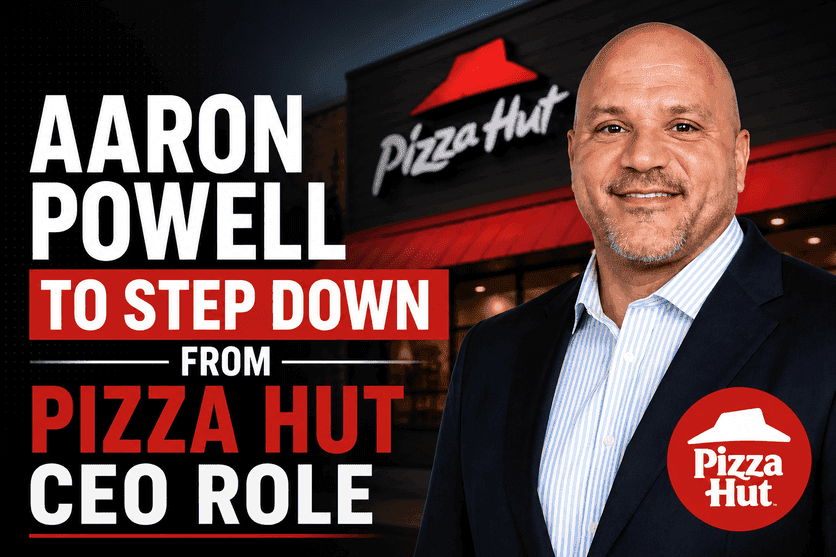
The transition of Pizza Hut's CEO, Aaron Powell, marks a pivotal moment for the chain and offers valuable leadership lessons for restaurant owners. Here’s what this executive change could mean for your business.
Aug 17, 2026

Discover how restaurant SMS marketing works, from building subscriber lists and creating campaigns to improving engagement and measuring marketing performance.
Aug 14, 2026
Panera Bread welcomes Andrew Rebhun as its new CMO to spearhead strategic brand growth and transformation, bolstering its vision for 2028.
Aug 17, 2026
Learn how to manage cash flow in your restaurant by tracking finances, controlling costs, forecasting needs, and building cash reserves.
Aug 14, 2026
Streamline restaurant back office operations by standardizing workflows, automating repetitive tasks, integrating systems, centralizing data, and improving accountability and efficiency.
Aug 12, 2026
Increase online orders by simplifying checkout, optimizing menus, improving Google visibility, promoting ordering channels, and encouraging customers to order again.
Aug 12, 2026
Freddy’s Frozen Custard & Steakburgers promotes Rick Petralia to Executive Chef & VP of Training & Innovation, signaling a strategic focus on culinary excellence and franchisee support.
Aug 12, 2026
McDonald’s USA has appointed Patrick Gerber as chief restaurant officer, leveraging his decades of global experience to boost operations, food quality, and customer satisfaction in the U.S. market.
Aug 11, 2026

Unlock Exclusive Access To Webinars, Events, And The Latest News For Free!
Running out of menu items mid-service costs you sales and damages guest trust. Discover how poor inventory visibility leads to restaurant stockouts and what to do about it.
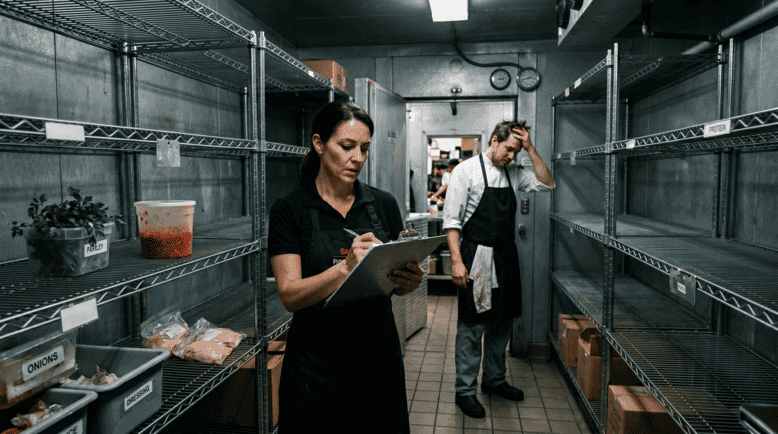
Picture this. It is the middle of a Friday dinner service. The kitchen is moving fast. A server puts in a ticket for one of your top-selling dishes and the line cook turns around to grab the main ingredient. It is not there. You are out. No one knew. Now you are telling your server to go back to the table and explain that the item is not available. The customer is disappointed. Maybe they order something less expensive. Maybe they leave entirely. Either way, you just lost a sale and some goodwill, and it was entirely preventable. This scenario plays out in restaurants everywhere, every week. And the cause is almost always the same - no real-time restaurant inventory visibility into what is actually on hand.
Most restaurants still manage inventory in snapshots. Someone does a count at the beginning of the week or at the end of a shift, logs the numbers in a spreadsheet or a notebook, and that becomes the reference point for the days ahead. The problem is that between those snapshots, inventory is moving constantly. Items are being used, prepped, portioned, and in some cases wasted or lost. By the time you check the count again, the picture has already changed significantly. Running a kitchen on snapshot inventory is like driving a car while only looking at the road every few seconds. Most of the time you will be fine, but eventually the gap between what you think is happening and what is actually happening will cost you.
Stockouts are the most obvious consequence of poor inventory tracking. When you do not have a current picture of your stock levels, items run out without warning. You find out not when you check your records, but when someone reaches for something that is not there. But the problems run deeper than stockouts. Poor restaurant inventory visibility creates a cascade of operational and financial issues -
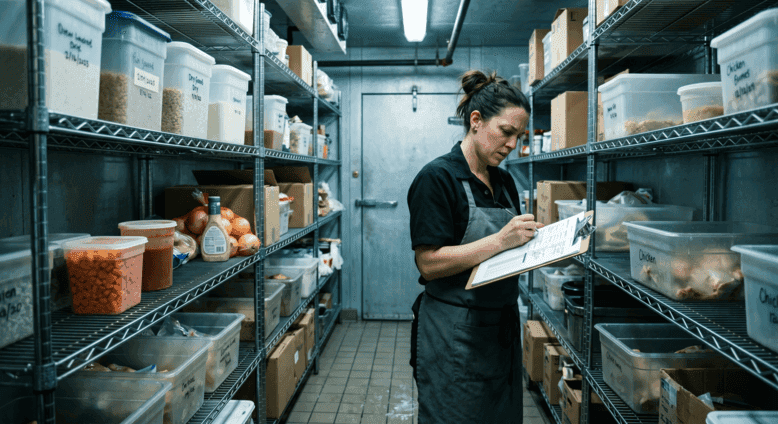
In many restaurants, inventory decisions are made by experienced managers who have a general sense of what is on hand based on memory and observation. This works until it does not. Memory is imperfect. Shifts change. Communication gaps happen. One manager thinks a product was restocked. Another assumes it was used. The result is gaps, duplicate orders, and unwelcome surprises. Signs that your restaurant is operating on guesswork rather than data include -
Getting real-time restaurant inventory visibility does not necessarily mean a complete technology overhaul overnight. It starts with building practices that keep your counts current and accessible. High-movement items should be tracked more frequently than once a week. If you go through a case of a key ingredient every day or two, a weekly count is not giving you useful information for daily purchasing and prep decisions. Steps to improve inventory visibility in your kitchen include -
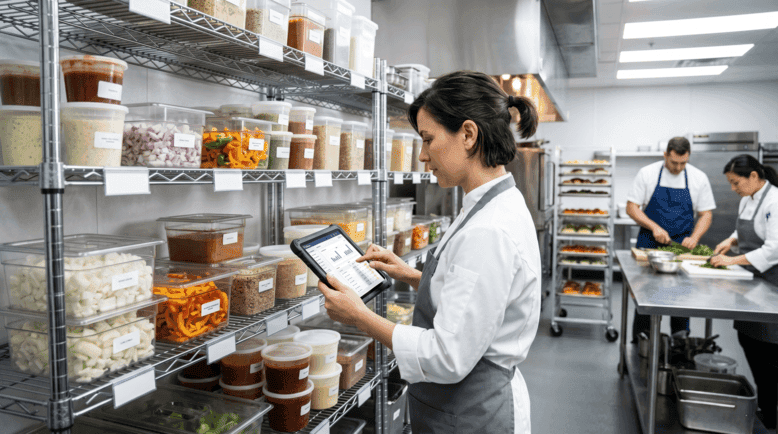
Real-time restaurant inventory visibility is not just about avoiding the embarrassment of an 86'd item. It is a direct driver of profitability. When you know what you have, you order what you need. When you order what you need, you reduce waste. When you reduce waste, your food cost percentage drops. Running out of product mid-service is a symptom of a visibility problem. The fix is not to order more. It is to see more, in real time, so that the decision to reorder happens at the right moment rather than after the shortage is already affecting your guests and your bottom line.