
Types of Restaurant Ordering Technology
Explore the main types of ordering technology restaurants use to improve accuracy, speed, payments, customer convenience, and operational efficiency daily.
Technology
Aug 17, 2026
Explore the main types of ordering technology restaurants use to improve accuracy, speed, payments, customer convenience, and operational efficiency daily.
Aug 17, 2026

Learn the eight essential steps of the restaurant payroll process, from tracking hours and calculating wages to payments and recordkeeping.
Aug 17, 2026
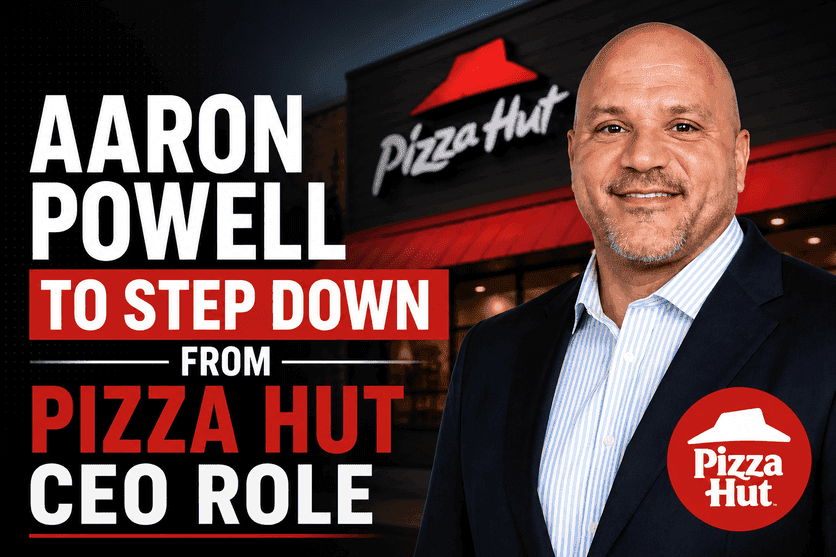
The transition of Pizza Hut's CEO, Aaron Powell, marks a pivotal moment for the chain and offers valuable leadership lessons for restaurant owners. Here’s what this executive change could mean for your business.
Aug 17, 2026

Discover how restaurant SMS marketing works, from building subscriber lists and creating campaigns to improving engagement and measuring marketing performance.
Aug 14, 2026
Panera Bread welcomes Andrew Rebhun as its new CMO to spearhead strategic brand growth and transformation, bolstering its vision for 2028.
Aug 17, 2026

Learn how to manage cash flow in your restaurant by tracking finances, controlling costs, forecasting needs, and building cash reserves.
Aug 14, 2026

Streamline restaurant back office operations by standardizing workflows, automating repetitive tasks, integrating systems, centralizing data, and improving accountability and efficiency.
Aug 12, 2026

Increase online orders by simplifying checkout, optimizing menus, improving Google visibility, promoting ordering channels, and encouraging customers to order again.
Aug 12, 2026
Freddy’s Frozen Custard & Steakburgers promotes Rick Petralia to Executive Chef & VP of Training & Innovation, signaling a strategic focus on culinary excellence and franchisee support.
Aug 12, 2026
McDonald’s USA has appointed Patrick Gerber as chief restaurant officer, leveraging his decades of global experience to boost operations, food quality, and customer satisfaction in the U.S. market.
Aug 11, 2026

Unlock Exclusive Access To Webinars, Events, And The Latest News For Free!
This article highlights the best areas in Florida for restaurants by comparing tourism, growth, costs, customer demand, and concept fit.
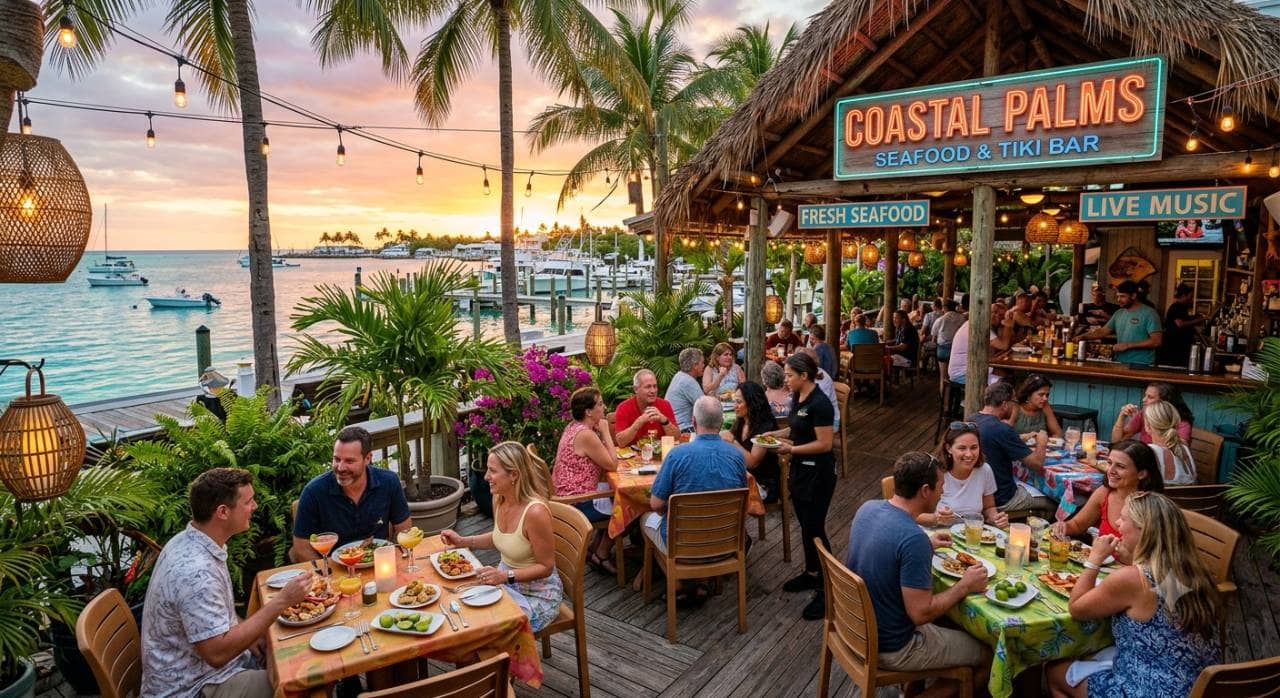
Florida remains one of the strongest states to consider for opening a restaurant in 2026 because demand comes from multiple customer groups at the same time. Restaurant owners are not relying on one type of traffic. The state has year-round residents, domestic tourists, international visitors, retirees, students, families, business travelers, seasonal residents, and high-income vacation markets. That creates opportunity for many restaurant concepts, from fast casual and breakfast spots to seafood, Latin cuisine, coffee shops, family dining, and upscale restaurants. The demand is also supported by strong tourism. Florida welcomed 143.3 million visitors in 2025, making it another record year for the state's travel economy. For restaurant owners, that matters because visitors create demand for convenience, recognizable food, group dining, late-night meals, hotel-area restaurants, beach concepts, and destination dining. Population growth is another major factor. Florida's population reached about 23.46 million people in 2025, up from about 23.27 million in 2024, according to Federal Reserve data sourced from the U.S. Census Bureau. More residents can mean more repeat customers, more delivery demand, more weekday traffic, and stronger suburban restaurant opportunities. However, strong demand does not automatically make every Florida location a good restaurant location. Owners still need to be careful. Tourist-heavy areas may produce high sales but also bring higher rent, labor challenges, seasonality, and intense competition. Growing suburbs may offer more stable repeat business, but they require strong local marketing and a concept that fits the neighborhood. Dense urban markets may support higher check averages, but they can also come with higher operating costs and tighter margins. The best approach is to treat Florida as several different restaurant markets, not one single market. Orlando is different from Miami. Tampa is different from Naples. A beach town is different from a master-planned suburb. Before signing a lease, owners should compare population trends, tourism traffic, household income, labor access, parking, rent, competition, and customer behavior. The strongest Florida market is not always the busiest one. It is the one where the restaurant's concept, price point, and operating model match the local demand.
Orlando and Central Florida are among the strongest restaurant markets in Florida for owners who want access to tourism, family dining demand, convention traffic, suburban growth, and high-volume sales opportunities. The area attracts visitors for theme parks, hotels, resorts, sports events, conferences, entertainment districts, shopping, and vacation rentals. For restaurant owners, this creates opportunities for fast casual, breakfast, brunch, pizza, coffee shops, dessert concepts, Latin food, family dining, quick-service restaurants, and delivery-friendly brands. Tourism is the biggest demand driver. Orlando welcomed 75.3 million visitors in 2024, remaining one of the most visited destinations in the United States. Central Florida's tourism industry also generated $94.5 billion in economic impact in 2024, showing how much visitor activity supports hotels, restaurants, attractions, transportation, retail, and local employment. For restaurant owners, that means the market has a large customer base beyond local residents. However, owners should be careful not to judge Orlando only by tourist volume. A location near theme parks, hotels, or major entertainment corridors may generate strong traffic, but it may also come with higher rent, heavier competition, more seasonal swings, and stronger staffing pressure. A restaurant in a growing suburb such as Winter Garden, Lake Nona, Clermont, Kissimmee, Sanford, or Lakeland may offer steadier local demand, even if it does not have the same visitor traffic as the tourism corridor. Owners should evaluate Orlando and Central Florida in three ways - 1. Tourist-driven demand - Areas near hotels, attractions, convention centers, and entertainment districts can support high sales volume. Owners need strong speed of service, menu consistency, inventory planning, and labor scheduling to handle rush periods. 2. Residential growth - Central Florida continues to expand beyond Orlando. Growing suburbs can be strong for family dining, coffee, fast casual, pizza, and takeout because repeat customers matter more than one-time visitors. 3. Concept fit - Not every concept belongs near the attractions. Tourist areas may reward convenience and recognizable menus, while local neighborhoods may support more community-driven restaurants, brunch spots, cafes, and neighborhood dining. Orlando and Central Florida can be a strong fit for restaurants built around volume, convenience, and family-friendly experiences. But owners must understand whether they are building for tourists, residents, or both before signing a lease.
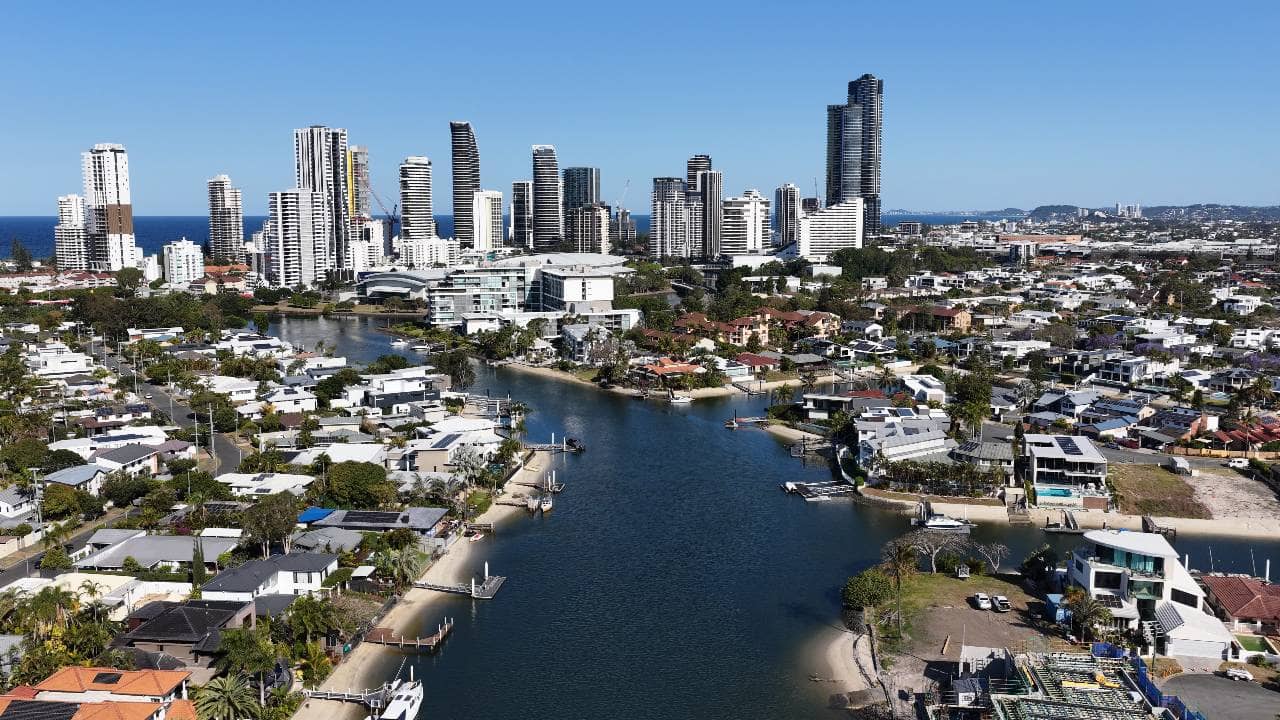
Tampa Bay is one of the strongest Florida markets for restaurant owners who want a balanced mix of local residents, tourism, business activity, beach traffic, nightlife, and suburban growth. Unlike markets that depend heavily on one demand driver, Tampa Bay gives owners several customer bases to serve. The region includes Tampa, St. Petersburg, Clearwater, Wesley Chapel, Brandon, Riverview, Sarasota, and Bradenton, each with different restaurant opportunities. Tourism is a major part of the market. In 2024, visitors spent about $6.0 billion in Hillsborough County, creating roughly $9.4 billion in total economic impact. Pinellas County, which includes St. Petersburg and Clearwater, welcomed more than 15.4 million visitors in fiscal year 2024 and generated more than $11.2 billion in economic impact. For restaurant owners, this means demand is not limited to local households. Visitors are also spending money on food, drinks, entertainment, beaches, hotels, events, and downtown experiences. However, Tampa Bay should not be evaluated as one single restaurant market. A restaurant in downtown Tampa will operate differently than one in St. Petersburg, Clearwater Beach, Wesley Chapel, or Sarasota. Downtown areas may offer stronger lunch, happy hour, nightlife, and event traffic. Beach areas may produce strong seasonal sales but face higher rent and staffing pressure. Suburban growth areas may offer more stable family dining and repeat-customer demand. Owners should evaluate Tampa Bay in three ways - 1. Local versus visitor demand - Tampa, St. Petersburg, and Clearwater can attract both residents and visitors. Restaurants that serve locals during the week and visitors on weekends can build a more stable revenue base. 2. Suburban growth - Areas like Wesley Chapel, Riverview, Brandon, and parts of Pasco and Manatee counties can be strong for family dining, fast casual, coffee, pizza, takeout, and neighborhood restaurants. These areas may not have the same tourist traffic, but they can create dependable repeat business. 3. Lifestyle fit - Tampa Bay supports restaurants built around sports, beaches, nightlife, brunch, seafood, coffee, health-conscious dining, and casual social experiences. Owners should match the concept to how customers live, commute, relax, and spend. Tampa Bay can be a strong fit for restaurant owners who want more than seasonal tourism. But success depends on choosing the right pocket of the market. A beach restaurant, downtown bar, suburban family restaurant, and neighborhood cafe all need different sales forecasts, labor plans, menu strategies, and lease expectations.
South Florida is one of the strongest restaurant markets in Florida for owners who want access to dense population, tourism, international visitors, high-spend dining, nightlife, Latin cuisine, beach traffic, and delivery demand. The region includes Miami, Miami Beach, Coral Gables, Doral, Hialeah, Fort Lauderdale, Boca Raton, Delray Beach, and West Palm Beach. Each area has a different customer profile, but the overall market is built around volume, culture, convenience, and experience. Tourism is a major demand driver. Miami-Dade County attracted more than 28 million visitors in 2024, with visitors spending about $22 billion in the destination. Greater Fort Lauderdale also remains a major travel market, welcoming more than 20.9 million travelers in 2025. Palm Beach County reached more than 10.7 million visitors in 2025, with preliminary visitor spending estimated at $7.7 billion. For restaurant owners, these numbers matter because visitors create demand for hotel-area dining, seafood, brunch, cocktails, late-night food, premium experiences, and convenient takeout. However, South Florida is not an easy market just because demand is high. Owners need to be realistic about cost. Rent, labor, insurance, build-out expenses, marketing, and competition can be much higher than in smaller Florida markets. A restaurant in Miami Beach, Brickell, Wynwood, Fort Lauderdale Beach, Boca Raton, or Palm Beach may have strong sales potential, but it also needs tighter margins, stronger service, and clearer positioning. Owners should evaluate South Florida in three ways - 1. Customer density - Dense neighborhoods can support delivery, takeout, coffee, fast casual, late-night food, and frequent repeat visits. Owners should study residential density, office traffic, hotel rooms, and walkability before choosing a site. 2. Cultural and menu fit - South Florida is especially strong for Latin cuisine, seafood, coffee, bakeries, brunch, wellness-focused concepts, nightlife, and upscale dining. The concept must match the local neighborhood, not just the broader region. 3. Cost control - High sales do not guarantee profit. Owners need accurate food cost targets, labor forecasting, rent-to-sales projections, and menu pricing before committing to an expensive lease. South Florida can be a strong fit for restaurants built around culture, speed, hospitality, and high customer volume. But owners should not enter the market with a generic concept. The restaurant needs a clear audience, strong operations, and a financial model that can survive high competition and high costs.
Jacksonville and Northeast Florida can be strong restaurant markets for owners who want access to residential growth, family demand, beach communities, historic tourism, and a lower dependence on theme-park traffic. This region includes Jacksonville, St. Augustine, St. Johns County, Nocatee, Ponte Vedra, Fleming Island, Fernandina Beach, and Palm Coast. For restaurant owners, the opportunity is different from Orlando or Miami. Northeast Florida is less about one concentrated tourism corridor and more about neighborhoods, commuters, families, coastal visitors, and growing suburban communities. Jacksonville has meaningful visitor demand. In 2024, the city welcomed more than 8 million visitors, generating an estimated $7.4 billion in economic impact for the local economy. That visitor activity supports demand for restaurants near downtown, beaches, hotels, sports venues, entertainment areas, and business districts. At the same time, Jacksonville's large geographic footprint gives owners opportunities in neighborhood dining, fast casual, coffee, pizza, barbecue, seafood, and takeout-friendly concepts. St. Johns County is another major growth driver. The county's population reached about 346,328 in 2025, up from about 334,928 in 2024. It has also grown significantly since 2020, making it attractive for restaurants that depend on repeat local customers, family dining, school-area traffic, and suburban spending. Areas like Nocatee, Ponte Vedra, and St. Augustine can be especially attractive for concepts built around families, brunch, coffee, casual dining, health-focused food, and polished neighborhood restaurants. However, owners should not assume every growing area is automatically ready for another restaurant. New housing does not always equal immediate restaurant demand. Some growth corridors may still lack daily foot traffic, strong visibility, or enough lunch and dinner volume to support a full-service operation. Owners should evaluate Northeast Florida in three ways - 1. Residential growth - Fast-growing suburbs can support repeat business, but owners should study household income, school zones, traffic counts, and nearby retail anchors before choosing a site. 2. Tourism and coastal demand - St. Augustine, Ponte Vedra, Amelia Island, and Jacksonville Beach can bring visitor traffic, but owners need to plan for seasonality, parking, competition, and weekend-heavy demand. 3. Neighborhood fit - Northeast Florida works well for restaurants that become part of the local routine. Family dining, coffee shops, fast casual, pizza, seafood, and casual upscale concepts often need strong community connection, not just visibility. Jacksonville and Northeast Florida can be a strong fit for restaurant owners who want growth, local repeat traffic, and coastal opportunity. But the best locations are the ones where population growth, traffic patterns, concept fit, and operating costs all support the same business model.

Southwest Florida is a strong restaurant market for owners who want access to retirees, seasonal residents, beach visitors, affluent households, and growing residential communities. The region includes Naples, Fort Myers, Bonita Springs, Estero, Cape Coral, Venice, North Port, Punta Gorda, and Sarasota-adjacent markets. For restaurant owners, the opportunity is not only tourism. It is the combination of visitors, retirees, second-home owners, year-round residents, and lifestyle-driven diners who spend on seafood, breakfast, brunch, coffee, casual dining, wine bars, health-conscious menus, and polished full-service restaurants. Tourism is a major demand driver. In 2024, visitors to the Fort Myers area spent about $3.1 billion, creating nearly $5.0 billion in total economic impact. Restaurant spending alone accounted for about $812.9 million of visitor expenditures. Sarasota County also reported 2.7 million visitors in FY2025, with visitors spending more than $2.3 billion in direct expenditures and generating $3.6 billion in total economic impact. For restaurant owners, this shows that Southwest Florida's dining demand is tied closely to lodging, beaches, seasonal travel, events, shopping, and leisure activity. However, owners should be careful with seasonality. A restaurant in Naples, Fort Myers Beach, Sanibel, Sarasota, Venice, or Bonita Springs may perform very well during winter travel months, holidays, and peak visitor periods. But slower months can expose weak cash flow, overstaffing, high rent, and menu pricing problems. A restaurant that looks profitable in February may need a different operating plan in August. Owners should evaluate Southwest Florida in three ways - 1. Seasonal revenue swings - Owners should forecast sales by month, not just by year. Staffing, inventory, prep levels, and marketing should adjust between peak season and slower months. 2. Retiree and resident demand - Retiree-heavy and residential markets can support breakfast, early dinner, casual dining, comfort food, seafood, coffee, and health-focused menus. Repeat customers matter as much as visitor traffic. 3. Growth corridors - Southwest Florida's regional population is estimated at about 1.5 million and has increased 9.5% since 2020. Growing areas like Cape Coral, Estero, North Port, and parts of Lee and Sarasota counties can support neighborhood restaurants if traffic, visibility, and household income align. Southwest Florida can be a strong fit for restaurants built around hospitality, consistency, lifestyle, and repeat visits. But owners need to plan around seasonality, higher expectations, and monthly cash flow before choosing a location.
College towns, retirement markets, and secondary cities can be strong Florida restaurant opportunities for owners who want demand without the same rent pressure, competition, and operating intensity found in Miami, Orlando, or Tampa. These markets include Gainesville, Tallahassee, Ocala, The Villages, Daytona Beach, Melbourne, Vero Beach, Port St. Lucie, and Pensacola. For restaurant owners, the opportunity is often more focused- serve a clear local customer base, control costs, and become part of the community's daily routine. College towns can create steady demand for fast casual, pizza, coffee, burgers, bowls, late-night food, delivery, breakfast, and affordable group dining. Gainesville benefits from the University of Florida, while Tallahassee benefits from Florida State University, Florida A&M University, state government, events, and student traffic. Gainesville's Alachua County tourism activity generated $766.3 million in economic impact in 2024, while Leon County had 2.62 million visitors in FY2025 and nearly $898.8 million in visitor direct expenditures. For owners, that means these cities are not only college markets. They also have event, sports, government, lodging, and visitor-driven demand. Retirement markets are different. Areas such as The Villages, Ocala, Venice, and parts of Central and Southwest Florida can support breakfast, early dinner, casual dining, comfort food, seafood, coffee, bakeries, and health-conscious menus. The Villages is especially age-driven, with more than 85% of residents age 65 or older. This can create predictable dining patterns, but owners must design around convenience, service, accessibility, parking, portion size, menu clarity, and consistent hospitality. Secondary cities can also work well when the concept fits local habits. Daytona Beach and Volusia County, for example, generated $5.5 billion in total visitor economic impact in 2024, supported by beaches, racing, events, and leisure travel. Markets like Melbourne, Vero Beach, Port St. Lucie, and Pensacola may offer opportunities for neighborhood restaurants, seafood, coffee shops, casual dining, and takeout-friendly concepts without the same level of big-city competition. Owners should evaluate these markets in three ways - 1. Customer rhythm - College towns may peak around semesters, sports, weekends, and late nights. Retirement markets may lean toward breakfast, lunch, early dinner, and weekday consistency. Secondary cities may depend on local routines, beach traffic, events, or commuter patterns. 2. Price sensitivity - Not every Florida market can support the same menu pricing. Student-heavy areas may need affordable, high-volume items. Retirement and coastal markets may support higher check averages if service, comfort, and quality are strong. 3. Repeat business potential - These markets often reward restaurants that become part of the local routine. Owners should focus on consistency, loyalty, community visibility, delivery radius, and guest retention instead of relying only on one-time visitors. College towns, retirement markets, and secondary cities can be a strong fit for owners who want more manageable costs and a clearer local audience. But the concept must match the area's daily behavior. A restaurant built for late-night students will operate very differently than one built for retirees, beach visitors, or growing residential neighborhoods.
