
Types of Restaurant Ordering Technology
Explore the main types of ordering technology restaurants use to improve accuracy, speed, payments, customer convenience, and operational efficiency daily.
Technology
Aug 17, 2026
Explore the main types of ordering technology restaurants use to improve accuracy, speed, payments, customer convenience, and operational efficiency daily.
Aug 17, 2026

Learn the eight essential steps of the restaurant payroll process, from tracking hours and calculating wages to payments and recordkeeping.
Aug 17, 2026

Discover how restaurant SMS marketing works, from building subscriber lists and creating campaigns to improving engagement and measuring marketing performance.
Aug 14, 2026
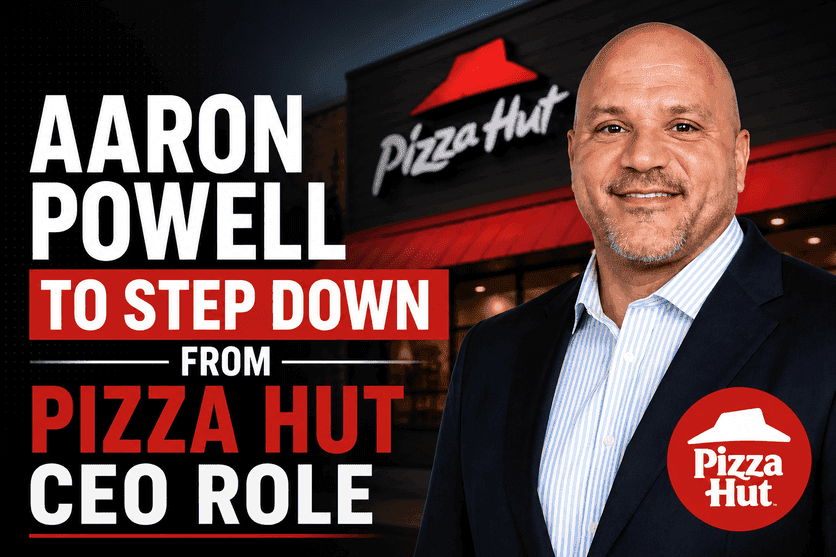
The transition of Pizza Hut's CEO, Aaron Powell, marks a pivotal moment for the chain and offers valuable leadership lessons for restaurant owners. Here’s what this executive change could mean for your business.
Aug 17, 2026

Panera Bread welcomes Andrew Rebhun as its new CMO to spearhead strategic brand growth and transformation, bolstering its vision for 2028.
Aug 17, 2026

Learn how to manage cash flow in your restaurant by tracking finances, controlling costs, forecasting needs, and building cash reserves.
Aug 14, 2026

Streamline restaurant back office operations by standardizing workflows, automating repetitive tasks, integrating systems, centralizing data, and improving accountability and efficiency.
Aug 12, 2026

Increase online orders by simplifying checkout, optimizing menus, improving Google visibility, promoting ordering channels, and encouraging customers to order again.
Aug 12, 2026
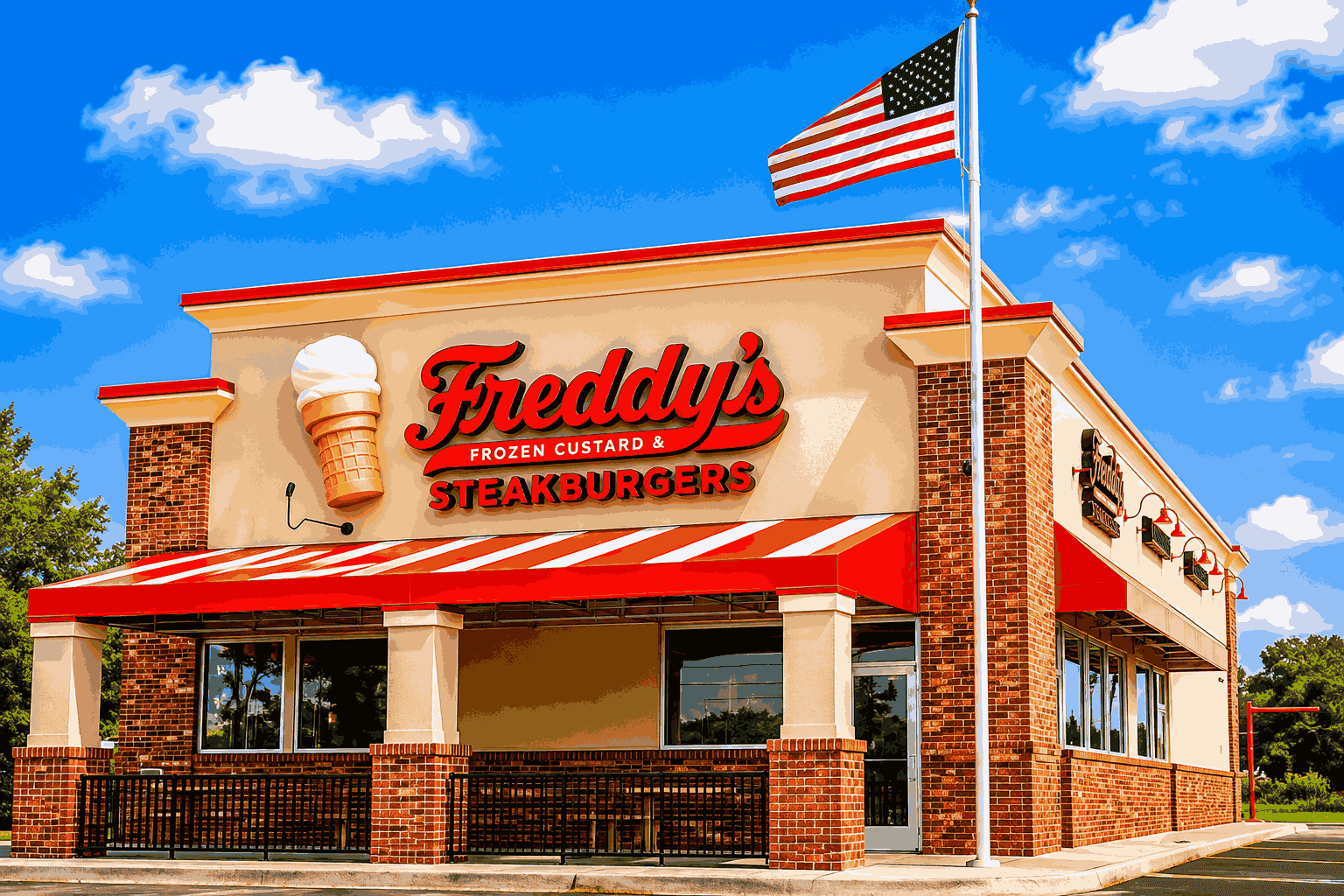
Freddy’s Frozen Custard & Steakburgers promotes Rick Petralia to Executive Chef & VP of Training & Innovation, signaling a strategic focus on culinary excellence and franchisee support.
Aug 12, 2026

McDonald’s USA has appointed Patrick Gerber as chief restaurant officer, leveraging his decades of global experience to boost operations, food quality, and customer satisfaction in the U.S. market.
Aug 11, 2026

Unlock Exclusive Access To Webinars, Events, And The Latest News For Free!
Fitness CFOs push pre-sales to lock day-one cash flow as membership surges. Inside the playbooks driving site selection, marketing, and early unit economics.

Photo by Victor Freitas
When a market runs hot, you don’t stroll, you sprint. Fitness is there now. Americans with a gym or studio membership climbed to 81 million in 2025, a 5.2% jump that set a new high. Nearly half of last year’s new joins came from Gen Z adults, pumping fresh energy into the category. That surge is changing how finance leaders play the opening. CFOs like Jeff Pierne at EPIC Fitness, Colin Herr at Undefeated Tribe, and Seth Grossman at Omega Fitness are pushing hard on pre-sales to stack members before the lights even flick on. The mandate sounds simple but it’s surgical: hit aggressive thresholds, lock in positive cash flow from day one, and open with momentum, not guesses:
Tailwinds help. The Health & Fitness Association’s benchmarking shows facilities averaging 5.5% net membership growth last year while retaining about two-thirds of members once they convert. Pre-sales lean into that stability. Founding members aren’t just a nice-to-have, they bend the payback curve and boost cash-on-cash returns when the count is right. And as competition for new sites intensifies, stacking early commitments becomes the decisive edge. That’s where CFOs earn their keep: pairing demand data with a launch engine that turns curiosity into contracts before a single treadmill lands on the floor.

This is where discipline meets hype. Franchise operators say the founding-member count you bank before opening shapes everything, from payback profiles to cash-on-cash returns. Location strategy folds right into it. Undefeated Tribe’s Colin Herr estimates that 70% of a club’s success comes down to the real estate: visibility, access, and the raw potential of the trade area. Put simply: if the dirt is wrong, the pre-sale fight gets harder. If the dirt is right and the pre-sale machine is firing, you start ahead and stay ahead. It’s not flashy. It’s just disciplined finance doing what it does best, turning probabilities into predictable results:
Why pre-sales matter
- Day-one cash flow: Aggressive pre-sales load the revenue base early, helping new units open in the black.
- Real estate validation: Early joins confirm that visibility and access are converting, fast.
- Stronger lifetime value: Once members convert, retention trends, about two-thirds kept, support durable unit economics.
- Capital clarity: Early performance signals guide spend before big lease and equipment commitments harden.
When the pre-sale engine hums, everything else gets easier, the team is energized, the opening feels inevitable, and the local market starts treating the club like a sure thing. That confidence pays dividends.

Real estate isn’t a vibe; it’s a spreadsheet with a front door. CFOs layer demographic analysis, trade-area mapping, and competitive benchmarks to gauge membership ceilings long before negotiating TI dollars. Undefeated Tribe runs a clear “step-one” filter: can the catchment support 10,000 members? If the answer’s no, they’re out. When the numbers line up, teams model up-front capital against projected revenue to hit target IRR. EPIC Fitness adds a field-tested twist, using geo-fencing to measure digital reach and on-the-ground intercepts to pre-qualify leads. Omega Fitness plays the chessboard differently: a tighter ~5,000-square-foot footprint unlocks more sites in dense markets and trims buildout exposure compared with big-box boxes that need four times the space.
That smaller-box flexibility is a big win when speed matters. It pushes time-to-market down and widens the aperture of viable corners. Pair that with data-forward pre-sale tests, who’s clicking, who’s stopping by, who’s ready to swipe, and you get faster “go/no-go” calls with fewer surprises. This playbook doesn’t rely on flash, it wins on math. And when the math says a trade area can feed a launch with strong founding members, the rest of the plan gets to move from maybe to likely in a hurry.
The best operators don’t wait for keys in hand to build a crowd. Colin Herr puts it plainly: “With a really systematic approach to pre-sale marketing, if you start ahead, you’ll stay ahead.” His team funds brand awareness and digital acquisition early, sampling events, social campaigns, and direct digital outreach, to press the advantage even before leases are fully locked. Seth Grossman is equally blunt about smaller concepts: “The brand awareness or the familiarity isn’t necessarily there,” so they lean on ground-game and guerrilla marketing to spark momentum. And from the scale side, Jeff Pierne says aggressive pre-sales are how you stack “as many members as possible for a positive cash flow.” EPIC has refined that through 70 Planet Fitness locations, with pre-opening conversion rates exceeding projections.
The through line is discipline: build awareness, capture leads digitally, then close locally. It’s a dual-channel push that values repetition over one-off splashes. Locking momentum pre-lease sounds bold, but it tightens the feedback loop, if the market isn’t biting, you learn early and adjust. If the market leans in, you press harder and scale spend with conviction. It’s the CFO mindset applied to marketing: prove it, then pour it on. In a race for sites and members, that steady drumbeat beats a single big ad buy every time.
You can’t deposit vibes. Early pre-sale results are the clearest tells on unit economics before equipment drops and rent commitments harden. Look at the bellwether: Planet Fitness Inc. posted $337.2 million in Q1 2026 revenue, up 21.9% year over year, powered by membership growth and franchise fees. System-wide membership is about 21.5 million across more than 2,500 clubs. While that’s a corporate snapshot, the lesson scales down: when a system consistently builds a strong pre-opening base, openings don’t sputter, they compound. That flywheel isn’t luck; it’s pre-sales doing heavy lifting so operations can focus on experience from the first scan instead of scrambling for sign-ups on day three.
Teams that treat pre-sales like a P&L get sharper, faster. EPIC Fitness and Undefeated Tribe run a disciplined managing partner model, aligning GM compensation with profitability, tying accountability to conversion and retention from day one. The message is clear: the scoreboard starts before the ribbon-cutting. When the early counts hit, cash flow stabilizes, capital returns accelerate, and the next site decision gets easier because the playbook didn’t just work, it paid. That confidence rolls forward, and so does the pace of growth.

Tailwinds don’t erase risk. Density creates drag, especially for brands like Anytime Fitness with 5,000+ locations worldwide, where new-unit performance grows more sensitive to local overlap and cannibalization. Consumer habits keep moving, too. Preference for hybrid or on-demand fitness can reshape join and visit patterns, blurring the pre-sale forecast. And while pre-sales borrow from history, those conversion rates may change in slower markets or cooler economies. Regional sentiment creates spread, and many franchisees lack uniform real-time data on churn and cancellations until well after opening. That’s a gap, and when visibility narrows, precision in pre-sale math matters even more.
The fix isn’t magical. It’s pragmatic. Calibrate thresholds to local density, pace spend to signal strength, and keep a close read on how early offers translate into durable memberships. Don’t let a hot week of leads hide a soft month of conversions. And resist the urge to overspend before three or four clean data points line up. The best finance leaders treat pre-sales as a living model, validating assumptions, adjusting message-market fit, and protecting downside while still pushing for that day-one win.

The road ahead will test the best operators on two fronts: prime real estate is tightening, and the marketing noise floor keeps rising. Expect CFOs to lean harder on analytics and flexible spend, not vanity splash. The Fitness Finance & Growth Conference in Chicago points to a tighter huddle between finance, operations, and technology, precision on trade-area math, staffing models, and member engagement. Toolkits are evolving: AI-driven labor scheduling to hold margins, profit-sharing managing partner models to lock accountability, and advanced pre-sale dashboards to steer the funnel in real time. The operators who thread those lines don’t just open smoothly, they set the pace for their systems.
Start early. Validate the dirt. Keep the funnel moving until the turnstiles click. In a crowded fitness boom, orchestrating early momentum is the edge that keeps compounding. Get that right, and every grand opening isn’t a gamble, it’s worth the lease.