
8 Steps in the Restaurant Payroll Process
Learn the eight essential steps of the restaurant payroll process, from tracking hours and calculating wages to payments and recordkeeping.
Payroll
Aug 17, 2026
Learn the eight essential steps of the restaurant payroll process, from tracking hours and calculating wages to payments and recordkeeping.
Aug 17, 2026

Explore the main types of ordering technology restaurants use to improve accuracy, speed, payments, customer convenience, and operational efficiency daily.
Aug 17, 2026
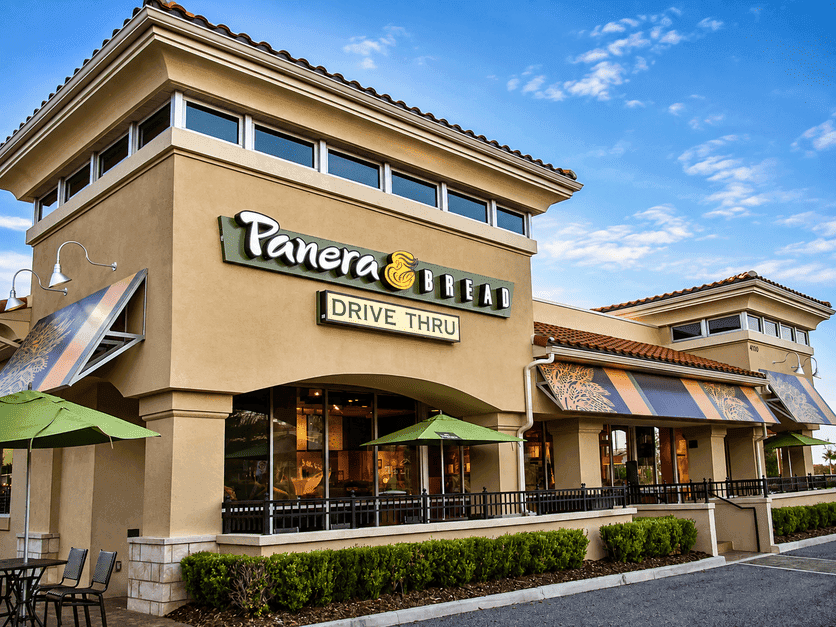
Panera Bread welcomes Andrew Rebhun as its new CMO to spearhead strategic brand growth and transformation, bolstering its vision for 2028.
Aug 17, 2026
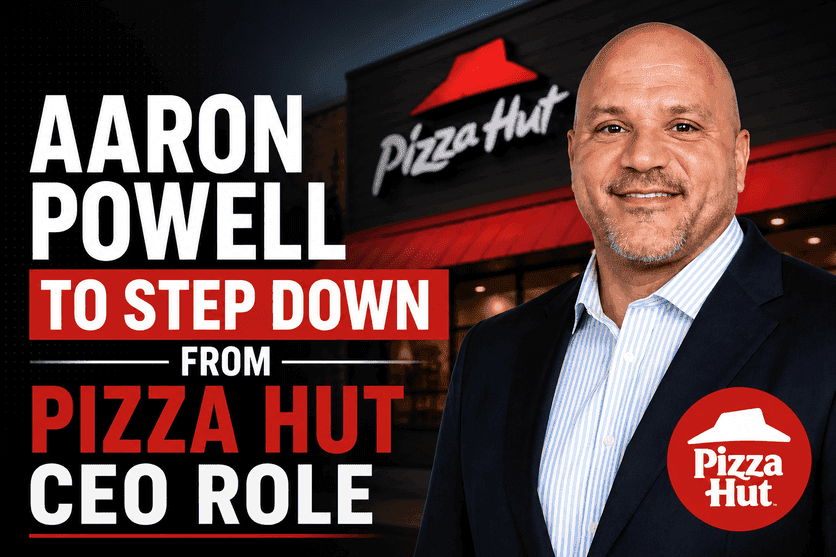
The transition of Pizza Hut's CEO, Aaron Powell, marks a pivotal moment for the chain and offers valuable leadership lessons for restaurant owners. Here’s what this executive change could mean for your business.
Aug 17, 2026

Discover how restaurant SMS marketing works, from building subscriber lists and creating campaigns to improving engagement and measuring marketing performance.
Aug 14, 2026

Learn how to manage cash flow in your restaurant by tracking finances, controlling costs, forecasting needs, and building cash reserves.
Aug 14, 2026

Increase online orders by simplifying checkout, optimizing menus, improving Google visibility, promoting ordering channels, and encouraging customers to order again.
Aug 12, 2026

Streamline restaurant back office operations by standardizing workflows, automating repetitive tasks, integrating systems, centralizing data, and improving accountability and efficiency.
Aug 12, 2026

McDonald’s USA has appointed Patrick Gerber as chief restaurant officer, leveraging his decades of global experience to boost operations, food quality, and customer satisfaction in the U.S. market.
Aug 11, 2026
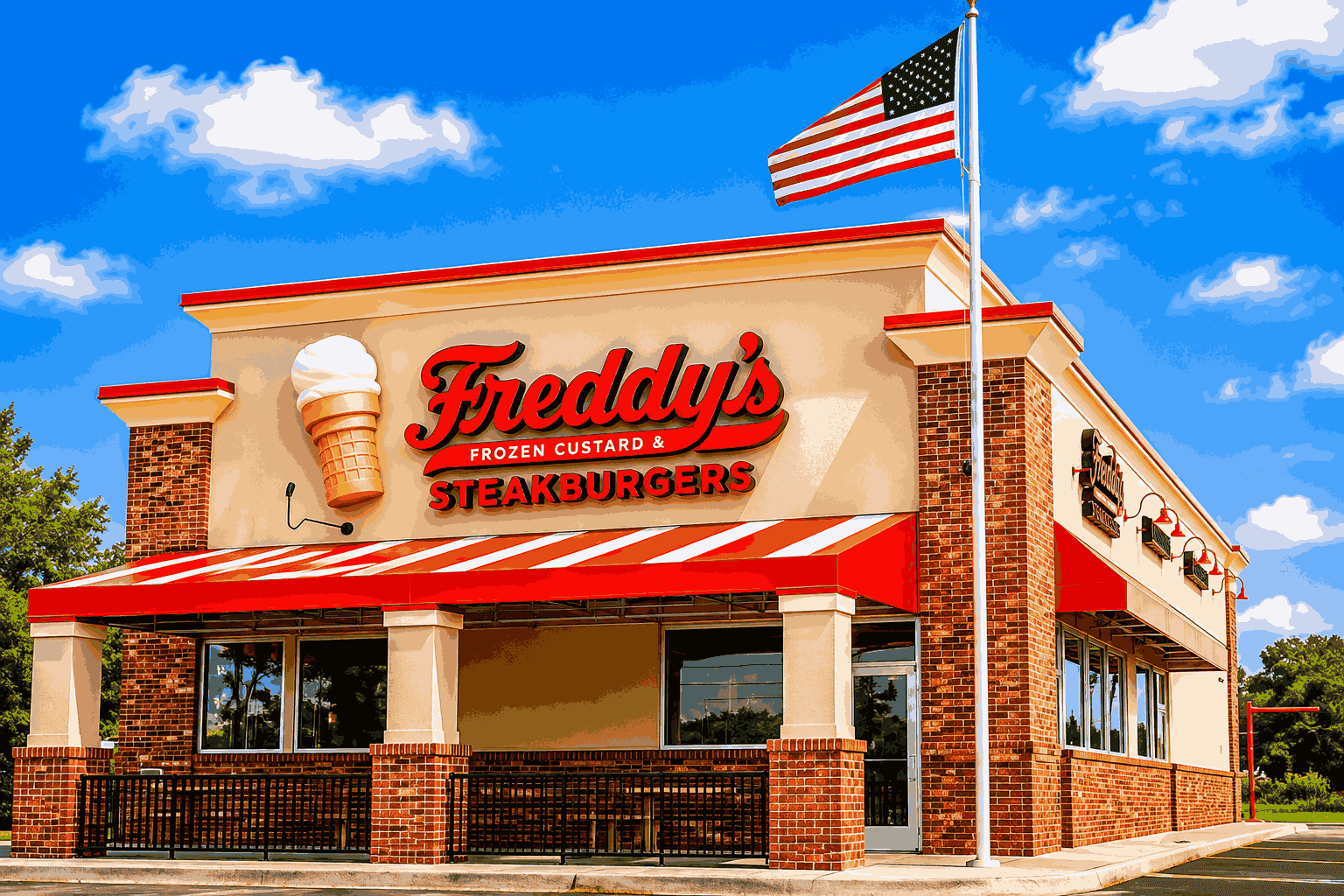
Freddy’s Frozen Custard & Steakburgers promotes Rick Petralia to Executive Chef & VP of Training & Innovation, signaling a strategic focus on culinary excellence and franchisee support.
Aug 12, 2026

Unlock Exclusive Access To Webinars, Events, And The Latest News For Free!
Untracked food waste is one of the biggest hidden costs in restaurants. Learn how to build a waste tracking system that reduces food cost and improves kitchen profitability.

Ask almost any restaurant operator how much food their kitchen wastes in a week, and most will not be able to give you a precise answer. They might say it is not much. They might say the team is pretty careful. They might point to the fact that they have not noticed anything alarming. But the truth is, if you are not tracking waste, you do not actually know. And what you do not know, you cannot fix. Restaurant food waste is one of the most consistent and underestimated sources of cost in the food service industry. It happens every day, in almost every kitchen, and in many operations it happens invisibly because no one has built the discipline of recording it.
Most people think of waste as spoilage - food that goes bad before it gets used. And spoilage is part of the picture. But restaurant food waste comes from several directions at once, and spoilage is often not even the largest contributor. The main sources of waste in a restaurant kitchen include -
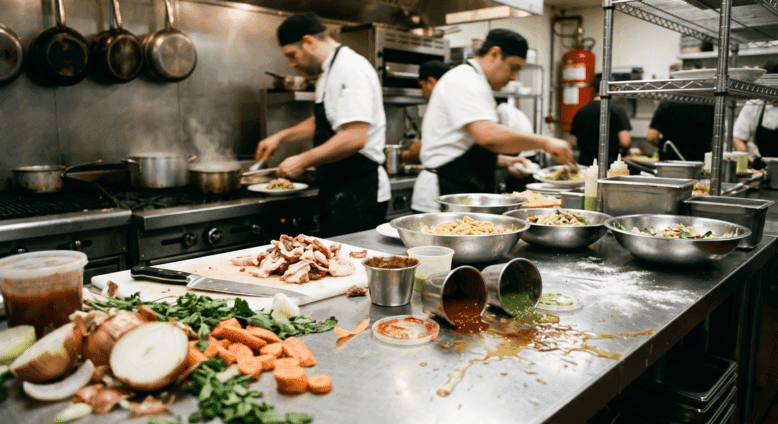
The reason waste tracking falls apart in most restaurants is both cultural and structural. When service is busy and the pace is relentless, stopping to record that a portion was dropped or that a prep batch went wrong feels like an unnecessary interruption. It is easier to just move on. There is also a psychological component. No one wants to document their own mistakes. If logging waste is perceived as a blame exercise rather than a data collection tool, team members will avoid it. Common barriers to consistent restaurant waste tracking include -
When you build a consistent restaurant food waste tracking habit, patterns emerge quickly. You might find that a specific ingredient gets wasted on the same days every week, pointing to a mismatch between ordering, prep scheduling, and actual demand. You might find that one station generates a disproportionate amount of prep waste, pointing to a training gap. You might find that certain menu items consistently generate plate waste, suggesting a portion size or recipe issue. None of this information is visible without a record. With a record, it becomes actionable -
Waste tracking does not need to be complicated to generate useful data. A simple log that captures what was wasted, how much, and why is enough to start identifying patterns. The critical element is consistency, not complexity. Practical steps for building a restaurant waste log system include -
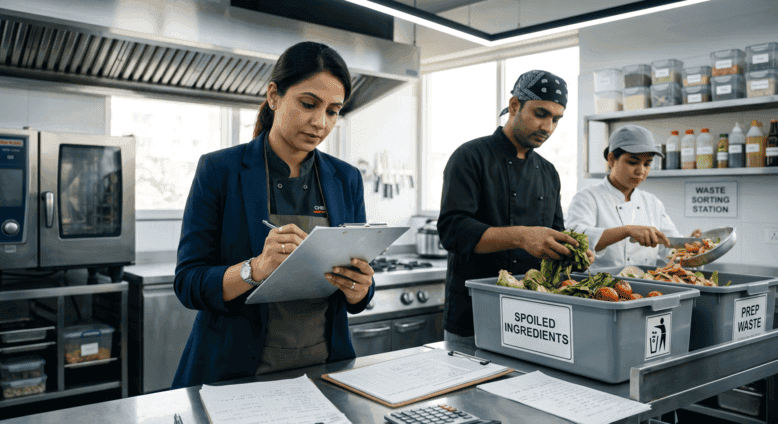
Waste is not random. It is a pattern shaped by ordering decisions, prep habits, portioning standards, storage practices, and menu design. Every item that goes in the trash has a dollar value attached to it, and those dollars add up fast across hundreds of covers and hundreds of service days. The restaurants that consistently run lower food cost percentages are not necessarily the ones with the best ingredients or the most efficient kitchens. They are the ones that see their waste clearly, take it seriously, and treat it as something that can be reduced through smarter systems and better habits.