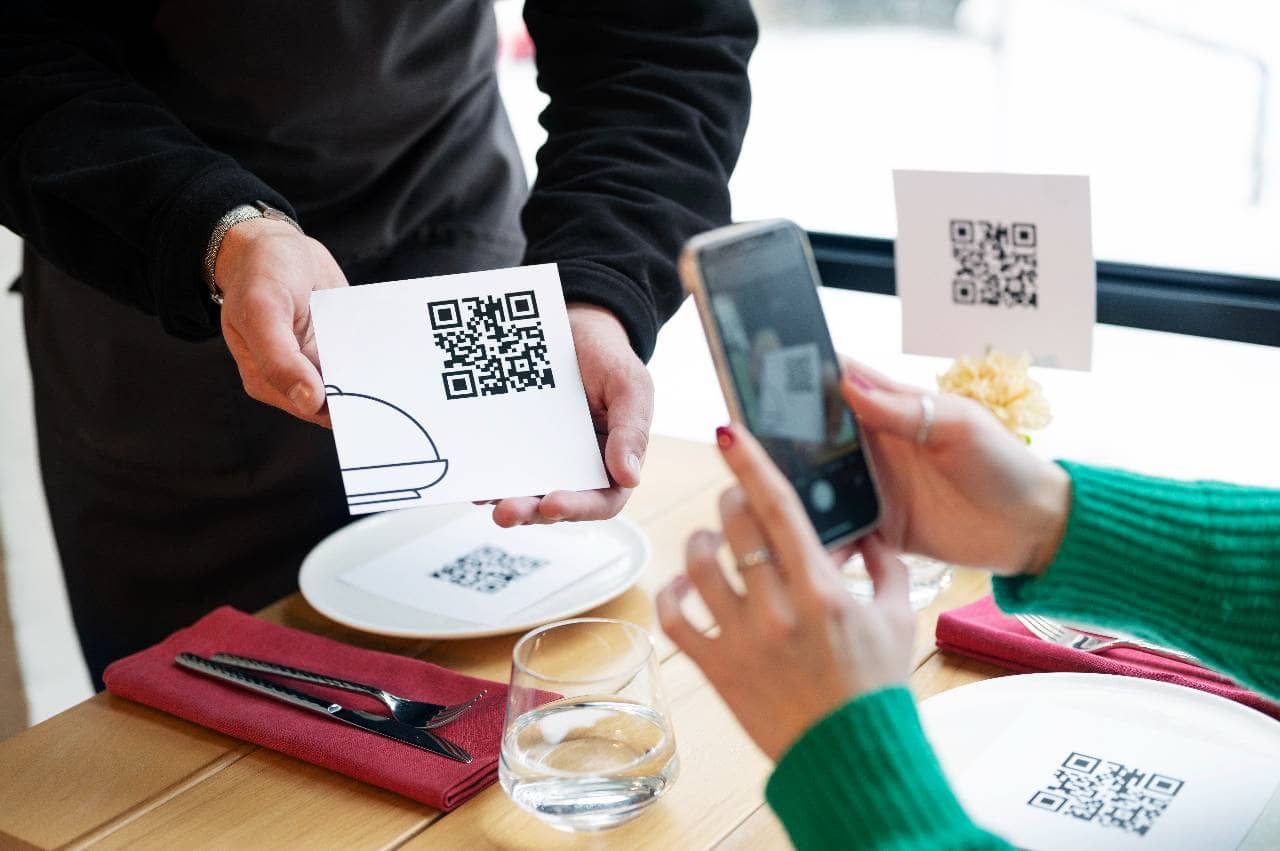
Types of Restaurant Ordering Technology
Explore the main types of ordering technology restaurants use to improve accuracy, speed, payments, customer convenience, and operational efficiency daily.
Technology
Aug 17, 2026
Explore the main types of ordering technology restaurants use to improve accuracy, speed, payments, customer convenience, and operational efficiency daily.
Aug 17, 2026

Learn the eight essential steps of the restaurant payroll process, from tracking hours and calculating wages to payments and recordkeeping.
Aug 17, 2026
Panera Bread welcomes Andrew Rebhun as its new CMO to spearhead strategic brand growth and transformation, bolstering its vision for 2028.
Aug 17, 2026
Discover how restaurant SMS marketing works, from building subscriber lists and creating campaigns to improving engagement and measuring marketing performance.
Aug 14, 2026
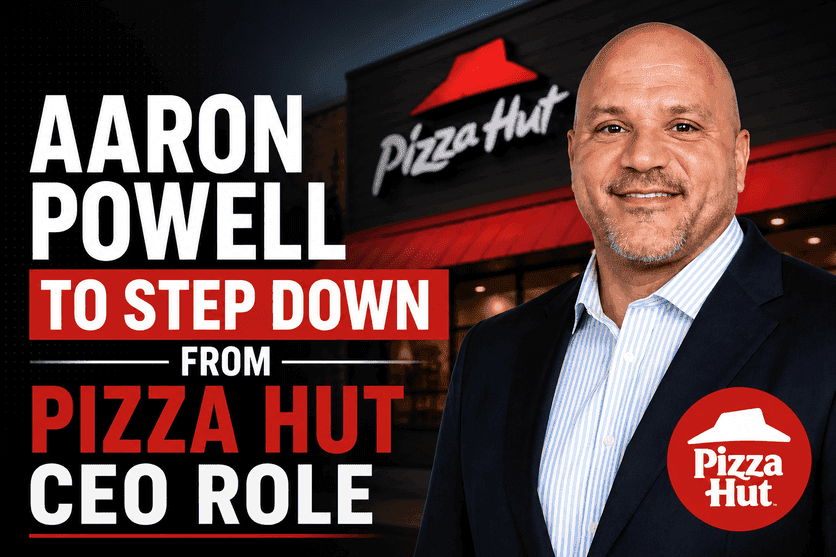
The transition of Pizza Hut's CEO, Aaron Powell, marks a pivotal moment for the chain and offers valuable leadership lessons for restaurant owners. Here’s what this executive change could mean for your business.
Aug 17, 2026
Learn how to manage cash flow in your restaurant by tracking finances, controlling costs, forecasting needs, and building cash reserves.
Aug 14, 2026
Streamline restaurant back office operations by standardizing workflows, automating repetitive tasks, integrating systems, centralizing data, and improving accountability and efficiency.
Aug 12, 2026
Increase online orders by simplifying checkout, optimizing menus, improving Google visibility, promoting ordering channels, and encouraging customers to order again.
Aug 12, 2026
Freddy’s Frozen Custard & Steakburgers promotes Rick Petralia to Executive Chef & VP of Training & Innovation, signaling a strategic focus on culinary excellence and franchisee support.
Aug 12, 2026
McDonald’s USA has appointed Patrick Gerber as chief restaurant officer, leveraging his decades of global experience to boost operations, food quality, and customer satisfaction in the U.S. market.
Aug 11, 2026

Unlock Exclusive Access To Webinars, Events, And The Latest News For Free!
At Food On Demand, PJ’s Coffee champions accuracy at the window, using hybrid formats, training, and selective tech to drive revenue and loyalty.
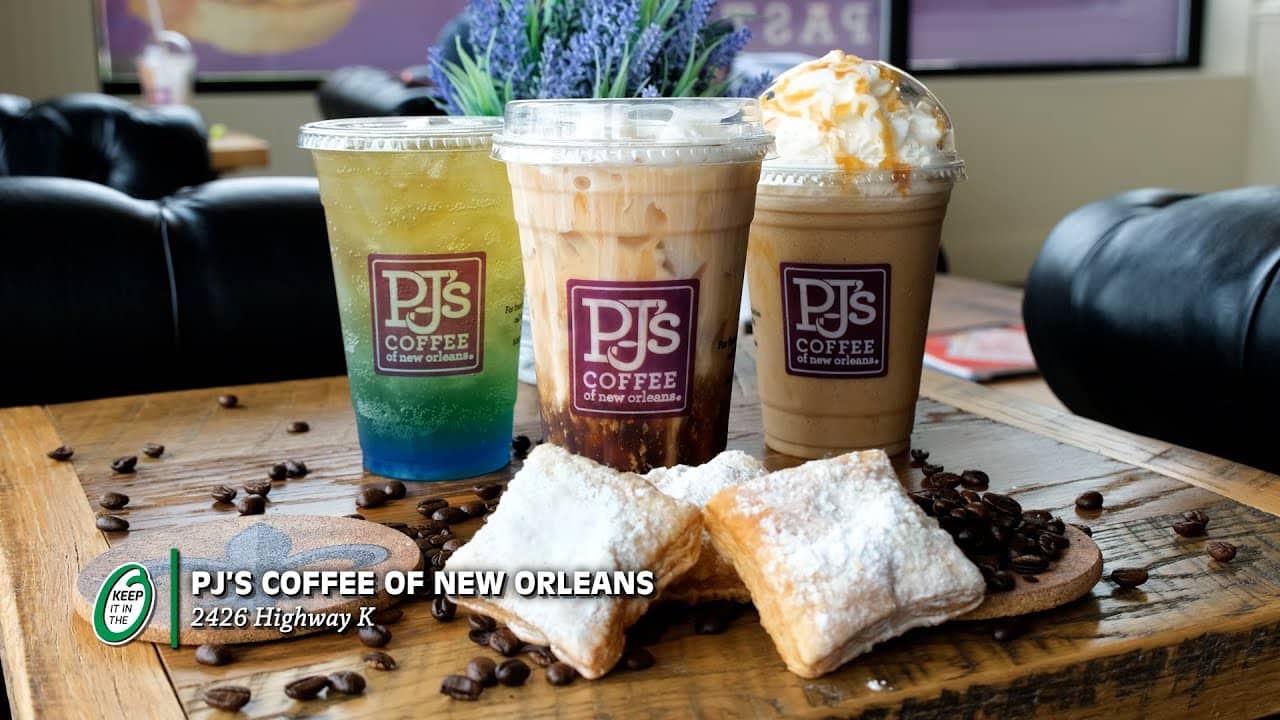
In Dallas, at the Food On Demand Conference on May 6, 2026, the lane received the sort of attention a chef reserves for the pass. Patrick Shaheen, vice president of operations for Ballard Brands, distilled the mood with a line that felt both mantra and mandate: “The magic happens at the window.” The drive-thru has become the defining touchpoint, where guest satisfaction is either plated with grace or squandered in haste. The thesis arrived with the clarity of a perfectly pulled shot: accuracy, not adrenaline, is the true metric of a modern lane. That set the table for the brand he calls “a drive-thru company” to explain its craft:
PJ’s Coffee of New Orleans is pursuing loyalty the way a careful roaster pursues balance: with accuracy as the nonnegotiable note. Shaheen and Samuel Stanovich warned that while pace matters, it cannot redeem a mis-made drink. Consumer tolerance breathes with circumstance, a long line can grant grace, an empty lot can tighten the clock, but precision holds steady. PJ’s answer is a blend as specific as a house espresso: hybrid stores designed for throughput and training built to verify orders before the window. The message, delivered without bluster, was unmistakable: get it right, then get it fast, and you earn loyalty that lingers like a fine finish.
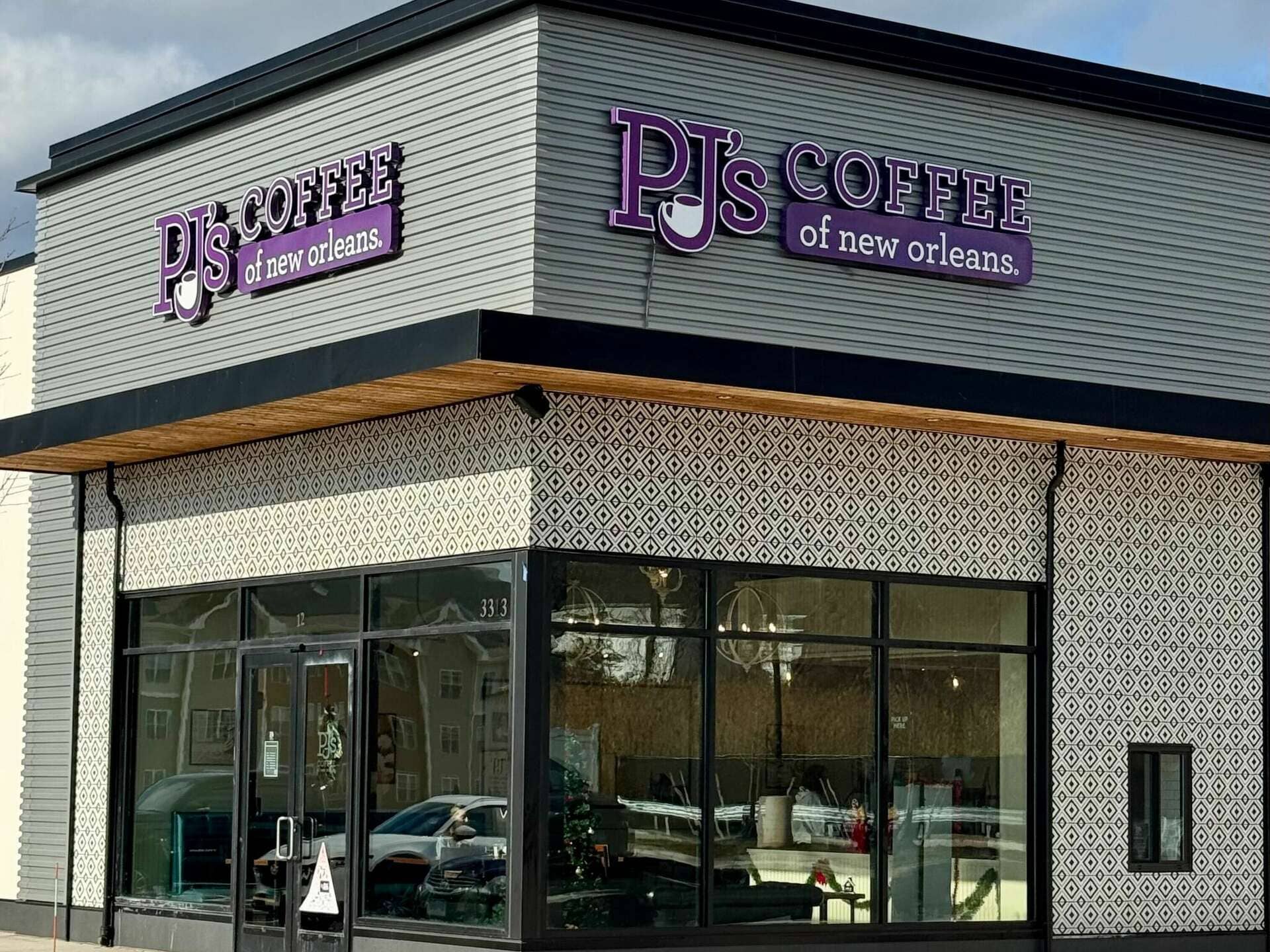
Across two days at the Renaissance Addison Dallas Hotel, Lauren Selman moderated a conversation that treated the lane not as a convenience but as a core business model. PJ’s has leaned into a dual dine-in and drive-thru approach, and the numbers have rewarded that discipline. Hybrid units consistently outpace café-only locations, cementing the drive-thru as the brand’s primary engine for revenue and repeat visits. The detail that sharpened the point: about 80 percent of PJ’s units now include drive-thru service, a network-wide statement that the window is not an accessory, it is the stage on which the brand performs daily.
PJ’s hybrid model has delivered a material gap in performance: 30 to 40 percent higher revenue than café-only sites. Introduced incrementally since 2022, the format capitalizes on morning-rush throughput and afternoon loyalty visits, creating a double crescendo that café-only boxes struggle to match. With roughly four in five units built for the lane, the brand is standardizing its most productive channel. The conclusion is elegant in its simplicity: design for the window, train for the window, and let the café hum as a complementary setting where hospitality lingers a beat longer.
Strategy becomes service only when hands and systems move as one. PJ’s has invested in rigorous training to ensure the last ten feet, between register and window handoff, are governed by order verification, not guesswork. Shaheen’s declaration, “Accuracy is paramount in our concept,” reads like a standard operating principle rather than a sound bite. Coffee is, after all, a ritual, and every good ritual relies on muscle memory refined by practice, not shortcuts. With the choreography in place, the brand layers technology where it sharpens edges without sanding off warmth:
Targeted technology
PJ’s is piloting artificial intelligence for order-flow optimization, heat mapping on digital menu boards to spotlight top sellers, and both license plate recognition and facial recognition to greet loyalty members by name.
Cost and calibration
As Samuel Stanovich cautioned, innovation must justify its price in guest value and menu economics. Tech without aligned people and processes yields only marginal gains; the aim is authentic human connection supported, not replaced, by tools.
The working rule
Train first, then add what tightens precision at the window. Anything that blunts hospitality, no matter how clever, belongs back on the shelf.

Guest behavior in the lane is its own terroir, shaped by context and expectation. Samuel Stanovich observed that a visible queue can invite patience, the way a bustling dining room reassures, while an empty lot quietly narrows tolerance for delay. Through it all, one constant holds the line: accuracy. As he put it, guests may grant grace on speed when the lane is humming, but they return only when the drink that arrives is the drink they asked for. The lesson is neither romantic nor austere; it is simply the arithmetic of trust built cup by cup:
Lauren Selman underscored that technology should augment, not replace, the hello at the window. Brands win when empowered staff deliver genuine service, the kind that recognizes a regular’s rhythm, while digital systems quietly keep orders straight. This blend of tech-enabled precision and personal engagement is not a compromise; it is the recipe. In practice, it looks like baristas who stay present, screens that stay legible, and a final handoff that feels considered rather than transactional, a small ceremony repeated thousands of times a day.
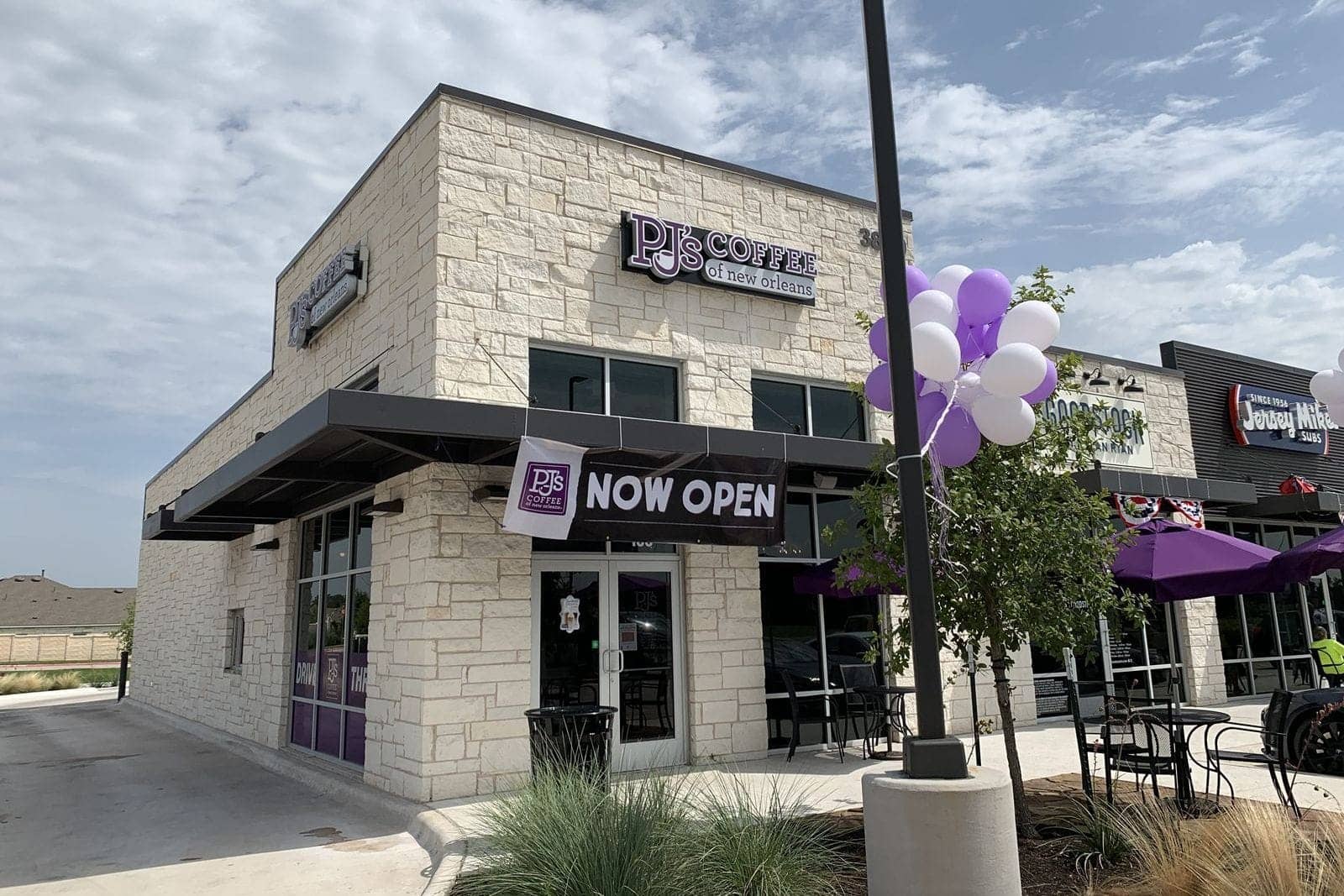
The drive-thru is not merely a channel; it is a competitive axis now tilting the market. Industry reporting places drive-thru coffee ahead of broader chain growth, as lane-first brands redraw the map of morning rituals. The hierarchy itself is shifting as nimble operators harness format and focus to siphon share. In this climate, a misstep at the window ripples beyond a single check; it becomes a data point in a wider realignment. The context invites a question: what, exactly, does momentum look like in black and white?
The numbers speak
Drive-thru chains are ascendant: 7 Brew ranked fourth in U.S. coffee system sales with $1.3 billion by the end of 2025, behind Starbucks, Dunkin’ and Dutch Bros. Momentum in the Top 500 favored drive-thru specialists, with 7 Brew, Scooter’s Coffee and Dutch Bros leading growth. Starbucks’ share of U.S. coffee-shop spending slipped to 48 percent in 2025 from 52 percent in 2023. Technomic’s 2026 trends call out authenticity as the throughline: brands that balance modernization with warmth collect the rewards.
The lane now tests two virtues at once: modernization that speeds decisions and human warmth that anchors memory. Operators capable of carrying both notes, clean, bright, and in balance, will find growth that tastes earned rather than engineered.

Innovation, alluring as a new roast, demands proof in the cup. McDonald’s paused its voice-AI drive-thru pilot on January 9, 2026, after accuracy and background noise blunted real-world performance. The brand continues to test AI-powered accuracy scales and Google Cloud voice chatbots in select markets, a measured approach that treats the lane as laboratory rather than showroom. The message for every operator exploring automation: technology may promise clarity, but the acoustics of the car, the chaos of the rush, and the cadence of hospitality complicate the score.
Not all data is created equal in the eyes of guests, or regulators. Privacy advocates warn that license plate recognition can raise issues under state statutes, particularly around data retention and sharing practices. Consistent ROI will hinge on deployment that pairs capable tools with transparent policies and guest-centric processes. The operators who win will make their technology feel like service, not surveillance, an unseen hand guiding orders right, not a spotlight pointed at the driver’s seat.
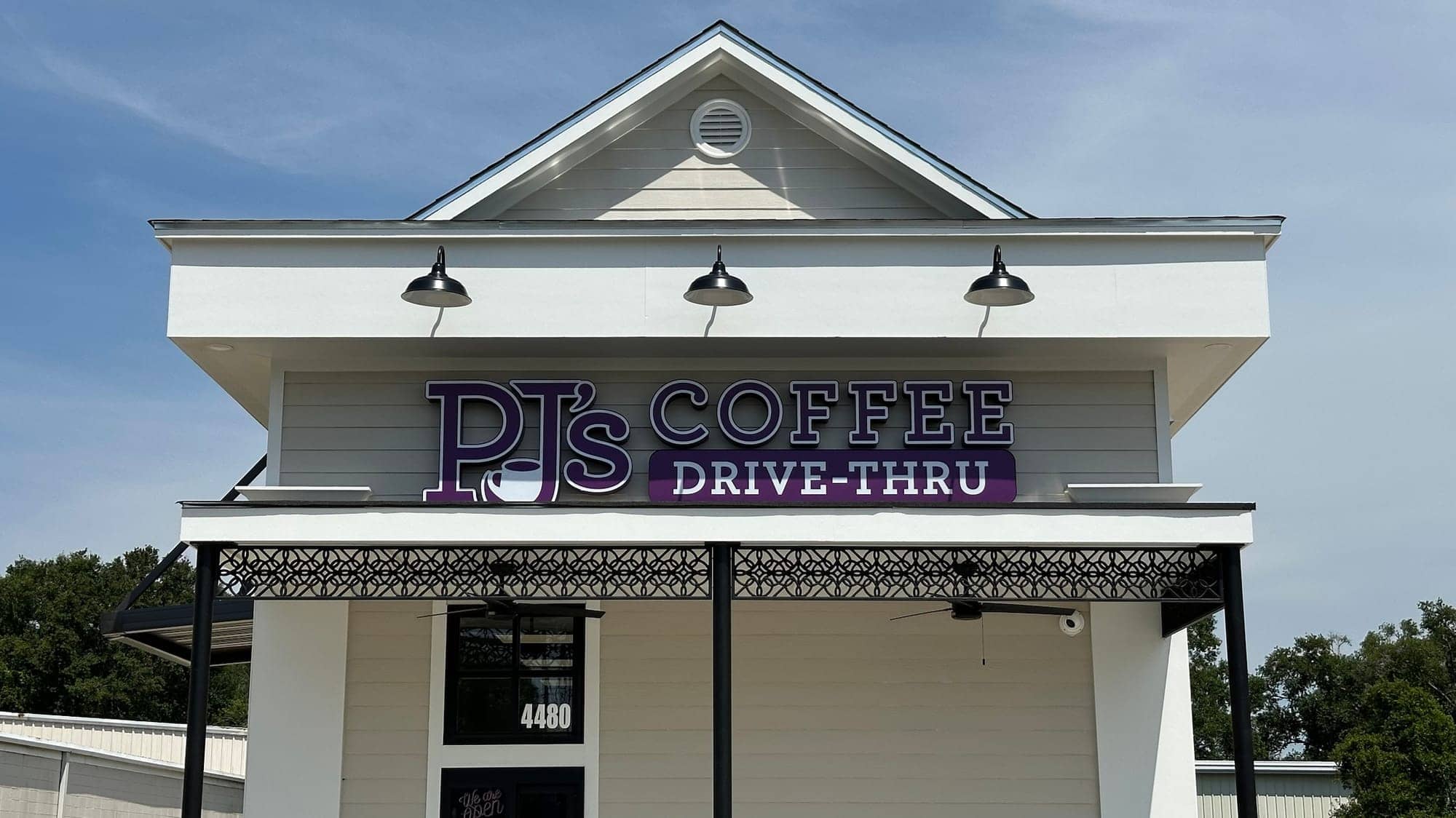
The Dallas consensus was crisp: drive-thru excellence rests on accuracy first, supported by technology and human engagement. PJ’s Coffee’s playbook reads like a well-edited menu, train deeply, standardize the window, then layer selective tech that reinforces precision without muting personality. In competitive lanes, where format is replicable, the advantage becomes execution: calibrating throughput without forfeiting the courtesies that make a daily ritual feel personal. Done well, the experience lands with the quiet satisfaction of a dialed-in extraction.
From the panel’s first assertion to its closing note, the throughline was unmistakable: the lane can be the fastest channel, but it prospers only when order correctness precedes haste. For PJ’s, the returns link guest frequency to precision with uncommon clarity. Build on that, keep loyalty warm, and protect margins with tools that serve the script rather than steal the scene. The magic, as Shaheen said, is still at the window, where craft meets grace in the span of a handoff.