
8 Steps in the Restaurant Payroll Process
Learn the eight essential steps of the restaurant payroll process, from tracking hours and calculating wages to payments and recordkeeping.
Payroll
Aug 17, 2026
Learn the eight essential steps of the restaurant payroll process, from tracking hours and calculating wages to payments and recordkeeping.
Aug 17, 2026
Explore the main types of ordering technology restaurants use to improve accuracy, speed, payments, customer convenience, and operational efficiency daily.
Aug 17, 2026
Panera Bread welcomes Andrew Rebhun as its new CMO to spearhead strategic brand growth and transformation, bolstering its vision for 2028.
Aug 17, 2026

Discover how restaurant SMS marketing works, from building subscriber lists and creating campaigns to improving engagement and measuring marketing performance.
Aug 14, 2026
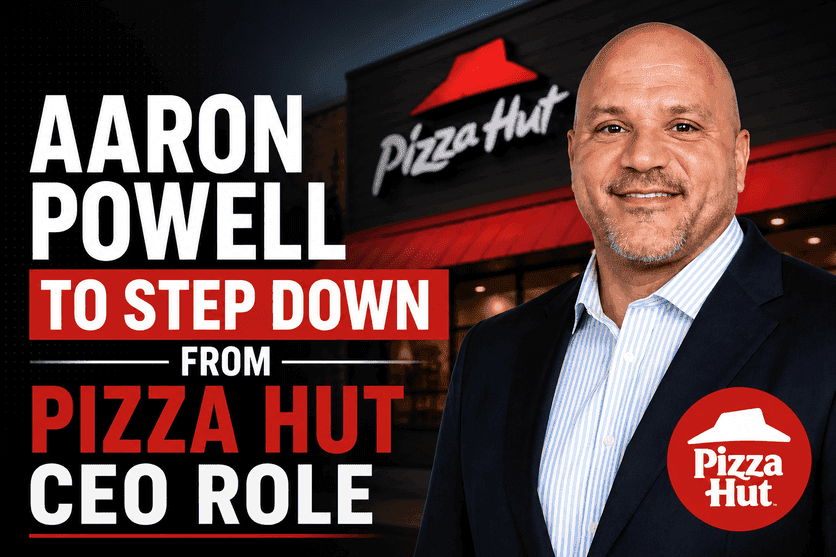
The transition of Pizza Hut's CEO, Aaron Powell, marks a pivotal moment for the chain and offers valuable leadership lessons for restaurant owners. Here’s what this executive change could mean for your business.
Aug 17, 2026
Learn how to manage cash flow in your restaurant by tracking finances, controlling costs, forecasting needs, and building cash reserves.
Aug 14, 2026
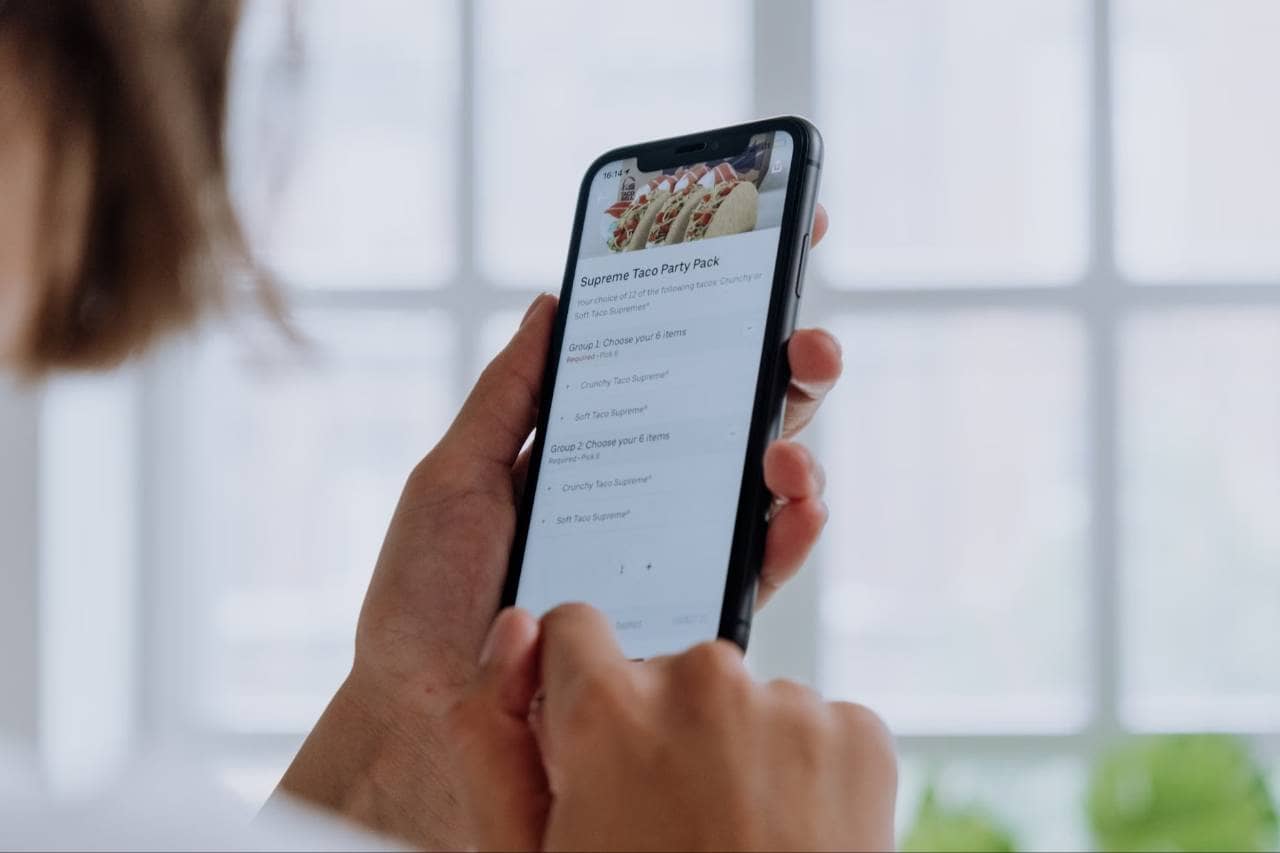
Increase online orders by simplifying checkout, optimizing menus, improving Google visibility, promoting ordering channels, and encouraging customers to order again.
Aug 12, 2026
Streamline restaurant back office operations by standardizing workflows, automating repetitive tasks, integrating systems, centralizing data, and improving accountability and efficiency.
Aug 12, 2026
Freddy’s Frozen Custard & Steakburgers promotes Rick Petralia to Executive Chef & VP of Training & Innovation, signaling a strategic focus on culinary excellence and franchisee support.
Aug 12, 2026
McDonald’s USA has appointed Patrick Gerber as chief restaurant officer, leveraging his decades of global experience to boost operations, food quality, and customer satisfaction in the U.S. market.
Aug 11, 2026

Unlock Exclusive Access To Webinars, Events, And The Latest News For Free!
Thai Chili 2Go, Bonchon, Cupbop, and Teriyaki Madness scale fast by pairing authentic flavors with data, supply chain muscle, and streamlined ops.

Photo by yeojin yun
Cravings for pan-Asian flavors aren’t a niche anymore, they’re a national drumbeat. Brands rooted in the real thing are moving fast, not by chasing trends, but by pairing signature flavors with tight playbooks. Think Thai Chili 2Go, Bonchon, Cupbop, and Teriyaki Madness. Each has carved a path from local favorite to multi-market contender by stripping friction out of kitchens while keeping the flavor story intact. That balance is the difference between a concept that pops once and a system that can grow repeatably across states:
Can authenticity scale without getting watered down? These four operators are betting the answer is yes, if the ops keep up.
Thai Chili 2Go trimmed a street-food sprawl of 90-plus dishes into a fast-casual core and opened its first streamlined unit in 2015. The brand now runs 18 locations with four more on deck, all within a decade. Bonchon evolved from sit-down service to a fast-casual engine, stacking up 150-plus U.S. units since its 2010 stateside debut.
Cupbop turned a 2013 food-truck hustle into 64 U.S. locations by mid-2024 and drew a roughly $200 million valuation. Teriyaki Madness crossed 200 locations, with 125 more in the pipeline, after an 18% systemwide lift last year and a 2026 target in the 25–30% range. The sprint is real; the question is how cleanly these systems travel into new neighborhoods.

Great scale stories often start scrappy. Aks Sethi ran a sit-down Thai spot in Gilbert, Arizona, and a 2014 visit to Chipotle flipped the switch. Guest-order data told him which dishes mattered, so he cut to 15 core items and launched the first Thai Chili 2Go in Queen Creek in 2015. Bonchon began in 2002 as a fried-chicken joint in South Korea, arrived in the U.S. in 2010 as full-service, then introduced a fast-casual footprint for smaller boxes and quicker builds.
Cupbop is pure street hustle, one food truck in 2013, slinging Korean barbecue bowls in Salt Lake County. Teriyaki Madness started in 2003, then reloaded in 2016 under Michael Haith, moving to Denver, upgrading support, and leaning hard into franchising.
Different origin stories, same north star: meet U.S. quick-service expectations without losing the soul of the cuisine. That shows up as focused menus, smaller footprints, and quicker buildouts, all powered by data-driven decisions on what actually sells. It also means designing for takeout and delivery from day one. The play is simple: protect the core flavors, then engineer the system around them so guests can get the real thing fast. When that equation hits, you don’t just win visits, you earn repeat habits. Big win.
Scaling isn’t magic, it’s logistics with a flavor halo. Amaya Trading, the supply arm behind Thai Chili 2Go, brings in coconut milk, palm sugar, and other Thai staples, then runs them through a 25,000-square-foot warehouse that doubles as a commissary for sauces and curry pastes. That setup locks in cost stability and consistency, two unsexy words that make or break national growth.
When ingredients behave, kitchens can move faster. That’s the plotline across this category: protect the craft where it matters, compress steps where it doesn’t, and make the line so intuitive that new crews can nail it without guesswork. The flavor stays real; the execution gets repeatable.
Bonchon reengineered its back of house with a dual-format line that feeds full service, takeout, and delivery without duplicating stations, while preserving its hand-battered, double-fried chicken. Cupbop simplified in 2025, ditching playful bowl names for a build-your-own model that speeds ordering without touching recipes. Teriyaki Madness equips franchisees with analytics-driven tools to sync labor and inventory to weather, local events, and even sentiment. Thai Chili 2Go trimmed a five-step pad thai flow to four.
Add wok-driven lines and you get a clean, repeatable rhythm. The net effect: more throughput with the same flavor signature, which is exactly what you need to scale beyond a hometown crowd.
Operators aren’t shy about the formula: hold the line on recipes and tighten the system around them. When leaders call out their edge, they point to vertical integration, unapologetic authenticity, and real-time decision-making. That’s not posturing, it’s a blueprint for surviving in competitive corridors where value deals and novelty launches hit daily.
So, what does conviction sound like when you’re in the thick of a scale sprint? It sounds like owners talking supply chains as competitive moats, brand voices defending spice levels, and franchisors hungry for faster, smarter answers from their data. The words tell you where the money is going, and why.
Aks Sethi doesn’t mince words on infrastructure: “The whole supply chain and commissary piece we have developed is definitely a big competitive advantage.” Suzie Tsai draws a line in the sand on flavor: “Ethnic food concepts should not have to water down their recipes to succeed in new markets... Guests today want the real thing.” Dok Kwon highlights cultural tailwinds: “With Korean, you have this wave of cultural influence on top of that.” And Michael Haith sets the data bar: “We need to have the ability to get all of our questions answered really quickly, and in the smartest way possible.”
Put together, that’s a playbook, authenticity as the hook, systems as the engine, data as the gas pedal.

Money is moving through quick service and fast casual. Sales hit $419 billion in 2025, with the Asian segment at roughly $16 billion, about 4% of the total. Circana pegs fast-casual traffic up 3% year over year, outpacing a 1.9% read from Placer.ai. The International Franchise Association expects a measured 0.5% growth rate for QSR franchising in 2026, even as the restaurant industry angles toward $1.55 trillion that year. Technology is not sitting out, voice-assisted commerce is projected to surge 320% in 2026. The tide is rising, but operators still have to row smart.
- Thai Chili 2Go: 18 units today with four more slated this year, testing growth paths beyond Arizona.
- Bonchon: Topped 150 U.S. locations in 2025, leaning on a fast-casual format that runs alongside its full-service legacy.
- Cupbop: Operated 64 U.S. stores as of June 2024, with trucks and concessions supporting about $64 million in 2024 revenue; valuation around $200 million by March 2026.
- Teriyaki Madness: Just over 200 units, plus 125 in real estate or construction; 18% growth in 2025 and a 25–30% target for 2026.
Those aren’t vanity metrics; they’re the receipts behind a category moving from curiosity to habit.
Momentum looks great on a chart, but execution lives in the weeds. Cupbop doesn’t publicly share average unit volumes in franchise disclosures, making unit economics tougher to model. Wage pressure and labor volatility continue to test retention. Even vertically integrated teams face commodity swings, coconut milk and soy aren’t immune to shocks. Guests are cautious in some markets, and regional preferences can slow a one-size-fits-all rollout for less familiar cuisines.
None of this kills the thesis. It just raises the bar for adaptive planning and transparent disclosure. The brands that communicate clearly and tune operations quickly will own the advantage when the macro picture shifts.
1. Focused menus, proven supply – Can Thai Chili 2Go’s tight lineup and commissary backbone punch cleanly into multi-state growth without wobbling on costs?
2. Data into daily ops – Do Teriyaki Madness tools keep translating into better labor alignment, inventory control, and comp sales, store by store?
3. Authenticity at scale – Will Bonchon and Cupbop hold firm on recipes as they enter newer markets where familiarity varies?
4. Franchise math clarity – Greater transparency on unit economics, including AUVs, would sharpen growth signals for prospects.
5. Tech as a force multiplier – With voice-assisted commerce projected to surge 320%, smart adoption could reshape ordering flow and staffing.
Keep the flavor honest, keep the systems crisp, that’s the path from fan favorite to national staple.