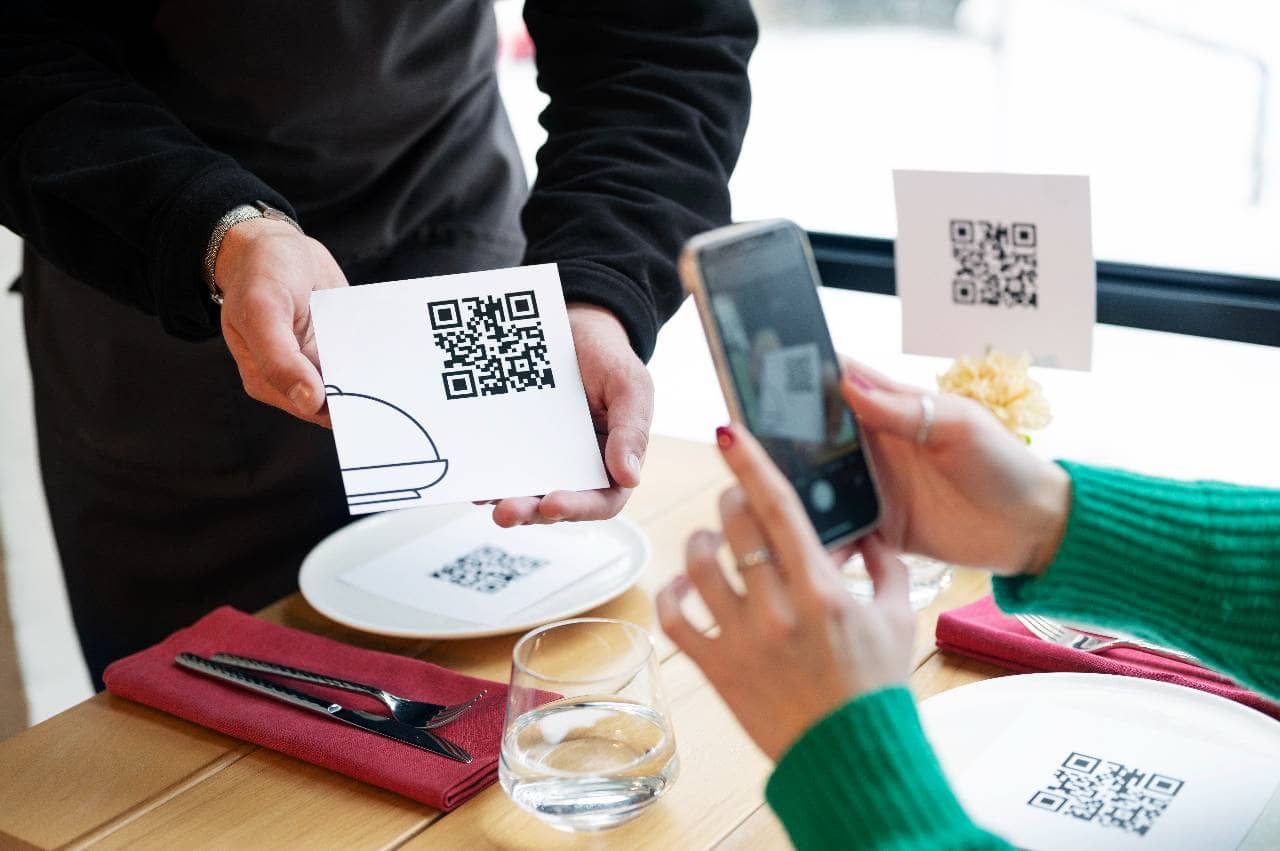
Types of Restaurant Ordering Technology
Explore the main types of ordering technology restaurants use to improve accuracy, speed, payments, customer convenience, and operational efficiency daily.
Technology
Aug 17, 2026
Explore the main types of ordering technology restaurants use to improve accuracy, speed, payments, customer convenience, and operational efficiency daily.
Aug 17, 2026

Learn the eight essential steps of the restaurant payroll process, from tracking hours and calculating wages to payments and recordkeeping.
Aug 17, 2026
Discover how restaurant SMS marketing works, from building subscriber lists and creating campaigns to improving engagement and measuring marketing performance.
Aug 14, 2026
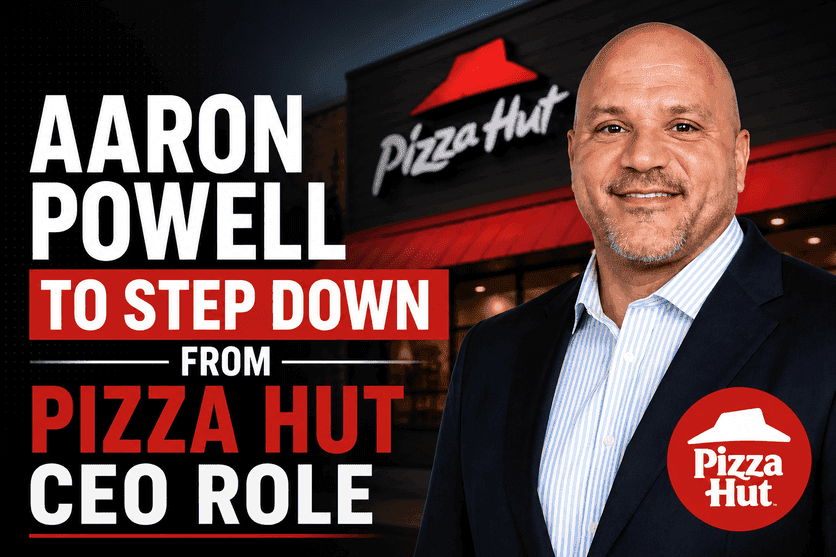
The transition of Pizza Hut's CEO, Aaron Powell, marks a pivotal moment for the chain and offers valuable leadership lessons for restaurant owners. Here’s what this executive change could mean for your business.
Aug 17, 2026
Panera Bread welcomes Andrew Rebhun as its new CMO to spearhead strategic brand growth and transformation, bolstering its vision for 2028.
Aug 17, 2026
Learn how to manage cash flow in your restaurant by tracking finances, controlling costs, forecasting needs, and building cash reserves.
Aug 14, 2026
Streamline restaurant back office operations by standardizing workflows, automating repetitive tasks, integrating systems, centralizing data, and improving accountability and efficiency.
Aug 12, 2026
Increase online orders by simplifying checkout, optimizing menus, improving Google visibility, promoting ordering channels, and encouraging customers to order again.
Aug 12, 2026
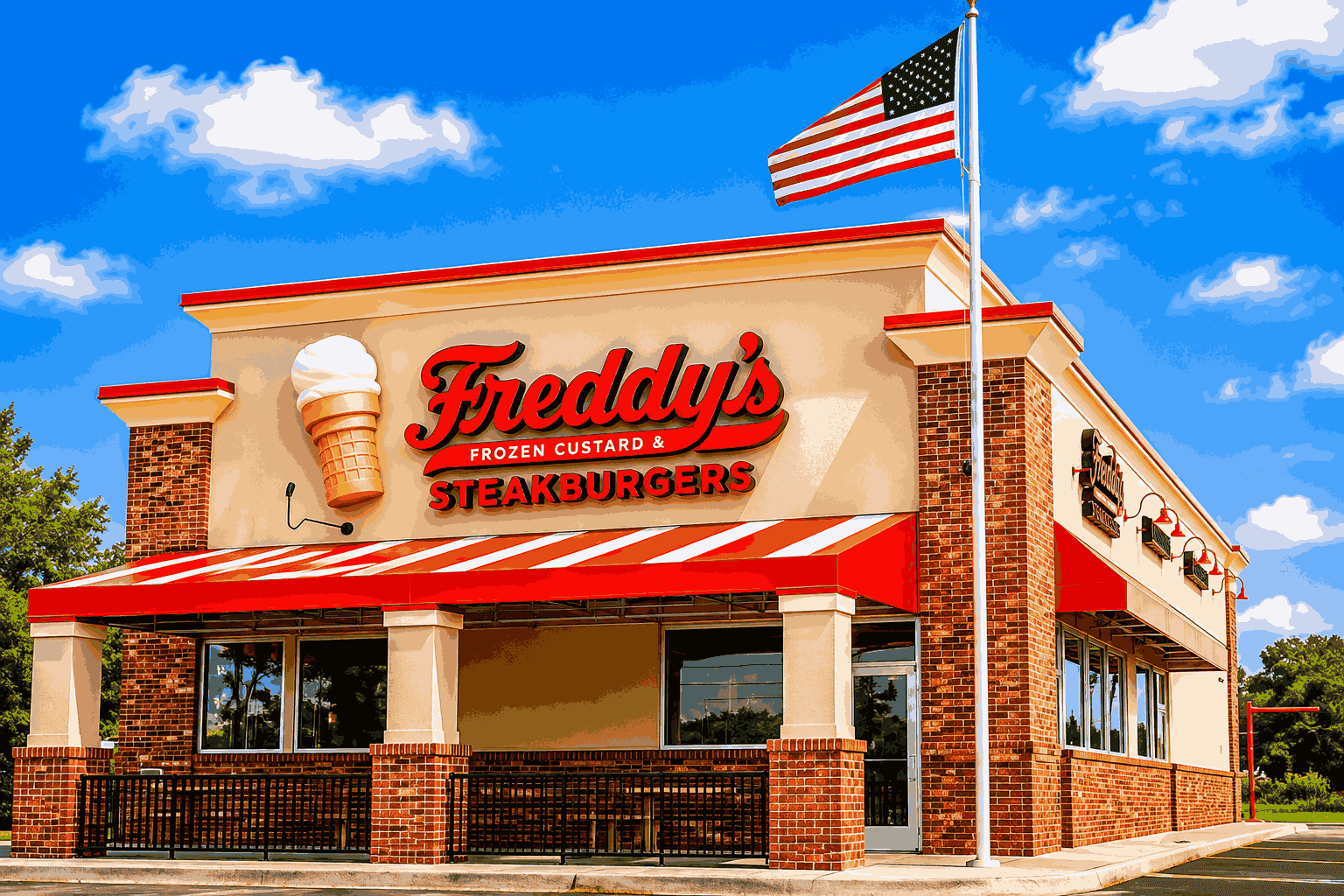
Freddy’s Frozen Custard & Steakburgers promotes Rick Petralia to Executive Chef & VP of Training & Innovation, signaling a strategic focus on culinary excellence and franchisee support.
Aug 12, 2026
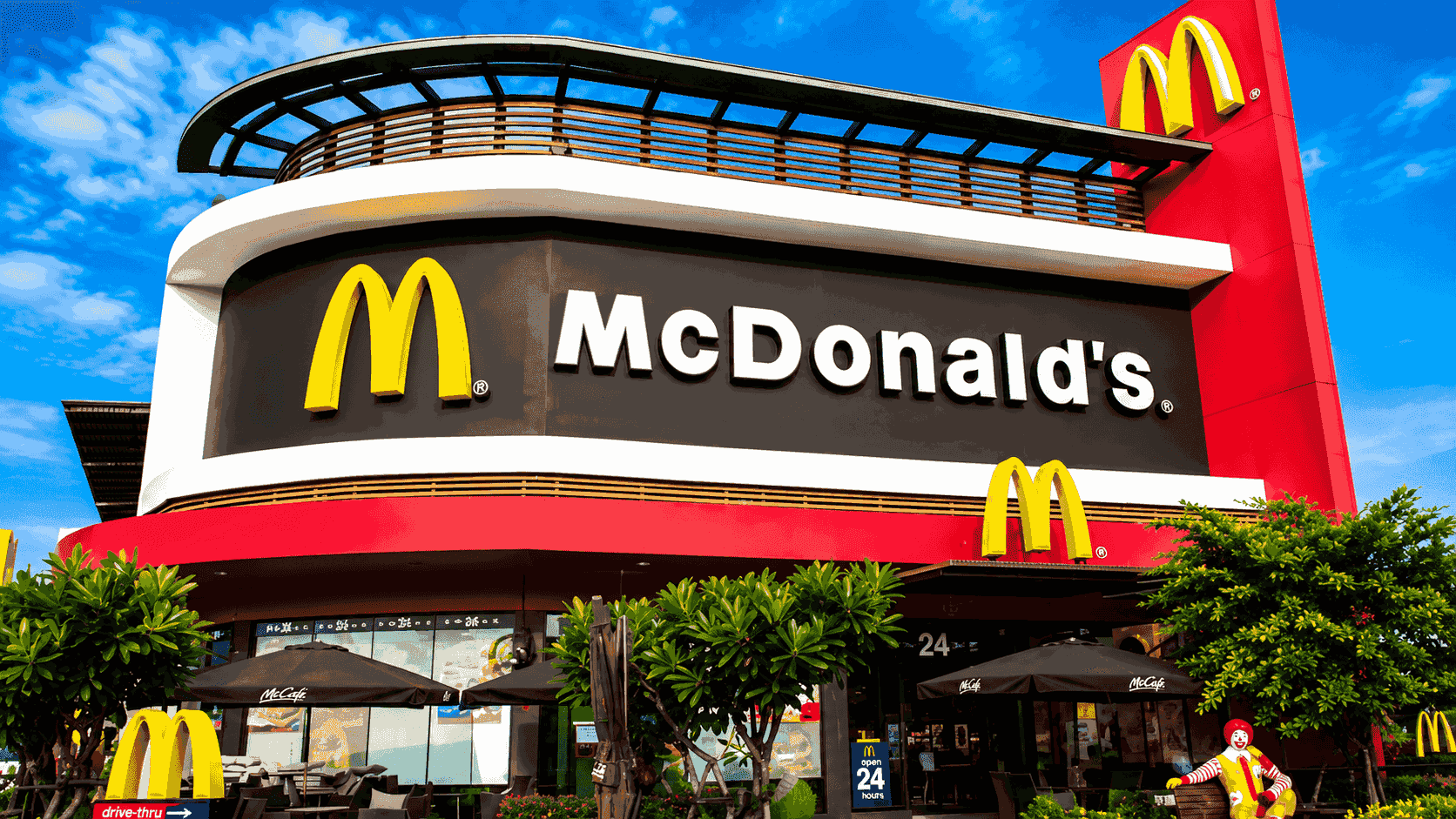
McDonald’s USA has appointed Patrick Gerber as chief restaurant officer, leveraging his decades of global experience to boost operations, food quality, and customer satisfaction in the U.S. market.
Aug 11, 2026

Unlock Exclusive Access To Webinars, Events, And The Latest News For Free!
At NRA Show 2026, protein surged, plant-based receded, and operators weighed novelty against performance amid awards, noise, and networking frictions.

Photo by Frankie Cordoba
Four days in Chicago will tell you what operators plan to buy and what they’re leaving behind. The Restaurant Business and Nation’s Restaurant News team logged about 620,000 steps across the 105th edition of the National Restaurant Association Show at McCormick Place, owned by Informa Connect. The floor felt full and purposeful. Exhibitors worked the aisles. Buyers asked tougher questions. With more than 2,000 exhibitors in the mix, the show read like a menu for the year ahead: what did the industry prioritize when it had to choose:
The draw extended past the booths. The agenda spilled into citywide activations, dinners, and awards, from Menu Masters to the Gold and Silver Plate Awards, where operators compared notes without badges in sight. Attendees from restaurants, hotels, retail, and noncommercial foodservice came to sample, network, and set direction. Last year’s crowd hovered near 58,000 attendees; this year aimed for similar. McCormick Place handled the volume; the streets handled the overflow. In a business built on execution, the show is a stress test. Ideas that survive here tend to show up on menus by fall.

Since 1919, the show has been the industry’s yearly gut check. Under Informa Connect, it’s become more than booths, it’s a network of dinners, side meetings, and awards where decisions get made. As Tom Cindric put it, the event is where the industry comes together to see what’s possible and move businesses forward. That mandate came through clearly this year. Decision-makers didn’t just browse. They pressure-tested products for taste, throughput, and cost. They filtered hype through operations. The question wasn’t what’s new; it was what works when Friday hits and tickets stack up:
Classic plant-based analogs receded. Food-away-from-home orders of those items fell 4 percent in 2024. At the same time, a projection for 15.56 percent CAGR from 2025 to 2035 shows long-term potential if suppliers evolve. On the floor, the shift was clear. Protein everything, bowls, beverages, snacks, even desserts, led the pitch, reinforced by GLP-1–influenced portion control and convenience angles. Nearly 60 percent of global consumers say they’re adding more protein, and the sampling lines moved in that direction. Less sermonizing, more satiety. It wasn’t anti-plant; it was pro-performance.

Beverage programs did real work this year. Tractor Beverage Company’s Organic Craft Haymaker earned four FABI Awards, with Citrus Ginger named a favorite, proof there’s appetite for apple-cider-vinegar tonics that feel fresh, not faddish. The line between low-tech and high-tech tightened: dirty soda kits on one end, cold-foam dispensers on the other, with usage projected to climb 25.5 percent year over year. Clean Label Project Certification added a trust layer to Haymaker’s pitch. Pretty booths drew eyes; functional builds held attention and won follow-up meetings.
Flavor mashups landed with intent. At Alkanater, Bombay chili crunch rubbed shoulders with kunafa desserts, giving operators modular ideas they could slot into snacks or LTOs without blowing up the line. The tension was audible. Carnival barker–style pitches created noise, a reminder that standing out doesn’t mean shouting. Smart boothcraft balanced novelty with throughput: short prep, clean handoffs, clear signage. The winners weren’t the loudest; they were the most repeatable. That’s what gets scaled when managers bring this back to their teams and start the math.
Jonathan Maze didn’t mince words on the retreat of fake eggs, sausage, burgers, and chicken, calling them heavily processed and noting, “suppliers were more ready for them than the public.” He lit up for Cedar Crest Ice Cream, calling it the best thing he’s eaten at the show in years and joking he could eat it forever. His party gripe was simple: “If I wanted a concert or a club I’d go to one, but I’d probably just go home to read or watch Netflix instead.” Point taken. Hospitality doesn’t need to be deafening to be memorable.
Alicia Kelso valued conversations with operators and exhibitors, a collaborative tone across the floor, but wished sessions skewed to mornings when people are freshest. Joe Guszkowski zeroed in on a pastry puff with a melted Oreo at Dimitria Delights and quipped that hotel-room coffee makers never do work after a broken brewer greeted him. These are small things that add up. Taste memory matters. So does logistics. When coffee fails and music drowns talk, the best ideas fight to be heard. The lesson is operational, not just culinary.
Third-party validation carried weight this year. Haymaker’s wins and certification signaled clean-label intent. But money still calls the play. Beyond Meat reported a 32.6 percent drop in international foodservice sales in Q1 2026 and is repositioning toward core high-protein strategies. On the show side, Restaurant365 highlighted interactive activations, pickleball courts and themed taste stations, yet lines often outpaced capacity. Add in noisy receptions, afternoon-heavy schedules, and thousands of steps a day, and you get a simple truth: ROI depends on design. Sound, pacing, and flow decide whether innovation gets real airtime.
- Balance novelty with performance: If it can’t hold up on a slammed Friday, it won’t hold menu space long.
- Design for conversation: Better sound and morning sessions help real decisions happen faster.
- Prove the return: Set clear metrics for booth traffic, activations, and follow-up conversions.
Early May mornings on Lake Michigan reminded everyone why Chicago works for this gathering. Expect the community to be back in 2027 with tighter playbooks, and a sharper filter on what earns its keep.