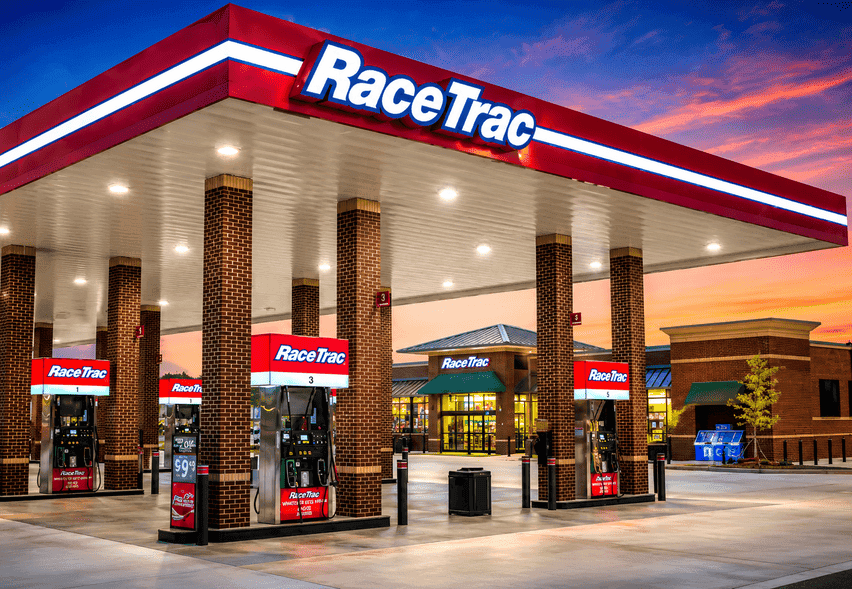
RaceTrac Names Jill Pemberton as New CFO
RaceTrac has appointed Jill Pemberton as chief financial officer, succeeding Karla Ahlert, who moves into the newly created role of chief administrative officer.
News
Aug 26, 2026
RaceTrac has appointed Jill Pemberton as chief financial officer, succeeding Karla Ahlert, who moves into the newly created role of chief administrative officer.
Aug 26, 2026
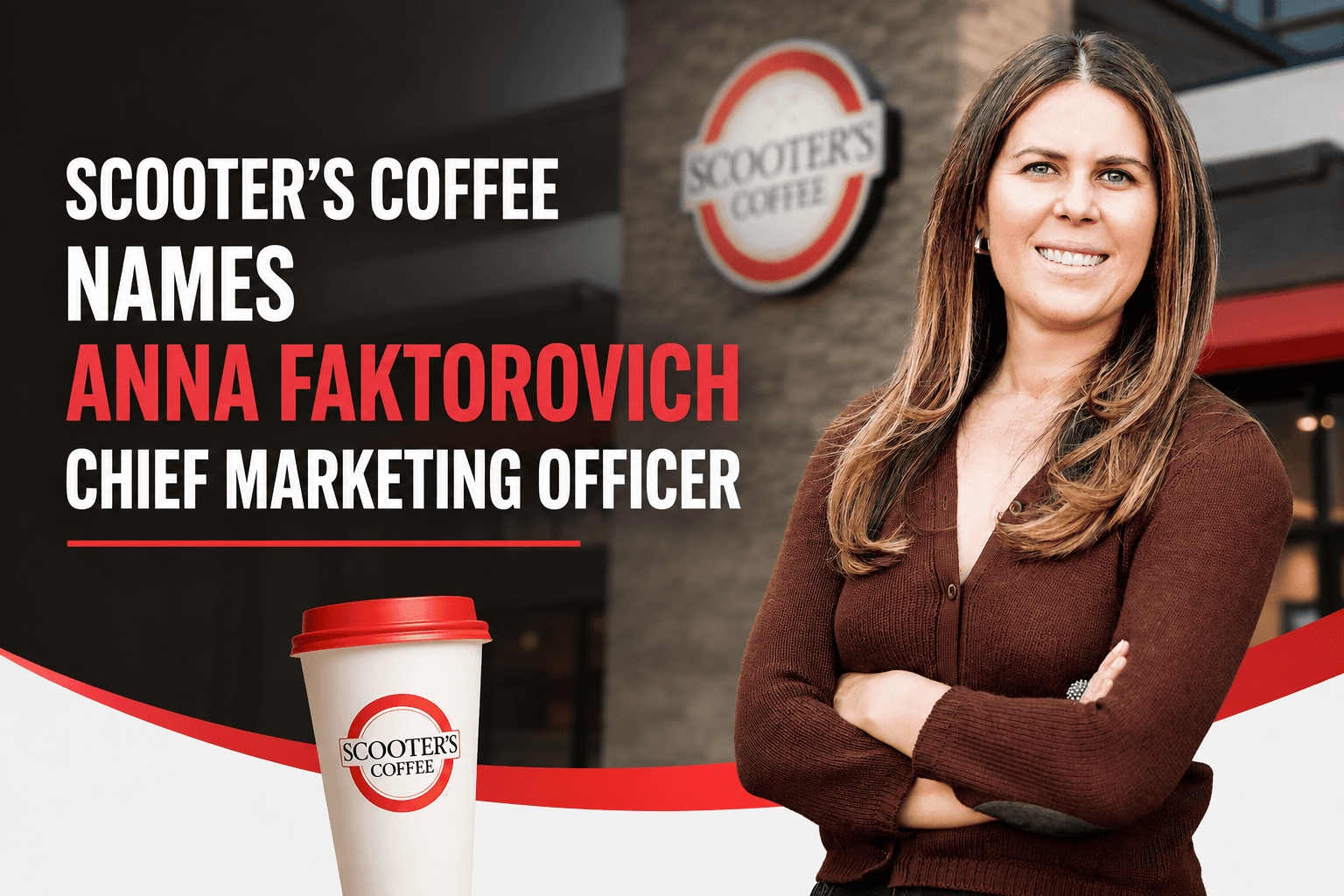
Anna Faktorovich, a seasoned marketing executive, has been named Chief Marketing Officer at Scooter’s Coffee, bringing decades of multi-brand experience to fuel the franchise’s next growth stage.
Aug 25, 2026
A payroll advance policy helps restaurant owners define eligibility, limits, repayment, documentation, approval procedures, and compliance requirements for employee advances.
Aug 24, 2026

Blaze Pizza welcomes Tracy Stockard as Chief Marketing Officer, bringing decades of brand and franchise experience to drive strategic growth and guest engagement.
Aug 25, 2026

Create a practical restaurant marketing plan by setting goals, targeting customers, choosing channels, budgeting wisely, scheduling campaigns, and measuring results.
Aug 24, 2026

Levain Bakery appoints Lorna Sommerville and Taya Stenson as co-CEOs, blending operational and marketing expertise to power national expansion and innovation while staying rooted in its brand values.
Aug 25, 2026
Wendy’s announces Tariq Hassan as Chief Marketing and Customer Growth Officer, charting a new course for brand and digital innovation. What restaurant owners can learn.
Aug 24, 2026
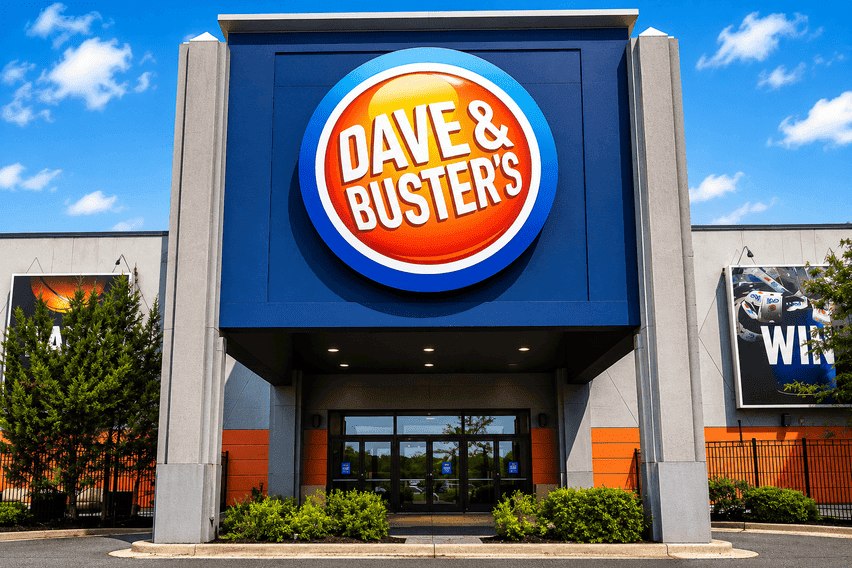
Dave & Buster's refreshes its executive lineup with seasoned leaders in operations, marketing, tech, and finance - signaling a growth-driven future for restaurant operators to watch.
Aug 24, 2026
Learn how to build a restaurant back office software stack that improves efficiency, integrations, reporting, cost control, and scalability overall.
Aug 21, 2026
Clear operating procedures help restaurants manage opening, closing, food preparation, sanitation, guest service, inventory, staffing, and routine operational reviews effectively.
Aug 21, 2026

Unlock Exclusive Access To Webinars, Events, And The Latest News For Free!
This guide explains how restaurants can gain more Yelp reviews by improving service, managing profiles, and encouraging honest guest feedback.

Before a restaurant owner tries to get more Yelp reviews, they need to understand how Yelp works. Yelp is not just a place where guests leave comments. It is a local discovery platform where potential customers compare restaurants based on ratings, review volume, photos, location, hours, menu details, and guest experience signals. The first step is to claim and complete the restaurant's Yelp business page. A weak profile can reduce trust before the guest even reads the reviews. Restaurant owners should make sure the page includes the correct business name, address, phone number, website, hours, menu link, price range, service options, and updated photos. A practical way to manage Yelp is to treat it like a weekly performance dashboard. Owners should track - 1. Average star rating - Shows the overall guest perception of the restaurant. 2. Review volume - Helps determine whether enough guests are sharing feedback. 3. Recent review activity - A restaurant with old reviews may look inactive or inconsistent. 4. Common keywords - Repeated words like "slow," "friendly," "cold," "fresh," or "expensive" reveal operational patterns. 5. Photo quality - Guest photos and business-uploaded photos influence first impressions. 6. Response rate - Shows whether the business is actively listening to customers. Restaurant owners also need to understand Yelp's review rules. Businesses should not ask customers, friends, family, staff, or mailing list subscribers to write reviews. Staff should also not compete to collect reviews. A better approach is to use neutral reminders. For example, restaurants can display Yelp signs, stickers, or simple messages such as "Let us know how we're doing online." These reminders can encourage guests to share feedback without directly asking for a review. For restaurant owners, Yelp works best when it is managed consistently. A complete profile, strong operations, updated photos, and professional responses give guests more confidence before they decide where to eat.
Getting more Yelp reviews starts before a guest ever opens the app. It starts with the experience inside the restaurant. Guests are more likely to leave a review when something stands out, either in a good way or a bad way. For restaurant owners, that means Yelp review growth is not only a marketing task. It is an operations task. A restaurant can have the right signs, an updated Yelp page, and a strong online presence, but if the guest experience is inconsistent, reviews will reflect that. Food quality, service speed, cleanliness, order accuracy, and staff attitude all influence what guests decide to write. If the food is cold, the server is rushed, or the restroom is dirty, that experience can become public feedback within minutes. Restaurant owners should focus on the areas guests notice most - 1. Food consistency - Guests expect the same quality every time they visit. Recipes, portions, plating, and temperature should be monitored daily. 2. Service speed - Long waits are one of the easiest ways to frustrate guests. Track ticket times, table turns, pickup delays, and delivery order readiness. 3. Cleanliness - Dining rooms, restrooms, menus, floors, counters, and entryways all shape trust. A clean restaurant makes guests feel more confident about the food. 4. Staff friendliness - A warm greeting, clear communication, and helpful service can turn an ordinary visit into a review-worthy experience. 5. Problem resolution - Mistakes happen. What matters is how quickly the team fixes them. A guest who feels heard may still leave with a positive impression. A practical way to improve Yelp reviews is to review guest experience data every week. Look at common complaints, repeated praise, refund reasons, wait-time issues, and staff feedback. If several reviews mention slow service on weekends, the problem may be staffing, kitchen flow, or prep levels. If guests praise a specific menu item, that item can be highlighted in photos, specials, and staff recommendations. More Yelp reviews are easier to earn when the restaurant gives guests something worth talking about. The aim is to build consistent systems that help the team deliver good food, clean spaces, fast service, and respectful hospitality as often as possible.
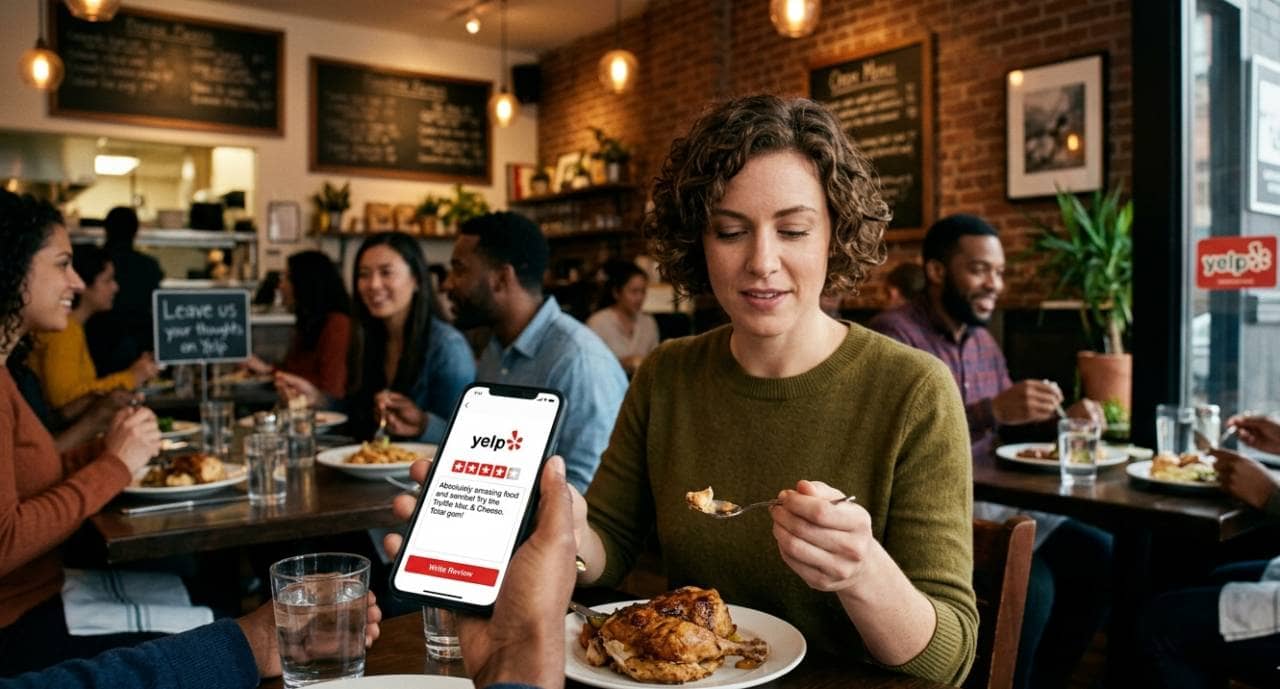
Restaurant owners need to be careful about how they encourage Yelp reviews. The desired result is to get more honest feedback, not to pressure guests, reward them, or ask only happy customers to post. Yelp is designed around natural reviews, which means restaurants should avoid direct review requests that feel forced or promotional. The wrong approach is to say, "Please leave us a 5-star review on Yelp." That kind of request can create problems because it pushes guests toward a specific outcome. Restaurants should also avoid offering discounts, free food, gift cards, loyalty points, or special treatment in exchange for reviews. Even if the intention is good, incentives can make reviews look biased and damage trust. A better approach is to create simple, neutral reminders that let guests know feedback is welcome. The wording should not ask for a positive review. It should invite guests to share their experience honestly. Restaurant owners can use phrases such as - 1. "Let us know how we're doing online." This keeps the message neutral and does not pressure the guest. 2. "We value guest feedback." This shows that the restaurant listens without directly asking for a Yelp review. 3. "Your feedback helps us improve." This frames reviews as part of better service, not just marketing. 4. "Find us on Yelp." This reminds guests that the restaurant has a Yelp page without telling them what to write. Staff training matters here. Employees should never be pushed to collect Yelp reviews like a sales goal. Instead, they should focus on giving great service, checking on the guest experience, and resolving problems before the guest leaves. If a guest compliments the food or service, the staff can respond naturally with something like, "Thank you, we really appreciate feedback like that." Restaurant owners should also avoid asking friends, family members, employees, or vendors to leave reviews. Reviews should come from real guests who had a real dining experience. That is what makes the feedback useful and believable. Getting more Yelp reviews the right way requires patience. Shortcuts may create quick activity, but they can hurt credibility. The better strategy is to build review habits around strong service, neutral reminders, and consistent guest experiences. This helps restaurants earn feedback naturally while staying within Yelp's guidelines.
Once the guest experience is strong, restaurant owners need simple ways to remind customers that feedback is welcome. Many guests may enjoy the meal, compliment the staff, and still leave without writing a review because they were never reminded. This is where small visual prompts can help. Yelp signs, stickers, and online reminders work best when they are visible but not pushy. Restaurant owners can place reminders in areas where guests naturally pause, such as - 1. Front entrance - A Yelp sticker near the door can create awareness before or after the visit. 2. Host stand or register - Guests waiting to pay, pick up food, or check in may notice a simple review reminder. 3. Receipts or check presenters - A short message like "Find us on Yelp" can work without directly asking for a positive review. 4. Takeout packaging - Stickers, bag inserts, or printed messages can remind delivery and pickup guests to share feedback. 5. Restaurant website - Adding a Yelp badge or link helps online visitors find the restaurant's review page. 6. Social media profiles - Restaurant owners can include Yelp as one of the places guests can learn more about the business. The wording matters. Avoid language that says, "Leave us a 5-star review" or "Review us for a discount." Instead, keep the message neutral. Phrases like "Find us on Yelp," "Tell us how we're doing," or "We value guest feedback" feel more natural and professional. Restaurant owners should also test where reminders perform best. If takeout orders are a large part of sales, packaging and receipts may be more effective than dining room signs. If the restaurant has heavy foot traffic, entrance stickers and window decals may help more. If guests often visit the website before making a decision, a Yelp link on the homepage can support visibility. The key is consistency. A single sign may not create a large change, but repeated reminders across the guest journey can increase awareness over time. When the experience is good and the reminder is simple, guests are more likely to share honest feedback without feeling pressured.
Staff play a major role in getting more Yelp reviews because they are the ones closest to the guest experience. A manager may read the review later, but the server, cashier, host, bartender, or food runner often sees the problem or compliment in real time. That makes staff training one of the most practical ways to improve review quality. If the guest is happy, the team can reinforce that positive experience. If the guest is unhappy, the team has a chance to fix the issue before it becomes a negative public review. Restaurant owners should train staff to look for simple signals - 1. Positive comments - If a guest says the food was great, the service was fast, or they loved the atmosphere, that is a sign of a strong experience. Staff can thank them and let them know the restaurant values feedback. 2. Visible frustration - Long waits, cold food, missing items, confusion with the bill, or ignored tables can lead to negative reviews. Staff should be trained to act quickly instead of hoping the guest forgets. 3. Repeat guest behavior - Regular customers are often more willing to support the restaurant because they already have trust in the business. Staff should recognize repeat guests and make them feel appreciated. 4. Takeout and delivery issues - Pickup guests may not stay long, but they still leave reviews. Staff should confirm order accuracy, packaging quality, sauces, utensils, and wait times before the customer leaves. 5. Manager-worthy moments - If a guest is extremely happy or clearly upset, staff should know when to involve a manager. A quick table visit can protect the experience and show the guest that the restaurant cares. Owners can make this measurable by tracking common guest issues by shift. For example, managers can review how many complaints were resolved during service, how many orders were remade, how many guests mentioned delays, and which team members received positive feedback. This turns review management into an operational habit instead of a guessing game. The best Yelp reviews usually come from real experiences that feel personal. A friendly greeting, a fixed mistake, a thoughtful recommendation, or a manager checking in at the right time can give guests a reason to remember the restaurant. When staff are trained to listen, respond, and solve problems early, the restaurant has a better chance of earning honest reviews after the visit.

Getting more Yelp reviews is only part of the strategy. Restaurant owners also need to respond to the reviews they already have. A review response shows guests that the business is paying attention, listening to feedback, and willing to improve. Even when the response is written to one person, many future customers may read it before deciding whether to visit. A strong Yelp response should be professional, specific, and calm. Owners should avoid defensive language, copy-paste replies, or arguments. Restaurant owners should handle reviews in three categories - 1. Positive reviews - Positive reviews should receive a simple, genuine thank-you. Mention something specific from the review if possible, such as the dish, service, atmosphere, or staff compliment. This makes the response feel personal instead of automated. Example - "Thank you for the kind feedback. We're glad you enjoyed the tacos and fast service. We appreciate you dining with us." 2. Neutral reviews - Neutral reviews often include both praise and criticism. These are useful because they show what is working and what still needs attention. Thank the guest for visiting, acknowledge the concern, and explain that the team will review it. Example - "Thank you for sharing your experience. We're glad you enjoyed the food, and we appreciate the note about the wait time. We'll review this with our team." 3. Negative reviews - Negative reviews should be handled carefully. Start by acknowledging the guest's concern, apologize when appropriate, and invite them to contact the restaurant directly. Avoid blaming the guest, correcting every detail publicly, or using emotional language. Example - "We're sorry to hear that your visit did not meet expectations. We appreciate you bringing this to our attention and would like the opportunity to learn more." Restaurant owners should also track review themes, not just individual comments. If several reviews mention slow service, wrong orders, cold food, or poor communication, the issue may be operational. Review responses should be paired with action inside the restaurant. A practical review process can include checking Yelp at least once per week, tagging common issues, sharing feedback with managers, and reviewing patterns during staff meetings. This keeps reviews from becoming a passive marketing problem and turns them into useful performance data. Professional responses can also encourage future reviews. When guests see that the restaurant responds respectfully, they may feel more comfortable sharing their own experience. Over time, consistent response habits can help build trust, protect the restaurant's reputation, and show potential customers that the owner cares about service quality.
Getting more Yelp reviews should not be treated as a one-time marketing push. It should become part of the restaurant's weekly operating routine. A restaurant can deliver great food and service, but if the Yelp page has old photos, wrong hours, outdated menu details, or unanswered reviews, guests may lose confidence before they visit. Restaurant owners should start by keeping the Yelp profile accurate. The page should reflect what guests can actually expect when they arrive. This includes the correct address, phone number, business hours, menu link, pricing details, service options, photos, and restaurant amenities. If the restaurant offers takeout, delivery, outdoor seating, reservations, catering, happy hour, or private events, those details should be clear and current. A practical Yelp review routine can include - 1. Update photos monthly - Add clear photos of popular dishes, drinks, dining areas, patio seating, specials, and seasonal items. Fresh photos make the restaurant look active and help guests picture the experience. 2. Check business details weekly - Hours, holiday schedules, menu links, phone numbers, and ordering options should be reviewed often. Incorrect information can create frustration and lead to negative reviews. 3. Monitor review trends - Do not only look at the star rating. Track repeated comments about service speed, food quality, cleanliness, wait times, pricing, and staff attitude. 4. Respond on a set schedule - Owners or managers should review and respond to Yelp reviews at least once per week. A consistent response habit shows guests that the restaurant is engaged. 5. Share feedback with the team - Positive reviews can motivate staff, while negative reviews can highlight training opportunities. Review patterns should be discussed with managers and team members. 6. Measure progress over time - Track review count, average rating, response rate, and common complaint categories month over month. This helps owners see whether operational changes are improving guest perception. Consistency is what makes Yelp useful. If owners only check reviews after a bad complaint, they are reacting too late. A better approach is to treat Yelp like part of the restaurant's reputation system. The same way owners review labor costs, food costs, sales, and guest complaints, they should also review online feedback. More Yelp reviews come from steady habits - accurate information, strong service, visible reminders, professional responses, and regular follow-up. When Yelp management becomes part of the restaurant's weekly routine, owners can build trust, improve operations, and make it easier for satisfied guests to share their experience.
