
How to Start a Restaurant With No Experience
Learn how to open a restaurant with no experience by planning your concept, budget, location, team, operations, and successful launch.
Business Management
Aug 19, 2026
Learn how to open a restaurant with no experience by planning your concept, budget, location, team, operations, and successful launch.
Aug 19, 2026
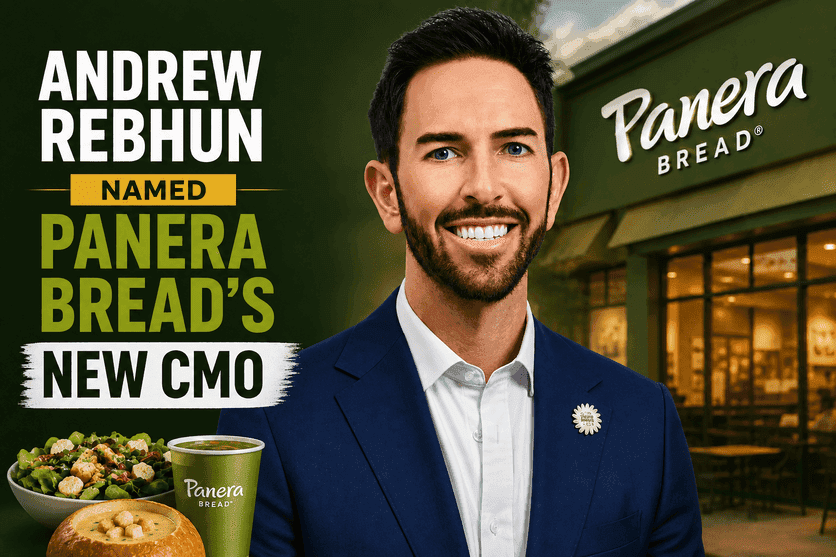
Panera Bread welcomes Andrew Rebhun as Chief Marketing Officer, succeeding Mark Shambura. Learn about his background at CAVA, El Pollo Loco, and McDonald's.
Aug 20, 2026

Payroll advances help restaurant owners give hourly employees earlier access to earned wages while maintaining accurate records, policies, and compliance.
Aug 19, 2026
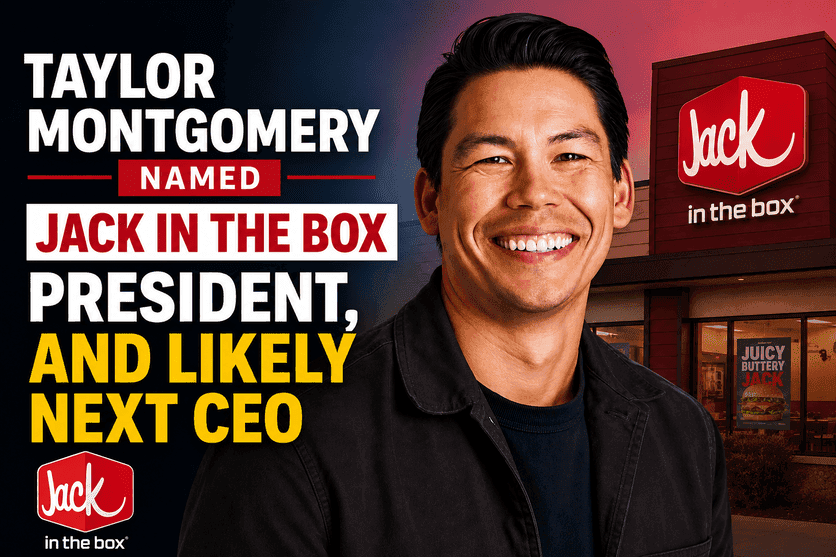
Taco Bell’s Taylor Montgomery has been appointed as President of Jack in the Box, positioning him to take over as CEO within a year - signaling major shifts for the QSR brand's future.
Aug 20, 2026
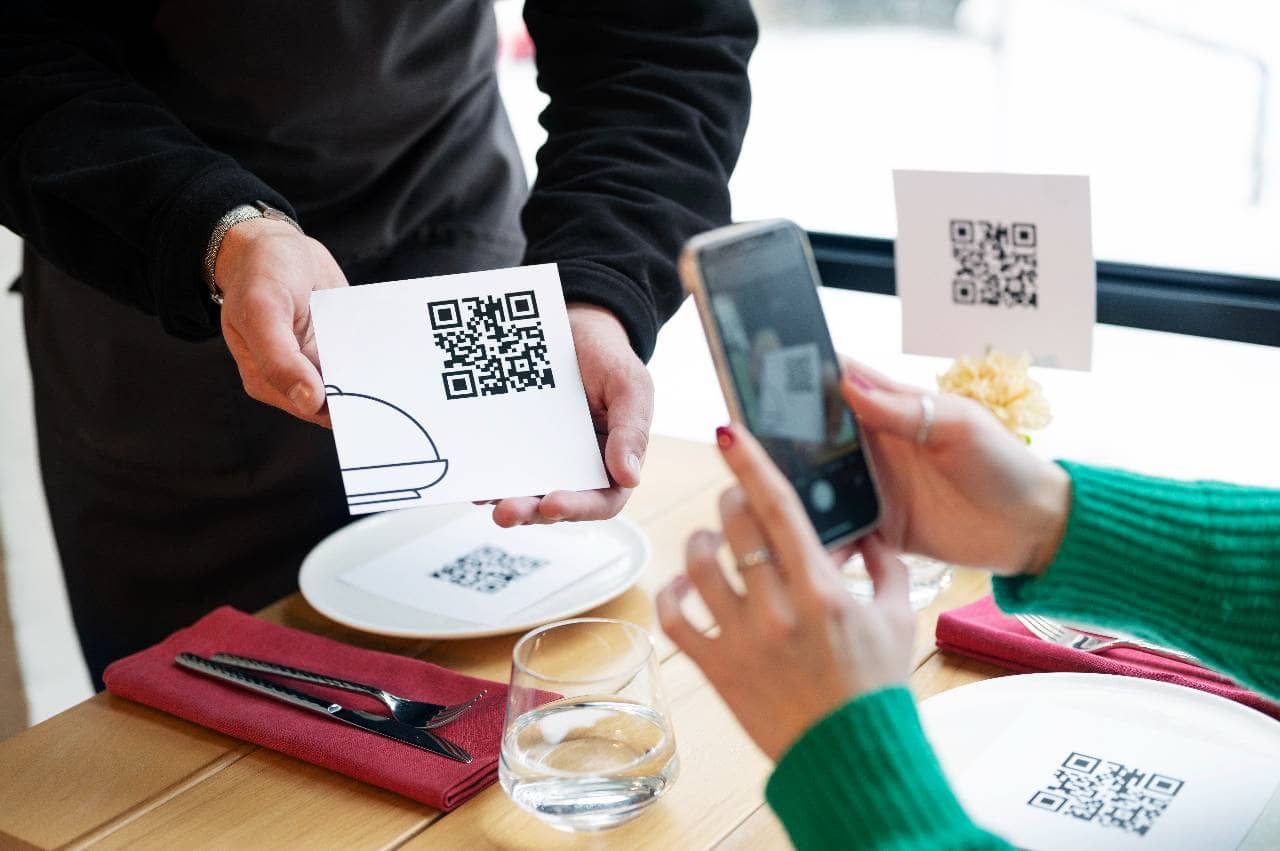
Explore the main types of ordering technology restaurants use to improve accuracy, speed, payments, customer convenience, and operational efficiency daily.
Aug 17, 2026

Learn the eight essential steps of the restaurant payroll process, from tracking hours and calculating wages to payments and recordkeeping.
Aug 17, 2026

Discover how restaurant SMS marketing works, from building subscriber lists and creating campaigns to improving engagement and measuring marketing performance.
Aug 14, 2026
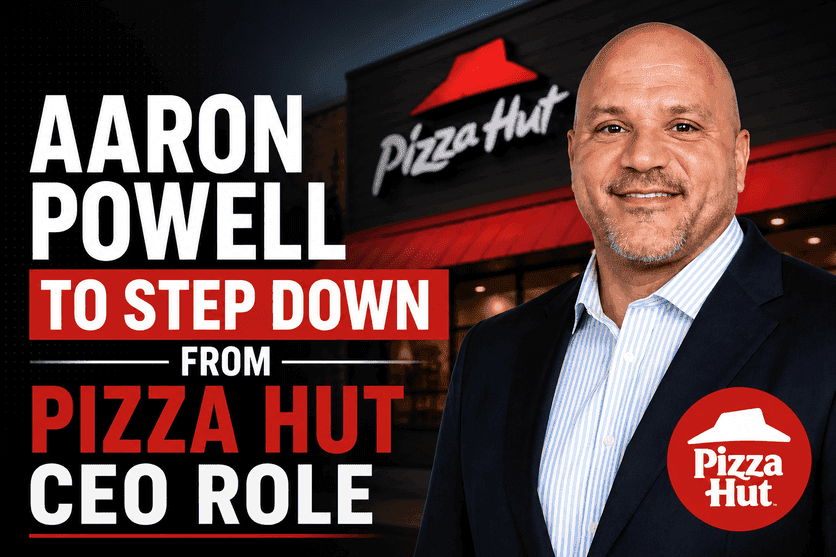
The transition of Pizza Hut's CEO, Aaron Powell, marks a pivotal moment for the chain and offers valuable leadership lessons for restaurant owners. Here’s what this executive change could mean for your business.
Aug 17, 2026
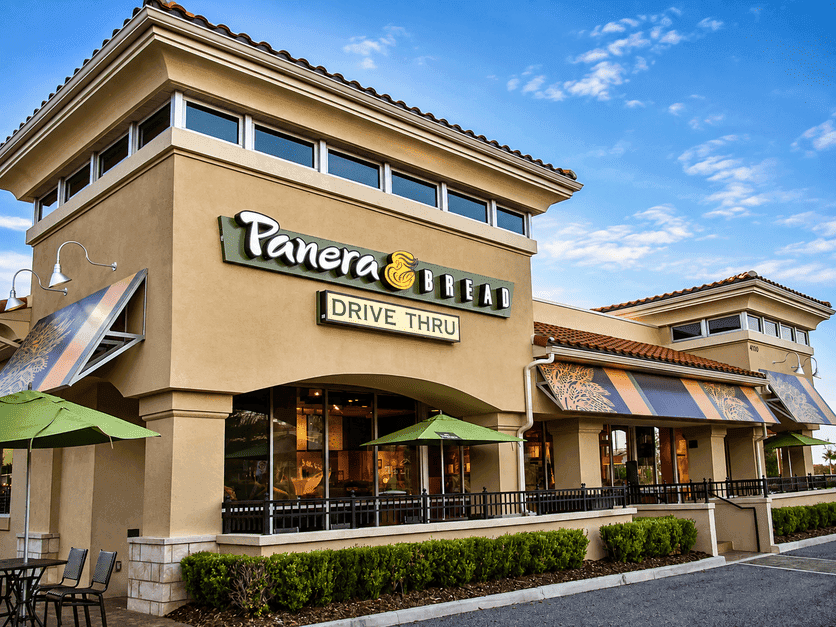
Panera Bread welcomes Andrew Rebhun as its new CMO to spearhead strategic brand growth and transformation, bolstering its vision for 2028.
Aug 17, 2026

Learn how to manage cash flow in your restaurant by tracking finances, controlling costs, forecasting needs, and building cash reserves.
Aug 14, 2026

Unlock Exclusive Access To Webinars, Events, And The Latest News For Free!
Set restaurant business goals for 2026 by reviewing 2025 results, picking priorities, writing SMART goals, tracking metrics, and planning quarterly.

Setting restaurant business goals for 2026 sounds simple - until you're in the middle of a busy week, vendors are calling, someone didn't show up, and the "plan" becomes "just survive today." That's why most restaurant goals fail. They're too broad ("increase sales"), too many ("fix everything"), or they don't come with a clear way to measure progress. Before you set restaurant business goals for 2026, you need a quick, honest snapshot of 2025. Not a full "deep dive" that takes days - just enough to know what you're improving and what needs to change. If you skip this step, your 2026 goals will be guesses, and it's easy to set targets that don't match your real capacity, staffing, or sales patterns. Start by pulling 12 months of basic numbers (from your POS, labor system, and invoices). If you don't have 12 months, use the most recent 3-6 months. Here's what to gather - 1. Sales - total sales by month, plus a quick view of sales by daypart (breakfast/lunch/dinner/late night) if you have it 2. Labor - total labor dollars and labor % by month (and overtime hours if you track it) 3. Food cost - COGS or food cost % by month (even an estimate is fine) 4. Prime cost - if you track it, great - if not, just note labor % + food % together 5. Menu performance - your top 10 best-sellers and bottom 10 items (by sales or count) 6. Guest feedback - average star rating and the top 3 complaint themes you see repeatedly 7. Operational pain points - your most common issues (call-offs, slow ticket times, prep shortages, waste, refunds) Now do a simple review using three questions What worked (and should be protected)? Example - Friday dinner is strong, your best sellers are consistent, reviews improved, or your new prep system reduced mistakes. What didn't work (and keeps costing you time or money)? Example - labor spikes on slow days, waste is high on certain ingredients, training gaps cause comped meals, ordering is inconsistent. What do you want to change first in 2026? Pick the biggest "levers" that will actually move results - usually staffing routines, scheduling, inventory discipline, speed/quality systems, or marketing consistency. Finally, write down your baseline numbers (your current average). These baselines are what your 2026 goals will improve. A goal like "reduce food cost by 2%" is only useful if you know where you're starting. This step turns goal-setting from wishful thinking into a plan you can measure.

Once you've reviewed 2025, the next step is choosing what to focus on in 2026. This is where most restaurant owners get stuck - because everything feels important. Sales, staffing, costs, reviews, speed, training, marketing... it's a long list. The problem is that trying to fix everything at once usually means nothing actually changes. A simple way to narrow your focus is to sort goals into four categories. These cover the areas that drive most restaurant results - 1) Financial Goals (Money) - These goals protect profit and cash flow. They're usually the easiest to measure. Examples - increase monthly sales, improve profit margin, lower labor %, reduce food cost %, build a cash reserve. 2) Operations Goals (Systems + Consistency) - These goals reduce mistakes, speed up service, and make the restaurant run smoother. Examples - reduce ticket times, improve order accuracy, tighten inventory counts, reduce waste, improve prep and line setup. 3) People Goals (Staffing + Training) - These goals help you hire faster, keep good employees, and reduce chaos. Examples - reduce turnover, improve training completion, build shift leader depth, reduce call-offs, improve schedule stability. 4) Marketing & Guest Goals (Traffic + Reputation) - These goals bring in guests and increase repeat business. Examples - improve star rating, increase repeat visits, grow catering orders, build an email/SMS list, improve online ordering conversion. How many goals should you set? Keep it small. For most restaurants, 6 to 10 total goals is a good range. A simple approach is - 1-2 goals per category (or 2-3 in your weakest area and 1 in others) How to choose the right goals - Use your 2025 review to pick goals that solve your biggest bottlenecks. If you were understaffed and training was weak, setting launch catering might be too much too soon. If sales were fine but food cost was out of control, cost goals may give you the biggest payoff. A good sign you picked the right priorities - you can explain them in one sentence, and they clearly connect to your daily problems. That's how your 2026 goals stay realistic - and actionable.
Now that you know your 2026 priorities, you need to write goals in a way that makes them clear and trackable. The easiest method is SMART goals. It sounds formal, but it's really just a way to remove confusion. A SMART goal tells you exactly what you're trying to improve, by how much, and by when. Here's what SMART means in plain language - S - Specific. What exactly are you improving? M - Measurable. How will you track it with a number? A - Achievable. Can your restaurant realistically do this with your current team and budget? R - Relevant. Does this goal actually matter to your business (profit, guest experience, stability)? T - Time-bound. When will you hit it (and when will you check progress)? Turn vague goals into SMART goals Most goals start out too broad. Here are a few quick "before and after" examples - Vague - "Increase sales in 2026." SMART - "Increase average monthly sales by 8% by December 2026 by improving weekend staffing and running one monthly promo." Vague - "Control labor." SMART - "Reduce average labor from 31% to 29% by Q3 2026, while maintaining service standards (no drop in reviews)." Vague - "Reduce waste." SMART - "Cut weekly food waste costs by 15% by June 2026 using a weekly waste log and tighter prep pars." Vague - "Improve training." SMART - "Have 100% of new hires complete core training within 14 days by March 2026, tracked with a simple checklist." Add milestones so the goal doesn't drift Big annual goals feel far away. Break them into smaller checkpoints - 1. Quarterly targets - where you want to be each quarter 2. Monthly targets - what "on track" looks like month to month Example - If your goal is to improve labor by 2 points by December, your milestones might be 0.5 points by Q1, 1 point by Q2, 1.5 by Q3, and 2 by Q4. When your goals are SMART, you don't have to "guess" if you're winning. You'll know - because the numbers will tell you.
A goal without a metric is just a hope. The point of tracking isn't to create more paperwork - it's to make your goals obvious. If the number is moving the right way, you keep going. If it's not, you adjust the actions before you lose months. A simple way to pick the right metric is to use two types - 1. Lagging indicators - the final result (what happened) Examples. Monthly sales, profit, labor %, food cost %, average star rating 2. Leading indicators - the actions that usually cause the result (what drives it) Examples. Schedule accuracy, training completion, waste log totals, ticket times, review response rate Most restaurants do better when each goal has 1 lagging metric + 1-2 leading metrics. Examples (goal and metrics) 1. Increase sales Lagging. Weekly/monthly sales, average check Leading. Guest counts, promo redemptions, online order volume, loyalty sign-ups 2. Reduce labor cost Lagging. Labor % Leading. sales per labor hour, overtime hours, shift over/under staffing notes 3. Lower food cost / waste Lagging. Food cost % Leading. Weekly waste dollars, variance on top 10 items, inventory count accuracy 4. Improve service speed Lagging. Guest complaints about speed, refunds/voids tied to delays Leading. Average ticket time, peak-hour ticket time, order accuracy checks 5. Improve retention Lagging. Turnover rate Leading. 30/60.90-day retention, training completion in first 14 days, manager check-ins completed Decide how often to track Keep it light - Daily - sales, labor hours vs. sales (quick glance) Weekly - waste log, ticket times, scheduling issues, top complaints Monthly - labor %, food cost %, prime cost, reviews trend Set up one "goal scoreboard" (even a single sheet) where you update the same numbers every week. When tracking is simple and consistent, your 2026 goals stop being a once-a-year document - and become part of how you run the restaurant.

This is the step that turns goal-setting into real change. Most restaurant goals fail because they stay at the "owner level" and never become daily or weekly actions for the team. If the staff doesn't know what needs to happen differently, nothing will improve - no matter how good the goal sounds. Start by breaking each goal into simple actions that fit into your normal routines. A good rule - if an action can't be done in a shift, a week, or a month, it's too big. You want small, repeatable steps. Step 1. Convert each goal into 3-5 weekly actions Example. Goal = reduce food waste by 15% by June Weekly actions could be - - Track waste in a simple log (item + reason + cost) - Review top 5 waste items every Monday - Adjust prep pars for the next week - Train the team on portioning for the top 2 problem items - Check cooler organization and FIFO twice a week Example. Goal = reduce labor from 31% to 29% Weekly actions could be - - Schedule to forecast (not last week's schedule) - Set labor targets by daypart (not just daily) - Assign one manager to watch breaks and overtime daily - Review sales per labor hour each week and adjust staffing patterns Step 2. Assign an owner to each goal Every goal needs a clear "owner" - not just "management." - Owner's job. Update the metric, lead the weekly actions, report issues early - You can still be the final decision-maker, but ownership creates follow-through Step 3. Document the standards (so it's consistent) You don't need a huge manual. You need the basics written down - - A checklist (opening, prep, shift change, closing) - A simple ordering/inventory routine (par levels, count schedule) - Training steps for new hires and shift leads - Scheduling rules (coverage standards, break rules, overtime prevention) When goals become routines, they stop depending on motivation. Your restaurant improves because the system improves - and your team can actually see what "winning" looks like each week.
Even good goals can fail if you try to push everything at once. Restaurants have busy seasons, slow seasons, staffing changes, weather swings, and local events. A goal calendar helps you match your goals to reality - so you're working on the right things at the right time. The simplest approach is to focus by quarter. You're not ignoring other goals - you're just choosing what gets the most attention each quarter. That prevents overwhelm and keeps your team from feeling like priorities change every week. Q1 (January-March) - Fix the foundation Q1 is perfect for tightening systems because many restaurants have slower periods after the holidays. - Clean up scheduling routines (coverage standards, break planning, overtime control) - Set inventory discipline (count schedule, pars, ordering rules) - Refresh training basics (station training, food safety, service standards) - Choose your scoreboard metrics and start tracking weekly Goal examples. Reduce waste, stabilize labor %, improve training completion, reduce late deliveries or stockouts. Q2 (April-June) - Build sales and consistency As traffic picks up, focus on repeatable execution. - Improve speed and accuracy during peak shifts - Run a simple marketing plan (one consistent weekly rhythm) - Improve review response habits and guest recovery - Strengthen manager routines (pre-shift huddles, shift notes) Goal examples. Increase guest count, improve ticket times, raise online ratings, grow catering or lunch traffic. Q3 (July-September) - Strengthen staffing and operations under pressure This quarter often includes vacations, turnover, and operational strain. - Build depth. Cross-training and shift leader development - Tighten prep systems and handoffs to reduce mistakes - Review menu performance and remove low performers if needed Goal examples - reduce turnover, improve schedule stability, reduce comps/refunds, improve execution on best-sellers. Q4 (October-December) - Maximize peak season and prepare for next year Q4 is about winning the busiest stretch and setting up the next year. - Holiday staffing plan and peak-week scheduling - Inventory planning for high-volume weeks - Marketing calendar for major holidays - Year-end review and 2027 draft goals A quarterly goal calendar keeps your 2026 plan focused, realistic, and easier to manage - without letting your goals disappear when things get busy.