Pei Wei Wins Best Fast-Casual Chain Award
Pei Wei Asian Kitchen named Best Fast-Casual Chain in Reviewed 2026 Awards, reflecting shift from price competition to quality and transparency.
News
Sep 11, 2026
Pei Wei Asian Kitchen named Best Fast-Casual Chain in Reviewed 2026 Awards, reflecting shift from price competition to quality and transparency.
Sep 11, 2026

O'Charley's shuttered all corporate restaurants nationwide on September 9, 2026, ending its 55-year legacy as a casual-dining regional powerhouse.
Sep 11, 2026
Authentic Restaurant Brands lands $325M investment from Trimontium to fuel disciplined regional expansion across five established restaurant concepts.
Sep 11, 2026

Walmart expands restaurant delivery beyond Subway and Dunkin', taking on DoorDash, Uber Eats, and Grubhub with Papa Johns nationwide rollout.
Sep 11, 2026

Complete NFL season restaurant checklist covering licensing, AV setup, menu prep, inventory, staffing, and marketing before kickoff arrives.
Sep 11, 2026

California shifts to public enforcement strategy against Dickey's for deceptive franchise disclosures, signaling stricter state-level franchise oversight.
Sep 10, 2026
Paul Brown temporarily steps away from Inspire Brands as Scott Murphy assumes interim CEO role during confidential IPO filing process targeting late 2026.
Sep 10, 2026
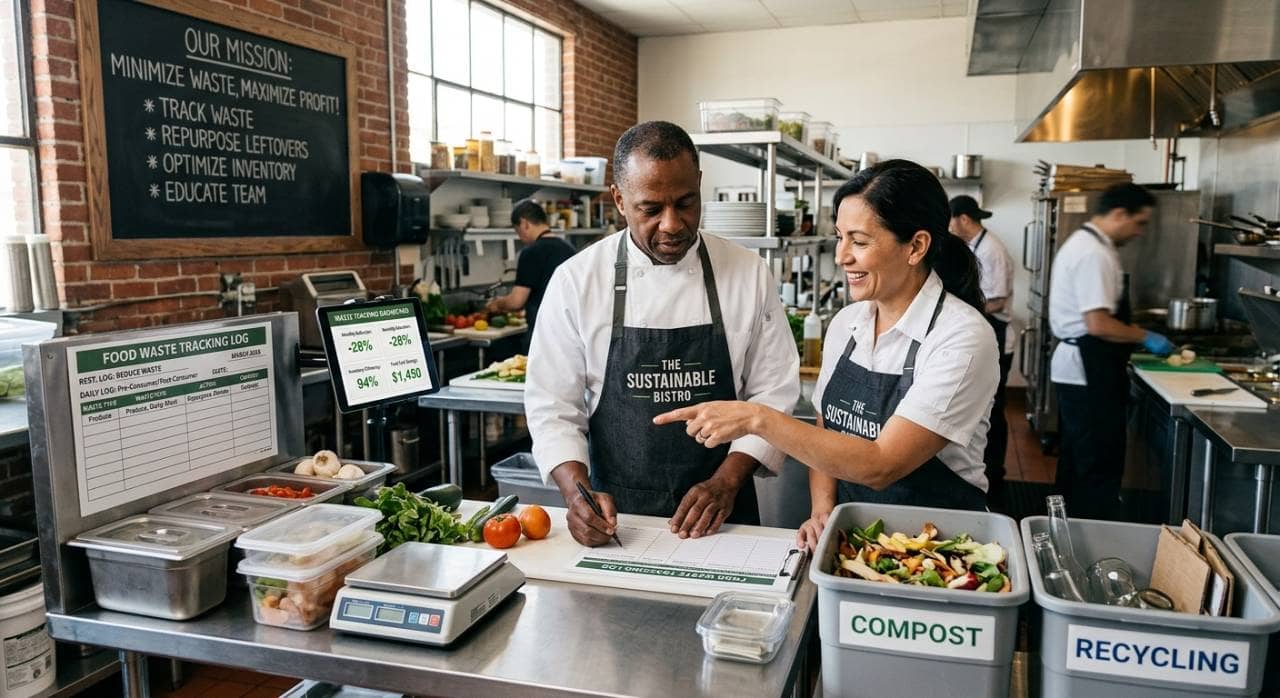
Learn how to reduce food waste in restaurants through smarter purchasing, storage, preparation, and service strategies that cut costs.
Sep 9, 2026
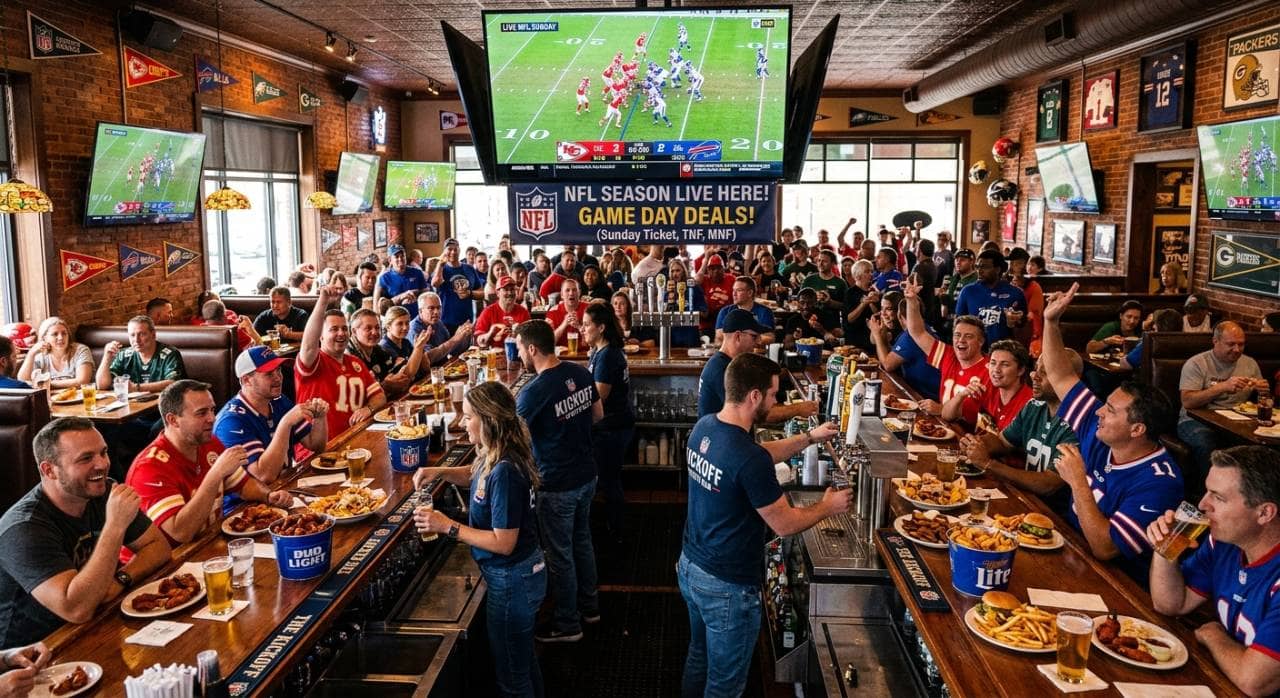
Prepare your restaurant for NFL season with smart menu planning, staffing, marketing, technology, and atmosphere strategies that boost season-long revenue.
Sep 9, 2026
Swig signs franchise agreement for 11 South Denver locations, marking Colorado entry and validating its national expansion strategy.
Sep 8, 2026

Unlock Exclusive Access To Webinars, Events, And The Latest News For Free!
A profitable cafe starts with audience building, data-driven location choices, smart financial planning, AI support, strong systems, and community-focused marketing.
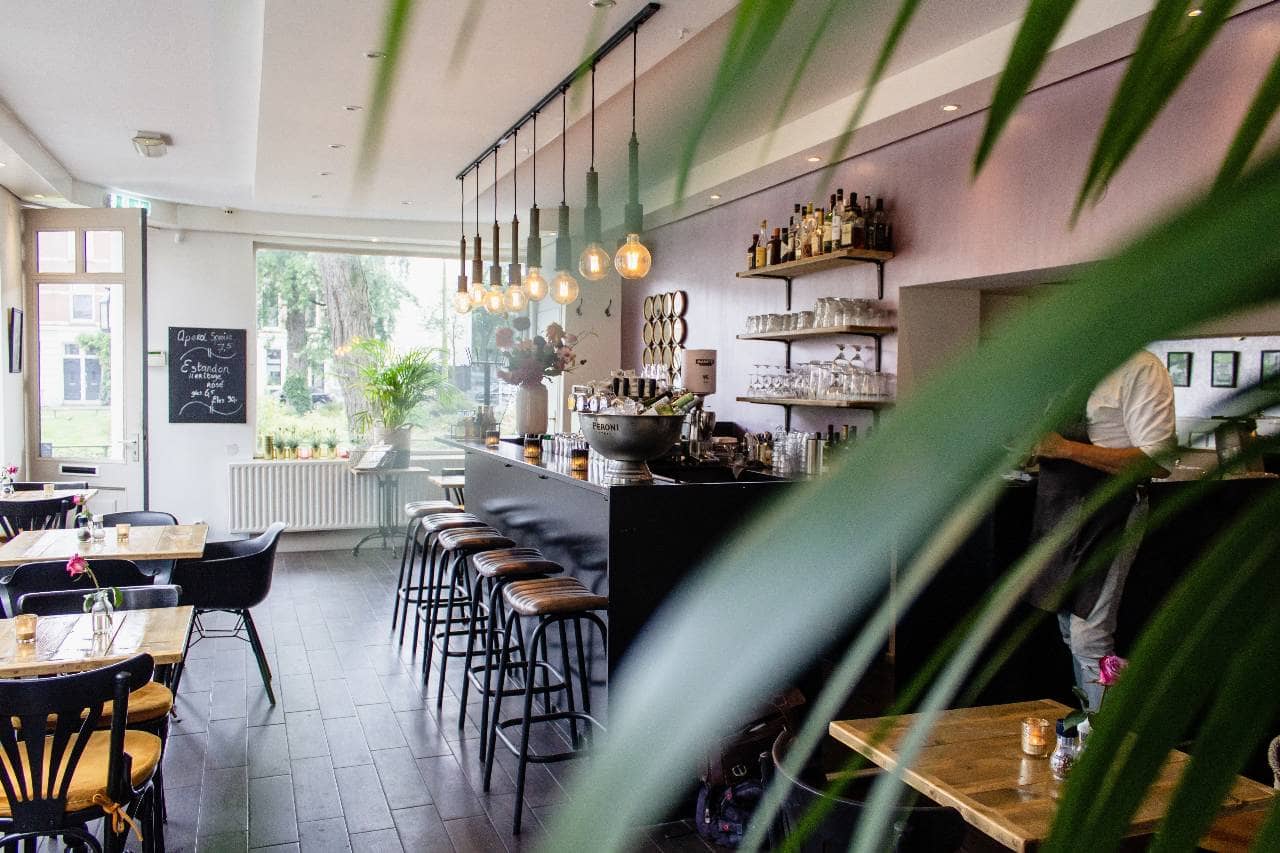
Opening a cafe in 2026 is not just about good coffee, a beautiful space, or a strong passion for hospitality. The food and beverage industry has become one of the most unforgiving business categories for first-time owners. Industry failure rates are often reported as high as 60% in the first year and 80% within five years, which shows how quickly small mistakes can turn into expensive problems. The biggest challenge is that cafes operate with very little room for error. Food costs continue to rise. Labor is expensive. Rent is usually fixed before the business has proven demand. Equipment, packaging, insurance, utilities, maintenance, and marketing all create pressure before the first customer even walks in. On top of that, delivery apps can take fees as high as 30%, which can erase profit from orders that already have thin margins. This is why the old way of opening a cafe is becoming dangerous. Writing a long business plan, searching for a physical location, signing a lease, and hoping people show up is no longer a smart strategy. In today's market, that approach puts too much money at risk before the owner has tested the concept, built an audience, or validated demand. A successful cafe owner now needs more than a love for food or coffee. Passion may help create the idea, but data keeps the business alive. Owners need to understand customer behavior, location traffic, menu margins, labor costs, content marketing, and cash flow before opening day. Artificial intelligence can support that process by helping owners plan smarter, forecast costs, test ideas, create content, and make decisions with less guesswork.
ne of the biggest mistakes new cafe owners make is spending money on rent before they know whether people actually want the concept. A beautiful space does not guarantee traffic. A strong menu does not guarantee repeat customers. In 2026, the safer path is to build attention first, then use that attention as proof that the cafe has demand. Before signing a lease, cafe owners should work toward building a small but loyal audience. The goal is not to become famous online. The goal is to create a group of people who care enough to follow the journey, comment on ideas, share feedback, and eventually visit when the cafe opens. A practical benchmark is the 1,000 real fans goal. If a cafe can attract 1,000 people who are genuinely interested before opening day, the business is no longer launching to strangers. This audience can be built through transparent content. Instead of waiting until everything looks perfect, owners can document the real process behind the cafe. This may include testing coffee beans, developing recipes, choosing packaging, designing a logo, visiting potential locations, testing pastries, discussing mistakes, or sharing the reason behind the concept. This type of content builds trust because people feel like they are part of the journey before they ever buy a drink. AI can make this process easier. A cafe owner can use tools like ChatGPT to create a 30-day pre-launch content calendar, generate video ideas, write captions, organize launch updates, and turn one behind-the-scenes moment into multiple social media posts. Instead of guessing what to post each day, the owner can create a consistent system for building attention.
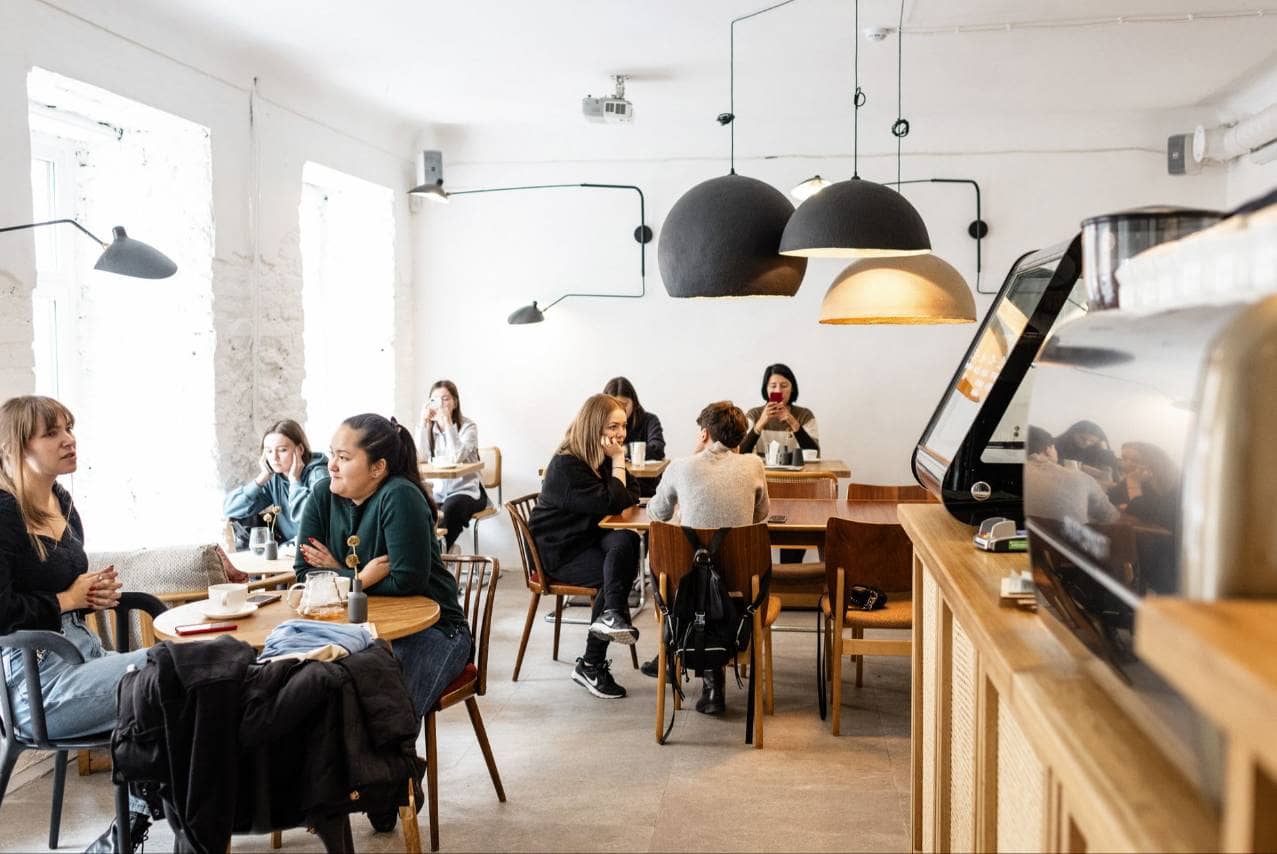
A cafe concept works best when the owner treats the brand as part of the business model, not just as decoration. In 2026, customers are not only choosing where to buy coffee. They are choosing where to spend time, meet friends, work, take photos, join a routine, and feel connected to a certain lifestyle. This means the cafe's vision, vibe, and community promise should be defined before major money is spent on design, equipment, signage, or buildout. A weak concept creates expensive confusion. For example, if a cafe wants to attract remote workers, the space may need comfortable seating, outlets, reliable Wi-Fi, longer dwell-time planning, and quiet design. If the cafe is built for quick morning traffic, the layout may need faster ordering, grab-and-go products, smaller seating areas, and clear menu visibility. If the concept is wellness-focused, the menu may need matcha, high-protein drinks, low-sugar options, functional beverages, and partnerships with gyms, pilates studios, or run clubs. The mistake many first-time owners make is designing the space before defining the customer. A cafe cannot serve every type of guest equally well. A student-friendly cafe, a luxury espresso bar, a neighborhood bakery cafe, and a high-volume commuter shop all require different pricing, layouts, menu choices, hours, staffing, and marketing. A practical cafe brand planning process may look like this - 1. Target customer - Define who the cafe is built for, such as remote workers, commuters, students, wellness customers, families, creators, or weekend social groups. 2. Customer behavior - Identify when the target customer visits, how long they stay, what they order, how much they spend, and what makes them return. 3. Brand feeling - Decide what the cafe should make people feel, such as calm, productive, social, premium, creative, healthy, cozy, or energetic. 4. Visual direction - Build a consistent look across colors, furniture, lighting, menu boards, packaging, uniforms, signage, and social media content. 5. Menu alignment - Make sure the menu supports the brand promise. A wellness cafe may focus on matcha, protein drinks, and clean-label snacks, while a neighborhood cafe may need pastries, breakfast sandwiches, and family-friendly items. 6, Space planning - Match the interior layout to the business model. Longer stays require more seating comfort, while high-volume service requires speed, flow, and easy pickup areas. 7. Content potential - Identify the parts of the cafe that people will naturally photograph or share, such as signature drinks, packaging, wall design, natural lighting, or a unique ordering experience. 8. Community promise - Define why people should gather there beyond the product, such as work sessions, run clubs, weekend pop-ups, study nights, local art, or wellness events. AI can help owners test these decisions before spending money. Instead of paying for multiple rounds of early design concepts, a cafe owner can use AI design tools to generate mood boards, packaging ideas, color palettes, logo directions, menu mockups, and interior design styles in minutes. For example, the same raw concept can be visualized as a Scandinavian coffee bar, a Japanese-inspired matcha shop, a cozy neighborhood bakery, or a modern wellness cafe. This matters because every design choice affects the numbers. Seating affects table turnover and dwell time. Lighting affects social media sharing. Menu design affects average order value. Packaging affects brand recall. Layout affects labor efficiency. A clear concept helps the owner make better decisions before the buildout begins.
A cafe can have excellent coffee, strong branding, and a beautiful interior, but the wrong location can still make the business difficult to sustain. Rent does not adjust when sales are slow. Utilities, insurance, payroll, supplies, and loan payments do not pause because foot traffic is weaker than expected. That is why location selection should be treated as a financial decision, not just a real estate decision. The biggest mistake is assuming that "busy" means "profitable." A street may have heavy traffic, but that traffic may not match the cafe's customer. People may pass by without stopping. The area may be active at the wrong time of day. The rent may be too high for the sales volume the cafe can realistically generate. A good location is not simply the one with the most people. It is the one where the right people are present at the right hours with the right buying intent. For example, a commuter-focused cafe needs strong movement in the early morning. If the area is busy after 5 PM but quiet from 7 AM to 10 AM, the location may not support daily coffee sales. A cafe built for remote workers needs a different pattern. It may need mid-morning traffic, comfortable seating demand, reliable weekday visits, and customers who are likely to buy more than one item during a longer stay. A wellness-driven cafe may perform better near pilates studios, gyms, parks, yoga studios, or run-club meeting points. Before signing a lease, owners should study the location from several angles - 1. Customer fit - Does the area attract the cafe's target audience, such as office workers, students, tourists, residents, commuters, creators, or health-focused customers? 2. Peak-hour demand - Are people nearby during the cafe's most important sales windows, especially morning coffee, breakfast, lunch, and afternoon drinks? 3. Competitive activity - Are nearby cafes, bakeries, juice bars, brunch spots, and quick-service restaurants busy because demand is strong, or is the market already crowded? 4. Traffic sources - Are there offices, apartments, hotels, schools, gyms, transit stops, coworking spaces, parks, or shopping areas that can bring repeat customers? 5. Access and convenience - Can customers easily walk in, park, order ahead, pick up quickly, or notice the cafe from the street? 6. Rent pressure - How much revenue is needed each month to cover rent, labor, food costs, packaging, utilities, insurance, and other fixed expenses? 7. Daypart balance - Can the location support sales across multiple parts of the day, or does it rely too heavily on one short rush period? 8. Pickup and delivery flow - Can the space handle mobile orders, third-party delivery drivers, and in-store guests without slowing down service? Modern location tools make this process easier. Platforms like Placer.ai can help owners review foot traffic patterns, peak visit times, nearby competitor activity, and customer movement. Large restaurant chains use this type of data before opening new stores because they know that one bad lease can create years of financial pressure. Independent cafe owners should take the same approach, even with a smaller budget. A cafe location should not be chosen by hope. It should be chosen by traffic patterns, customer behavior, sales potential, and the financial reality of what the business must earn every day to survive.
A long-term lease can turn a cafe idea into a major financial obligation before the business has proven that customers want it. Once rent, buildout, utilities, insurance, equipment, and payroll begin, the owner has to generate enough sales every month to keep the business alive. That is why a cafe concept should be tested in the real world before the owner commits to a permanent location. A pop-up or partnership gives owners a lower-risk way to collect proof. Instead of guessing whether customers will buy the drinks, enjoy the experience, accept the prices, or share the brand online, the owner can test those assumptions inside an existing space. This could be a weekend table inside a bakery, a collaboration with a gym, a cart at a local market, a coffee tasting at a retail store, or a limited menu served during community events. The value of a pop-up is not just short-term sales. It gives the owner live operating data. For example, if a cafe sells 120 drinks during a four-hour pop-up, the owner can study which items sold fastest, which drinks slowed down service, how many customers added pastries, how long orders took, and what people asked for but did not see on the menu. This information is more useful than a spreadsheet built only on assumptions. A lean proof-of-concept test should measure several things - 1. Menu demand - Which drinks, pastries, food items, or bundles receive the strongest response? 2. Price acceptance - Are customers comfortable paying the planned price, or do they hesitate before ordering? 3. Average order value - Does the concept create a $6 coffee order, or can it increase spend through food pairings, premium milk, matcha, seasonal drinks, or bundles? 4. Service speed - Can the team produce orders quickly without confusion, bottlenecks, or long waits? 5. Customer feedback - What do people compliment, question, request, or compare to other cafes? 6. Repeat interest - Do customers follow the brand, join an email list, ask about the opening date, or return to the next pop-up? 7. Content performance - Do photos, videos, behind-the-scenes clips, and customer reactions generate comments, shares, saves, or direct messages? 8. Operational gaps - What breaks under pressure, such as prep, inventory, packaging, payment flow, staffing, or menu clarity? Digital organization matters during this stage. Tools like Notion can help owners track recipes, vendor costs, customer feedback, pop-up revenue, equipment needs, social media ideas, and launch tasks in one place. The goal is to turn each test into usable business intelligence, not just a one-day event.

A cafe usually does not fail because the coffee tastes bad. It fails because the numbers stop working. Sales may be too low, rent may be too high, labor may be over-scheduled, food costs may creep up, or the owner may run out of cash before the business has time to stabilize. This is why financial planning has to happen before opening day, not after the first slow month. The most important number is not total sales. It is how much money is left after every cost is paid. A cafe can look busy and still lose money if the average order is too small, ingredient costs are too high, or too many employees are scheduled during slow hours. For example, a cafe that sells 300 drinks a day at an average order value of $6 generates $1,800 in daily sales. If the same cafe increases the average order to $10 through pastries, breakfast sandwiches, premium milk, matcha, or bundles, daily sales rise to $3,000 without needing more customers. Owners should understand the core numbers before signing major contracts - 1. Average Order Value - Track how much each customer spends per visit. A $6 coffee order can become a $12 to $18 transaction when the menu includes food pairings, seasonal drinks, protein add-ons, or bundles. 2. Cost of Goods Sold - Know how much each drink and food item costs to make. Coffee beans, milk, syrups, cups, lids, sleeves, pastries, packaging, and waste all affect margin. 3. Labor Cost - Build schedules around expected demand. If sales are strongest from 7 AM to 11 AM, labor should match those peak hours instead of staying flat all day. 4. Rent and Overhead - Calculate fixed costs before committing to a lease. Rent, utilities, insurance, software, internet, repairs, permits, and loan payments must be covered even when sales are slow. 5. Burn Rate - Know how much cash the cafe loses each month if sales are below target. This helps owners understand how expensive the early stage can be. 6. Cash Runway - Calculate how many months the business can survive using available cash. If the cafe needs $30,000 per month to operate and has $90,000 in available cash, the runway is only three months. 7. Break-Even Sales - Determine the minimum daily sales needed to cover costs. If monthly expenses are $60,000, the cafe needs about $2,000 in daily sales just to break even over a 30-day month. 8. Menu Margin - Review which items create profit, not just popularity. A drink may sell well but still hurt margins if ingredients are expensive or prep time is too long. A simple starting framework is the 25% rule of thumb - aim to keep cost of goods sold near 25%, labor near 25%, and rent plus overhead near 25%, leaving the remaining portion for profit, taxes, debt payments, reinvestment, and unexpected costs. This will not fit every cafe perfectly, but it gives owners a practical way to see whether the business model is realistic. AI can help make this planning faster. Instead of building a financial model from scratch, owners can use AI tools to create a draft profit and loss forecast, test different rent levels, adjust labor assumptions, compare menu pricing, and estimate how changes in average order value affect monthly revenue. For example, an owner can model what happens if daily customer count drops by 20%, milk costs rise by 15%, or labor hours increase during the first three months.
A cafe's menu, interior, and marketing should not be planned as separate projects. They all affect the same outcome- whether customers visit, spend, share, and return. A menu may look creative, but if it has low margins or slows down service, it can hurt the business. A space may look beautiful, but if it does not encourage photos, repeat visits, or efficient ordering, it may not help sales. Marketing may create attention, but if the product and experience do not support that attention, the demand will fade. The strongest cafe concepts are designed with profit built into the customer experience. This starts with the menu. Every drink and food item should be reviewed by cost, prep time, price, margin, and demand. For example, a basic coffee order may only create a small transaction, but a seasonal drink, pastry bundle, premium milk upgrade, or high-protein add-on can increase the average order value without needing more foot traffic. AI can help owners make better menu decisions by connecting sales data with ingredient costs. If oat milk, matcha, syrups, cups, or bakery items become more expensive, the owner can review which items are still profitable and which prices may need to change. A POS system can also show which products sell fastest, which add-ons customers choose most often, and which items look popular but produce weak margins. A practical menu and marketing strategy may include - 1. High-margin add-ons - Premium milk, protein boosts, flavor upgrades, cold foam, extra espresso shots, and seasonal toppings can raise order value. 2. Bundle offers - Pairing coffee with pastries, breakfast sandwiches, or snacks can turn a single-drink order into a larger transaction. 3. Non-coffee options - Matcha, tea, refreshers, smoothies, and functional drinks help groups stay together when not everyone drinks espresso. 4. Wellness positioning - High-protein drinks, lower-sugar options, clean-label ingredients, and partnerships with gyms or pilates studios can connect the cafe to health-focused customers. 5. Limited drops - Releasing only 50 specialty pastries, seasonal drinks, or collaboration items per day can create scarcity and urgency. 6. Signature visuals - Drinks, packaging, cups, walls, counters, and lighting should be designed so customers naturally want to photograph them. 7. Content-first layout - Natural light, clean backgrounds, unique seating, and branded details can turn the cafe into a marketing asset. 8. AI design previews - Owners can use AI rendering tools to test interior styles, signage, packaging, and photo-friendly corners before paying for full buildout work. Scarcity marketing can be especially powerful for cafes because it gives customers a reason to act now. The sneaker culture model works because limited supply creates urgency. A cafe can apply the same idea with a weekly pastry drop, limited seasonal latte, guest chef collaboration, or branded drink release. If customers know a product may sell out by noon, they are more likely to visit early, post about it, and tell friends. The physical space should support the same goal. In 2026, the cafe itself is part of the content strategy. A corner with strong natural lighting, a branded wall, a signature drink display, or a unique pickup area can generate free visibility every time a customer posts. This does not mean every cafe needs to look expensive. It means every design choice should have a purpose.
A grand opening should not feel like the first day the market discovers the cafe. It should feel like the moment an existing audience finally gets to walk through the doors. If the owner has already built a following, tested the concept through pop-ups, validated the location, planned the financials, and designed the menu around profit, launch day becomes less of a gamble and more of a controlled introduction. The final stage is about execution. A cafe can attract attention online, but customers will judge the business by what happens in person. Are orders accurate? Is the line moving? Are drinks consistent? Is the team calm during rush periods? Does the space feel welcoming? Can employees handle volume without confusion? These details determine whether opening-week excitement turns into repeat business. This is where systems matter. High turnover is common in food service, and cafes are not immune. When employees leave, call out, or need training, the business cannot depend only on one talented manager or one experienced barista. The cafe needs clear processes that make good performance repeatable. A strong launch system should include - 1. Drink production standards - Recipes, measurements, build steps, and presentation rules should be documented so drinks taste the same across shifts. 2. Peak-hour workflow - The team should know who takes orders, who pulls espresso, who steams milk, who handles pickup, and who restocks during rush periods. 3. Training checklists - New employees should learn service standards, menu details, POS steps, cleaning tasks, allergy awareness, and customer communication through a structured process. 4. Inventory routines - Milk, coffee beans, cups, lids, syrups, pastries, and packaging should be tracked daily so the cafe does not run out of key items during busy periods. 5. Technology setup - Contactless payments, mobile ordering, cloud POS tools, and digital receipts can help speed up service and reduce front-of-house pressure. 6. Culture standards - The first 10 employees often shape how the brand feels. Hiring should focus on values, reliability, service attitude, and the ability to work well under pressure. 7. Community events - Run clubs, cyclist meetups, sober morning events, study sessions, local artist pop-ups, and wellness partnerships can turn the cafe into a gathering place. 8. Content capture - Opening-week lines, customer reactions, behind-the-scenes prep, team moments, and community events should be recorded and turned into social content. The best cafe launches combine operational control with emotional momentum. Customers may come for the opening because they saw the brand online, but they return because the experience feels smooth, consistent, and personal. A long line may create excitement, but poor service can quickly turn that excitement into frustration. Systems protect the customer experience when demand is high. Community also plays a major role. In an era where many people are looking for real-world connection, a cafe can become more than a place to buy coffee. It can become a morning routine, a meetup spot, a work session location, or a local identity marker. Events help create that connection, and content helps spread it beyond the people who attended. The strongest grand openings are not built in the final week. They are built through months of audience growth, customer testing, financial planning, menu strategy, employee training, and community engagement. When those pieces are in place, the cafe does not open to strangers. It opens to people who already know the story, believe in the concept, and want to be part of what comes next.