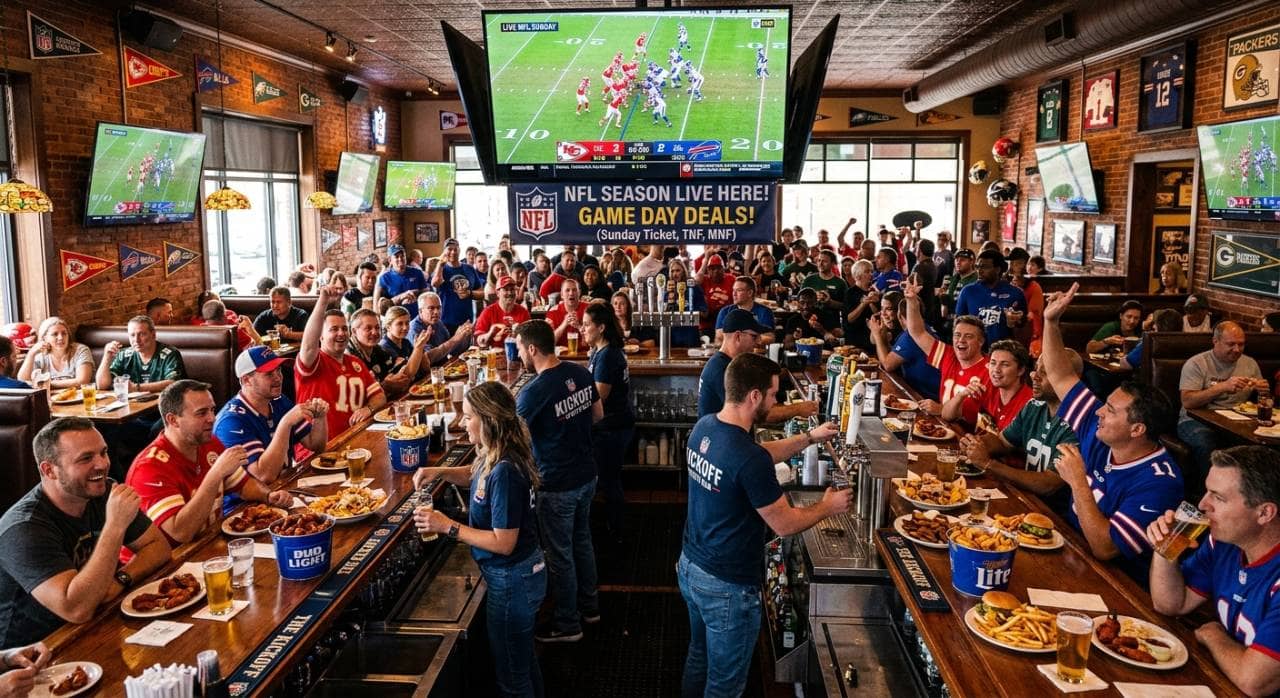
How to Prepare Your Restaurant for the NFL Season
Prepare your restaurant for NFL season with smart menu planning, staffing, marketing, technology, and atmosphere strategies that boost season-long revenue.
Marketing
Sep 9, 2026
Prepare your restaurant for NFL season with smart menu planning, staffing, marketing, technology, and atmosphere strategies that boost season-long revenue.
Sep 9, 2026
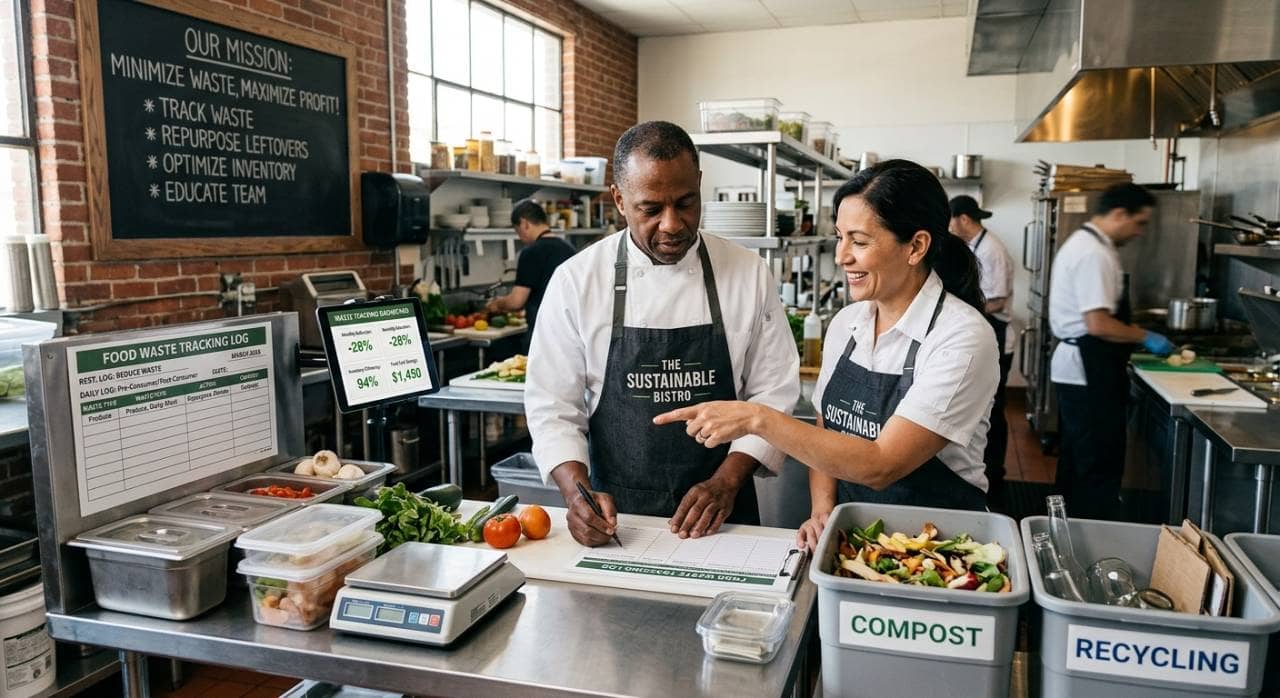
Learn how to reduce food waste in restaurants through smarter purchasing, storage, preparation, and service strategies that cut costs.
Sep 9, 2026
Swig signs franchise agreement for 11 South Denver locations, marking Colorado entry and validating its national expansion strategy.
Sep 8, 2026
Complete guide helping restaurant owners choose essential kitchen equipment - covering cooking, refrigeration, prep, sanitation, ventilation, safety, and long-term maintenance planning.
Sep 7, 2026
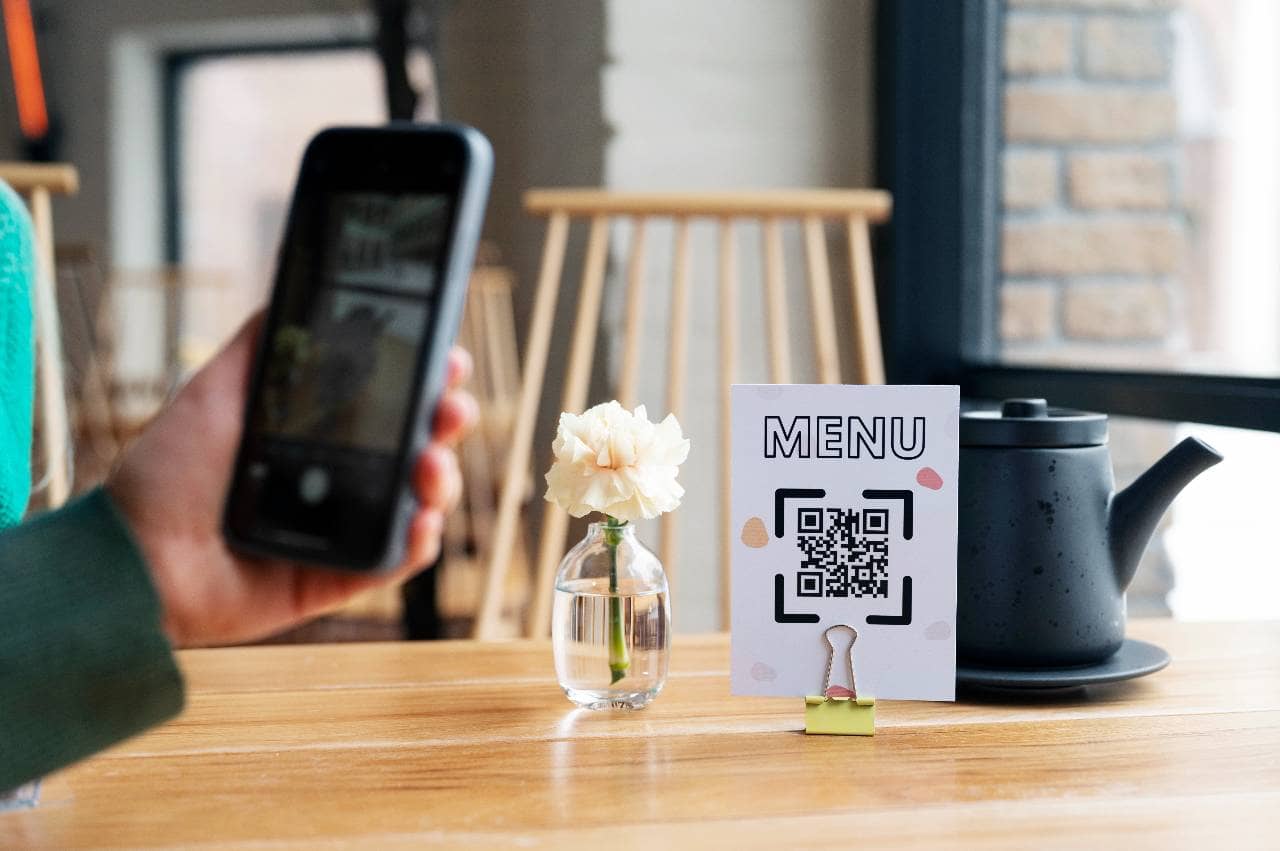
QR code menus let restaurants replace paper menus digitally, enabling instant updates, contactless browsing, ordering, and payment through simple smartphone scanning.
Sep 7, 2026

Avoiding common restaurant payroll mistakes - misclassification, tip credit errors, overtime miscalculations - protects businesses from costly penalties, back pay, and compliance risks.
Sep 4, 2026
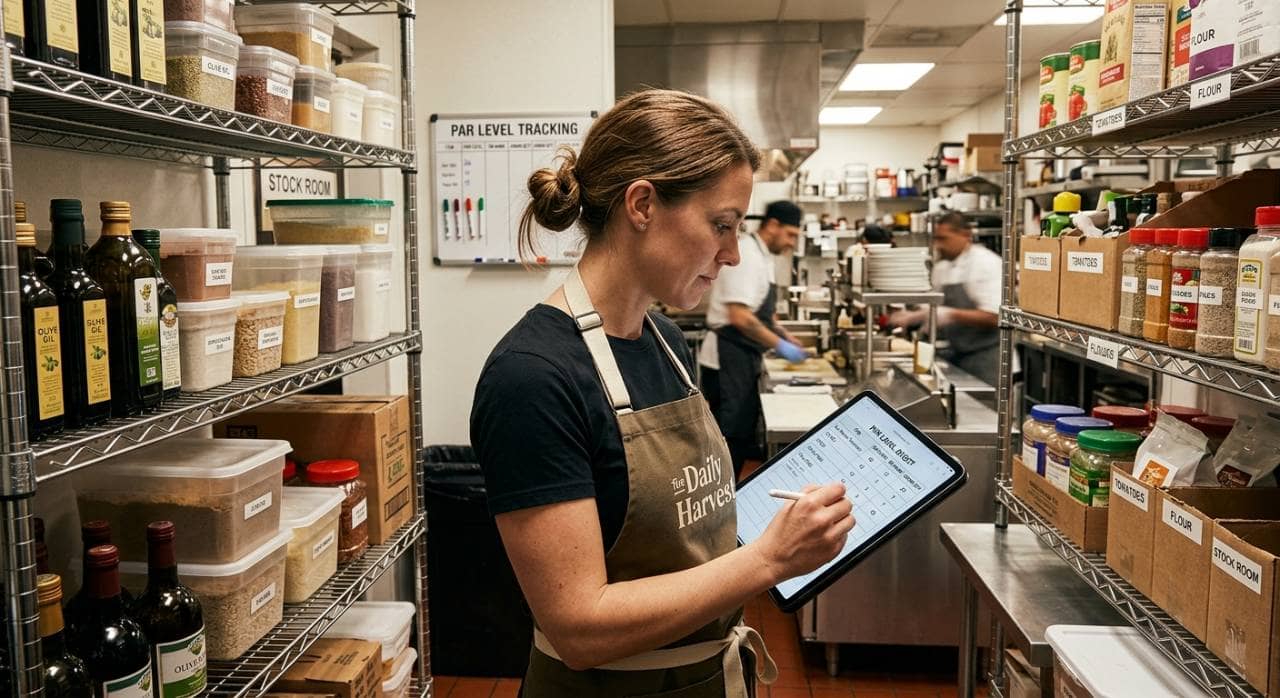
Learn to calculate par levels for restaurant food, beverages, and packaging inventory, preventing stockouts and waste through proper formulas.
Sep 4, 2026
Caribou Coffee appoints Zane Thomas-Rogers as Chief Operations Officer to strengthen execution across its expanding coffeehouse network.
Sep 4, 2026
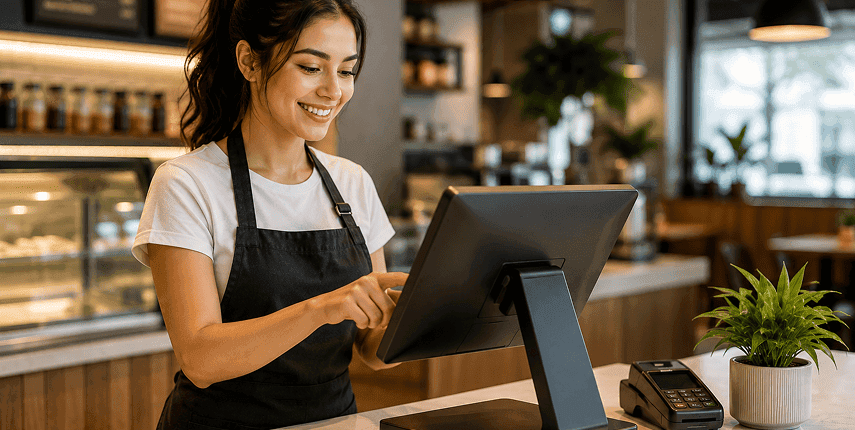
Compare the top 10 restaurant POS systems in the USA for 2026. Explore features, pricing, pros, cons, and the best POS options for every restaurant type.
Jul 1, 2026

Learn how to handle restaurant payroll yourself, from calculating hours and wages to managing tips, taxes, and final paychecks.
Sep 2, 2026

Unlock Exclusive Access To Webinars, Events, And The Latest News For Free!
Leadership changes, strategic closures, and value initiatives push brands to rethink growth and formats as 2026 approaches.

Photo by Rama Krushna Behera
Across the restaurant landscape, leadership changes are colliding with evolving growth strategies, reshaping how brands plot their next moves in 2026. Nation’s Restaurant News editors Sam Oches and Alicia Kelso describe a wave of CEO transitions rippling through the industry, a shift that drags branding, store formats, and capital allocation into sharper focus. The conversation moved from the pages to the Prosper Forum in Amelia Island, Florida, where top executives tackled the sector’s toughest business challenges. And on the Extra Serving podcast, the tie‑ins between leadership, capital, and performance became a clear headline: adaptability isn’t optional, it’s essential.
This shift isn’t theoretical. It marks how brands decide how to spend on branding, new formats, and capital programs. The Prosper Forum framing asks: which concepts deserve more floor space, which markets justify new formats, and how funding aligns with profitability goals? In practice, Shake Shack announced a major recalibration by closing nine underperforming stores, a move that raises questions about momentum in the better‑burger category. Meanwhile, Subway pushes ahead with value initiatives meant to reclaim appeal while preserving margins, balancing legacy promotions with tighter cost structures. Taken together, these signals reveal a market in flux where leadership, closures, and portfolio tests are shaping who survives, and who thrives.

Shake Shack isn’t just tweaking a menu, it’s recalibrating its operating model in real time. The company announced the closure of nine underperforming stores, a move that signals more than a simple reshuffling of locations. It’s a public acknowledgment that momentum in the better burger space isn’t guaranteed to march forward on its own. With fewer doors, the brand can reallocate capital toward higher‑performing units, sharpen labor and real estate commitments, and test new service approaches without spreading itself too thin. It’s a practical pivot that speaks to the pace brands must keep in a crowded market.
Behind the headlines, observers watch how leadership, store formats, and capital decisions ripple through an entire roster of brands. The nine‑store cull invites questions about whether momentum can survive the adjustment, and what other operators might emulate or avoid. Growth, in this view, is not simply about more locations but about opening the right doors at the right time. Brands are leaning into tighter footprints, updated formats, and targeted investments as a way to keep profitability in balance while the market recalibrates.

Subway is moving with a different rhythm, leaning into initiatives designed to reclaim value while protecting profitability. The aim isn’t just deeper discounts, but a smarter pricing and promotions playbook that stays within cost realities. It’s a balancing act: honor the promotions customers expect while introducing efficiency and price discipline that sticks as costs rise. The brand isn’t standing still; it’s testing structures that keep its footprint, channels, and guest appeal sustainable.
Industry observers describe a broader pattern: leadership teams reassessing scope, stores, and budgets; portfolio experiments that test new formats and markets; and a sharpened focus on profitability alongside growth. These moves mirror the thread from Prosper Forum and industry chatter about which concepts deserve capital. The clear takeaway for operators is simple: maintain clarity about what you fund, and practice discipline in what you close.
Taken together, the period reads as a market in flux. Leadership changes, strategic store closures, and portfolio experiments are not footnotes; they’re the engine behind who survives and who thrives. The narrative isn’t only about securing the next deal, but about how brands reorder bets for 2026 and beyond.
From Shake Shack to Subway and the broader field, the signal is loud: growth will be earned, not given. Operators should watch capital allocation, store formats, and value strategies with a critical eye. The industry is rebooting, and the playbook is being rewritten with a steadier hand and a bigger appetite for disciplined experimentation.

Plans for 2026 won’t sprout from a single stunt; they’ll emerge from daily choices that balance risk and reward. For operators, the moment is a big win if they stay nimble, grounded in data, and willing to reallocate when a concept stops delivering.
Keep an eye on three moves: tighten up profitable formats, test promotions with clear math, and invest where unit economics sing. In the end, leadership cadence, measured closures, and portfolio tests will decide who survives the next wave, and who thrives when the dust settles.
