.png&w=3840&q=70)
Wendy's Top Franchisee Bankruptcy Exposes Growth Risks
Meritage Hospitality's Chapter 11 filing pulls 5% of Wendy's U.S. stores into bankruptcy, exposing cracks in franchising's bigger-is-safer bet.
Franchising
Sep 21, 2026
Meritage Hospitality's Chapter 11 filing pulls 5% of Wendy's U.S. stores into bankruptcy, exposing cracks in franchising's bigger-is-safer bet.
Sep 21, 2026
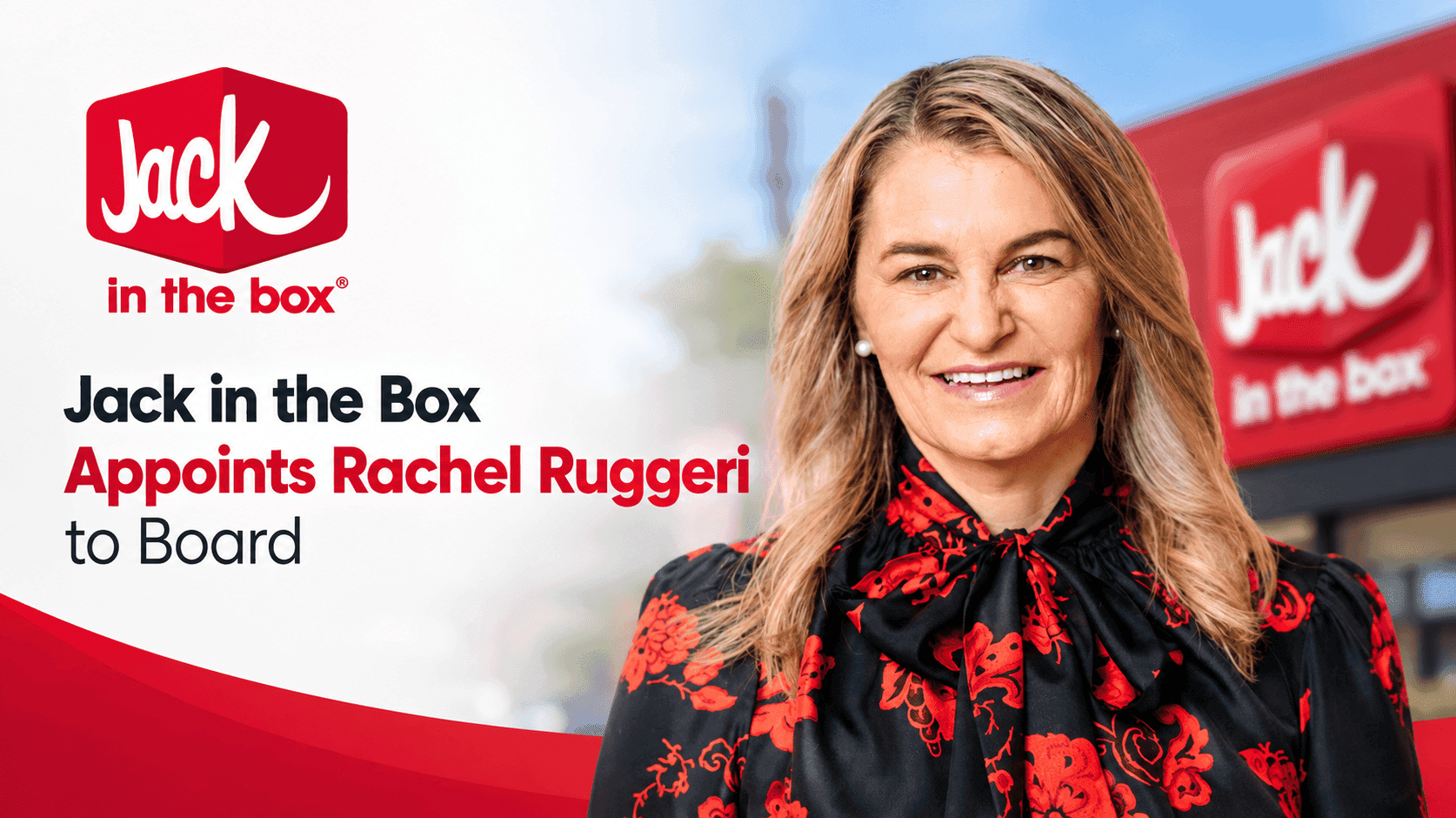
Jack in the Box names Rachel Ruggeri to its board as Michael Murphy retires, amid a CEO transition and deal with investor GreenWood.
Sep 21, 2026

Understand how to forecast restaurant revenue and expenses with methods for sales projection, cost scaling, fixed-cost planning, and risk buffering.
Sep 18, 2026

Restaurant owners can significantly reduce restaurant costs by leveraging technology across inventory, labor, procurement, forecasting, and administrative operations for better profit margins.
Sep 18, 2026

everbowl names Anna Gabele Brand President and Natalie Trzcinski COO, pulling both from Jack in the Box to guide its next growth phase.
Sep 18, 2026

Mountain Mike's Pizza hires Jack in the Box veteran Sheena Dougher as CMO to drive national growth while preserving its regional brand identity.
Sep 17, 2026

From fixed costs to contribution margin, learn exactly how to calculate your restaurant's break even point with confidence.
Sep 16, 2026

DoorDash pays $425M for Wonder's campus dining platform and a stake in Wonder, betting on robotic kitchens and institutional foodservice growth.
Sep 16, 2026
Discover the most common reasons restaurants fail, including inconsistent food quality and pricing mistakes, plus practical ways to avoid them.
Sep 16, 2026
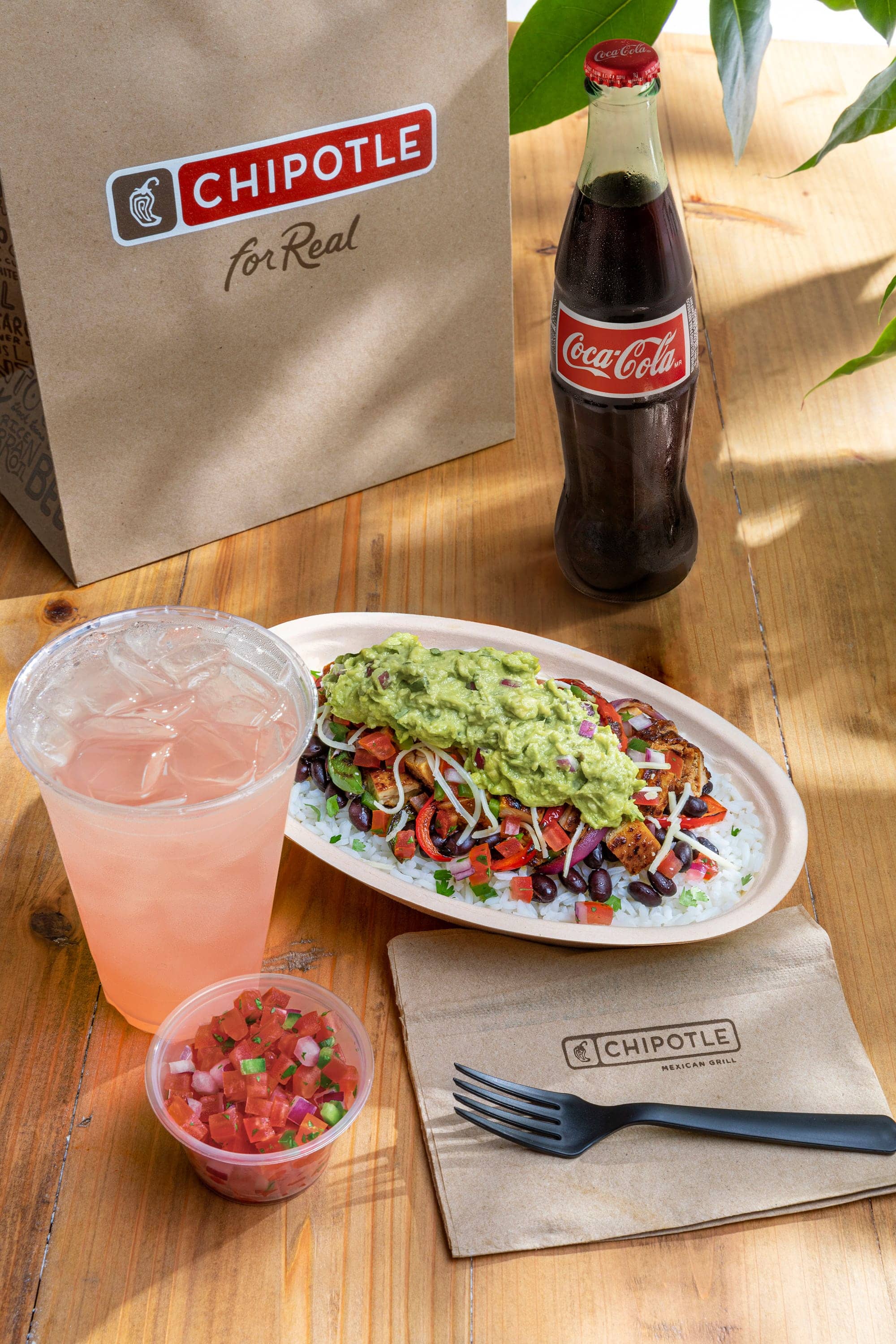
Chipotle names former KFC global CEO Sabir Sami to its board as the chain expands into Mexico, Saudi Arabia, and South Korea.
Sep 15, 2026

Unlock Exclusive Access To Webinars, Events, And The Latest News For Free!
Mediterranean fast casual Luna Grill has recorded five consecutive years of same-store sales growth and 11 straight quarters of transaction growth, with Q1 2026 same-store sales up 13.3% as the brand rides a powerful consumer shift toward health-focused dining.
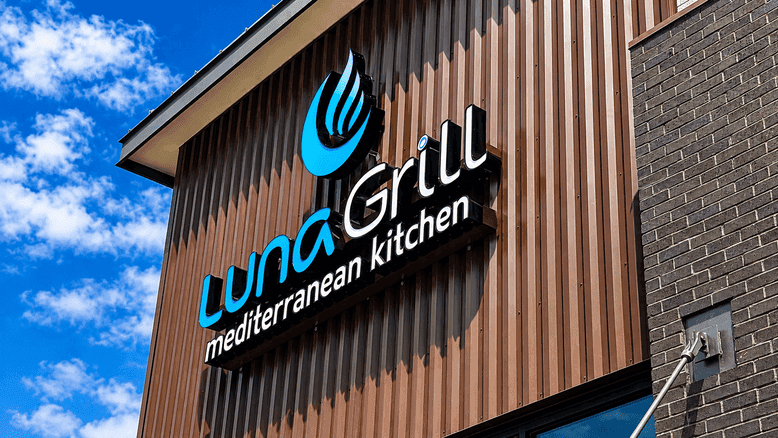
Luna Grill, the 60-unit Mediterranean fast casual brand, is in the middle of one of the more impressive sustained growth runs in the fast-casual segment. The company has now completed five consecutive years of same-store sales growth and 11 straight quarters of transaction growth- momentum that has not only held into 2026 but accelerated. In the first quarter of this year, same-store sales increased 13.3%, fuelled by a 9.3% rise in transactions. On a two-year basis, same-store sales are up 22% and transactions have climbed 15.2%. For a brand operating in a segment that has become increasingly competitive, those numbers represent genuine and compounding market share gains- not merely the benefit of a rising tide.
Amid the sales streak, Rich Pinnella was promoted from President to CEO last year after six years with the company, with founder and former CEO Sean Pourteymour transitioning to the role of Executive Chairman and Chairman of the Board. Pinnella has a clear-eyed view of what is behind Luna Grill's momentum. He describes the evolution of restaurant dining through three distinct eras- in the 1990s, food was fuel; in the 2000s, food was experience; today, food is performance. Consumers are paying closer attention to longevity, recovery, and ingredient transparency, and Luna Grill is being rewarded for its wellness proposition, its consistency, and the genuine community connection it has built around its brand. "I believe our relevance is compounding," Pinnella says. "The consumer has shifted, and what we stand for as a brand, we're very much in alignment."
Luna Grill has made nutritional transparency a visible and intentional part of the dining experience rather than an afterthought. Menu boards prominently display protein and fibre counts alongside other nutritional information, while digital channels allow guests to personalise recommendations based on their specific dietary preferences. Pinnella is direct about the brand's positioning in the context of one of the most significant dietary trends currently reshaping the food industry. "We are very GLP-1 friendly," he says. "It's just becoming very transparent and allowing consumers that choice and control. The more choice and control we can provide consumers, the more they want to eat it how they want it, where they want it." That philosophy of radical transparency and personalisation is resonating across demographics- and it is showing up clearly in the transaction data.
While many fast-casual brands have responded to inflationary pressure by introducing dedicated value menus, cutting portion sizes, or offering steep discounts, Luna Grill has taken a different approach. Pinnella frames value across three distinct dimensions - price value, represented by the chain's pita sandwiches; abundant value, delivered through family meals and catering; and quality value, showcased through premium offerings like salmon and steak. Despite rising food costs, Luna Grill has not reduced portion sizes or moved down on ingredient quality. Instead, it has invested in improvements to its pita sandwich lineup- changes that have resonated particularly strongly with younger consumers. "Gen Z, the cohort that has the least disposable income, values good food that's good for you almost the most," Pinnella says. "I'm not seeing a drop off in our Gen Z consumer. If not, it's just growing as they find out more and more about our brand."
Luna Grill's operational performance is underpinned by a people philosophy that sets it apart from many of its fast-casual peers. The company reports employee turnover of approximately 44%- significantly below industry averages- and maintains an average guest rating of 4.8 out of 5 stars across Google, Yelp, and Tripadvisor. Pinnella credits the brand's culture-first approach for both figures. Management teams participate in structured discussions around leadership, communication, emotional intelligence, and conflict resolution- development investments that Pinnella views as directly connected to the quality of the guest experience. With turnover low, leadership has been able to shift focus from day-to-day firefighting toward building the next generation of operators. "I view connection as our superpower," Pinnella says- a statement that applies as much to the brand's relationship with its employees as to its relationship with its guests.
Luna Grill's commercial momentum is being channelled into an ambitious but disciplined growth strategy. The brand expects to finish 2026 with 67 locations, opening roughly one new restaurant per month across the year before accelerating development in 2027- a pace that would push annual unit growth above 20%. Recent and upcoming openings include Long Beach, California, a new Dallas-Fort Worth location, and San Clemente, California next month. Expansion remains concentrated in the Sun Belt, with continued density building in California and Texas, growing presence in Arizona, and a planned Nevada entry next year. Pinnella is intentional about building market density before moving into new states- a measured approach backed by a larger development infrastructure that now includes dedicated training, supply chain, logistics, and new restaurant opening teams. For a brand whose relevance is, in Pinnella's own words, compounding, the best may genuinely be ahead.
