How to Manage a Restaurant Franchise Supply Chain
A strong franchise supply chain helps restaurant owners standardize products, control costs, track inventory, forecast demand, and manage suppliers efficiently.
Jul 6, 2026
A strong franchise supply chain helps restaurant owners standardize products, control costs, track inventory, forecast demand, and manage suppliers efficiently.
Jul 6, 2026
Tiki Taco expands its Kansas City presence with a new Liberty-adjacent location, highlighting local growth, community ties, and what this means for restaurant operators watching rising independent brands.
Jul 6, 2026
Menu optimization helps restaurant owners improve pricing, reduce food waste, promote profitable items, simplify operations, and increase sales using data.
Jul 6, 2026
Discover the operational philosophy and guest experience behind Bad Daddy's Burger Bar, featuring insights from chef John Elliott on how the Southeast burger concept builds consistency, drives innovation, and elevates the American burger experience.
Jul 6, 2026
Quick-service restaurant visits dipped 4.4% in May, while diners gravitate toward full-service. Explore what's driving the trend and actionable insights for your operation.
Jul 6, 2026
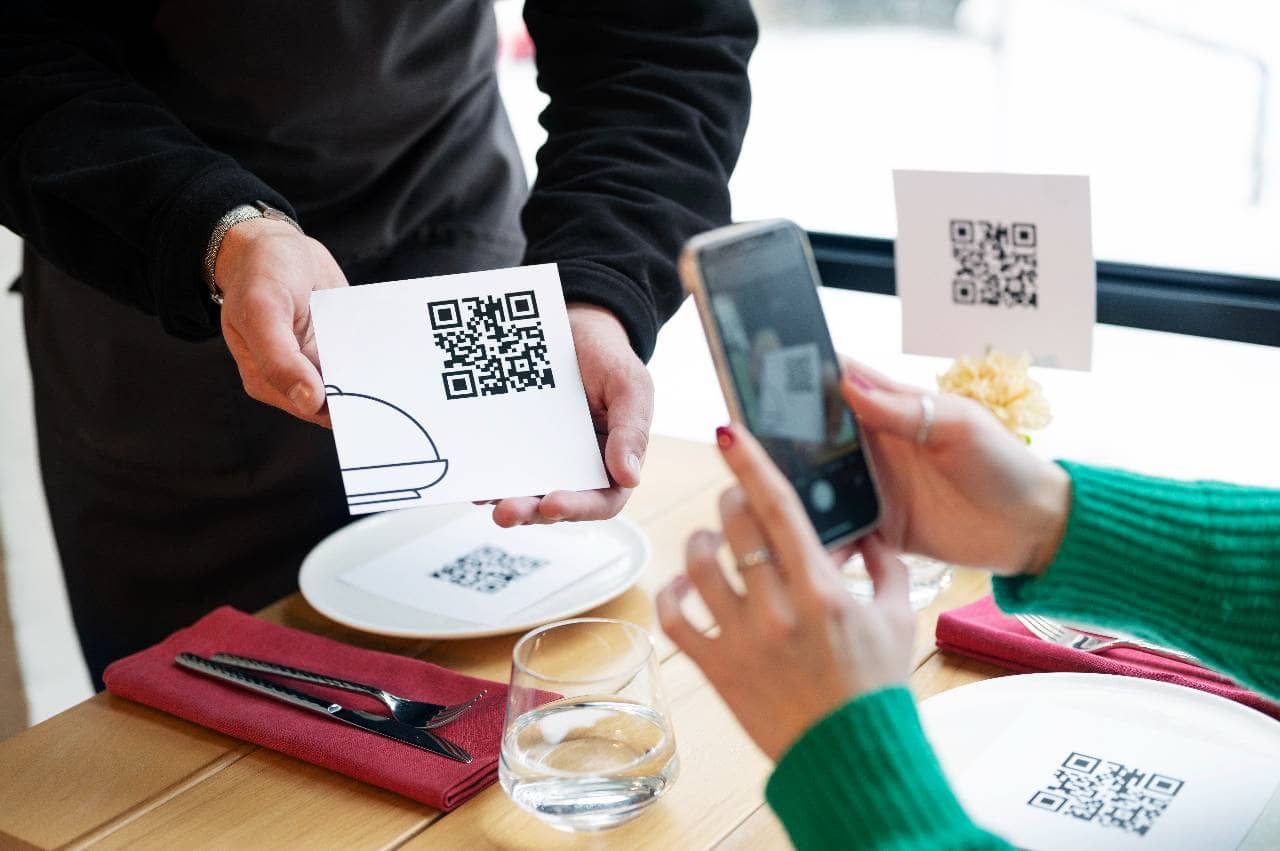
QR code menu helps restaurants update items faster, improve mobile ordering, reduce printing costs, and track customer behavior over time.
Jul 2, 2026
Jersey Mike’s plans an IPO, showcasing sharp growth and franchise strength - a move with ripple effects for restaurant owners watching industry trends.
Jul 2, 2026
McDonald’s welcomes Bryan Brown as chief development officer, leveraging his experience to drive store modernization and support the “NEXT” strategy for franchisees and teams.
Jul 2, 2026
White Castle and Garage Beer, two Ohio-based favorites, announce a summer collaboration with new promotions and products. Learn how restaurant owners can ride the LTO wave.
Jul 2, 2026
Learn how to build a restaurant catering system that attracts clients, improves margins, simplifies operations, and creates repeat revenue.
Jul 2, 2026
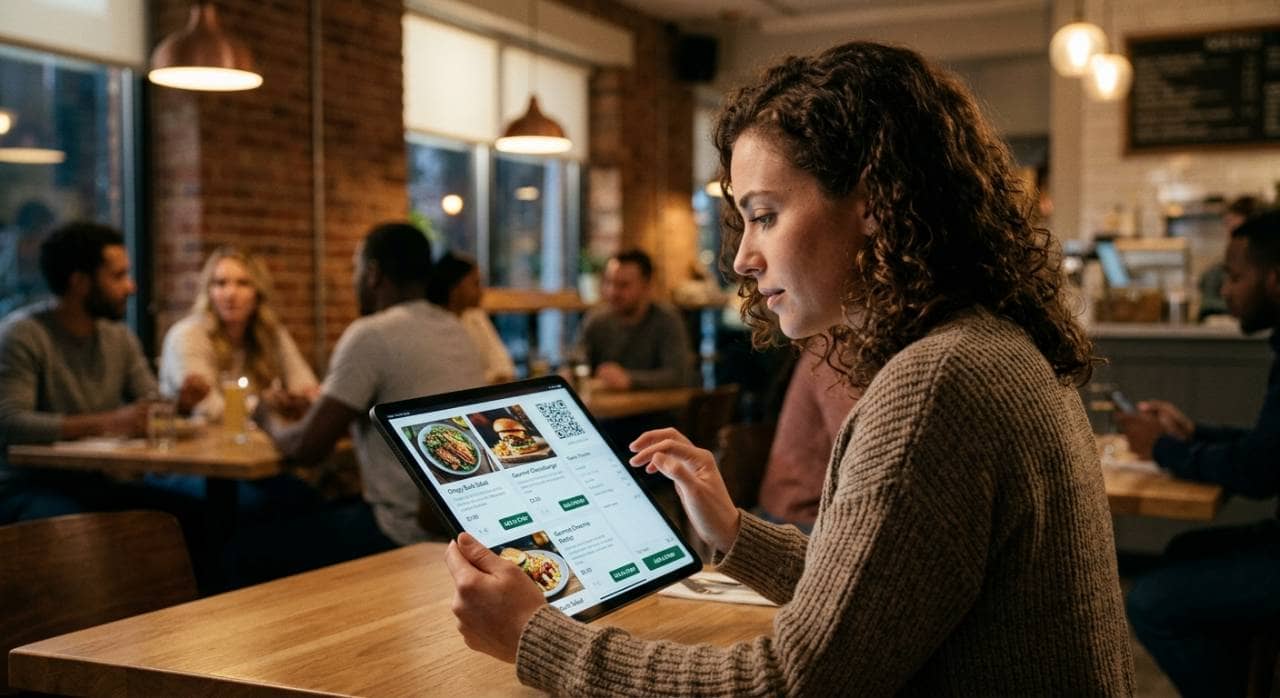
Menu optimization helps restaurant owners improve pricing, reduce food waste, promote profitable items, simplify operations, and increase sales using data.

Menu optimization is the process of improving a restaurant menu so it supports stronger sales, better profit margins, smoother operations, and a better customer experience. It is not just about making the menu look better. For restaurant owners, menu optimization means using real menu data to understand which items sell, which items generate profit, and which items create unnecessary cost or complexity. A restaurant menu affects more than customer choice. Every item can impact food cost, labor, prep time, inventory, kitchen speed, waste, and average check size. A popular item may bring in sales but still hurt margins if ingredients are expensive or portions are inconsistent. A profitable item may underperform if it is hidden, poorly described, or not promoted well. A menu with too many items can also slow service, increase waste, and make staff training harder. The goal of menu optimization is to balance customer demand with business profitability. This includes reviewing item sales, calculating food cost, improving pricing, simplifying the menu, and placing high-value items where customers are more likely to notice them. When done consistently, menu optimization helps restaurant owners make smarter decisions, reduce waste, improve kitchen efficiency, and build a menu that works harder for the business.
Menu optimization starts with knowing how each item performs. Restaurant owners should not rely only on personal opinion, staff feedback, or customer comments. A menu item may feel popular because employees talk about it often, but the sales data may show something different. A data-driven menu review helps owners see which items are actually driving revenue, which items are slowing down, and which items may need better pricing, placement, or promotion. The first metric to review is item sales volume. This shows how many times each menu item was sold during a specific period. For example, if a chicken sandwich sells 900 times in a month and a steak sandwich sells 120 times, the chicken sandwich is clearly creating more customer demand. High-volume items deserve close attention because even small price, portion, or cost changes can have a major impact over time. The second metric is revenue by item. Sales volume alone does not show the full picture. A low-priced item may sell often but produce less total revenue than a higher-priced item with fewer orders. For example, 800 orders of a $9 item create $7,200 in revenue, while 300 orders of a $22 item create $6,600. Both items matter, but they affect the business differently. The third metric is average check impact. Restaurant owners should look at which menu items increase the total order value. Some items work well as add-ons, upgrades, combos, sides, desserts, or beverages. If customers who order a certain entree also add drinks or appetizers, that item may help lift the overall check size. The fourth metric is order frequency by daypart. Breakfast, lunch, dinner, late night, takeout, and delivery may all show different ordering patterns. A profitable item may perform well during dinner but not during lunch. A fast-prep item may work better for online ordering than dine-in service. Restaurant owners should review menu sales weekly, monthly, and seasonally. By tracking sales volume, revenue, average check impact, and order timing, they can make smarter menu optimization decisions based on real customer behavior instead of guesswork.

After reviewing sales performance, restaurant owners need to understand how much profit each menu item actually produces. A menu item can sell well and still weaken profitability if the ingredient cost is too high, the portion size is inconsistent, or the selling price is too low. This is why menu optimization should include item-level food cost and margin analysis. The first number to calculate is ingredient cost per item. This includes every ingredient used in the recipe, such as protein, produce, sauces, bread, toppings, seasonings, garnishes, and cooking oil when applicable. For example, if a burger includes a patty, bun, cheese, lettuce, tomato, sauce, and fries, each part should be counted. Small ingredients may seem minor, but across hundreds or thousands of orders, they can make a big difference. The second number is food cost percentage. This shows how much of the selling price is used to cover ingredients. The formula is - Food Cost Percentage = Ingredient Cost / Menu Price x 100 For example, if a pasta dish costs $4.20 to make and sells for $14, the food cost percentage is 30%. If ingredient costs rise to $5.25 and the selling price stays the same, the food cost percentage increases to 37.5%. That change reduces profit even if sales volume stays steady. The third number is gross profit per item. This shows how much money is left after ingredient cost is removed from the selling price. The formula is - Gross Profit = Menu Price - Ingredient Cost For example, if a menu item sells for $16 and costs $5 to make, the gross profit is $11. This number helps restaurant owners compare items more clearly. A lower food cost percentage is helpful, but the actual dollar profit also matters. The fourth number is contribution margin. This shows how much each item contributes toward labor, rent, utilities, marketing, and profit after food cost is covered. High contribution-margin items are important because they give the restaurant more room to cover operating expenses. Restaurant owners should update these numbers regularly because supplier prices, portion sizes, packaging costs, and menu prices can change. A recipe that was profitable six months ago may no longer be profitable today. By calculating food cost, gross profit, and contribution margin by item, owners can make better decisions about pricing, portions, promotions, and menu placement.

Once restaurant owners understand sales volume, food cost, and profit margin, the next step is to group menu items by performance. Not every item should be treated the same. Some items deserve more visibility, some need price adjustments, some need better promotion, and some may need to be removed from the menu. A simple way to evaluate menu items is to compare popularity and profitability. Popularity shows how often an item sells. Profitability shows how much money the item contributes after ingredient cost is covered. When these two numbers are reviewed together, restaurant owners can see which items are helping the business and which items are creating hidden problems. 1. High-profit, high-volume items are the strongest menu performers. These items sell often and generate solid profit. Restaurant owners should make these items easy to find on the menu, feature them in online ordering, train staff to recommend them, and consider using them in combos or promotions. These items can help increase revenue without adding unnecessary complexity. 2. High-volume, low-profit items are popular but may not produce enough margin. These items need careful review because a small cost issue can become expensive at scale. Owners may need to adjust the price, reduce portion waste, change ingredients, improve prep efficiency, or pair the item with profitable add-ons such as sides, drinks, or upgrades. 3. Low-volume, high-profit items have strong margin but weak demand. These items may not need to be removed right away. Instead, owners should review the menu description, placement, photos, staff recommendations, and online visibility. Sometimes a profitable item sells slowly because customers do not notice it or do not understand its value. 4. Low-volume, low-profit items are the biggest concern. These items take up menu space, require inventory, add prep work, and create waste without contributing enough revenue or profit. Restaurant owners should consider simplifying the recipe, raising the price, repositioning the item, or removing it from the menu if it does not support the business. This type of menu analysis helps owners make decisions based on facts instead of assumptions. A dish may be a staff favorite or a long-time menu item, but if it has weak sales and low profit, it may be hurting the restaurant. By identifying high-profit and low-profit items, restaurant owners can build a more focused, profitable, and efficient menu.
Menu pricing is one of the most important parts of menu optimization because even small price changes can affect revenue, profit margin, and customer perception. Restaurant owners need to protect profitability, but they also need to avoid sudden pricing decisions that make customers feel the menu is no longer a good value. The first step is to review actual item cost before changing prices. A price increase should not be based only on guesswork or competitor pricing. Owners should look at ingredient cost, portion size, packaging, preparation time, labor needs, and the current selling price. If a menu item costs $5.50 to make and sells for $14, the food cost percentage is about 39%. If the target food cost is closer to 30%, the item may need a price adjustment, portion review, or recipe change. The second step is to use small, targeted price increases instead of raising everything at once. Customers may not notice a $0.50 or $1 increase on selected items as much as a full-menu price jump. High-demand items, premium items, and items with rising ingredient costs should be reviewed first. Low-demand items should not automatically receive a price increase unless the data supports it. The third step is to protect value perception. Customers do not judge price by numbers alone. They judge whether the item feels worth the cost. Better descriptions, quality ingredients, portion consistency, attractive photos, and clear menu organization can help customers understand why an item is priced higher. The fourth step is to use add-ons and upgrades. Instead of depending only on entree price increases, restaurants can improve check size through extra protein, premium sides, sauces, desserts, beverages, and combo upgrades. These options give customers more control while helping the restaurant increase revenue. The fifth step is to test and track results. After a price change, owners should review sales volume, average check size, item profit, and customer feedback. If an item's margin improves without a major drop in orders, the pricing change may be working. If sales fall sharply, the restaurant may need to adjust the offer, description, portion, or placement. Better pricing does not always mean charging more. It means matching price to cost, demand, value, and profit goals. When restaurant owners use data to guide pricing, they can improve margins without damaging customer trust.

Menu optimization is not only about increasing sales. It is also about making the restaurant easier to run. When a menu has too many items, the kitchen needs more ingredients, more prep steps, more storage space, and more training. This can increase food waste, slow down service, and make it harder for staff to deliver consistent quality. A large menu may look appealing because it gives customers more choices, but too many choices can create operational problems. If a restaurant offers 80 menu items instead of 40, managers may need to order more products from suppliers, track more inventory, prepare more recipes, and train employees on more procedures. Each extra item adds complexity. Even if an item sells only a few times per week, the restaurant may still need to keep the ingredients in stock. The first area to review is ingredient overlap. A strong menu often uses the same core ingredients across multiple dishes. For example, grilled chicken can be used in salads, wraps, bowls, sandwiches, and entrees. This helps the restaurant buy smarter, reduce spoilage, and move inventory faster. Items that require unique ingredients but do not sell often should be reviewed carefully. The second area is prep time. Some items may have a strong margin but require too much labor during busy shifts. If one dish slows down the kitchen, creates bottlenecks, or requires special handling, it may affect the speed of the entire operation. Restaurant owners should compare each item's profit with the labor and time needed to prepare it. The third area is waste control. Slow-moving menu items often create waste because ingredients expire before they are used. If a sauce, topping, protein, or garnish is only used for one low-selling item, it may not be worth keeping on the menu. The fourth area is staff consistency. A simpler menu is easier to train, easier to execute, and easier to standardize. Employees can learn recipes faster, make fewer mistakes, and serve customers with more confidence. Simplifying the menu does not mean removing customer favorites. It means removing unnecessary complexity. A focused menu can help restaurant owners reduce waste, improve speed, control costs, and deliver a more consistent guest experience.
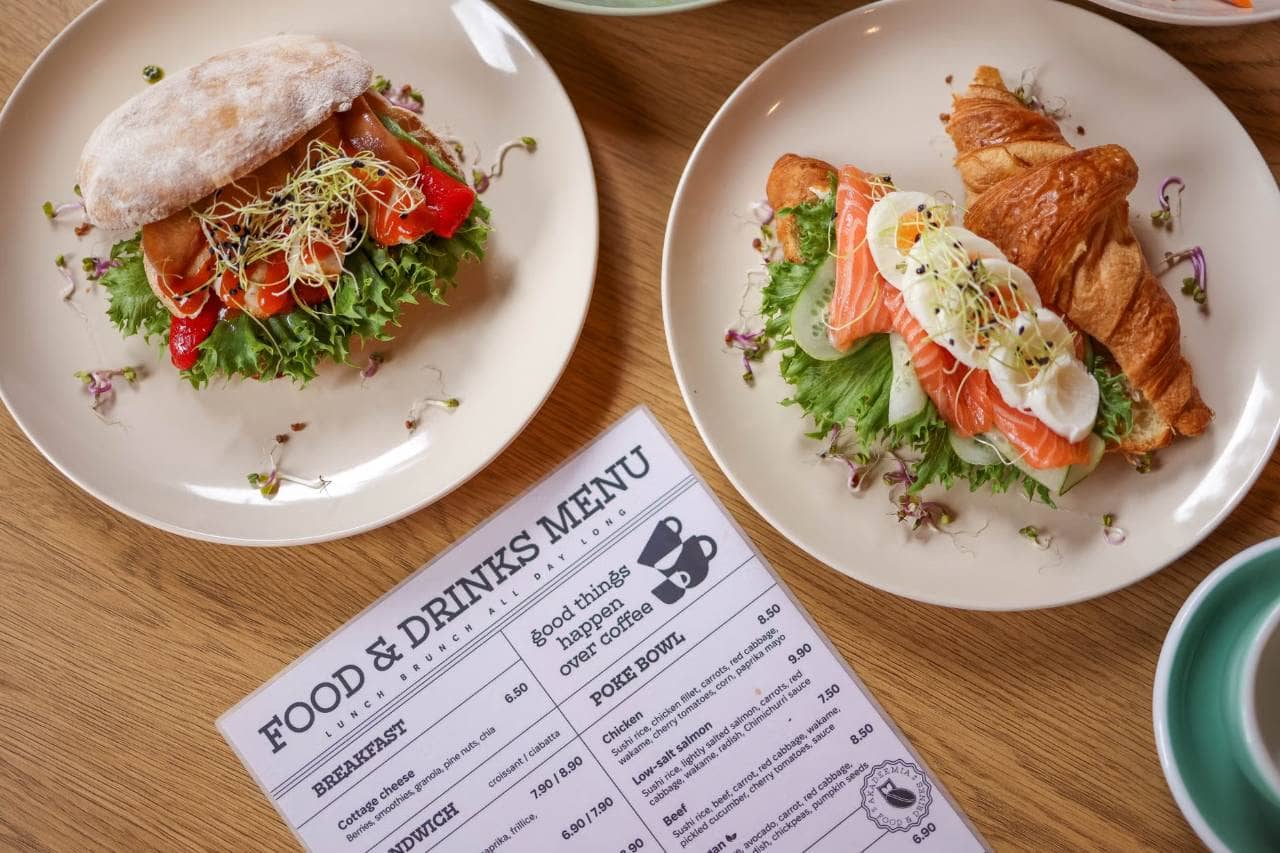
Menu optimization also depends on how the menu is presented to customers. A restaurant may have profitable items, strong recipes, and smart pricing, but if the menu is confusing or poorly organized, customers may overlook the best options. Menu layout, item descriptions, photos, and placement can influence what customers notice first and what they choose to order. The first step is to organize the menu into clear categories. Customers should be able to find appetizers, entrees, sides, drinks, desserts, and add-ons quickly. If the menu is too crowded or difficult to scan, guests may choose the most familiar item instead of exploring higher-value options. A clean layout helps customers make faster decisions and reduces ordering friction. The second step is to give profitable items better visibility. High-margin and high-demand items should not be hidden at the bottom of a long list. Restaurant owners can place important items near the top of a category, feature them in a highlighted section, or use them in combo meals and specials. Online menus should also make these items easy to find on mobile screens. The third step is to improve menu descriptions. A basic description may tell customers what the item is, but a stronger description helps them understand the value. Instead of only listing ingredients, restaurants can describe flavor, preparation style, texture, portion, or freshness. For example, "grilled chicken sandwich" is simple, but "grilled chicken sandwich with house sauce, crisp lettuce, tomato, and toasted brioche bun" gives customers more reason to choose it. The fourth step is to use photos carefully. Photos can help online ordering and digital menus, but they should be clear, accurate, and consistent with what the customer will receive. Poor photos can lower perceived value, while strong photos can increase interest in featured items. The fifth step is to review item placement by channel. A dine-in menu, online ordering menu, delivery platform menu, and QR code menu may not perform the same way. Restaurant owners should make sure profitable items, add-ons, and upgrades are visible across every ordering channel. A well-designed menu guides customers without making the experience feel forced. By improving layout, descriptions, and item placement, restaurant owners can make profitable items easier to notice, improve ordering confidence, and support better sales performance.
Menu optimization should not be treated as a one-time project. A restaurant menu can perform well today and become less profitable later if ingredient costs rise, customer demand changes, labor costs increase, or competitors adjust their pricing. This is why restaurant owners need a regular system for tracking menu performance and making ongoing improvements. The first step is to review sales data consistently. Owners should look at which items sell the most, which items are declining, which items increase average check size, and which items perform best during specific dayparts. A lunch item may sell well during weekdays, while a family meal or bundle may perform better during dinner or weekends. These patterns help owners make better decisions about pricing, promotions, and menu placement. The second step is to track food cost changes. Supplier prices can change often, especially for proteins, dairy, produce, cooking oil, packaging, and specialty ingredients. If the cost of one ingredient increases, it can reduce the margin of several menu items at the same time. Restaurant owners should compare recipe costs against current supplier invoices so menu pricing stays aligned with real costs. The third step is to monitor waste and inventory usage. If ingredients are expiring, being over-prepped, or sitting unused, the menu may need to be simplified. Slow-moving items that require unique ingredients should be reviewed carefully because they can increase waste without adding enough revenue. The fourth step is to collect customer and staff feedback. Sales reports show what customers buy, but feedback can explain why they buy it. Servers, cashiers, kitchen staff, and managers can often identify confusing menu descriptions, difficult prep items, common customer questions, and items that create service delays. Restaurant owners should review menu performance weekly, monthly, and seasonally. Weekly reviews can catch sudden sales or cost changes. Monthly reviews can show trends. Seasonal reviews can help prepare for customer behavior shifts, holidays, weather changes, and ingredient availability. The goal is continuous improvement. By tracking sales, costs, waste, and feedback, restaurant owners can keep the menu profitable, efficient, and aligned with customer demand.