
The Ultimate Guide to Restaurant Labor Management
Restaurant labor management helps owners optimize staffing, control labor costs, improve productivity, monitor overtime, and maintain efficient restaurant operations.
Back Office
Sep 2, 2026
Restaurant labor management helps owners optimize staffing, control labor costs, improve productivity, monitor overtime, and maintain efficient restaurant operations.
Sep 2, 2026
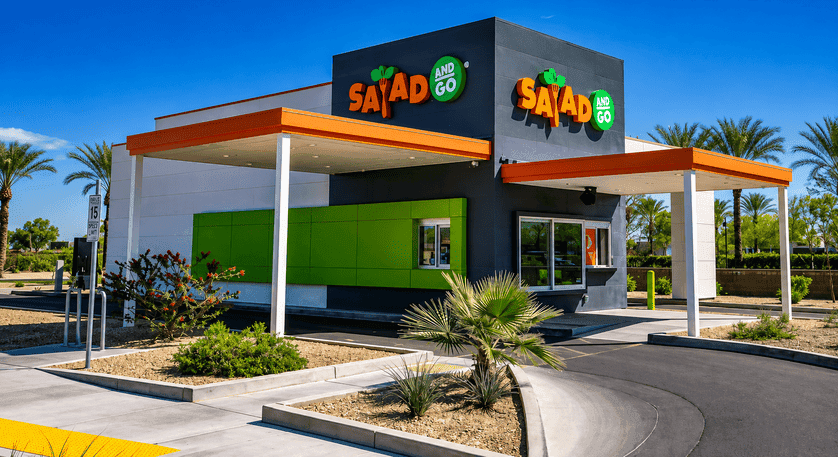
7 Brew has acquired 73 former Salad and Go locations, surpassing Dutch Bros with a $143M bid, signaling a major shift in the competitive landscape for drive-thru brands.
Sep 2, 2026
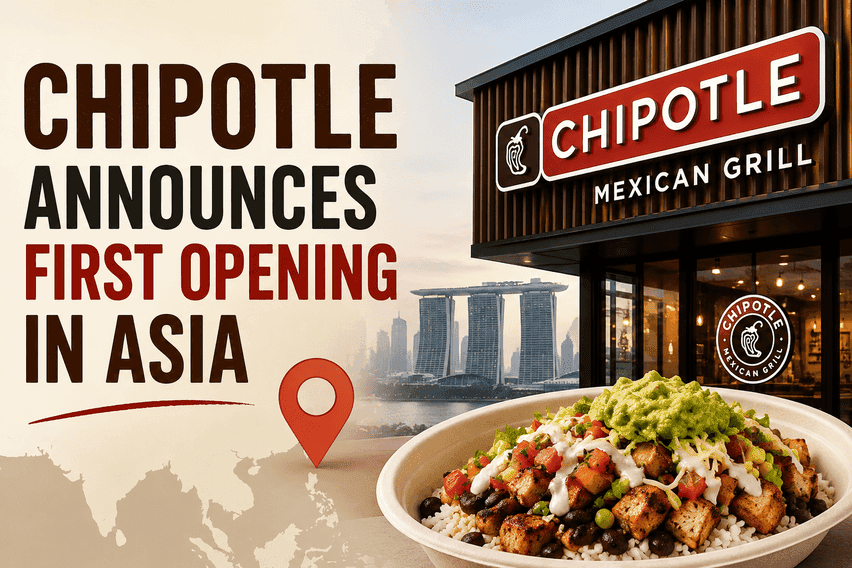
Chipotle makes its highly anticipated entry into Asia with a Seoul opening, partnering with Sangmidang Holdings and setting a template for future international growth.
Sep 2, 2026

Brooklyn Water Bagel launches its first campus eatery at Nova Southeastern, signaling strategic growth and fresh potential for multi-unit operators seeking new market wins.
Sep 2, 2026
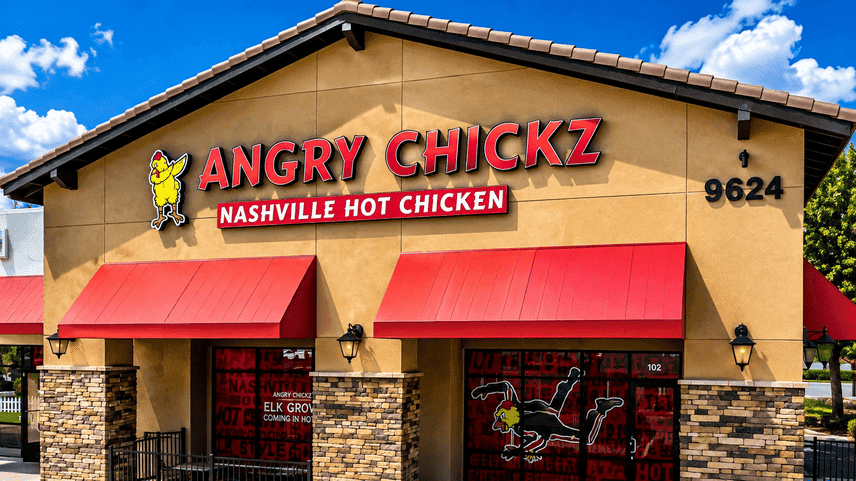
Angry Chickz enters Illinois with its signature hot chicken concept and ambitious plans for Midwest expansion, setting the stage for new franchise opportunities and community engagement.
Sep 2, 2026
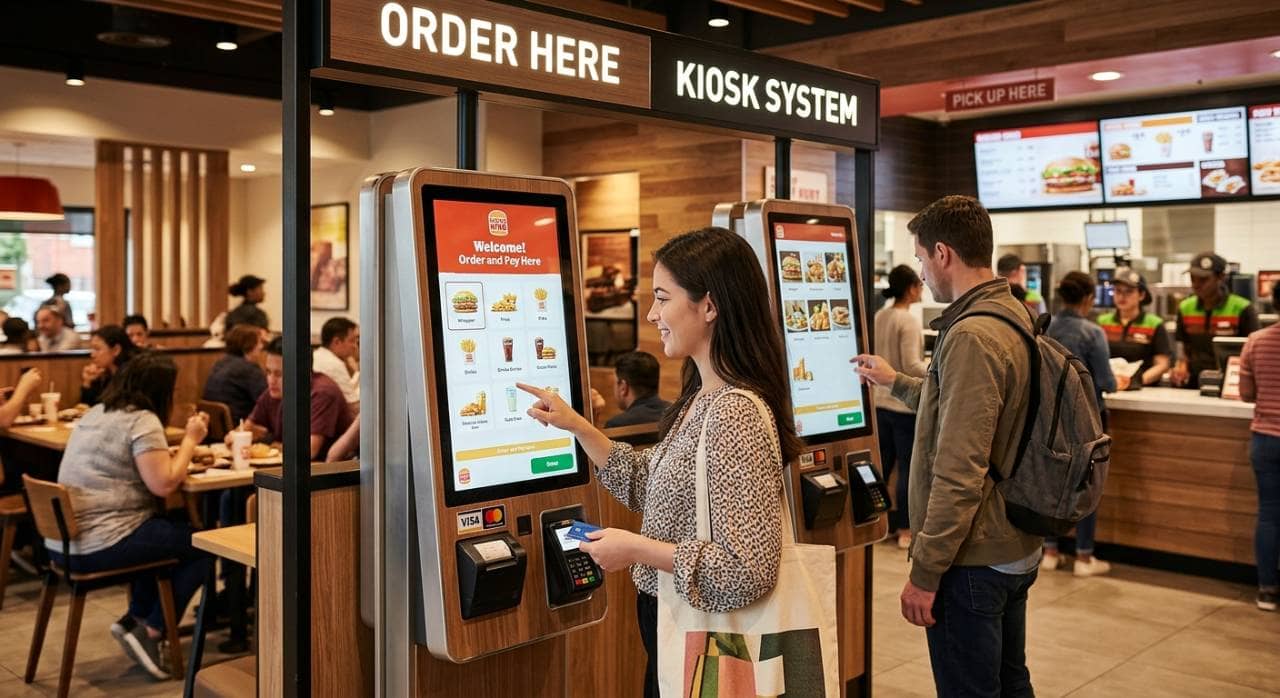
Understand how to evaluate a Kiosk system using key criteria including features, POS integration, hardware, pricing, customer experience, and support.
Aug 31, 2026

Explore restaurant technology trends in 2026, including AI, automation, digital ordering, workforce tools, connected kitchens, personalization, and profitability strategies today.
Aug 28, 2026

Learn how to calculate restaurant cost of goods using inventory, purchases, COGS percentage, variance reviews, and regular tracking for profitability.
Aug 31, 2026

Learn the startup costs of opening an ice cream shop, including rent, equipment, renovations, permits, inventory, labor, marketing, and reserves.
Aug 28, 2026

A restaurant P&L statement reveals sales, expenses, and profits, helping owners manage costs, improve margins, and plan finances more effectively.
Aug 26, 2026

Unlock Exclusive Access To Webinars, Events, And The Latest News For Free!
Explore the intersection of employee rights, artificial intelligence, and workplace ethics in light of recent legal cases.

Photo by Melanie Lim
The case of a former crew member at a Dunkin’ franchise highlights the complex relationship between artificial intelligence (AI) and employee rights in the workplace. The worker's inquiry into the legality of the tips distribution process, facilitated by a web search, sparked a contentious response from their supervisor, who dismissed the findings as 'AI' and not applicable to Dunkin’ Donuts. This incident underscores the growing influence of technology in employment practices and the need for a balanced understanding of how AI intersects with employee rights.

Photo by Melanie Lim
In the legal battle between the employee and the Dunkin’ franchisee, key issues concerning compensation law and fair payment practices surfaced. The pooling and delayed distribution of tips without transparency regarding the allocation method raised concerns about compliance with labor regulations. The employee's termination following the inquiry into this practice not only brought attention to potential violations but also highlighted the critical role of transparency and communication in ensuring fair compensation for workers.

Photo by Melanie Lim
The Fair Labor Standards Act (FLSA) serves as a cornerstone for protecting employees' rights in the United States. In the case against Simone’s Inc., the employee claimed nonpayment of wages in violation of Connecticut law and retaliation under the FLSA. This legal framework establishes a robust shield for workers against unfair labor practices and retaliation, emphasizing the importance of upholding employee rights and ensuring just treatment in the workplace.
As organizations integrate artificial intelligence into their operations, ethical considerations around AI usage become paramount. The dismissal of the employee’s findings as 'AI' rather than addressing the underlying legal concerns sheds light on the challenges of AI ethics in workplace culture. Employers must navigate the ethical implications of AI tools, ensuring that technology aligns with legal standards and ethical practices while respecting employee rights and fostering a transparent work environment.

Photo by Melanie Lim
The U.S. Department of Labor underscores the employee-friendly nature of the FLSA standard for protected activity. Even if an employer disputes payment discrepancies, the employee's expression of concerns regarding fair compensation is deemed as protected activity. This emphasis on empowering employees to raise issues without fear of retaliation reinforces a culture of compliance and accountability in workplaces, emphasizing the need for transparent communication and fair treatment of workers.