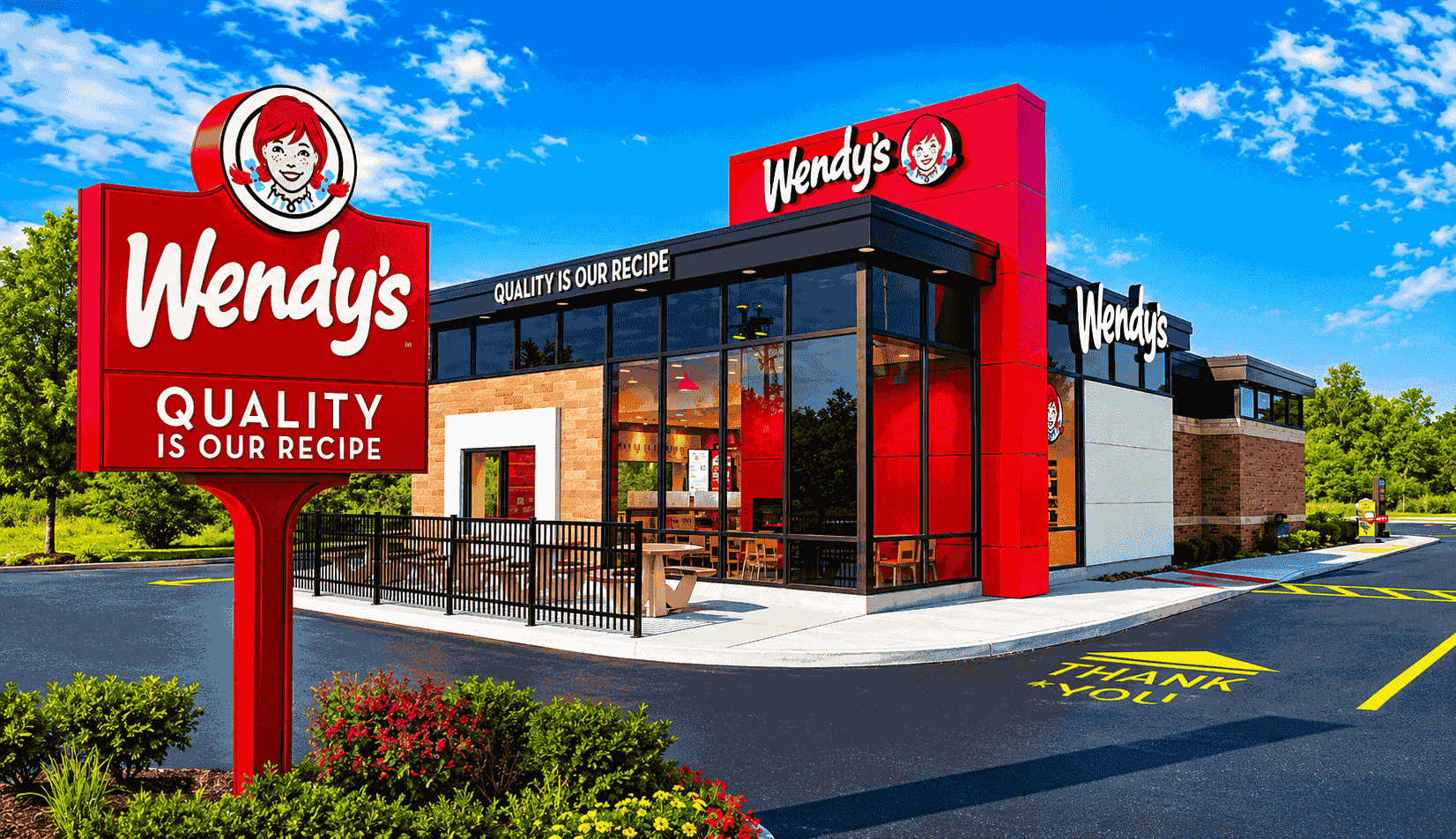
Wendy’s New Playbook for Traffic & Quality
With traffic and sales slipping, Wendy’s new CEO Bob Wright sets a bold multi-pronged plan to restore food quality, brand value, and operational execution.
News
Aug 10, 2026
With traffic and sales slipping, Wendy’s new CEO Bob Wright sets a bold multi-pronged plan to restore food quality, brand value, and operational execution.
Aug 10, 2026

Explore practical ways to manage restaurant overhead costs while protecting service quality, employee productivity, food standards, and long-term profitability goals.
Aug 7, 2026

Get more restaurant reviews by creating memorable experiences, asking customers at the right time, simplifying feedback, and monitoring review performance.
Aug 7, 2026

Yum! Brands has finalized a $1.2B deal to transfer Pizza Hut China to Yum China Holdings, signaling big strategic moves for both global franchisors and operators.
Aug 7, 2026

Panera Bread appoints industry veteran Andy Rebhun as Chief Marketing Officer, ushering in a new era of brand growth and consumer engagement.
Aug 7, 2026

Portillo’s trims 18% of its corporate staff in a bid to refocus resources on restaurant excellence and navigate operational challenges. Discover what the changes mean for the chain’s future.
Aug 7, 2026
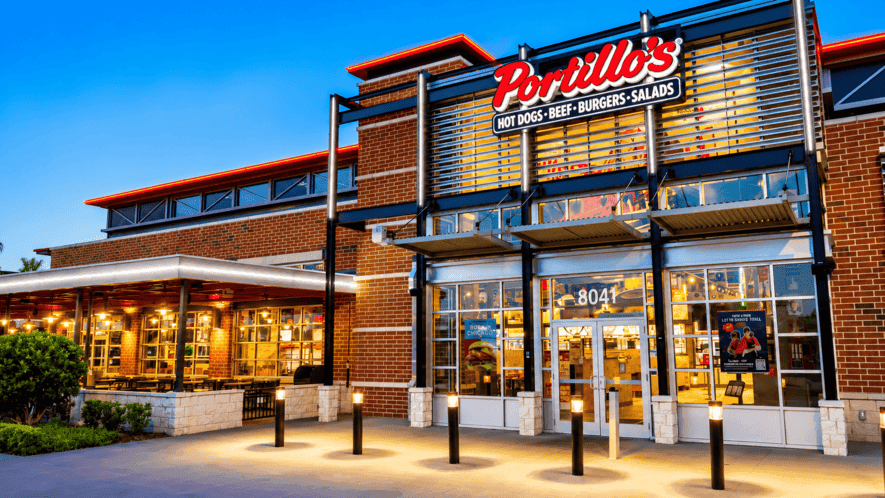
Portillo’s trims corporate and field roles by 18% in a strategic shake-up to support future growth after soft traffic and sales. Read what this means for multi-unit operators.
Aug 6, 2026
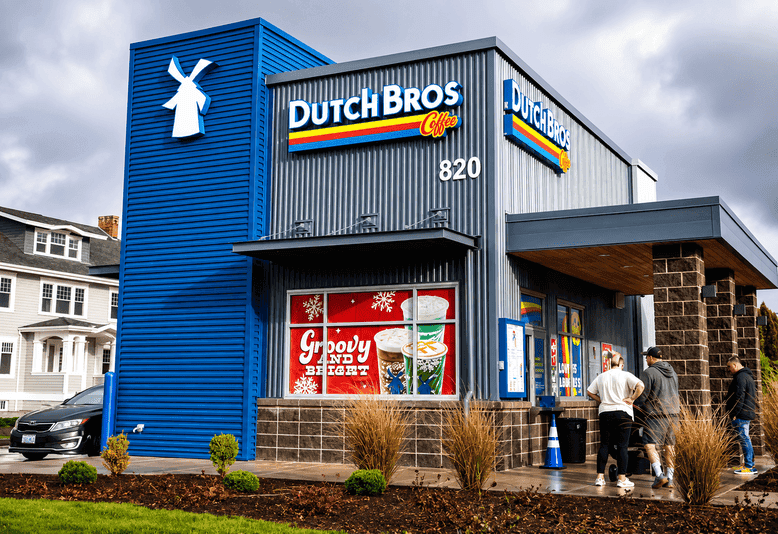
Dutch Bros invests $105 million to acquire Salad and Go’s closed locations, targeting rapid expansion in key southern markets. Learn what this means for multi-unit restaurant owners and operators.
Aug 6, 2026

Scheduling software helps restaurants save time, control labor costs, improve communication, prevent conflicts, support compliance, and make smarter staffing decisions.
Aug 5, 2026

Portillo’s announces industry veteran Kevin Kalicak as its new CFO and Treasurer, underscoring the brand’s growth strategy and financial vision.
Aug 5, 2026
Explore the complexities of franchise challenges, bankruptcy, Chapter 11, and the role of franchisors in supporting struggling franchisees.

Photo by Jan Baborák

Photo by Jan Baborák
The recent years have witnessed a surge in franchisee bankruptcies, impacting major chains like Burger King, Popeyes, McDonald’s, and Wendy’s. These bankruptcies are a result of various factors such as soaring ingredient and labor costs, declining foot traffic, and a prevalent sense of economic uncertainty among consumers. The move away from city centers and the reduction in office workers in downtown districts have added to the challenges faced by franchise operators.

Photo by Jan Baborák
Bankruptcy in the franchise industry mainly falls into two categories – Chapter 7 and Chapter 11. While Chapter 7 entails liquidation, Chapter 11 focuses on reorganization. The stigma associated with bankruptcy often stems from Chapter 7, but the majority of corporate bankruptcies belong to Chapter 11. It serves as a tool to restructure debt and pave the way for a sustainable business model.

Photo by Jan Baborák
Embracing Chapter 11 bankruptcy can be a pivotal move for struggling franchisees. It allows for necessary restructurings like lease renegotiations, closing unprofitable locations, or debt restructuring. Recognizing the need for Chapter 11 is essential to prevent further financial deterioration and steer the business towards stability.
Franchisors play a crucial role in supporting franchisees during challenging times. By closely monitoring the financial health of their network and offering financial assistance or adjusting royalties, franchisors can mitigate distress among operators. Encouraging proactive conversations with landlords and facilitating relocation processes can also aid struggling franchisees in adapting to changing market landscapes.

Photo by Jan Baborák
Franchise systems facing financial distress can explore alternative strategies to support struggling operators. Prioritizing the well-being of franchisees over immediate costly renovations can prevent additional debt burdens. Utilizing comprehensive reporting systems to detect early signs of financial struggles enables franchisors to intervene proactively and avert potential bankruptcies.