
The Ultimate Guide to Restaurant Labor Management
Restaurant labor management helps owners optimize staffing, control labor costs, improve productivity, monitor overtime, and maintain efficient restaurant operations.
Back Office
Sep 2, 2026
Restaurant labor management helps owners optimize staffing, control labor costs, improve productivity, monitor overtime, and maintain efficient restaurant operations.
Sep 2, 2026
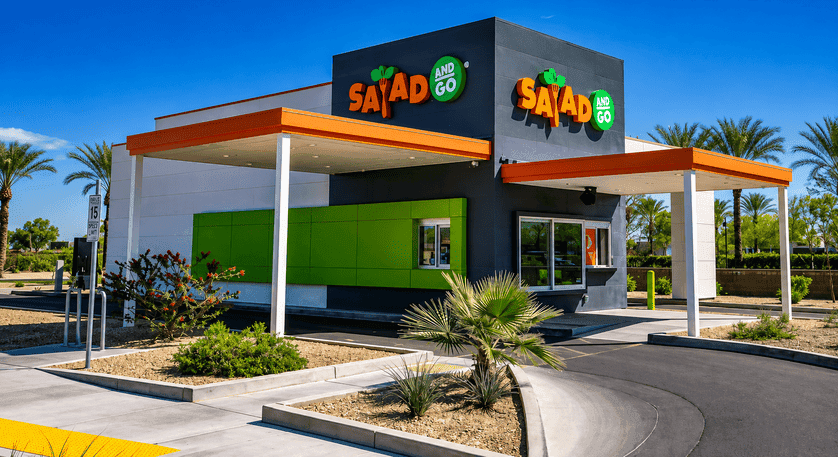
7 Brew has acquired 73 former Salad and Go locations, surpassing Dutch Bros with a $143M bid, signaling a major shift in the competitive landscape for drive-thru brands.
Sep 2, 2026
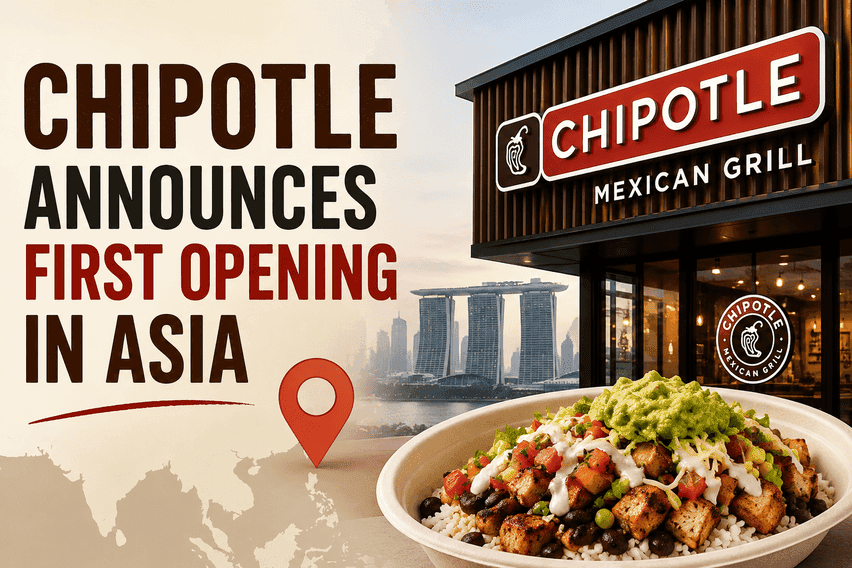
Chipotle makes its highly anticipated entry into Asia with a Seoul opening, partnering with Sangmidang Holdings and setting a template for future international growth.
Sep 2, 2026
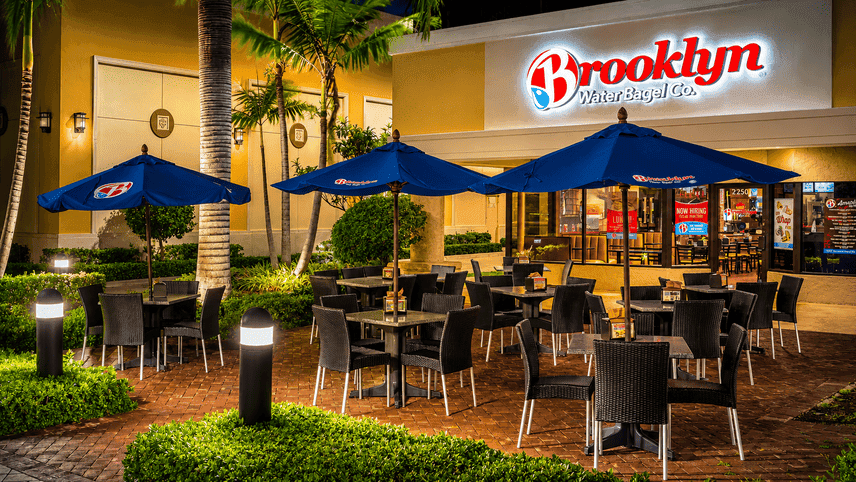
Brooklyn Water Bagel launches its first campus eatery at Nova Southeastern, signaling strategic growth and fresh potential for multi-unit operators seeking new market wins.
Sep 2, 2026
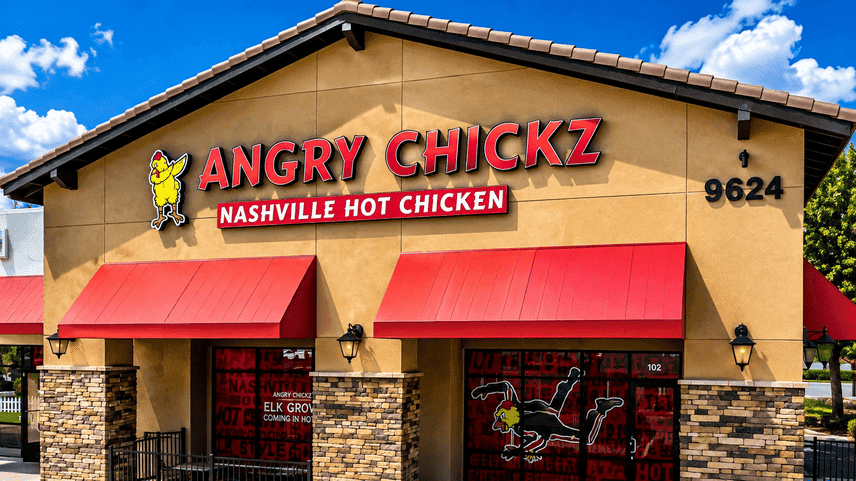
Angry Chickz enters Illinois with its signature hot chicken concept and ambitious plans for Midwest expansion, setting the stage for new franchise opportunities and community engagement.
Sep 2, 2026
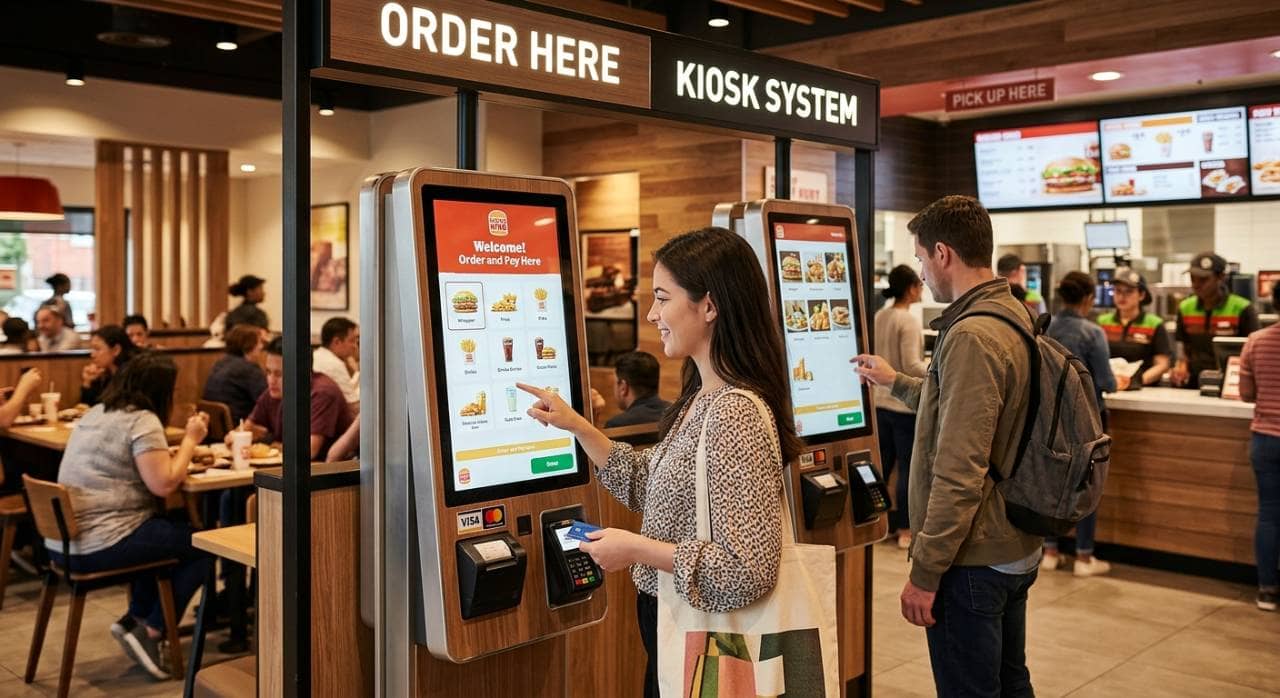
Understand how to evaluate a Kiosk system using key criteria including features, POS integration, hardware, pricing, customer experience, and support.
Aug 31, 2026

Explore restaurant technology trends in 2026, including AI, automation, digital ordering, workforce tools, connected kitchens, personalization, and profitability strategies today.
Aug 28, 2026
Learn how to calculate restaurant cost of goods using inventory, purchases, COGS percentage, variance reviews, and regular tracking for profitability.
Aug 31, 2026

Learn the startup costs of opening an ice cream shop, including rent, equipment, renovations, permits, inventory, labor, marketing, and reserves.
Aug 28, 2026

A restaurant P&L statement reveals sales, expenses, and profits, helping owners manage costs, improve margins, and plan finances more effectively.
Aug 26, 2026

Unlock Exclusive Access To Webinars, Events, And The Latest News For Free!
Explore how restaurant chains handle closures, workforce shifts, and challenges amidst industry turbulence. Learn about strategies for managing closures and optimizing workforce.

Photo by ERIC ZHU

Photo by ERIC ZHU
Restaurant chains often face the daunting task of managing closures due to various reasons such as performance issues, economic challenges, or strategic business decisions. The recent closures announced by leading companies like Darden highlight the importance of conducting thorough analyses to determine the viability of individual units within a chain. By carefully evaluating store performance, companies can make informed decisions on closures to optimize their operational efficiency and overall profitability.

Photo by ERIC ZHU
One critical aspect of restaurant closures is the management of the workforce affected by these decisions. In the case of Darden, the company's strategy of shifting workers from closing units to other nearby restaurants demonstrates a proactive approach to retaining talent within the organization. By prioritizing the transfer of employees and providing severance pay to those who cannot be relocated, companies can mitigate the impact of closures on their workforce and uphold their commitment to employee welfare.
The restaurant industry has been facing significant challenges even before the onset of external factors like tariff policies and global market disruptions. Companies across the sector, especially in the full-service segment, have been experiencing operational difficulties and financial strains. The examples of Dine Brands, Bloomin', Denny's, and Red Robin reflect the prevailing turbulence in the industry, characterized by closures, layoffs, and the need to adapt to changing market conditions.

Photo by ERIC ZHU
Amidst the challenging landscape, restaurant chains must devise strategies to navigate uncertainties and sustain their operations. Emphasizing innovation, customer engagement, and operational excellence becomes crucial for companies aiming to thrive in competitive markets. By leveraging data-driven insights, refining menu offerings, optimizing delivery services, and enhancing the overall dining experience, restaurants can differentiate themselves and attract customers amidst industry disruptions.
While many restaurant chains grapple with closures and market challenges, success stories like Olive Garden's sales growth signify opportunities for resilience and expansion. Olive Garden's strategic focus on enhancing same-store sales and gradually increasing its footprint exemplifies the potential for sustained growth in a competitive environment. By investing in customer-centric initiatives, brand loyalty programs, and operational efficiencies, companies can position themselves for long-term success despite industry headwinds.