
How to Start a Restaurant With No Experience
Learn how to open a restaurant with no experience by planning your concept, budget, location, team, operations, and successful launch.
Business Management
Aug 19, 2026
Learn how to open a restaurant with no experience by planning your concept, budget, location, team, operations, and successful launch.
Aug 19, 2026
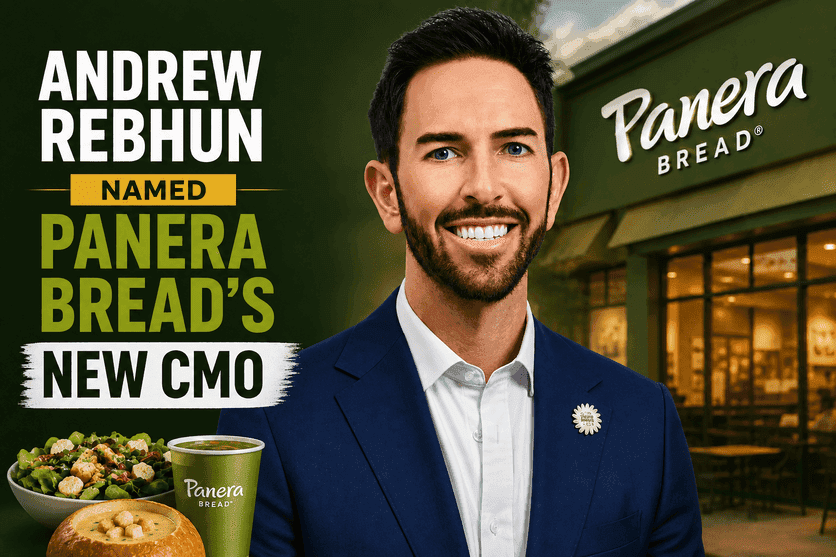
Panera Bread welcomes Andrew Rebhun as Chief Marketing Officer, succeeding Mark Shambura. Learn about his background at CAVA, El Pollo Loco, and McDonald's.
Aug 20, 2026

Payroll advances help restaurant owners give hourly employees earlier access to earned wages while maintaining accurate records, policies, and compliance.
Aug 19, 2026
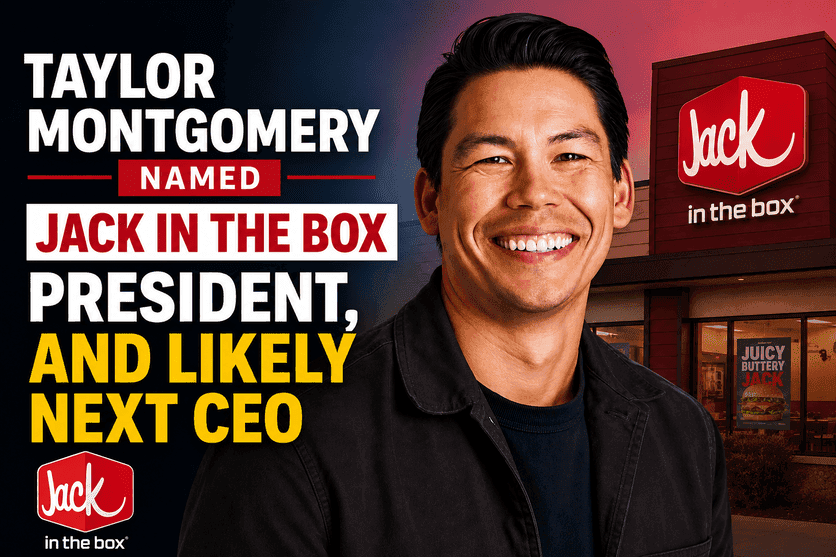
Taco Bell’s Taylor Montgomery has been appointed as President of Jack in the Box, positioning him to take over as CEO within a year - signaling major shifts for the QSR brand's future.
Aug 20, 2026

Explore the main types of ordering technology restaurants use to improve accuracy, speed, payments, customer convenience, and operational efficiency daily.
Aug 17, 2026

Learn the eight essential steps of the restaurant payroll process, from tracking hours and calculating wages to payments and recordkeeping.
Aug 17, 2026

Discover how restaurant SMS marketing works, from building subscriber lists and creating campaigns to improving engagement and measuring marketing performance.
Aug 14, 2026
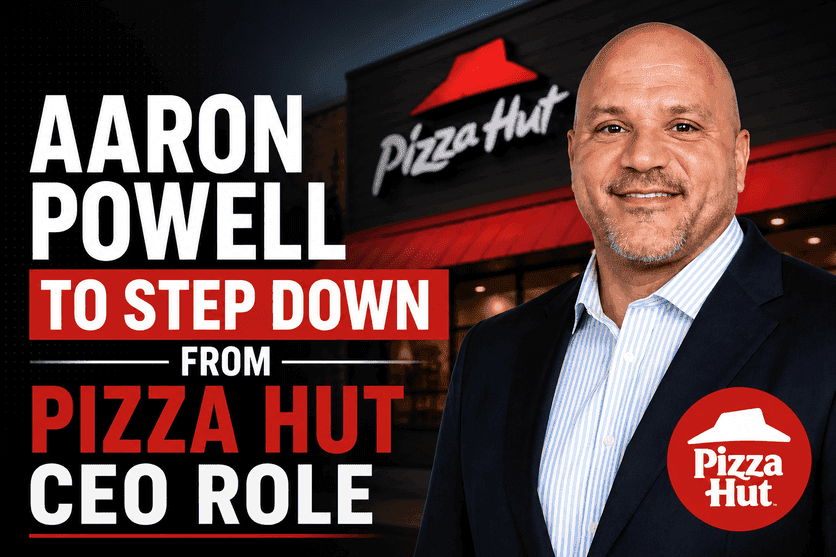
The transition of Pizza Hut's CEO, Aaron Powell, marks a pivotal moment for the chain and offers valuable leadership lessons for restaurant owners. Here’s what this executive change could mean for your business.
Aug 17, 2026
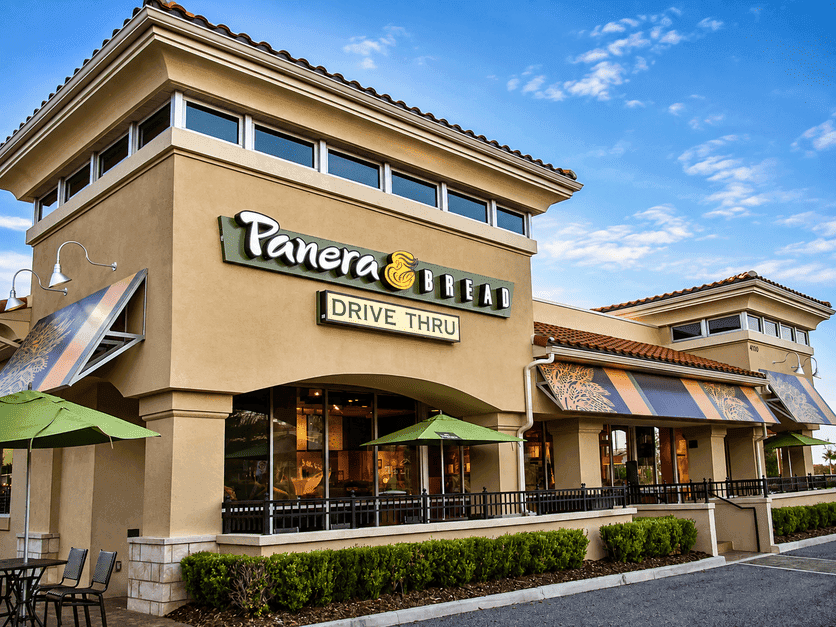
Panera Bread welcomes Andrew Rebhun as its new CMO to spearhead strategic brand growth and transformation, bolstering its vision for 2028.
Aug 17, 2026

Learn how to manage cash flow in your restaurant by tracking finances, controlling costs, forecasting needs, and building cash reserves.
Aug 14, 2026

Unlock Exclusive Access To Webinars, Events, And The Latest News For Free!
Explore the impact of restaurant closures in response to the pandemic and changing market dynamics. Learn about strategies for long-term viability and growth in the restaurant industry.

Photo by Sergio Arteaga

Photo by Sergio Arteaga
In the tumultuous wake of the pandemic, many restaurants have faced financial strain, leading to closures as a means of survival and refocusing. The year 2024 has seen a continuation of this trend, with a significant number of restaurant chains opting to decrease their locations or announce closure plans. Factors such as increased costs, reduced foot traffic, and changing consumer behaviors have contributed to the challenging environment for restaurants.
The decision to close underperforming locations is often part of a strategic move by restaurant brands to ensure long-term viability and profitability. By shedding low-performing units, restaurants can concentrate their resources and efforts on strengthening stronger locations, ultimately boosting overall profitability. This strategy allows brands to streamline operations, enhance customer experience, and position themselves for future growth.
The seismic shift caused by the pandemic, including the rise of remote work and changes in consumer preferences, has prompted restaurants to reevaluate their footprint and adapt to new market dynamics. Urban center closures, for example, have been a direct response to the shift in where people live and work. This adaptation reflects the need for restaurants to align their operations with evolving trends to remain competitive in a dynamic market.

Photo by Sergio Arteaga
While closures may signify a challenging period for the restaurant industry, strategic decision-making plays a crucial role in navigating these obstacles. By analyzing market trends, consumer behaviors, and operational inefficiencies, restaurants can make informed choices about which locations to close and where to invest resources for sustainable growth. Embracing change and adapting to the evolving landscape are key strategies for restaurants looking to thrive amidst industry challenges.