.png&w=3840&q=70)
Wendy's Top Franchisee Bankruptcy Exposes Growth Risks
Meritage Hospitality's Chapter 11 filing pulls 5% of Wendy's U.S. stores into bankruptcy, exposing cracks in franchising's bigger-is-safer bet.
Franchising
Sep 21, 2026
Meritage Hospitality's Chapter 11 filing pulls 5% of Wendy's U.S. stores into bankruptcy, exposing cracks in franchising's bigger-is-safer bet.
Sep 21, 2026
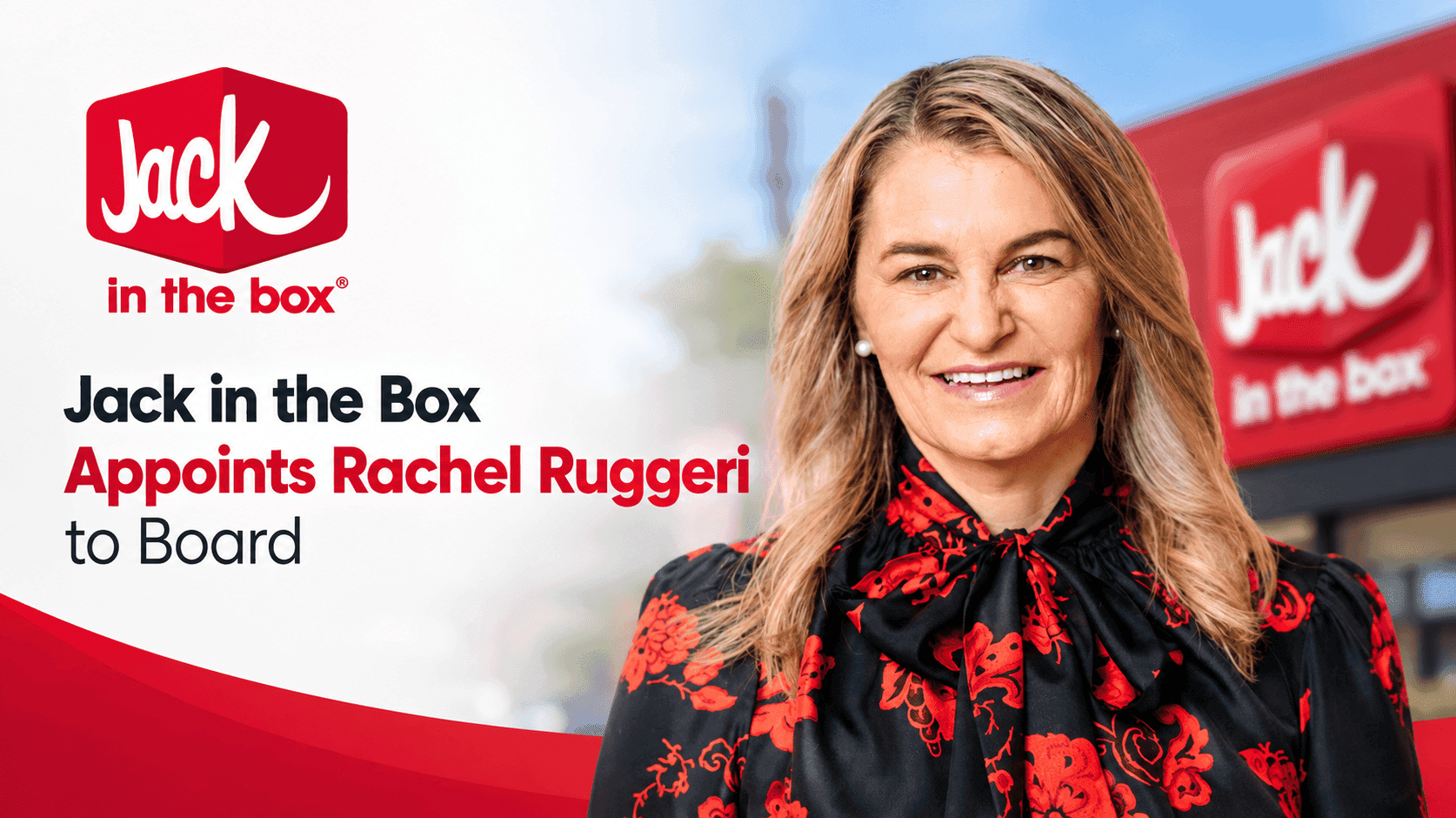
Jack in the Box names Rachel Ruggeri to its board as Michael Murphy retires, amid a CEO transition and deal with investor GreenWood.
Sep 21, 2026

Understand how to forecast restaurant revenue and expenses with methods for sales projection, cost scaling, fixed-cost planning, and risk buffering.
Sep 18, 2026

Restaurant owners can significantly reduce restaurant costs by leveraging technology across inventory, labor, procurement, forecasting, and administrative operations for better profit margins.
Sep 18, 2026

everbowl names Anna Gabele Brand President and Natalie Trzcinski COO, pulling both from Jack in the Box to guide its next growth phase.
Sep 18, 2026

Mountain Mike's Pizza hires Jack in the Box veteran Sheena Dougher as CMO to drive national growth while preserving its regional brand identity.
Sep 17, 2026

From fixed costs to contribution margin, learn exactly how to calculate your restaurant's break even point with confidence.
Sep 16, 2026

DoorDash pays $425M for Wonder's campus dining platform and a stake in Wonder, betting on robotic kitchens and institutional foodservice growth.
Sep 16, 2026
Discover the most common reasons restaurants fail, including inconsistent food quality and pricing mistakes, plus practical ways to avoid them.
Sep 16, 2026
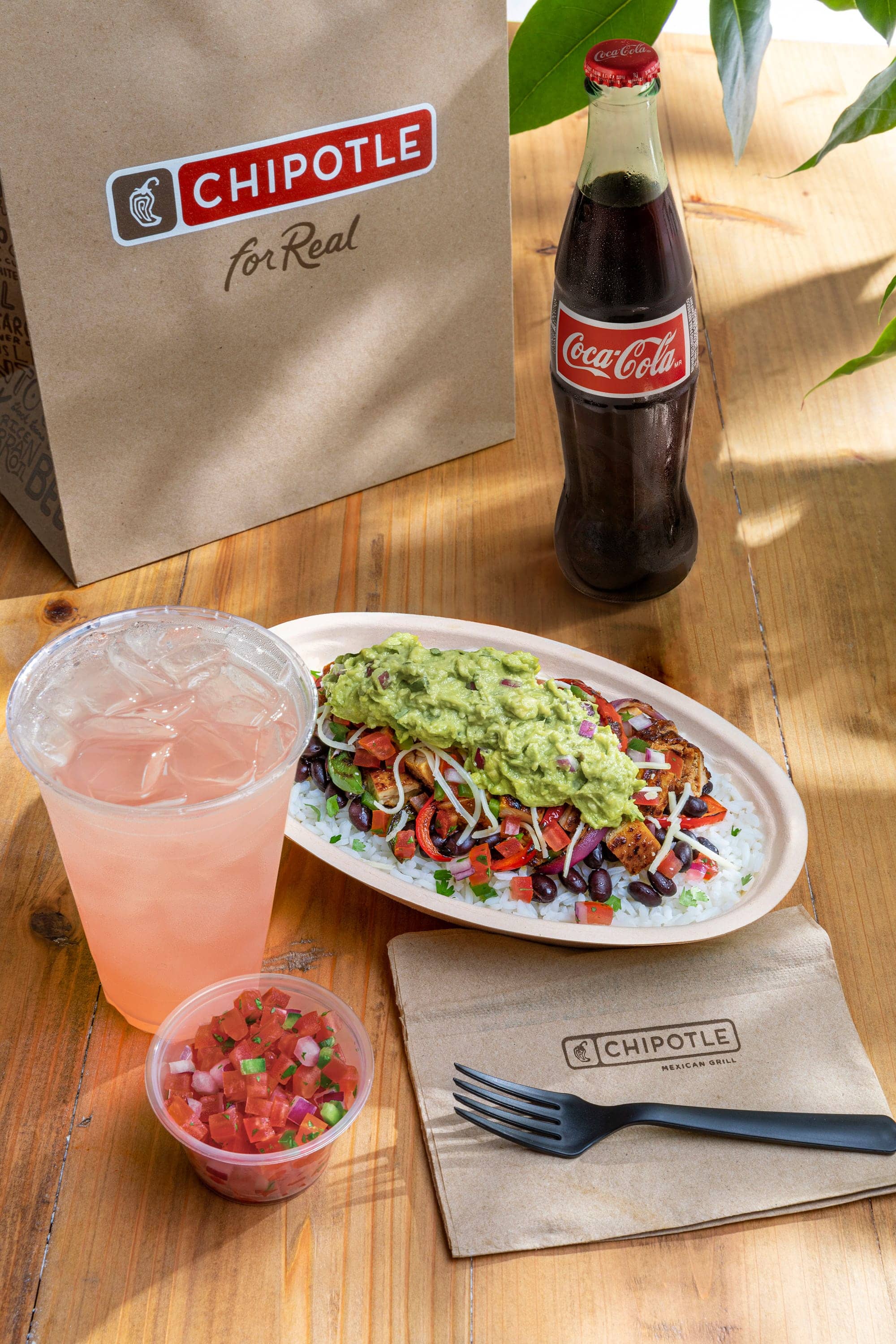
Chipotle names former KFC global CEO Sabir Sami to its board as the chain expands into Mexico, Saudi Arabia, and South Korea.
Sep 15, 2026

Unlock Exclusive Access To Webinars, Events, And The Latest News For Free!
On The Border has filed for Chapter 7 liquidation less than 15 months after emerging from its first bankruptcy, leaving only five US franchise locations still operating as OTB Hospitality initiates an orderly wind-down of assets under court supervision.
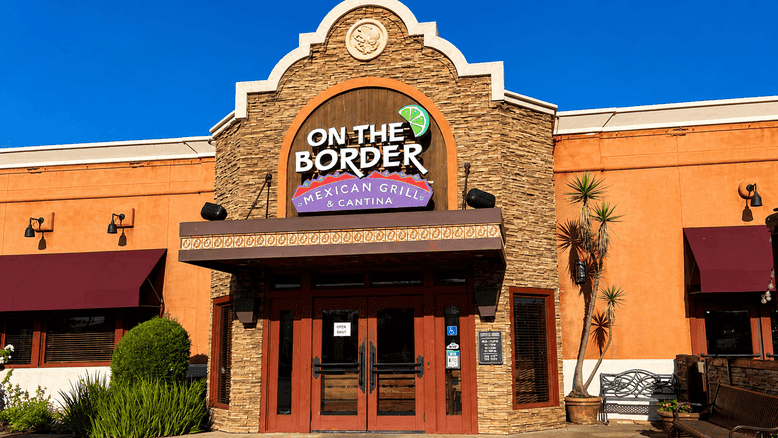
On The Border has filed for Chapter 7 liquidation, marking the final chapter in the rapid and painful collapse of what was once one of America's most recognisable casual dining Tex-Mex brands. OTB Hospitality, the operating entity behind the concept and a separate legal entity wholly owned by Pappas Restaurants, filed for Chapter 7 protection on June 19- just days after closing all remaining company-owned restaurants. The filing initiates an orderly liquidation of assets under a court-appointed trustee, effectively ending the brand's corporate restaurant operations. Only five independently operated franchise locations in the United States- spread across California, Nevada, Florida, and South Dakota- along with several franchised restaurants in South Korea, continue to operate under the On The Border name.
The filing came with a candid acknowledgement from the company that the path to stabilisation had proven steeper than anticipated. "This was an incredibly difficult decision," said Chris Pappas, spokesperson for OTB Hospitality, in a statement. "Our teams worked hard over the past year to stabilize the business, but it became clear that OTB would require substantial ongoing investment that would pull focus and resources away from the core operations that define who we are." The statement is notable for its honesty. Pappas Restaurants- the Houston-based operator behind Pappasito's Cantina, Pappadeaux Seafood Kitchen, and Pappas Bros. Steakhouse- emphasised that the broader portfolio remains financially stable and entirely unaffected by the OTB Hospitality proceedings, drawing a clear line between the struggling Mexican concept and the rest of its restaurant family.
The Chapter 7 filing represents a dramatic reversal from the optimism that surrounded On The Border's emergence from its first bankruptcy just over a year ago. In March 2025, the chain sought Chapter 11 protection after years of declining sales, rising labour costs, inflationary pressure, and what court documents described as a "dire lack of liquidity." At that point, On The Border had already shuttered 40 underperforming locations and was carrying approximately $19.6 million in prepetition debt, entering the process with roughly 80 restaurants systemwide. A sale process was launched, and Pappas Restaurants emerged as the winning bidder through a $15.9 million stalking horse offer- expressing genuine confidence that its operational expertise and deep Texas hospitality roots could revive the brand.
When Pappas completed its acquisition, CEO Mike Rizzo set an optimistic tone. "On The Border is a brand with deep heritage and loyal guests, and we see tremendous opportunity to invest in its future," he said at the time. The company outlined plans for menu improvements, operational upgrades, and a sweeping culinary overhaul grounded in the standards that had defined Pappas for decades. A renewed guest experience strategy accompanied those commitments, suggesting a new ownership team that believed it had both the vision and the capability to execute a genuine turnaround. By June 2026, however, those plans had given way to the announcement that all corporate-owned restaurants would close by June 12 while the company evaluated strategic alternatives- followed days later by the Chapter 7 filing that made the closure permanent.
To understand the full weight of On The Border's second bankruptcy, it helps to trace how far the brand has fallen from its peak. Founded in 1982 as On The Border South Texas Café, the concept grew rapidly after being acquired by Brinker International in 1994, surpassing 100 US restaurants by 2001 and expanding internationally in the years that followed. At its height, On The Border operated more than 150 locations worldwide and frequently positioned itself as the largest Mexican casual-dining chain in the country. Ownership changed hands multiple times- from Brinker to Golden Gate Capital in 2010, then to Argonne Capital Group in 2014- and with each transition, the brand lost a little more of the strategic focus and operational consistency that had built its reputation. A turnaround effort launched in 2021 showed brief promise, with former CMO Edithann Ramey reporting average check growth of 10% and traffic gains in early 2023, but the momentum proved short-lived. Leadership turnover followed, and the trajectory never recovered.
On The Border's story is painful, but it is not unique. The brand's collapse mirrors the trajectory of a growing list of established casual dining chains that have found themselves unable to navigate the combined pressure of changing consumer behaviour, elevated operating costs, and intensifying competition from fast-casual and value-focused quick-service operators. Red Lobster and TGI Fridays have both sought bankruptcy protection in recent years for similar reasons, and the common thread running through each case is the same- legacy brands built for a consumer landscape that no longer exists, struggling to find relevance in one that has moved on. For On The Border, a brand that spent four decades serving Tex-Mex to American families, the Chapter 7 filing is the end of that search. What remains- five franchise locations and a handful of international outposts- is a faint echo of what the brand once was.
