Pei Wei Wins Best Fast-Casual Chain Award
Pei Wei Asian Kitchen named Best Fast-Casual Chain in Reviewed 2026 Awards, reflecting shift from price competition to quality and transparency.
News
Sep 11, 2026
Pei Wei Asian Kitchen named Best Fast-Casual Chain in Reviewed 2026 Awards, reflecting shift from price competition to quality and transparency.
Sep 11, 2026

O'Charley's shuttered all corporate restaurants nationwide on September 9, 2026, ending its 55-year legacy as a casual-dining regional powerhouse.
Sep 11, 2026
Authentic Restaurant Brands lands $325M investment from Trimontium to fuel disciplined regional expansion across five established restaurant concepts.
Sep 11, 2026

Walmart expands restaurant delivery beyond Subway and Dunkin', taking on DoorDash, Uber Eats, and Grubhub with Papa Johns nationwide rollout.
Sep 11, 2026

Complete NFL season restaurant checklist covering licensing, AV setup, menu prep, inventory, staffing, and marketing before kickoff arrives.
Sep 11, 2026

California shifts to public enforcement strategy against Dickey's for deceptive franchise disclosures, signaling stricter state-level franchise oversight.
Sep 10, 2026
Paul Brown temporarily steps away from Inspire Brands as Scott Murphy assumes interim CEO role during confidential IPO filing process targeting late 2026.
Sep 10, 2026
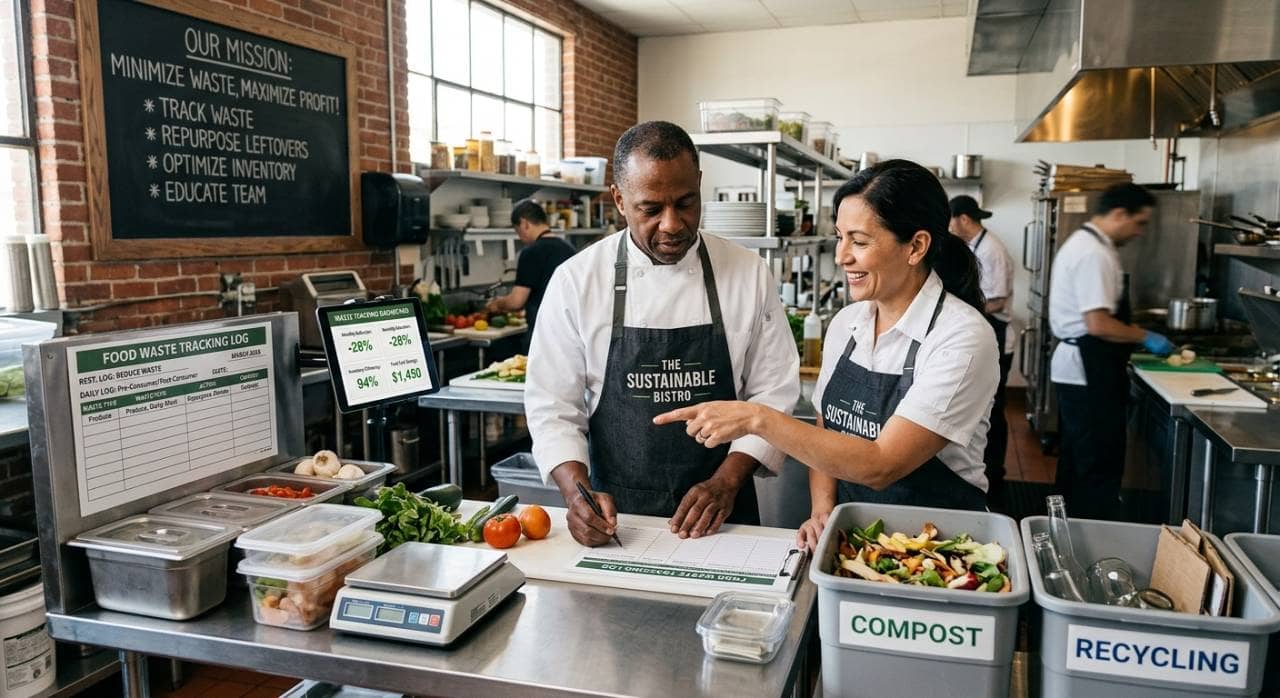
Learn how to reduce food waste in restaurants through smarter purchasing, storage, preparation, and service strategies that cut costs.
Sep 9, 2026
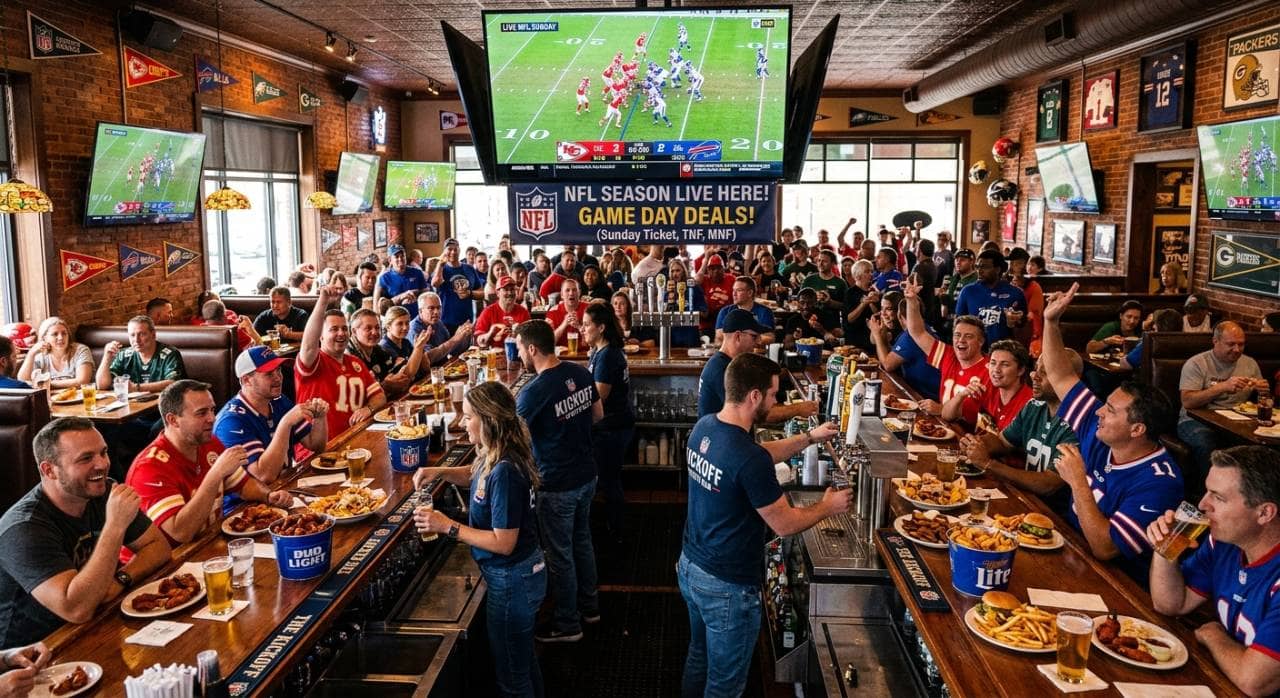
Prepare your restaurant for NFL season with smart menu planning, staffing, marketing, technology, and atmosphere strategies that boost season-long revenue.
Sep 9, 2026
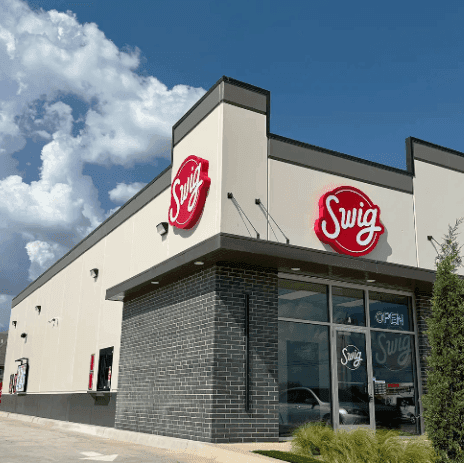
Swig signs franchise agreement for 11 South Denver locations, marking Colorado entry and validating its national expansion strategy.
Sep 8, 2026

Unlock Exclusive Access To Webinars, Events, And The Latest News For Free!
PE is rolling up franchise supplier platforms like IFPG and Fastlane, blending brokers, marketing, and AI to scale development and reshape pricing.

Photo by Fotos
Private equity is stitching together the suppliers that power franchise development, turning broker networks and marketing shops into full platforms. IFPG shows the model in action.
Under two different PE owners in two years, it bought Franchise Business Review in February, Business Alliance in April, and St. Jacques Marketing, rebranded as Franchise Ignition, later in spring 2026. Southfield Capital is doing the same with Franchise Fastlane, adding Raintree in 2023 and Franchise Creator in March 2026 to blend consulting, early-stage brand development, and AI resources. The aim is simple, replace a fragmented, relationship-heavy market with scalable systems built for repeatable growth.
The backstory stretches across two decades of PE focus on franchising. Roark Capital’s 2001 acquisition of Carvel kicked off a wave of multi-brand platforms that now include Inspire Brands and GoTo Foods. PE is no longer just buying brands. It is buying the suppliers that feed them.
FRANdata counts private equity investment in more than 12.4 percent of active U.S. franchise brands, which runs into the hundreds across every sector.
Emergent Growth Advisors’ founder Alicia Miller put it plainly, "A gold rush is a good time to be in the pick and shovel business," noting that supplier platforms spread risk and support system expansion. IFPG’s story tracks the shift. Founded in 2012 by Dan Daszkowski, the group took its first institutional capital in 2022 when Daszkowski sold a stake to Princeton Equity Group to secure funding and governance expertise. Princeton added KidStrong that same year, then divested IFPG to Levine Leichtman Capital Partners in summer 2025.

The mechanics are classic roll-up playbook. LLCP targeted add-ons that fill obvious gaps for IFPG’s member base, pulling in satisfaction research via Franchise Business Review, a larger broker roster through Business Alliance, and lead generation with St. Jacques Marketing, now Franchise Ignition. Southfield Capital backed similar moves at Franchise Fastlane, funding Raintree and Franchise Creator while injecting proprietary artificial-intelligence tools to sharpen candidate matching.
Economics help explain the rush.
Broker networks often take 25 to 50 percent of the initial franchise fee, with an average near 40 percent, which drives meaningful revenue and margins for scaled platforms. Broader deal data points the same way. Distribution M&A saw average deal value jump from 85 million dollars in 2024 to 310 million dollars by October 2025, a 260 percent increase, even as transaction counts fell, a sign that investors will pay up for larger, strategically aligned targets.
Operators inside these platforms see both promise and pressure. "At the core, we connect candidates with franchise opportunities through our network, but we're also building a much broader ecosystem of services that franchisors rely on to grow," said Daszkowski.
Andrew Alexander of Levine Leichtman Capital Partners added that "the right acquisitions can expand the network, improve the tools and features that drive effectiveness, and add capabilities that make the platform even more useful to members."
Not everyone cheers consolidation. Miller cautions on costs, "It's incredibly expensive to use the broker networks now. So, I don't know that eliminating the number of broker networks or paring it down is going to be great on pricing." Franchise Fastlane’s Tim Koch credited Southfield Capital with sparking "insights that challenged our assumptions, our understanding of what growth looks like and how to get there," and Southfield’s Josh Sylvan said the appeal was Fastlane’s core service and "what else can you do with the business?"
The ripple effects are visible across the supplier map. L2 Capital built Full Spectrum Franchise Consulting by combining iFranchise Group, TopFire Media, and FranDevCo. Greens Farms Capital formed Big Rock Brands through acquisitions of 919 Marketing and Fish Consulting, now Tidehouse Agency. On the brand side, Roark Capital now backs names from Subway to Dave’s Hot Chicken.
The International Franchise Association’s 2026 Economic Outlook projects sector output rising to 921.4 billion dollars, up 1.6 percent, with over 221,000 new jobs and 15,000 added establishments. That growth, faster than the broader U.S. economy, keeps capital leaning in and supports a barbell strategy that pairs stable system royalties with supplier service revenues.

Some blanks remain. Many add-on deal terms are not public, which makes it hard to size returns. Commission inflation could squeeze franchisor budgets or shift costs to franchisees, potentially slowing unit growth if placement fees climb too high. Integration is a heavy lift, from merging tech stacks and cultures to aligning client service. Regulatory oversight of PE-backed supplier platforms is still thin, raising questions on competitive practices and franchisee data privacy. Long-term performance data on consolidated suppliers versus independents is limited, so most judgments rest on near-term growth.

What comes next will set the tone for 2026. Expect tighter expectations from investors around performance metrics, digital tooling, and governance, and changing referral dynamics as broker networks consolidate. Franchisors will chase the promise of one-stop platforms. Franchisees will watch the fee math. Investors must balance speed with service and protect the relationship-driven ethos that still powers franchise development.
Keep an eye on how IFPG integrates its three new pieces, how Fastlane’s AI matching performs, and how pricing behaves across shrinking broker choices. That will tell you whether this roll-up wave lifts all boats or just makes the water choppier.