Profitable Food Business Models for Restaurant Owners in 2026
Learn which food business models can help restaurant owners grow revenue, manage labor, control food costs, and build stronger margins.
Jul 10, 2026
Learn which food business models can help restaurant owners grow revenue, manage labor, control food costs, and build stronger margins.
Jul 10, 2026
Learn how to value, prepare, market, negotiate, and close the sale of restaurant franchise locations while protecting your financial interests.
Jul 10, 2026
Bad Ass Coffee accelerates growth with travel plazas, kiosks and more, adding nontraditional units and planning airport concessions as franchising rebounds.
Jul 10, 2026
Toronto-based D-Spot Dessert Café opens July 11 in Carrollton with build-your-own sweets, late hours, and plans for broader U.S. expansion.
Jul 10, 2026
Win discovery and ROI in 2026 with Google Business Profile, local SEO, paid and retargeting, loyalty, and hospitality that turns first visits into loyalty.
Jul 10, 2026
Clean Eatz reports robust Q1 growth for 2026, driven by a multi-stream business model and nationwide franchise expansion - key insights for restaurant leaders.
Jul 10, 2026
As Crumbl names a new CTO amid major leadership changes, restaurant operators should pay attention to how technology impacts growth and stability in today’s market.
Jul 10, 2026
OpenTable’s new Gold Tables unlocks high-value guests for restaurants, rewarding frequent diners with exclusive booking opportunities and perks while strengthening guest loyalty.
Jul 10, 2026
Qdoba is accelerating its presence in the Western and Southern US with bold new franchise agreements set to add over 110 restaurants. See what this growth means for restaurant operators.
Jul 9, 2026
Learn how social media marketing helps restaurants share food, promote offers, build engagement, measure performance, and turn followers into customers.
Jul 8, 2026
Learn which food business models can help restaurant owners grow revenue, manage labor, control food costs, and build stronger margins.

Profitability should guide every food business model because a restaurant can generate strong sales and still struggle to make money. Revenue shows how much money comes in, but profit shows how much remains after food costs, labor, rent, packaging, utilities, delivery fees, marketing, and other operating expenses are paid. For restaurant owners, the best business model is not always the one with the highest sales volume. It is the one that creates sustainable profit. Each food business model affects costs in a different way. A dine-in restaurant may earn higher check averages, but it usually requires more labor, more space, more equipment, and stronger guest service. A delivery-based restaurant may reach more customers, but third-party delivery commissions, packaging costs, and order mistakes can reduce margins. A catering model may create larger orders, but it requires accurate pricing, advance preparation, transportation, and staff planning. A ghost kitchen may lower front-of-house costs, but it depends heavily on online visibility, delivery demand, and menu efficiency. Restaurant owners should compare each model by looking at profit margin, labor requirements, food cost percentage, order volume, average ticket size, customer demand, and operational complexity. A model that adds sales but increases costs too much may not improve the business. A model that uses existing kitchen capacity, supports higher-margin menu items, and requires limited extra labor may be more profitable.
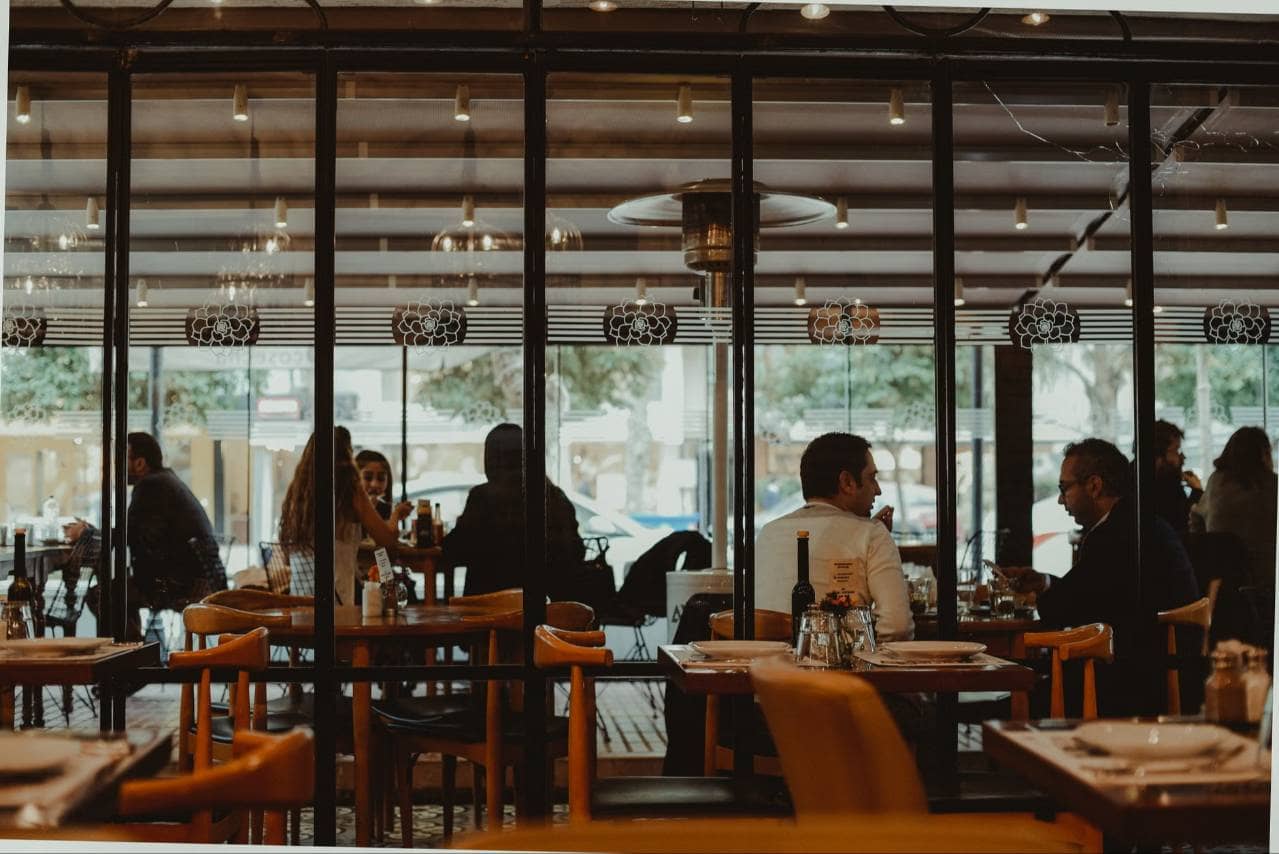
The dine-in restaurant model is one of the most traditional food business models. It is built around serving customers inside the restaurant, where revenue comes from table service, menu pricing, guest experience, upselling, repeat visits, and average check size. For restaurant owners, this model can be profitable when seating, staffing, menu design, and service speed are managed carefully. A dine-in model should be measured through clear performance data. The first key metric is average check size, which shows how much each guest spends per visit. Owners can improve this by promoting appetizers, drinks, desserts, add-ons, and premium menu items. The second metric is table turnover rate, which measures how many times each table is used during a shift. A restaurant with slow table turnover may have strong food quality but limited revenue capacity during busy hours. The third metric is labor cost percentage. Dine-in restaurants often need servers, hosts, bussers, bartenders, cooks, dishwashers, and managers. If staffing is not matched to demand, labor costs can rise faster than sales. The fourth metric is food cost percentage, which shows whether menu prices are high enough to cover ingredients and protect margins. Owners should review high-cost ingredients, portion sizes, waste, and low-margin menu items regularly. The fifth metric is sales per square foot. Since dine-in restaurants depend on physical space, every dining area, bar seat, patio table, and private room should support revenue. Empty tables during peak hours, underused seating areas, or slow service can reduce profit potential. The dine-in restaurant model works best when owners use data to balance guest experience with profitability. A strong atmosphere may bring customers in, but profit depends on check size, table flow, labor control, menu margins, and repeat visits.

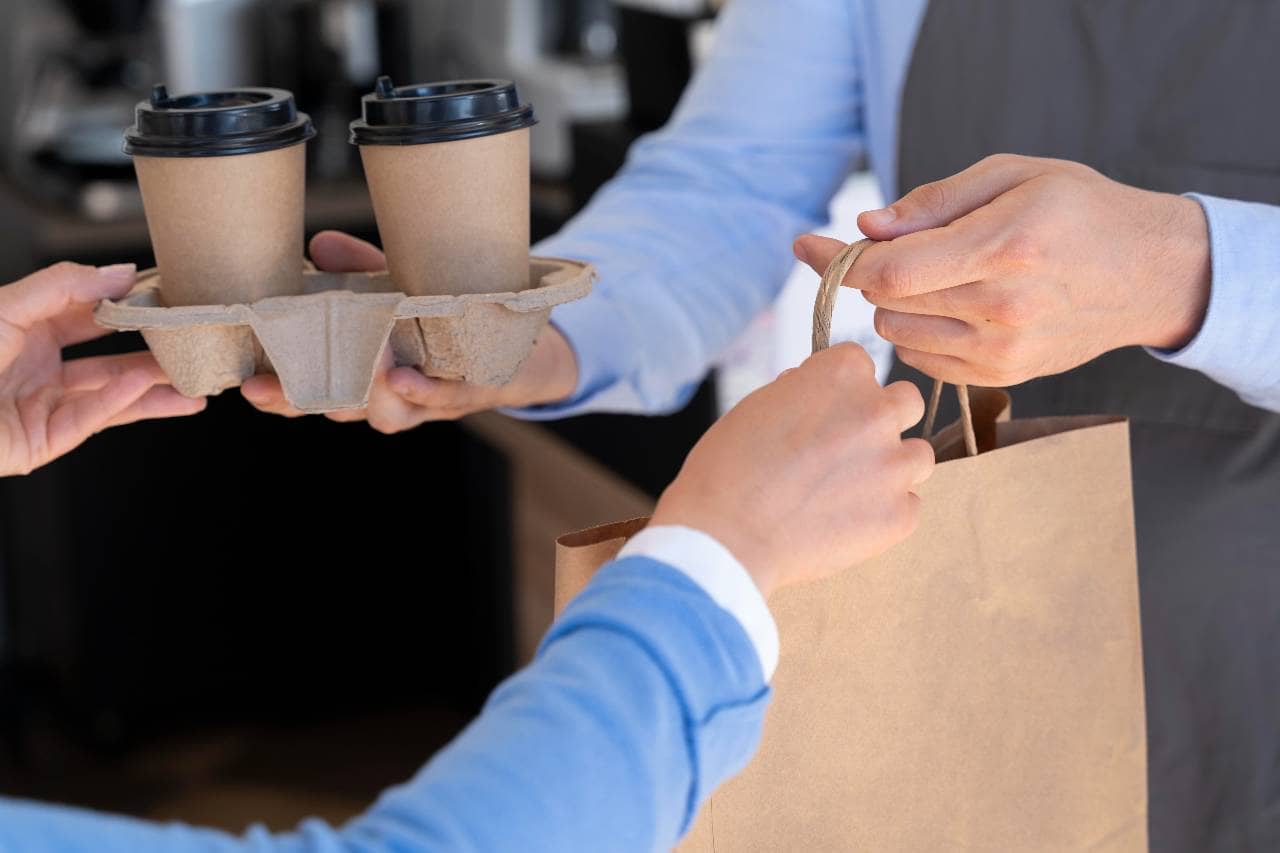
The takeout and pickup model gives restaurant owners a way to serve more customers without adding more tables, expanding the dining room, or increasing front-of-house space. Instead of depending only on guests who eat inside the restaurant, this model captures customers who want convenience, fast service, and easy ordering. For many restaurants, takeout works best when it is treated as its own revenue channel, not just an extra service. A pickup order still needs a clear process - the order must be entered correctly, prepared on time, packaged properly, labeled clearly, and handed to the right customer. If one part of the process breaks down, the restaurant may lose the sale, receive a complaint, or risk losing a repeat customer. Restaurant owners should look at the takeout model through three main data areas - order volume, order value, and order quality. Order volume shows how many pickup transactions the restaurant handles during lunch, dinner, weekends, and slower periods. Order value shows whether customers are buying only one item or adding sides, drinks, desserts, family meals, and bundled offers. Order quality shows how well the restaurant delivers on accuracy, speed, packaging, and food condition. The profit opportunity comes from using the existing kitchen more efficiently. If the restaurant already has staff, equipment, and ingredients in place, takeout can add revenue without the same space costs as dine-in service. However, owners still need to watch packaging costs, online ordering fees, labor pressure, and kitchen capacity. A profitable takeout and pickup model should answer four questions clearly - Are orders ready on time? Are customers spending enough per order? Is packaging protecting the food? Is the kitchen able to handle takeout without hurting dine-in service? When the answer is yes, takeout can become a reliable and scalable food business model.
The delivery-based food business model helps restaurant owners reach customers who may never visit the dining room. Instead of depending only on walk-ins, reservations, or pickup traffic, restaurants can sell meals through direct delivery, third-party delivery apps, online ordering platforms, or a mix of all three. The main advantage is reach. Delivery can put a restaurant in front of customers searching for dinner at home, office lunches, late-night meals, family orders, or quick convenience. This can increase total order volume, especially for restaurants with menus that travel well. Pizza, bowls, sandwiches, burgers, wings, sushi, salads, and family-style meals often fit this model better than foods that lose quality quickly during transport. However, delivery can look profitable on the surface while quietly reducing margins. Restaurant owners need to account for commission fees, packaging costs, delivery delays, refunds, menu pricing, and labor needed to manage orders. A $40 delivery order may not produce the same profit as a $40 dine-in or pickup order if third-party fees and packaging costs are too high. To make delivery more profitable, owners should build a delivery-friendly menu. This means focusing on items that hold temperature, package well, avoid spills, and maintain quality after 20 to 30 minutes. Restaurants should also review which items create the most complaints, remakes, refunds, or poor reviews. Direct online ordering can also protect profit margins because customers order from the restaurant's own website instead of only using third-party platforms. Third-party apps may still help with discovery, but direct ordering gives owners more control over customer data, pricing, loyalty offers, and repeat marketing.
The catering and group order model can be one of the most profitable food business models for restaurant owners because it focuses on larger orders instead of one guest at a time. Instead of selling individual meals only, restaurants can serve offices, schools, events, meetings, parties, sports teams, family gatherings, and local organizations. This model changes the way revenue is created. A regular dine-in guest may order one meal, one drink, or one appetizer. A catering customer may order trays, boxed meals, beverage packages, desserts, sides, utensils, setup, and delivery. That means one order can generate the same revenue as several smaller transactions, especially when the menu is built for volume. The profit potential depends on planning. Catering works best when restaurant owners know their numbers before accepting the order. This includes food cost, labor time, packaging, delivery, setup, service fees, and minimum order size. Without these numbers, a large catering order can look exciting but produce weak margins. A strong catering model should include - 1. Minimum order requirements to protect labor and delivery costs. 2. Package pricing to make ordering easier for customers. 3. Advance ordering rules so the kitchen can plan production. 4. Clear portion guides to reduce waste and under-ordering. 5. Delivery and setup fees to avoid absorbing extra service costs. 6. Repeat customer tracking for offices, event planners, and local groups. For restaurant owners, catering is also valuable because many orders are planned in advance. This makes it easier to schedule staff, prep ingredients, manage inventory, and forecast demand. Unlike last-minute delivery orders, catering gives the business more control over timing and production. A profitable catering and group order model should not feel like a side task. It should have its own menu, pricing rules, ordering process, and follow-up system. When managed correctly, catering can help restaurants increase average order value, use kitchen capacity more efficiently, and build a stronger revenue stream beyond daily dine-in sales.

The ghost kitchen and virtual brand model is built for off-premise sales. Instead of focusing on a dining room, front-of-house service, or walk-in traffic, this model depends on online orders, delivery demand, digital menus, and kitchen efficiency. A ghost kitchen usually operates without a traditional dining area. Orders are placed online and fulfilled for pickup or delivery. A virtual brand is a restaurant concept that exists mainly online and may operate from an existing kitchen. For example, one restaurant kitchen may produce its regular menu while also selling a separate delivery-only brand with a different name, menu, and target customer. For restaurant owners, the biggest appeal is cost control. Without a full dining room, the business may reduce expenses tied to servers, hosts, furniture, decor, and prime customer-facing real estate. The kitchen can focus on production, speed, packaging, and delivery-ready menu items. However, this model is not automatically profitable. Ghost kitchens and virtual brands depend heavily on digital visibility. If customers cannot find the brand online, orders may stay low. Owners may also face high third-party delivery commissions, paid advertising costs, packaging expenses, refund requests, and strong competition from other delivery-first restaurants. A profitable ghost kitchen or virtual brand should be built around a focused menu. The best menu items are usually easy to prepare, simple to package, consistent during delivery, and profitable after delivery fees are counted. Too many items can slow down the kitchen, increase inventory needs, and create more room for errors. Restaurant owners should also track performance by brand, not just total sales. Important numbers include order volume, average ticket size, food cost, packaging cost, delivery commission, refund rate, repeat orders, and customer reviews. If one virtual brand brings sales but weak margins, it may not be worth keeping. The ghost kitchen and virtual brand model works best when owners treat it as a data-driven operation. Success depends on menu discipline, delivery quality, online visibility, tight cost control, and a clear understanding of which orders actually create profit.
Choosing the most profitable food business model starts with one simple question - Which model can your restaurant operate well while still protecting margins? A model may sound attractive, but it only works if it fits your kitchen, staff, customers, location, menu, and budget. Restaurant owners should avoid choosing a model only because it is popular. Ghost kitchens, delivery, catering, subscriptions, and hybrid restaurants can all create growth, but each one requires different systems. A delivery model needs strong online ordering, packaging, and speed. A catering model needs advance planning, bulk production, and accurate pricing. A dine-in model depends on service quality, table flow, and guest experience. The right choice depends on what the restaurant can execute consistently. Before adding or changing a food business model, owners should review five key areas - 1. Customer demand - Are customers already asking for delivery, pickup, catering, group meals, subscriptions, or private events? 2. Kitchen capacity - Can the kitchen handle more orders without slowing down dine-in service or increasing mistakes? 3. Labor requirements - Will the model require more staff, different training, longer prep time, or new management responsibilities? 4. Cost structure - How will food cost, packaging, rent, delivery fees, software, marketing, and labor affect profit? 5. Growth potential - Can the model become repeatable, scalable, and reliable over time? The most profitable food business models are usually not the most complicated. They are the models that use existing resources better, increase average order value, reduce unused capacity, and create repeat customers. For example, a restaurant with strong lunch traffic may benefit from office catering. A restaurant with limited seating may grow through pickup and direct online ordering. A restaurant with a simple, delivery-friendly menu may test a virtual brand. In 2026, restaurant owners should think beyond one revenue stream. The strongest approach is often a hybrid model that combines dine-in, pickup, delivery, catering, and direct online ordering in a way that fits the business. Profitability comes from choosing the model that supports demand, controls costs, and can be managed without weakening daily operations.