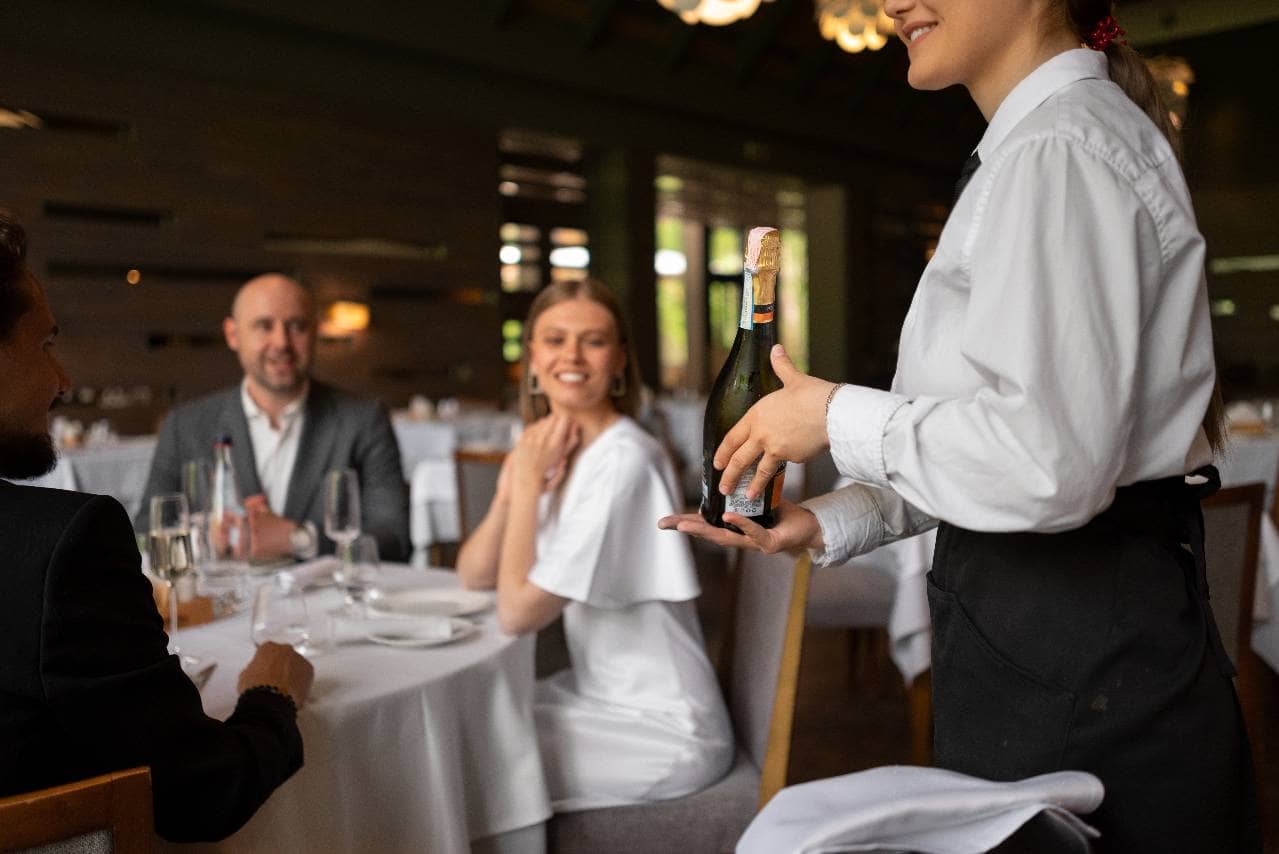
Order Taking - Precision, Knowledge, and Control
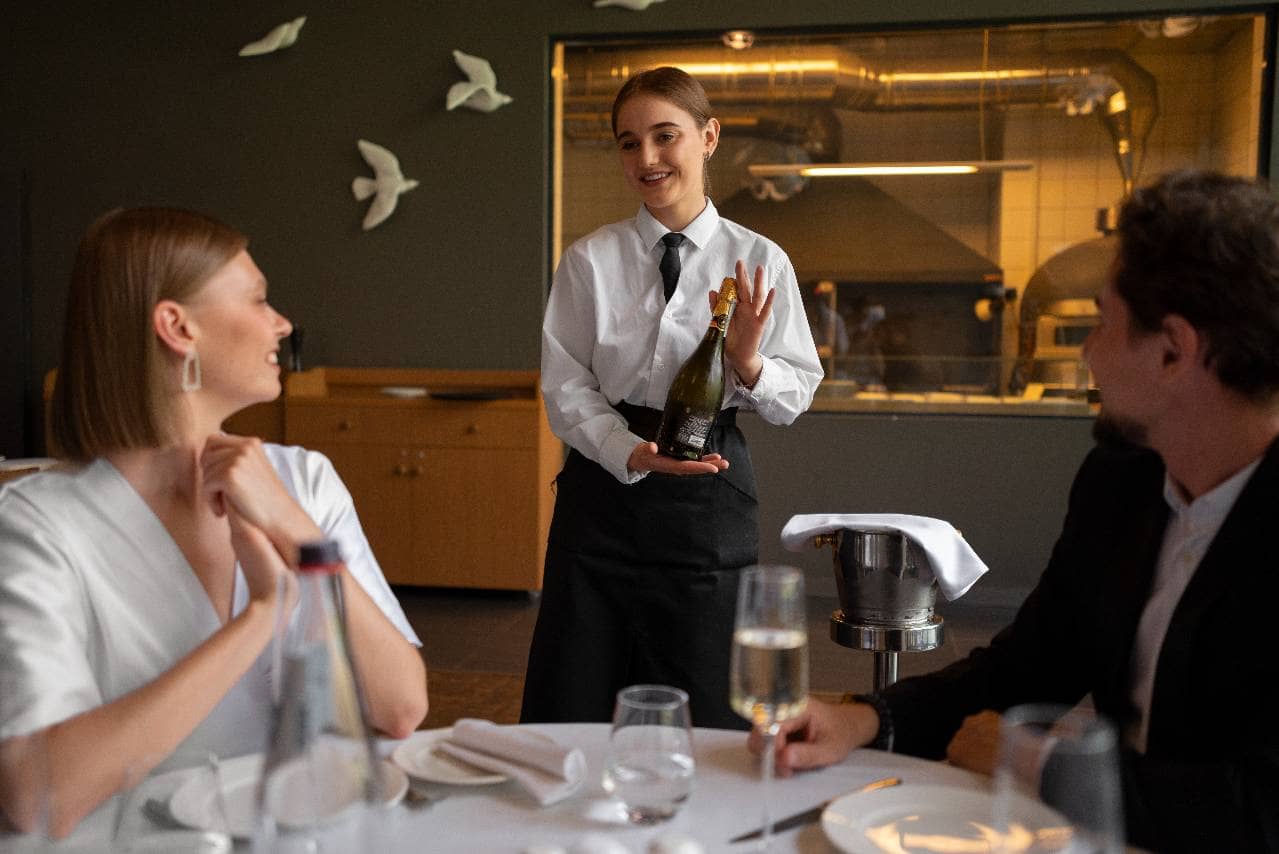
In fine dining, taking an order is not just a transaction. It is a service moment that shows whether the floor team is prepared, attentive, and fully in command of the experience. If this step is rushed or inconsistent, problems usually appear later in the meal.
1. Menu Knowledge Must Be Exact - Servers should know every dish well enough to explain ingredients, cooking methods, portion details, and major allergens with confidence. Guests in fine dining often ask more detailed questions, and hesitation weakens trust. Strong menu knowledge also supports better recommendations and smoother upselling.
2. Listening Matters More Than Talking - A polished server does not interrupt, guess, or rush the guest through the order. They listen carefully, let the table finish speaking, and confirm details only when needed. This reduces mistakes and helps guests feel taken seriously.
3. Clear Communication Prevents Downstream Errors - Special requests, allergies, coursing preferences, temperature requests, and substitutions must be captured accurately. One missed detail at the table can turn into a remake, a delay, or a disappointed guest. In operational terms, accuracy at order entry protects kitchen flow and service timing.
4. Guidance Should Feel Helpful, Not Pushy - Fine dining guests often want direction, but not pressure. Servers should be able to recommend dishes, pairings, or pacing in a calm and confident way. The goal is to guide the experience, not dominate it.
5. Control of the Table Starts Here - Order taking also sets the pace of service. When servers understand the table's preferences early, they can better coordinate coursing, beverage timing, and kitchen communication.
For restaurant owners, this is a training priority because order quality affects more than guest satisfaction. It impacts ticket accuracy, kitchen efficiency, waste, table timing, and revenue. In fine dining, a well-taken order is one of the clearest signs that service standards are truly in place.