
Restaurant Technology Trends in 2026
Explore restaurant technology trends in 2026, including AI, automation, digital ordering, workforce tools, connected kitchens, personalization, and profitability strategies today.
Technology
Aug 28, 2026
Explore restaurant technology trends in 2026, including AI, automation, digital ordering, workforce tools, connected kitchens, personalization, and profitability strategies today.
Aug 28, 2026

Learn the startup costs of opening an ice cream shop, including rent, equipment, renovations, permits, inventory, labor, marketing, and reserves.
Aug 28, 2026
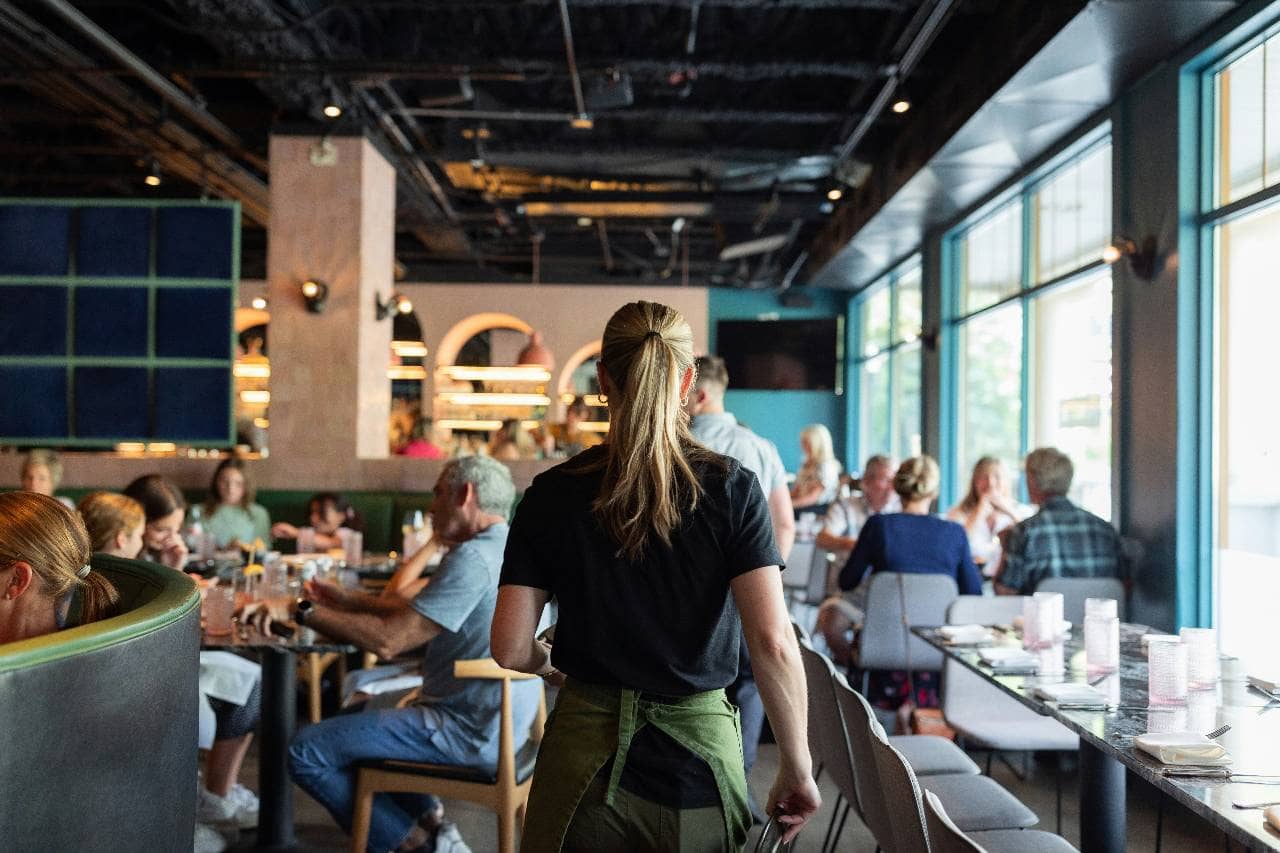
Learn practical ways to reduce labour costs through smarter scheduling, forecasting, productivity, cross-training, automation, overtime control, and performance monitoring strategies.
Aug 26, 2026

A restaurant P&L statement reveals sales, expenses, and profits, helping owners manage costs, improve margins, and plan finances more effectively.
Aug 26, 2026
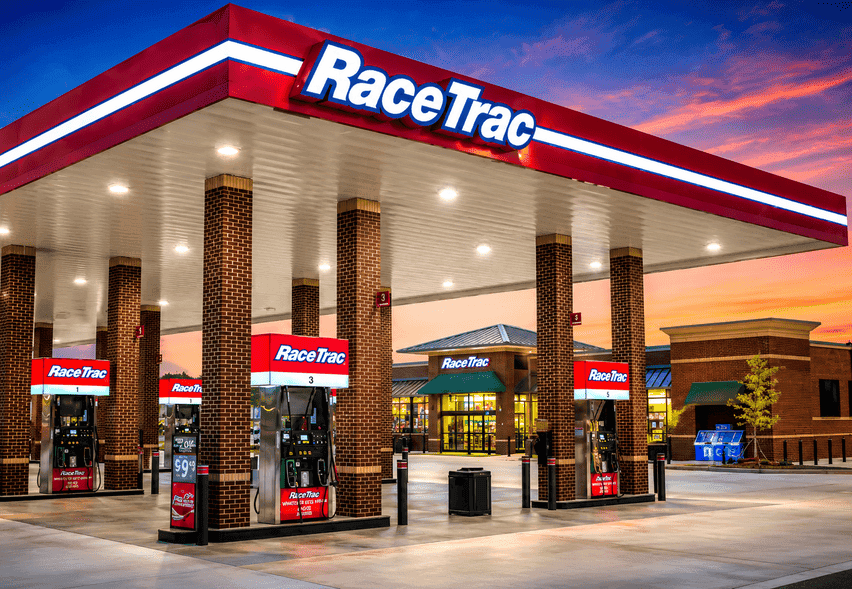
RaceTrac has appointed Jill Pemberton as chief financial officer, succeeding Karla Ahlert, who moves into the newly created role of chief administrative officer.
Aug 26, 2026

A payroll advance policy helps restaurant owners define eligibility, limits, repayment, documentation, approval procedures, and compliance requirements for employee advances.
Aug 24, 2026

Levain Bakery appoints Lorna Sommerville and Taya Stenson as co-CEOs, blending operational and marketing expertise to power national expansion and innovation while staying rooted in its brand values.
Aug 25, 2026
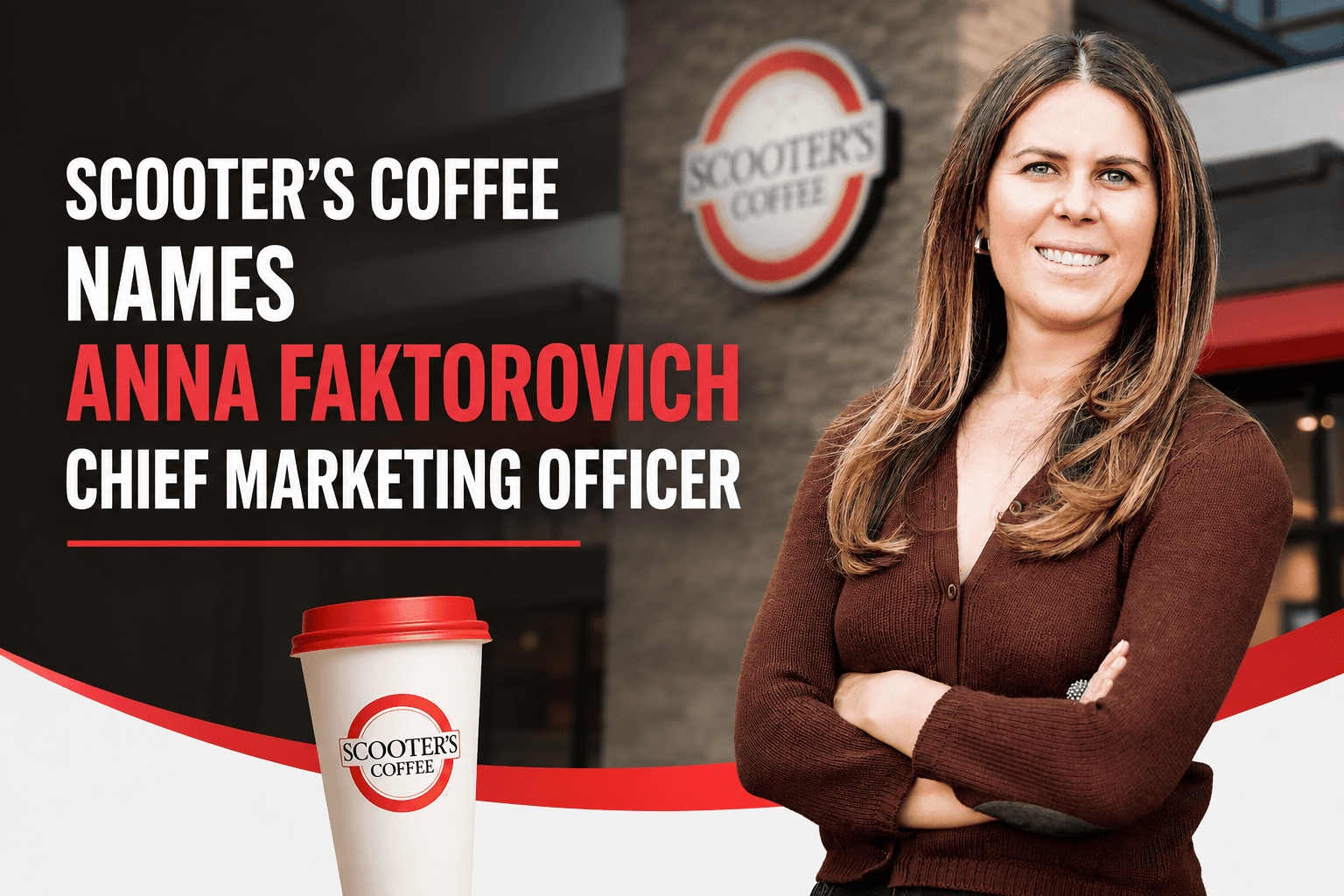
Anna Faktorovich, a seasoned marketing executive, has been named Chief Marketing Officer at Scooter’s Coffee, bringing decades of multi-brand experience to fuel the franchise’s next growth stage.
Aug 25, 2026

Create a practical restaurant marketing plan by setting goals, targeting customers, choosing channels, budgeting wisely, scheduling campaigns, and measuring results.
Aug 24, 2026
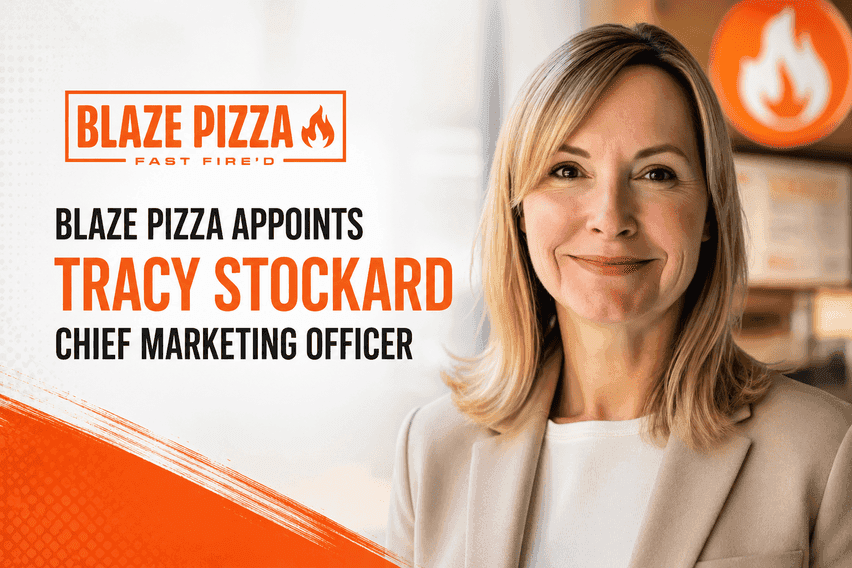
Blaze Pizza welcomes Tracy Stockard as Chief Marketing Officer, bringing decades of brand and franchise experience to drive strategic growth and guest engagement.
Aug 25, 2026

Unlock Exclusive Access To Webinars, Events, And The Latest News For Free!
South Block grows along the East Coast with Savory Fund, preserving neighborhood-first ethos and people-on-the-block philosophy.

Photo by Matt Benson
Like a quiet neighborhood chorus, the story of South Block begins with a family that treats the block as a living audience. Amir Mostafavi, the founder, carries forward a lineage shaped by his father, who emigrated from Iran and ran a video-rental shop with a precise, almost familial courtesy: learning names, nurturing loyalty, making each customer feel seen. Amir watched that work ethic from a distance, initially thinking entrepreneurship was not for him. Yet fate nudged him toward a different script: Campus Fresh, born inside a George Washington University gym in the early 2000s, and ten years later the first South Block location opened, turning smoothies and bowls into a neighborhood conversation.
From concept to footprint, the creed of the brand matured around a simple aim: to connect with the local community, the block. As Campus Fresh evolved into the broader South Block concept, the practice of personal contact remained central. Today the footprint has grown to 17 locations across DC, Maryland, and Virginia, a milestone often cited in discussions of the brand’s trajectory and cadence. The menu remains faithful to freshness, made-to-order smoothies, acai bowls, toasts, and cold-pressed juices, served with a personal touch that greets each guest as a neighbor and a name in a familiar street.

From the weaving of a father’s shop to the daily acts of service, the family story becomes the brand’s quiet architecture. Amir Mostafavi's upbringing, built on hard work and the magic of remembering names, casts a long shadow over how South Block treats customers and neighbors as residents of a shared street. The lesson from his father’s shop persists: loyalty born of familiarity, an honest conversation, and a hand extended to the person who returns time after time. In growth, those same rhythms anchor the expansion, ensuring that scale never erases the warmth that first drew people to the counter.
Across the years, the brand has carried that ethos through a deliberate trajectory: authentic relationships and local engagement remain as visible as the menus. The Chicago-to-DC thread in its story signals a migration of care, from a counter to a corridor of small neighborhoods, retaining the personal connection as locations multiply. The people-on-the-block philosophy is not a slogan but a service model that shapes training, interactions, and the way a store greets a regular. This ethos acts as a compass for decision-making as new doors open, reminding leadership that growth must honor a neighborhood-first approach, even at scale.

From Campus Fresh to a regional staple, the arc reads like a well-tuned apprenticeship. The GWU campus start in the mid-2000s planted the seed for a health-forward concept that listened to the rhythms of students and staff alike. At its core, Campus Fresh offered smoothies, bowls, and a promise of freshness that could travel beyond a single lot. A decade later, South Block matured into a regional brand, carrying the same insistence on customization and speed. The neighborhood, not the clock, dictated the pace of growth, and the price of entry remained simple: stay true to the product and to the people who crave it.
That trajectory, Campus Fresh to a regional brand, reads as a careful expansion that prizes meaning over speed. The menu stays anchored in fresh, made-to-order smoothies, acai bowls, toasts, and cold-pressed juices, with each new location adapting to the palate of its own block. The DC region profiles highlight the evolution from campus concept to a network of stores across DC, Maryland, and Virginia, maintaining the conviction that meaningful, local connections with customers are the heartbeat of growth. Observers note that the East Coast growth plan leans into community ties as geography broadens, letting the footprint widen without sacrificing its intimate character.

The next chapter arrives with a capital letter: a growth partner that believes in the same neighborhood poetry. Savory Fund, a private-equity group stewarding a $200 million portfolio of restaurant concepts, acquired a stake in South Block to accelerate openings along the East Coast. With this alliance, Amir Mostafavi remains at the helm, guiding the expansion with the same careful hands that built the original counter. The arrangement promises not only currency but operating depth, and it aligns with a broader mission to deepen the brand’s social footprint through philanthropic and community initiatives tied to the portfolio’s work.
Founders Advisors frames the deal as a growth investment: founder continuity plus capital and operating know-how. The partnership is described as a platform actively expanding its restaurant portfolio, a signal that the neighborhood-driven service model will survive the geography. Investors emphasize that keeping Mostafavi in place ensures the human touch, customers who feel known, staff who can greet a familiar face, and neighbors who feel a stake in a shared space. The emphasis on social impact surfaces in Savory’s portfolio activities and philanthropic initiatives tied to the brand, suggesting that expansion is meant to widen the circle, not just the skyline.
Looking ahead, the horizon promises more than new doors. The East Coast expansion is expected to bring an expanded menu, new juice, smoothie, and bowl options that echo the block’s appetite for health and speed, and to place the brand in spaces previously unimagined, including airports, where a familiar line of good health can glide along with travelers. Yet the narrative remains cautious: while public statements sketch ambition, some deal specifics stay undisclosed, underscoring the uncertainties that accompany growth. The throughline remains unshaken: a family-inspired, community-first concept scaling with patient finance, always returning to the roots that built its repertoire.
The arc, in sum, is thoughtful and patient. Terms of the investment remain outside the public record, a reminder that expansion must balance excitement with discipline. Across the investor communications and public narratives, the thread is clear: a East Coast footprint is not a reckless sprint but a measured, neighborhood-first march. The family story, rooted in loyalty, in knowing a face, in treating every customer as a neighbor, stays the compass as new locations open, new roles are created, and the brand’s presence grows toward a broader horizon. The lesson, perhaps, is simple: scale is most elegant when it remains, at heart, a block of people.