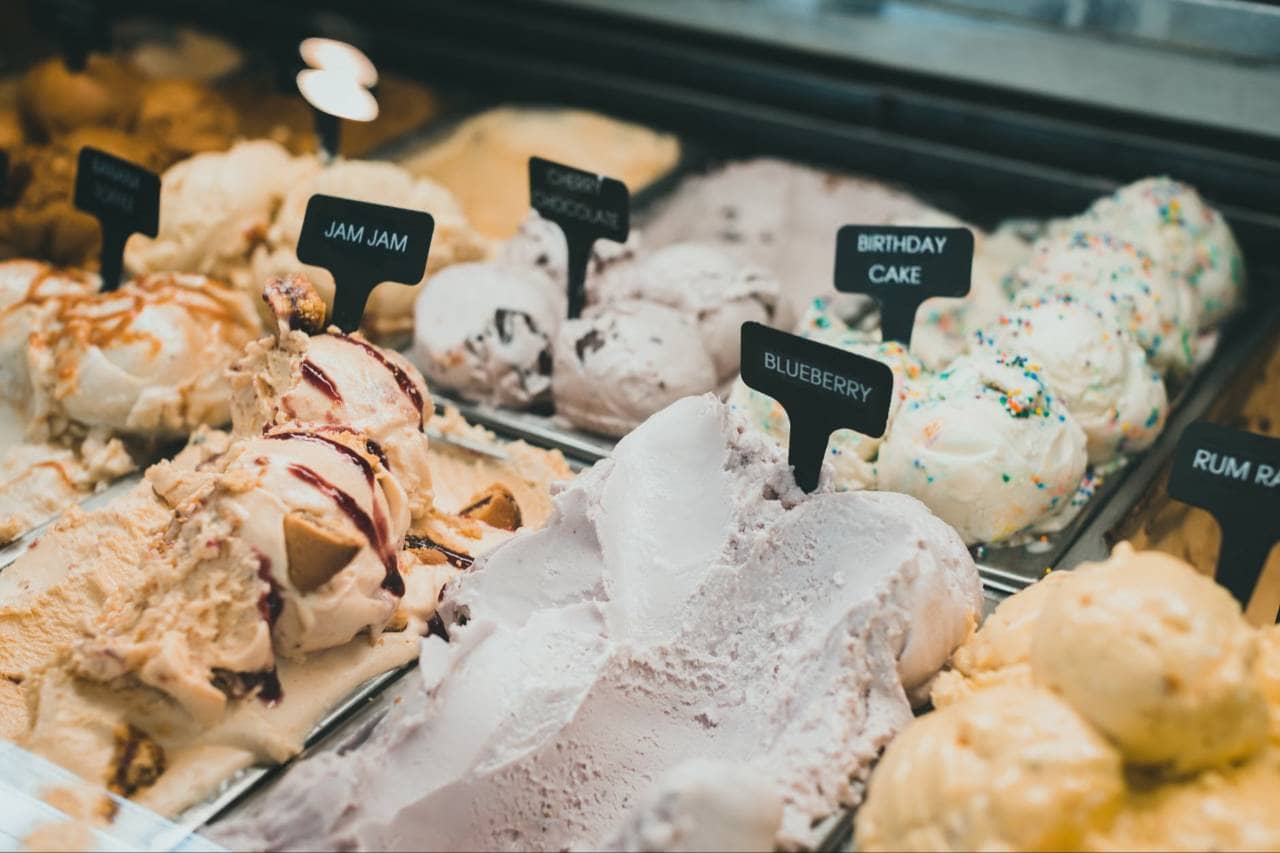
How Much Does It Cost to Open an Ice Cream Shop?
Learn the startup costs of opening an ice cream shop, including rent, equipment, renovations, permits, inventory, labor, marketing, and reserves.
Business Management
Aug 28, 2026
Learn the startup costs of opening an ice cream shop, including rent, equipment, renovations, permits, inventory, labor, marketing, and reserves.
Aug 28, 2026
RaceTrac has appointed Jill Pemberton as chief financial officer, succeeding Karla Ahlert, who moves into the newly created role of chief administrative officer.
Aug 26, 2026
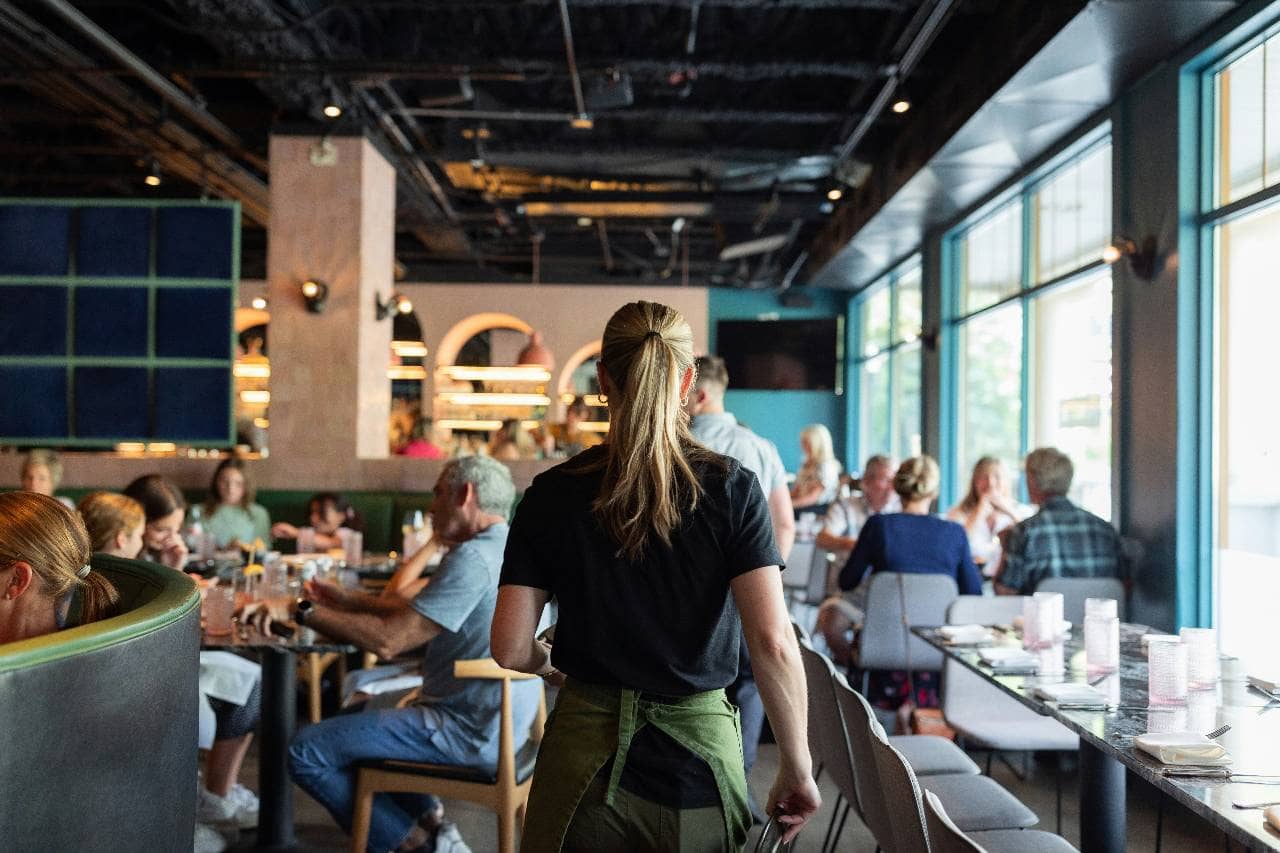
Learn practical ways to reduce labour costs through smarter scheduling, forecasting, productivity, cross-training, automation, overtime control, and performance monitoring strategies.
Aug 26, 2026

A restaurant P&L statement reveals sales, expenses, and profits, helping owners manage costs, improve margins, and plan finances more effectively.
Aug 26, 2026
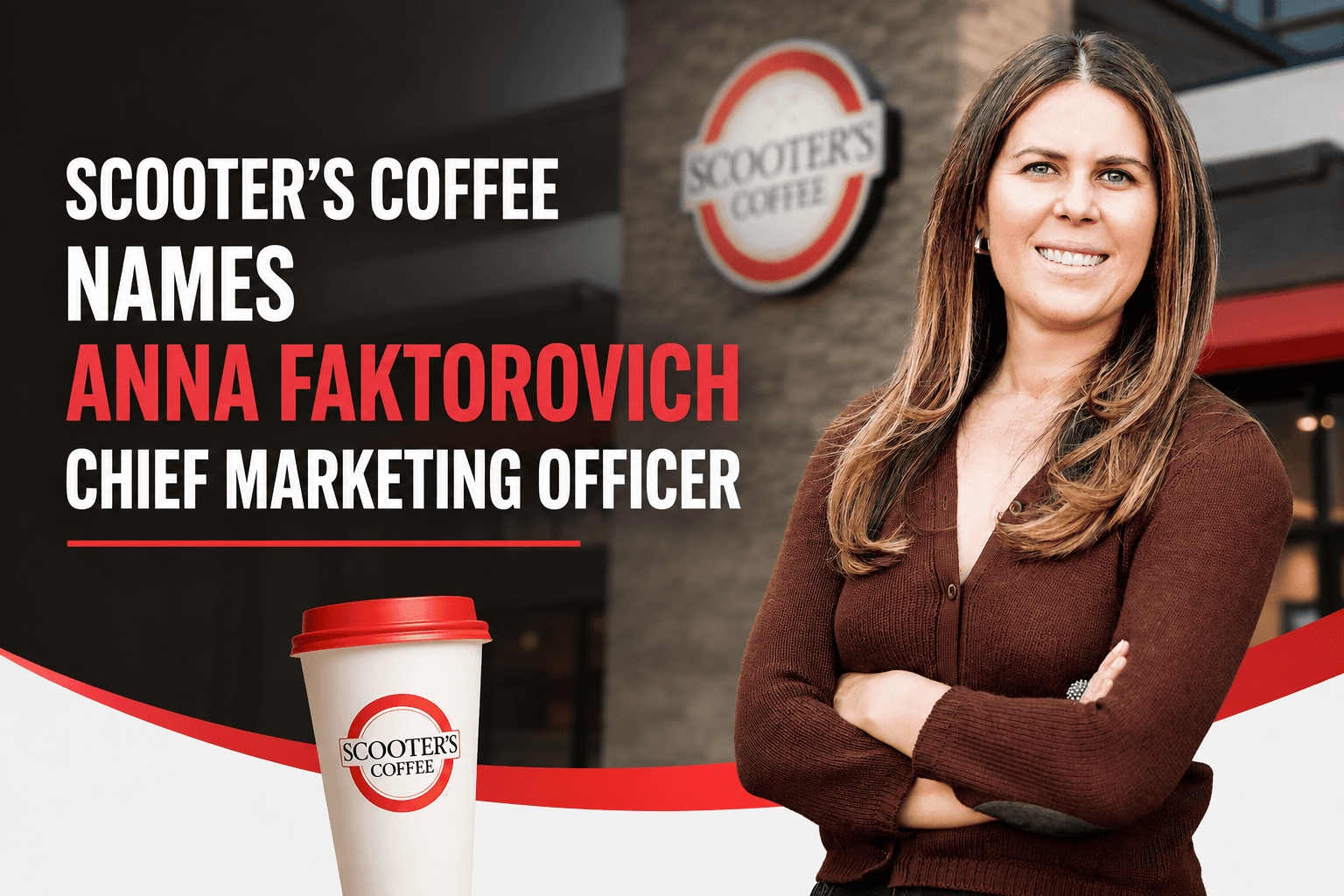
Anna Faktorovich, a seasoned marketing executive, has been named Chief Marketing Officer at Scooter’s Coffee, bringing decades of multi-brand experience to fuel the franchise’s next growth stage.
Aug 25, 2026
A payroll advance policy helps restaurant owners define eligibility, limits, repayment, documentation, approval procedures, and compliance requirements for employee advances.
Aug 24, 2026

Create a practical restaurant marketing plan by setting goals, targeting customers, choosing channels, budgeting wisely, scheduling campaigns, and measuring results.
Aug 24, 2026
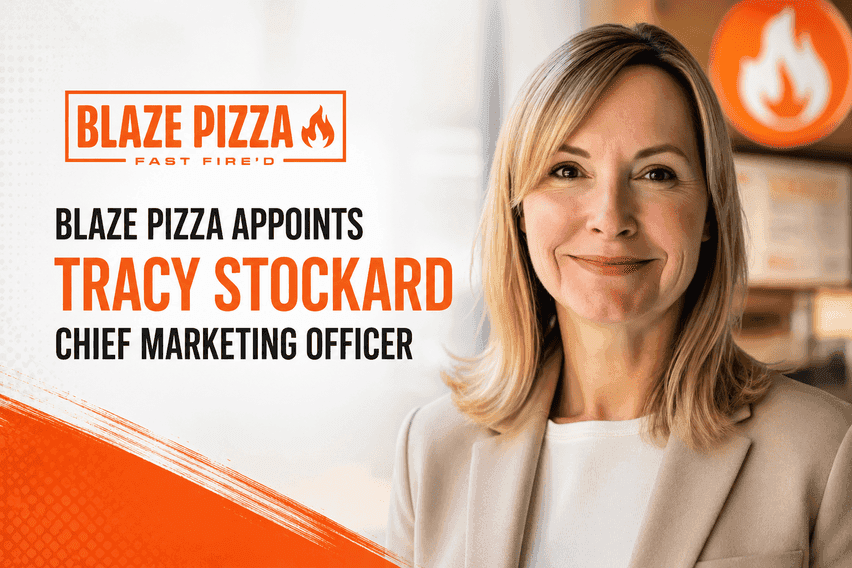
Blaze Pizza welcomes Tracy Stockard as Chief Marketing Officer, bringing decades of brand and franchise experience to drive strategic growth and guest engagement.
Aug 25, 2026
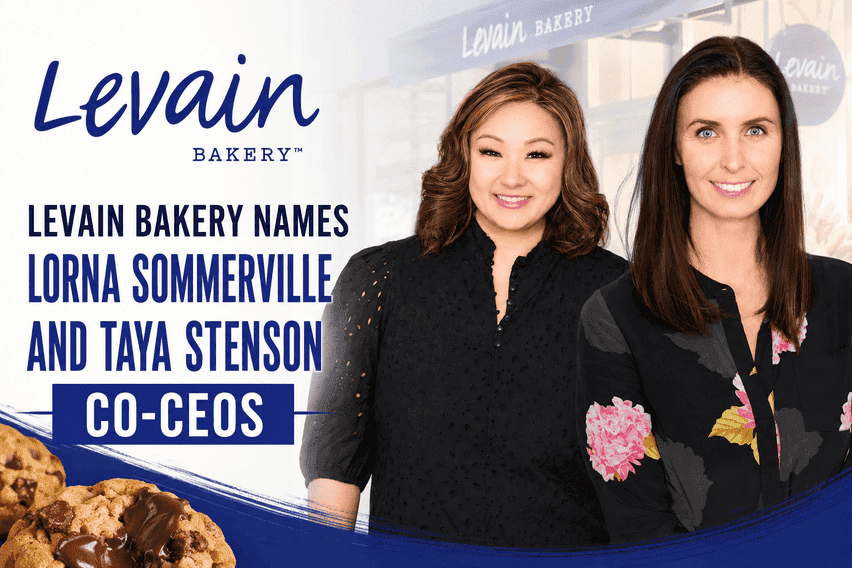
Levain Bakery appoints Lorna Sommerville and Taya Stenson as co-CEOs, blending operational and marketing expertise to power national expansion and innovation while staying rooted in its brand values.
Aug 25, 2026
Dave & Buster's refreshes its executive lineup with seasoned leaders in operations, marketing, tech, and finance - signaling a growth-driven future for restaurant operators to watch.
Aug 24, 2026

Unlock Exclusive Access To Webinars, Events, And The Latest News For Free!
Dutch Bros delivered one of the strongest quarterly performances in its history during Q1 2026, with a 31% revenue increase, 8.3% same-store sales growth, and unaided brand awareness that has more than doubled in 18 months driven by mobile ordering, food menu expansion, loyalty upgrades, and aggressive market density building.
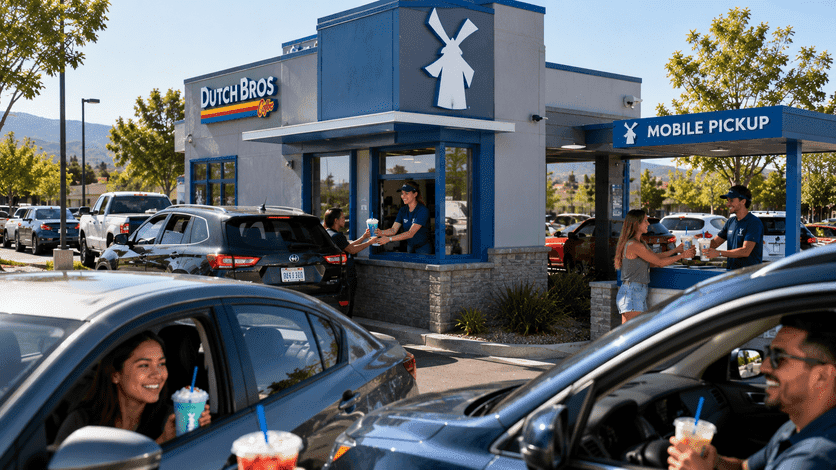
Dutch Bros turned in a standout first quarter in 2026, posting a 31% increase in revenue on the back of 8.3% same-store sales growth and a 5.1% rise in transactions. For a chain that has been growing rapidly for several years, the numbers suggest Dutch Bros isn't just expanding it's building genuine consumer habits that are driving repeat visits at a pace that outpaces most of the restaurant industry right now. The performance was particularly strong at company-operated shops, which make up roughly 72% of the brand's 1,177-store system. Those locations grew sales by 10.6%, led by a 6.9% increase in transactions a metric that matters more than price-driven revenue gains because it reflects real people coming back more often rather than simply paying more for the same visit.
Perhaps the most striking data point from Dutch Bros' Q1 story isn't a financial metric it's a brand metric. William Blair analyst Sharon Zackfia noted in a research report that Dutch Bros' unaided brand awareness has more than doubled over the past 18 months. That kind of shift in consumer recognition, at the speed it's happened, is unusual for a chain of any size and reflects a multi-channel effort that has clearly taken hold. President and CEO Christine Barone attributed the awareness surge to a combination of community events, paid advertising, and social media engagement all of which have raised the brand's visibility beyond the markets where it already has a physical presence. Infill development, where the chain opens additional locations in markets it already operates in, has also contributed by increasing ambient exposure for nearby residents who might not have discovered the brand through a single location. The clearest example of what density-plus-awareness can produce is Texas, where Dutch Bros has spent considerable time and resources building up both. In that market, comparable sales increased by 20% a result that reflects what happens when a brand reaches the critical mass needed for consumers to make it a genuine routine rather than an occasional stop.
Two specific operational developments are playing a meaningful role in Dutch Bros' sales growth - the rollout of food items and the expansion of mobile ordering. As of Q1, the food menu had been deployed in approximately 485 shops, with attachment rates the frequency with which customers add food to a drink order coming in above what the company initially projected. Barone described both food and mobile ordering as critical to building the routinized morning behavior that drives consistent traffic in the coffee category. When a customer can open an app, place an order, and pick up a drink and a breakfast item without breaking stride in their morning, the brand becomes part of a habit rather than a deliberate choice. That's the kind of consumer behavior that sustains same-store sales growth over time, not just in a strong quarter.
Dutch Bros' loyalty program is showing an intensity of engagement that is difficult to replicate. Rewards members currently account for 74% of all transactions a figure that puts the chain ahead of even Starbucks, where rewards members account for approximately 60% of company-operated revenue. The comparison isn't perfectly apples-to-apples, but the gap is large enough to be meaningful. Barone acknowledged that the brand is still in the early stages of what its loyalty infrastructure can do. The program has evolved from broad promotional offers to win-back campaigns targeting lapsed customers, and more recently to frequency-level campaigns designed to nudge occasional visitors into becoming regulars. Personalized segmentation tailoring offers and communications to individual customer behavior is the next frontier, and Barone indicated the brand has significant room to grow there. Building loyalty at this depth means Dutch Bros isn't just winning new customers it's converting them into habitual visitors whose spending is predictable and whose relationship with the brand is harder for competitors to disrupt.
Limited-time offers have become a significant sales driver for Dutch Bros, and the chain has leaned into them aggressively increasing the velocity of its LTO launches by 30%. Recent examples include the Brown Butter Chocolate Chip, Fruit Punch with a Sour Candy Straw, and Kool Blue beverages launched in February, all of which reflect the brand's ability to spot cultural trends and bring accessible, visually distinctive products to market quickly. The strategy is working on multiple levels simultaneously. LTOs create urgency that drives incremental visits from existing customers who don't want to miss a flavor. They generate organic social media content as customers share photos and reactions online. And they reinforce the brand's identity as an innovative, trend-aware company the kind of place that feels current rather than formulaic. In a broader QSR environment where consumer price sensitivity has made it harder to drive traffic through traditional promotional mechanics, Dutch Bros' LTO approach offers a different kind of lever one built on excitement and exclusivity rather than discounting.
Dutch Bros' performance, considered alongside continued growth at Starbucks, points to something important about where consumer spending is holding up even as pressure mounts across other restaurant segments. The coffee and energy drink category is proving more resilient than casual dining, pizza, or even some fast-casual formats likely because the products involved are tied to daily habits that consumers are reluctant to cut even when budgets tighten. For the broader restaurant industry, Dutch Bros' Q1 is a case study in what sustained investment in brand awareness, loyalty infrastructure, product innovation, and market density can produce over time. None of the individual elements food rollout, mobile ordering, LTOs, community marketing is uniquely novel. What's notable is how effectively Dutch Bros has executed all of them simultaneously and how clearly the results are showing up in the numbers.