
The Ultimate Guide to Restaurant Labor Management
Restaurant labor management helps owners optimize staffing, control labor costs, improve productivity, monitor overtime, and maintain efficient restaurant operations.
Back Office
Sep 2, 2026
Restaurant labor management helps owners optimize staffing, control labor costs, improve productivity, monitor overtime, and maintain efficient restaurant operations.
Sep 2, 2026
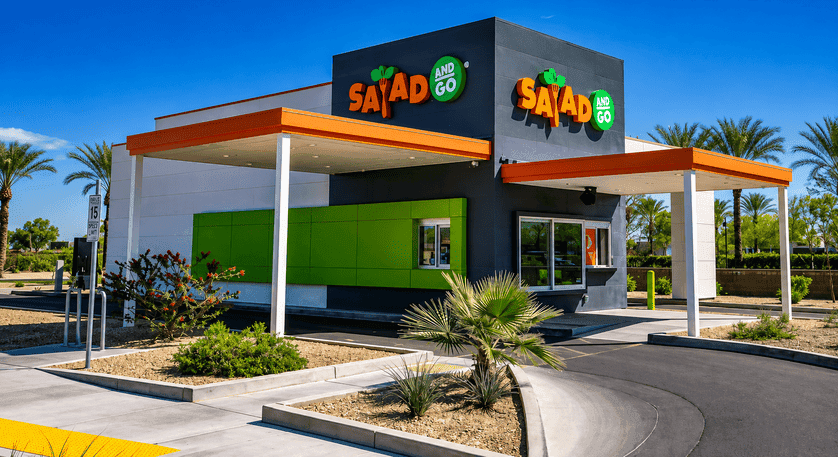
7 Brew has acquired 73 former Salad and Go locations, surpassing Dutch Bros with a $143M bid, signaling a major shift in the competitive landscape for drive-thru brands.
Sep 2, 2026
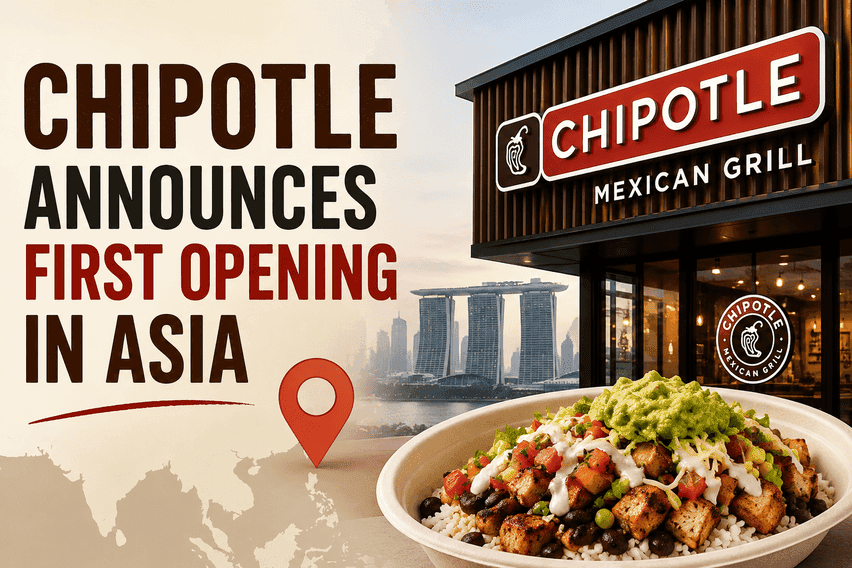
Chipotle makes its highly anticipated entry into Asia with a Seoul opening, partnering with Sangmidang Holdings and setting a template for future international growth.
Sep 2, 2026
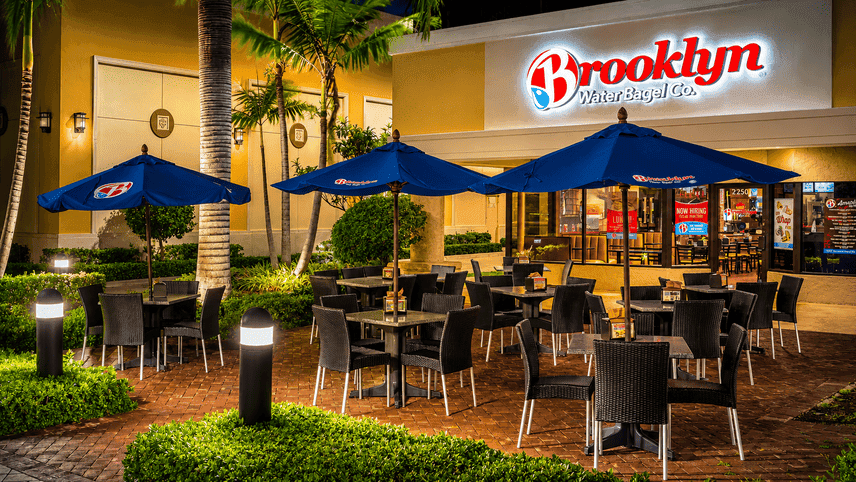
Brooklyn Water Bagel launches its first campus eatery at Nova Southeastern, signaling strategic growth and fresh potential for multi-unit operators seeking new market wins.
Sep 2, 2026
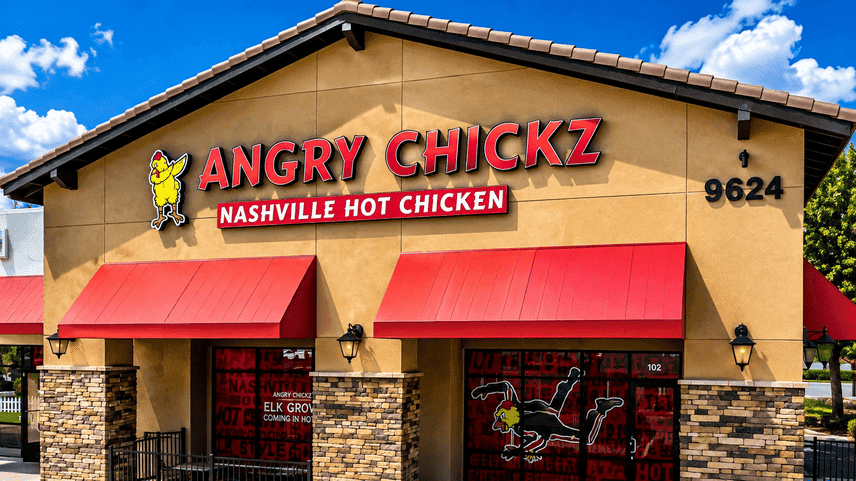
Angry Chickz enters Illinois with its signature hot chicken concept and ambitious plans for Midwest expansion, setting the stage for new franchise opportunities and community engagement.
Sep 2, 2026
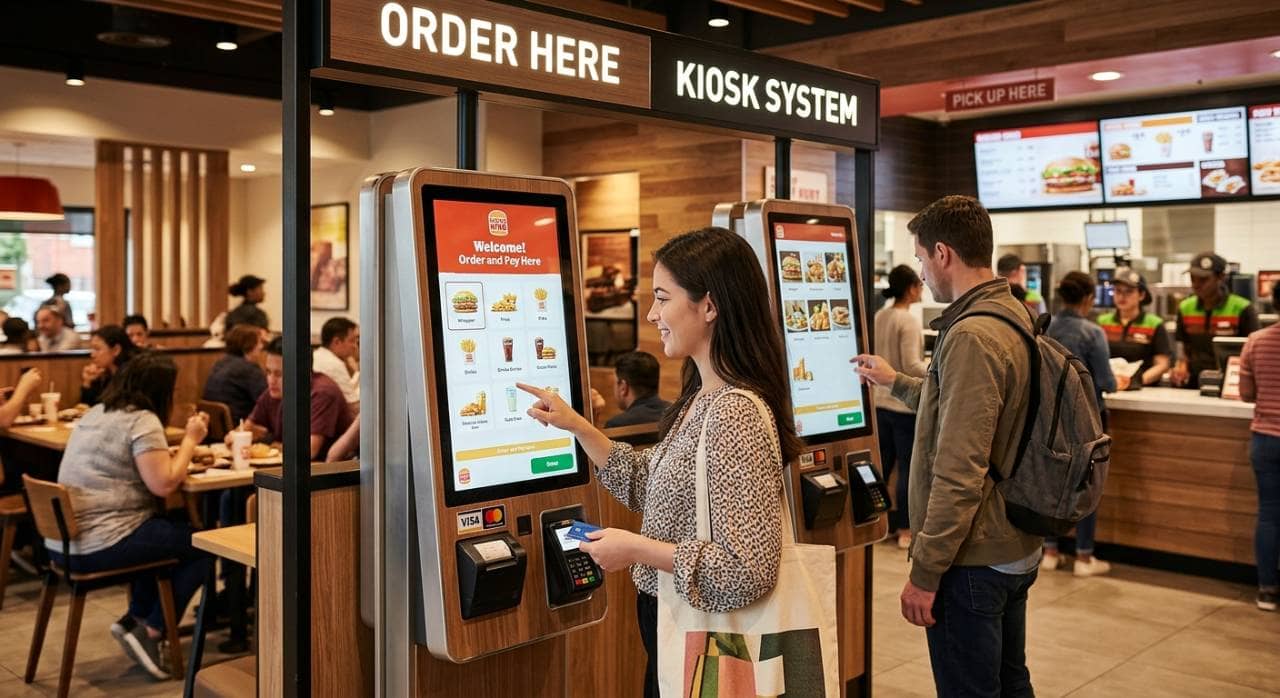
Understand how to evaluate a Kiosk system using key criteria including features, POS integration, hardware, pricing, customer experience, and support.
Aug 31, 2026

Explore restaurant technology trends in 2026, including AI, automation, digital ordering, workforce tools, connected kitchens, personalization, and profitability strategies today.
Aug 28, 2026
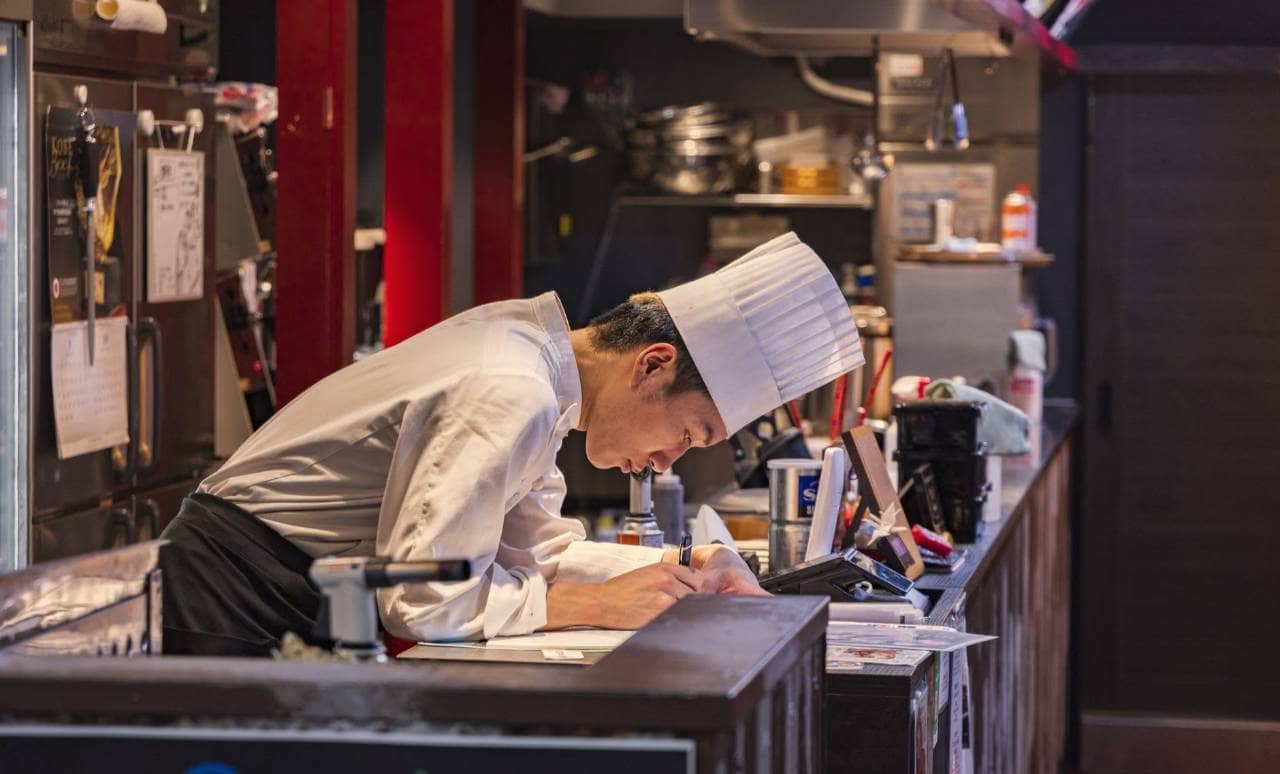
Learn how to calculate restaurant cost of goods using inventory, purchases, COGS percentage, variance reviews, and regular tracking for profitability.
Aug 31, 2026

Learn the startup costs of opening an ice cream shop, including rent, equipment, renovations, permits, inventory, labor, marketing, and reserves.
Aug 28, 2026

A restaurant P&L statement reveals sales, expenses, and profits, helping owners manage costs, improve margins, and plan finances more effectively.
Aug 26, 2026

Unlock Exclusive Access To Webinars, Events, And The Latest News For Free!
Explore how AI voice strategy choices between humanization and transparency influence drive-thru customer experience, operational efficiency, and brand perception in the QSR industry.

Photo by Europeana
Humanizing AI interactions through natural-sounding voices, regional accents, or celebrity personas plays a crucial role in replicating the warmth of human interactions at drive-thrus. By adopting familiar voices, QSR brands can enhance customer comfort and reinforce their local or brand identity. For example, Lee’s Famous Recipe Chicken integrated a voice reminiscent of local sports icon Keith Byars, effectively boosting community engagement and creating a personalized experience for customers. Wendy’s collaboration with Google Cloud to develop “FreshAI” showcases how brands can leverage conversational AI to deliver engaging interactions at the drive-thru, nurturing a sense of connection with customers.

Photo by Europeana
On the other hand, transparency in AI voice strategy emphasizes distinctiveness from human interactions by using slightly robotic yet friendly voices. Brands like Bojangles have implemented assistants like “Bo Linda,” intentionally designed to sound like an AI system to ensure customers recognize and trust the technology. Transparent AI interactions build credibility through clarity, managing customer expectations and fostering forgiveness for any occasional errors. While transparency sacrifices some emotional engagement offered by human-like voices, it aligns with operational efficiency and guest expectations, establishing a foundation of trust and honesty in communication.
Choosing the right voice strategy is pivotal as it directly impacts operational metrics and customer perception. Voice tone not only influences emotional engagement but also plays a significant role in throughput and efficiency. For instance, adjusting the speed of speech to be slightly faster, resembling a fast-forward effect, has shown to prompt quicker responses from customers, ultimately reducing ordering time and enhancing flow-through efficiency. These nuanced decisions in tone and pacing can lead to substantial improvements across multiple drive-thru locations, optimizing the overall customer experience.

Photo by Europeana
Digital leaders and decision-makers in large QSR chains should closely align their voice strategy with brand positioning, emphasizing either approachability and familiarity or clarity and consistency. Understanding customer demographics and operational data is essential in making informed decisions regarding AI voice interactions. Continuous testing, measurement, and adaptation based on guest feedback are imperative in refining the chosen approach. Whether focusing on humanization or transparency, the AI voice strategy significantly impacts operational efficiency, customer satisfaction, and brand strength, shaping the overall drive-thru experience.

Photo by Europeana
Beyond the tone of voice, AI interactions can serve as a strategic asset for drive-thru operations by tailoring voice characteristics based on factors like daypart, dual-lane customizations, or personalizing interactions for repeat customers. Thoughtfully aligning AI interactions with clear guest expectations and brand identity can propel superior performance and foster customer loyalty. Leaders who leverage AI voice technology effectively in drive-thru operations stand to differentiate their brand, optimize operational metrics, and elevate the overall customer experience.