
How to Forecast Restaurant Revenue and Expenses
Understand how to forecast restaurant revenue and expenses with methods for sales projection, cost scaling, fixed-cost planning, and risk buffering.
Accounting
Sep 18, 2026
Understand how to forecast restaurant revenue and expenses with methods for sales projection, cost scaling, fixed-cost planning, and risk buffering.
Sep 18, 2026

Restaurant owners can significantly reduce restaurant costs by leveraging technology across inventory, labor, procurement, forecasting, and administrative operations for better profit margins.
Sep 18, 2026

everbowl names Anna Gabele Brand President and Natalie Trzcinski COO, pulling both from Jack in the Box to guide its next growth phase.
Sep 18, 2026

Mountain Mike's Pizza hires Jack in the Box veteran Sheena Dougher as CMO to drive national growth while preserving its regional brand identity.
Sep 17, 2026

From fixed costs to contribution margin, learn exactly how to calculate your restaurant's break even point with confidence.
Sep 16, 2026

DoorDash pays $425M for Wonder's campus dining platform and a stake in Wonder, betting on robotic kitchens and institutional foodservice growth.
Sep 16, 2026

Discover the most common reasons restaurants fail, including inconsistent food quality and pricing mistakes, plus practical ways to avoid them.
Sep 16, 2026
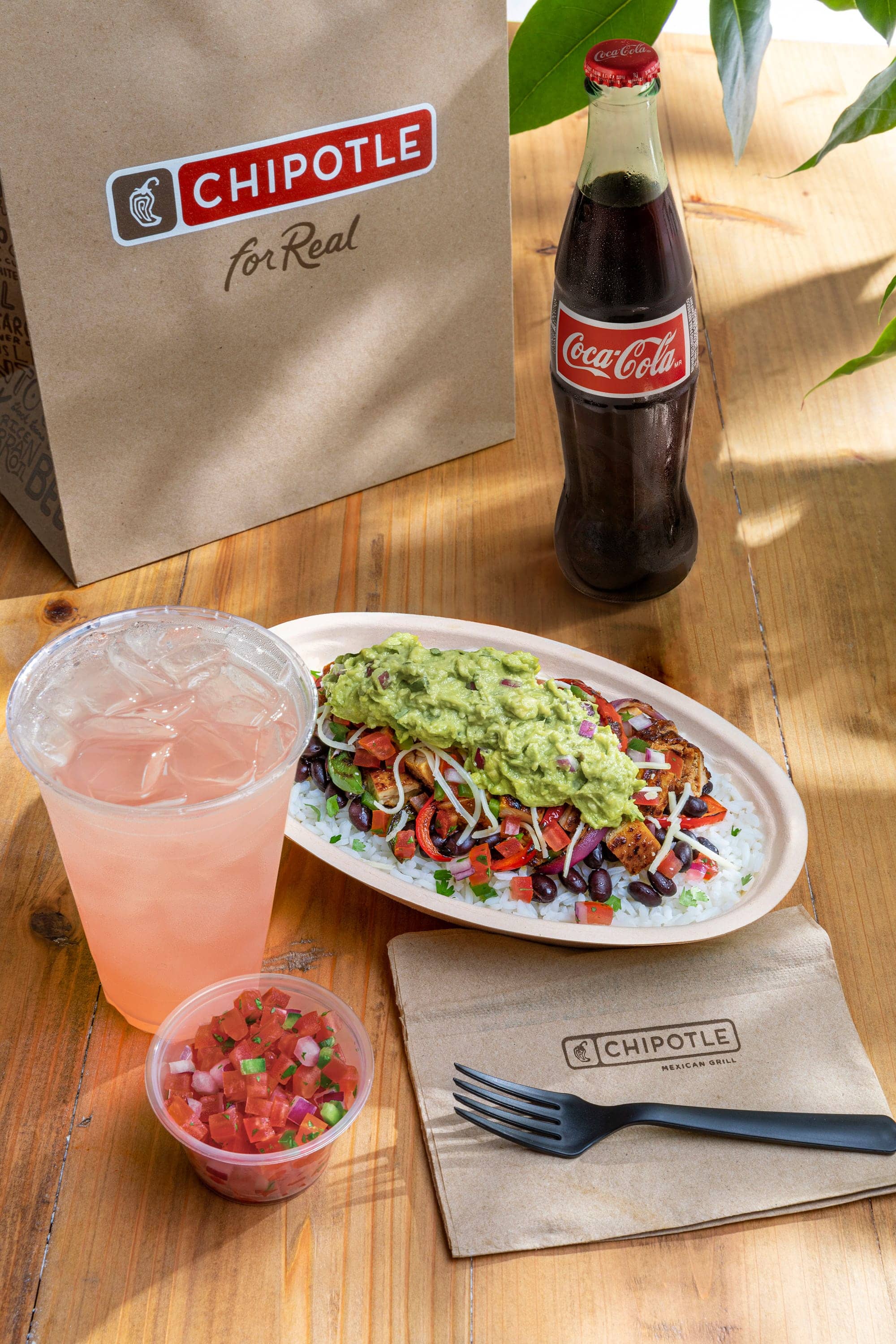
Chipotle names former KFC global CEO Sabir Sami to its board as the chain expands into Mexico, Saudi Arabia, and South Korea.
Sep 15, 2026

LeBron James joins Mike's Red Tacos as an investor, backing the birria chain led by Blaze Pizza and Dave's Hot Chicken veteran Bill Phelps.
Sep 15, 2026

Practical payroll compliance checklist for restaurant owners covering wage rules, tips, overtime, taxes, deductions, and recordkeeping to reduce legal risk.
Sep 14, 2026

Unlock Exclusive Access To Webinars, Events, And The Latest News For Free!
Explore the potential consequences of DoorDash acquiring Deliveroo and the implications for the food delivery market. Learn from past international acquisitions in the industry.

Photo by UAVWRIGHT Productions
DoorDash, a key player in the U.S. food delivery market, has been expanding its reach beyond national borders through strategic acquisitions. The potential acquisition of Deliveroo, with its significant presence in the U.K., Ireland, and other international markets, could mark a milestone in DoorDash's global expansion strategy. By leveraging Deliveroo's existing infrastructure and customer base in diversified geographies, DoorDash aims to solidify its position as a leading player in the competitive food delivery industry.
International acquisitions in the food delivery sector have showcased a mixed record of success. Companies like Just Eat Takeaway ventured into the U.S. market through the acquisition of Grubhub, aiming for market dominance. However, the eventual sale of Grubhub for significantly less than the acquisition price highlights the challenges and risks associated with cross-border acquisitions. DoorDash's potential acquisition of Deliveroo must carefully consider these past lessons to ensure a successful integration and sustained growth in new markets.

Photo by UAVWRIGHT Productions
The acquisition of Deliveroo by DoorDash would undoubtedly shake up the food delivery industry's competitive landscape. With DoorDash's proven track record in technology-driven innovations and operational efficiency coupled with Deliveroo's strong market presence in Europe and other regions, the combined entity could pose a formidable challenge to competitors globally. This move could trigger further consolidation in the industry as players strive to enhance their market positions and offerings to meet evolving consumer demands.
Entering new markets requires a deep understanding of local preferences, regulations, and business practices. DoorDash's acquisition of Deliveroo presents an opportunity to implement tailored market penetration and localization strategies across diverse regions. By adapting to local cultures, cuisines, and consumer behaviors, the merged entity can establish stronger connections with customers and create a competitive edge in each market. This localized approach is crucial for sustainable growth and customer loyalty in the highly competitive food delivery sector.