
How to Do Restaurant Payroll Yourself
Learn how to handle restaurant payroll yourself, from calculating hours and wages to managing tips, taxes, and final paychecks.
Payroll
Sep 2, 2026
Learn how to handle restaurant payroll yourself, from calculating hours and wages to managing tips, taxes, and final paychecks.
Sep 2, 2026
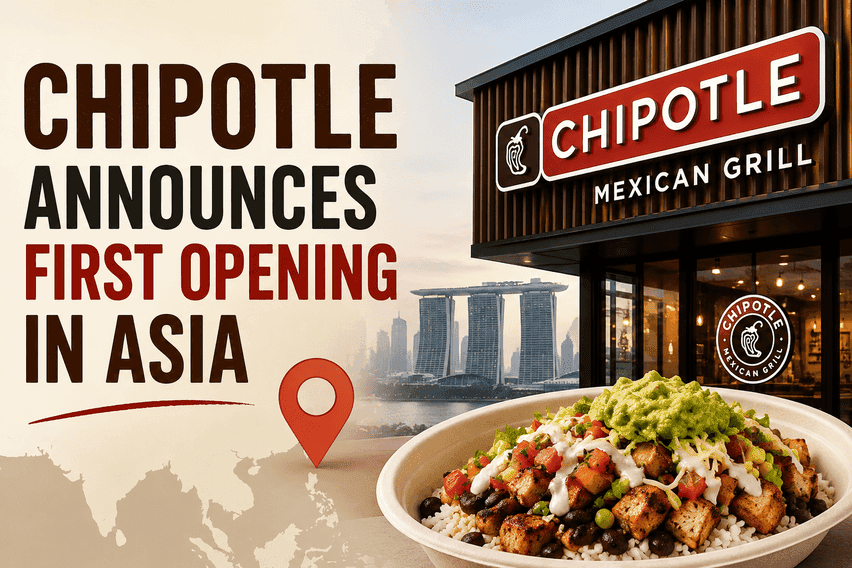
Chipotle makes its highly anticipated entry into Asia with a Seoul opening, partnering with Sangmidang Holdings and setting a template for future international growth.
Sep 2, 2026

Restaurant labor management helps owners optimize staffing, control labor costs, improve productivity, monitor overtime, and maintain efficient restaurant operations.
Sep 2, 2026
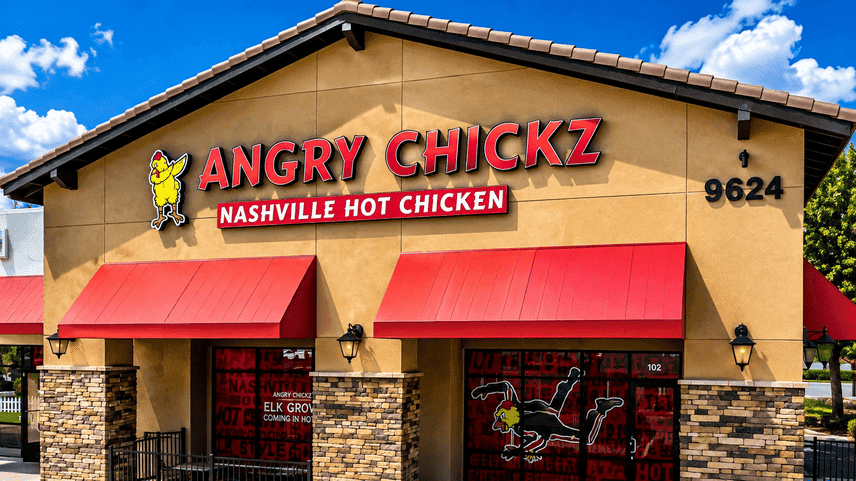
Angry Chickz enters Illinois with its signature hot chicken concept and ambitious plans for Midwest expansion, setting the stage for new franchise opportunities and community engagement.
Sep 2, 2026

7 Brew has acquired 73 former Salad and Go locations, surpassing Dutch Bros with a $143M bid, signaling a major shift in the competitive landscape for drive-thru brands.
Sep 2, 2026

Brooklyn Water Bagel launches its first campus eatery at Nova Southeastern, signaling strategic growth and fresh potential for multi-unit operators seeking new market wins.
Sep 2, 2026

Explore restaurant technology trends in 2026, including AI, automation, digital ordering, workforce tools, connected kitchens, personalization, and profitability strategies today.
Aug 28, 2026

Learn how to calculate restaurant cost of goods using inventory, purchases, COGS percentage, variance reviews, and regular tracking for profitability.
Aug 31, 2026

Understand how to evaluate a Kiosk system using key criteria including features, POS integration, hardware, pricing, customer experience, and support.
Aug 31, 2026

Learn the startup costs of opening an ice cream shop, including rent, equipment, renovations, permits, inventory, labor, marketing, and reserves.
Aug 28, 2026

Unlock Exclusive Access To Webinars, Events, And The Latest News For Free!
Explore the use of poison pills as a strategic defense mechanism against activist investors and how they impact shareholder value and corporate strategies.

Photo by Ehimetalor Akhere Unuabona
Photo by Ehimetalor Akhere Unuabona
Poison pills, also known as shareholder rights plans, have evolved over the years from being a preventative measure to a reactive strategy in response to specific threats like hostile takeovers by activist investors. In the past, during the 1990s, many Fortune 100 companies routinely adopted poison pills as a proactive defense mechanism. These pills were designed to dilute the holdings of an acquiring entity once it bought a certain threshold of shares, making takeovers more expensive and challenging.

Photo by Ehimetalor Akhere Unuabona
In the contemporary corporate landscape, poison pills are more tailored and situation-specific. Companies are strategically using them to combat activist investors like Biglari Capital. By setting specific triggers and durations, boards can respond swiftly to perceived threats without committing to prolonged defensive measures. Limited-duration pills are now prevalent, with many lasting less than a year, offering flexibility to boards.

Photo by Ehimetalor Akhere Unuabona
While poison pills are often criticized as anti-shareholder tactics, they serve as a crucial tool for boards to maximize shareholder value. Keith Gottfried, a seasoned advisor on poison pills, emphasizes that these strategies do not hinder legitimate acquisition offers but rather prevent hostile takeovers that undervalue the company. By giving boards time to enact strategic plans or consider better offers, poison pills safeguard shareholder interests and corporate growth.

Photo by Ehimetalor Akhere Unuabona
Activist investors may challenge poison pills in court, but success is rare, especially when the threshold to trigger the pill is reasonable. Delaware courts have historically upheld the legality of poison pills, assuming boards act in good faith to protect shareholders. Long-term pills, requiring shareholder approval, face resistance from institutional investors and proxy firms due to their perceived hindrance to potential deals.
Photo by Ehimetalor Akhere Unuabona
The prevalence of activist investors in the market necessitates companies, especially in the restaurant sector like Jack in the Box, to consider having poison pills readily available as a defense mechanism. While not universally welcomed, these tools offer essential protection in an increasingly volatile market, allowing boards to navigate challenges and prioritize sustainable corporate growth.