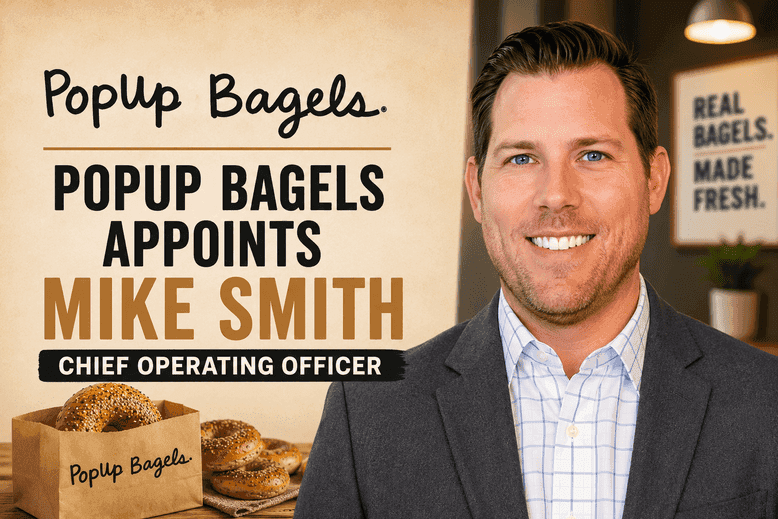
PopUp Bagels Names Mike Smith COO
PopUp Bagels welcomes industry veteran Mike Smith as Chief Operating Officer to lead their next phase of growth, putting quality and guest experience at the forefront.
news
Jul 28, 2026
PopUp Bagels welcomes industry veteran Mike Smith as Chief Operating Officer to lead their next phase of growth, putting quality and guest experience at the forefront.
Jul 28, 2026
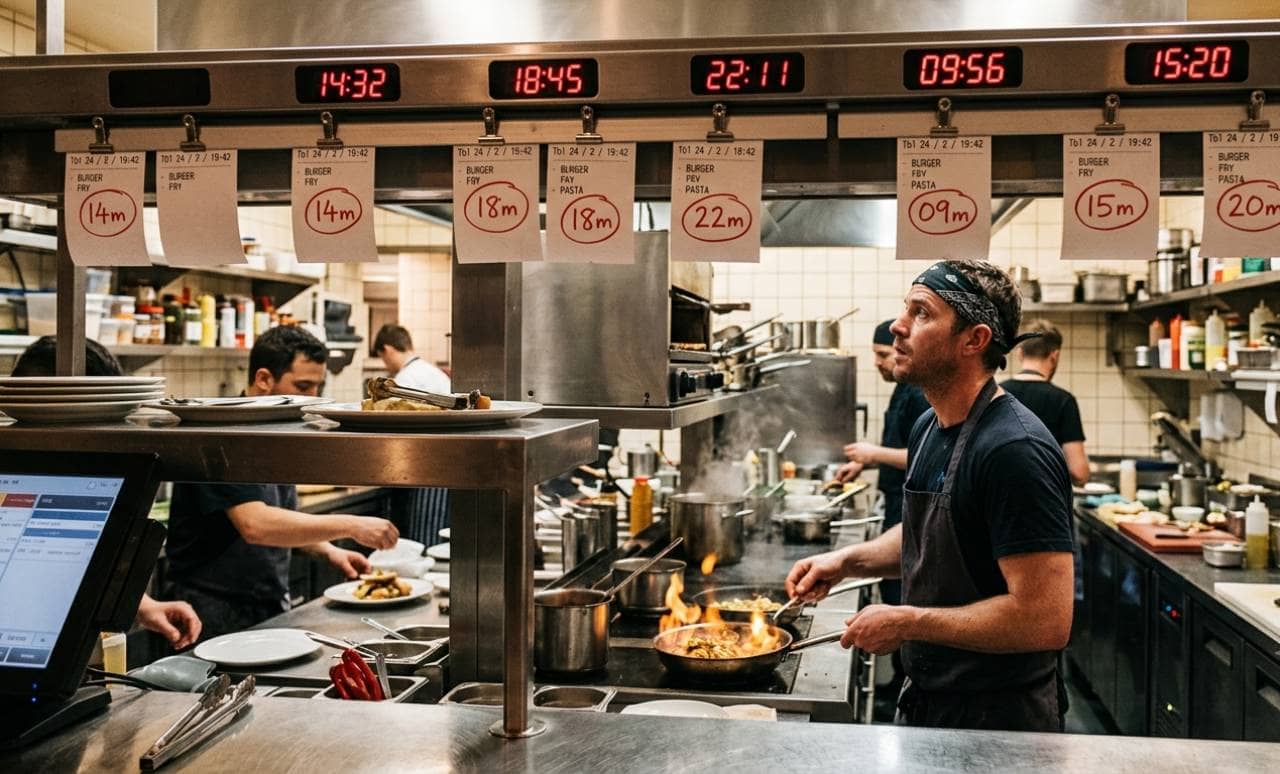
Improve kitchen ticket times with practical strategies for better preparation, smoother workflows, stronger communication, smarter staffing, and effective restaurant technology.
Jul 27, 2026
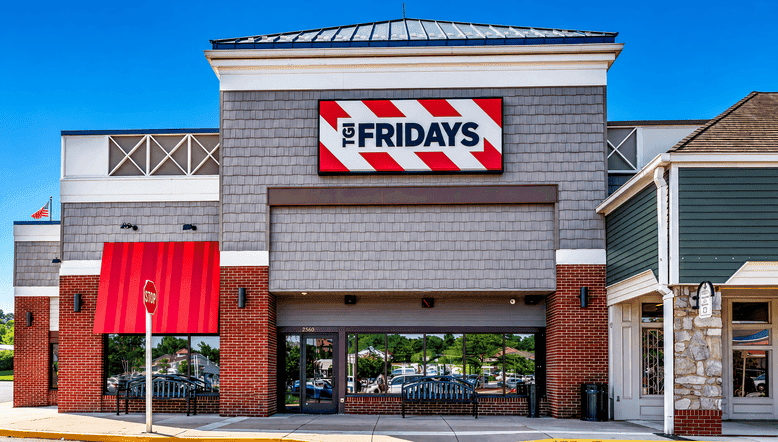
TGI Fridays emerges from Chapter 11 bankruptcy under new ownership, focused on growth and stability. Discover what's next for the iconic chain and its global operations.
Jul 28, 2026
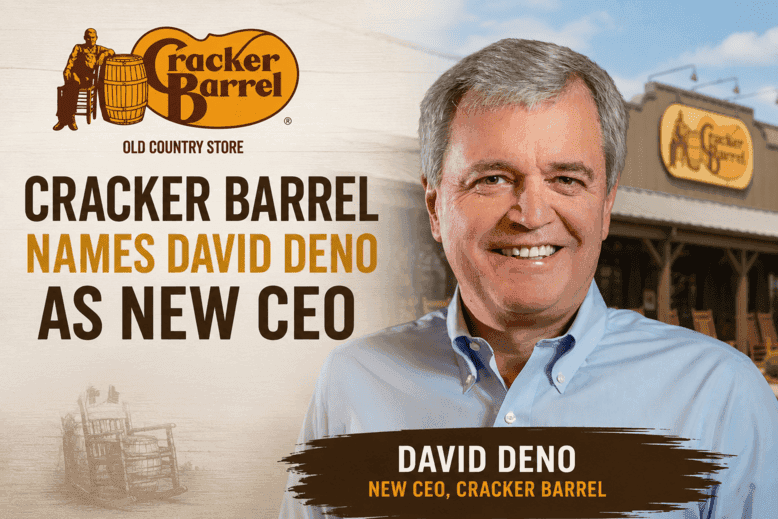
Veteran restaurant executive David Deno assumes the helm at Cracker Barrel, signaling a pivotal moment for the brand’s revitalization. Learn what this means for operators, staff, and industry leaders.
Jul 27, 2026
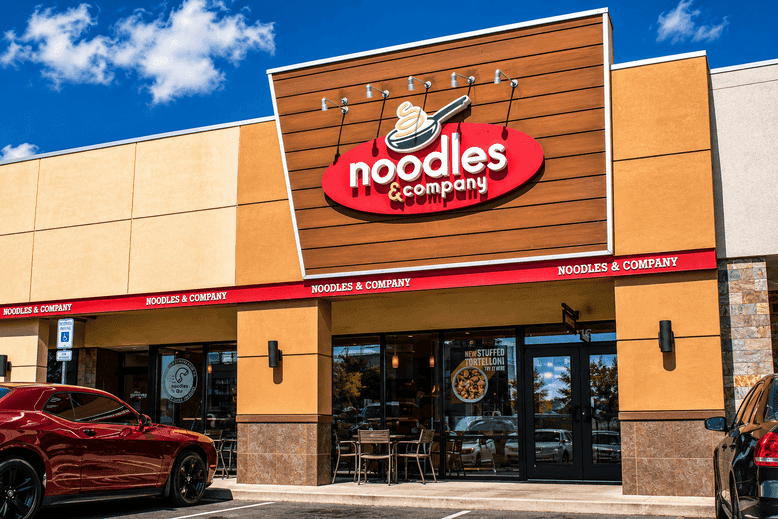
Noodles & Company achieves historic sales growth and operational turnaround in 2026, sharing critical lessons for restaurant owners on boosting traffic, innovation, and team culture.
Jul 27, 2026

Learn how restaurant owners can manage payroll accurately, track labor costs, reduce errors, maintain compliance, and improve workforce profitability efficiently.
Jul 27, 2026
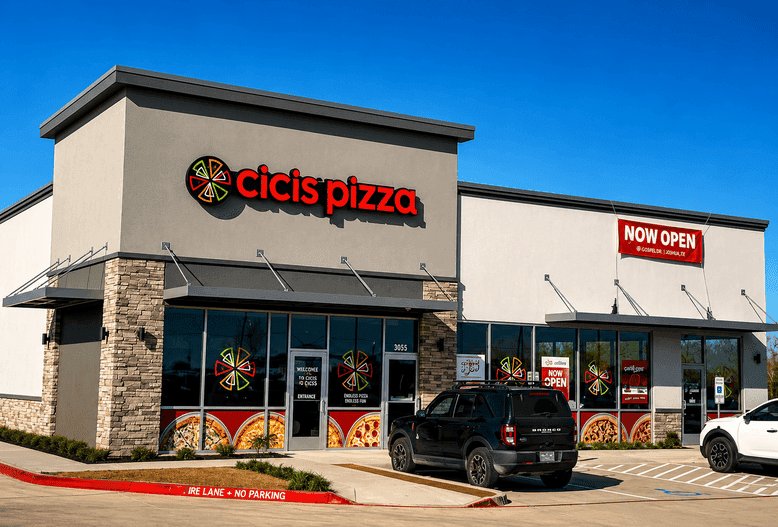
Cicis Pizza’s systemwide sales have surged over 50%, fueled by digital innovation, modern operations, and a revamped franchise strategy. Learn what restaurant owners can take away from Cicis’ transformation.
Jul 24, 2026
Stay compliant with key restaurant labor regulations in Summer 2026, including minimum wage increases, scheduling laws, and retirement requirements.
Jul 24, 2026
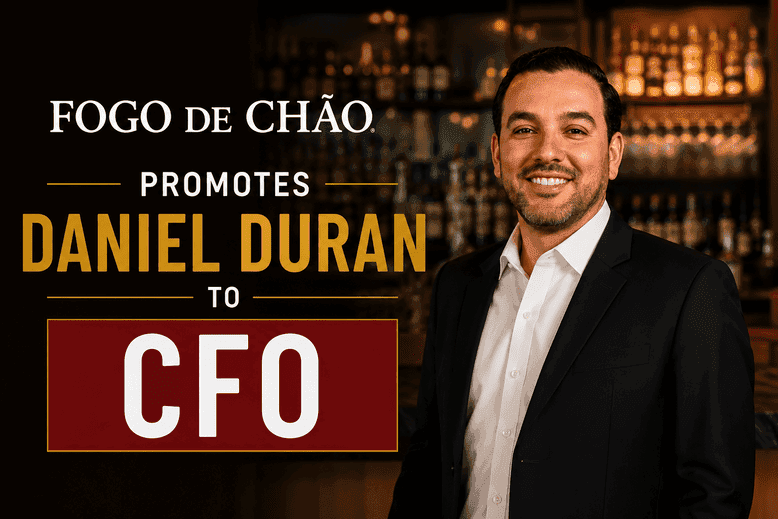
Fogo de Chão has announced Daniel Duran as its new CFO, marking a strategic leadership transition designed to enhance global growth and financial innovation for the renowned restaurant brand.
Jul 24, 2026

Learn how to calculate, benchmark, track, and improve restaurant payroll percentage while balancing staffing costs, sales, service, and profitability effectively.
Jul 24, 2026
Explore the ambitious growth plans of Shake Shack and Papa John’s in the competitive fast-food industry. Learn how these chains are expanding their unit count and market presence.
Shake Shack, known for its premium fast-casual dining experience, has set its sights on an ambitious goal of quadrupling its domestic unit count to reach 1,500 units, all to be company-owned. This strategic move signals the chain's determination to expand its footprint significantly and solidify its position in the fast-food market. By focusing on owning all locations, Shake Shack aims to maintain control over its brand image and customer experience across all outlets.
To facilitate its expansion plans into smaller formats and suburban markets, Shake Shack is prioritizing the improvement of its speed of service and the perception of value offered to customers. By enhancing operational efficiency and streamlining processes, the chain aims to cater to a wider audience while maintaining its high-quality standards. Emphasizing the perceived value of its offerings can help Shake Shack attract and retain customers in new markets where competition is fierce.
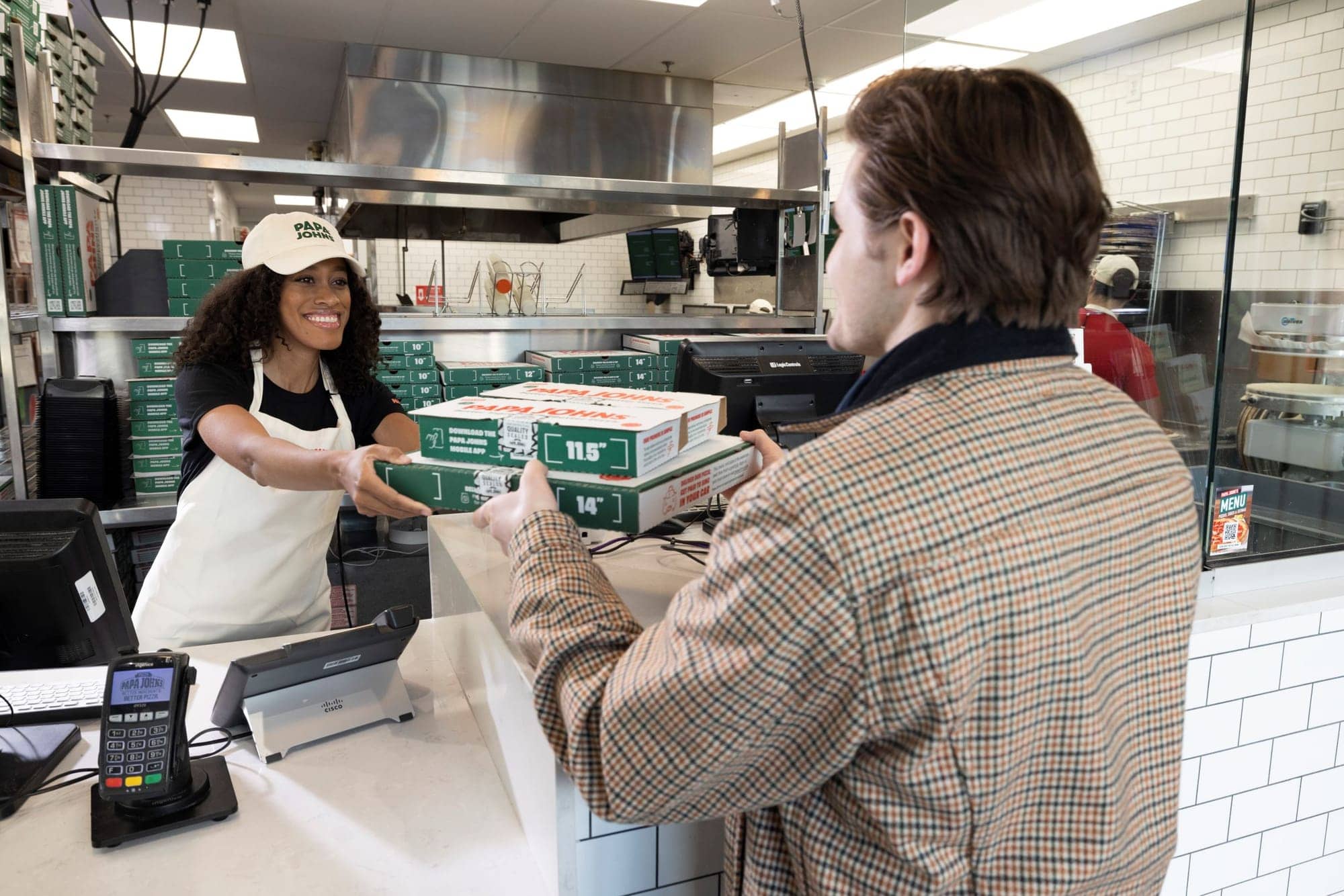
Despite facing slowing sales in the previous year, Papa John's, a Louisville-based pizza chain, demonstrated resilience and commitment to growth by adding new restaurants to its portfolio. The recent opening of the 6000th Papa John's restaurant in Pittsburgh showcases the chain's determination to expand its presence and cater to a wide customer base. With the highest number of new locations added in more than a decade, Papa John's is making strategic moves to stay competitive in the fast-food industry.
The fast-food industry witnessed positive momentum in the fourth quarter, with increased traffic and growth, excluding the month of December. This uptick in consumer interest highlights the resilience of fast-food chains and their ability to adapt to changing market dynamics. By staying agile and responsive to consumer preferences, brands like Shake Shack and Papa John's can capitalize on favorable trends to drive expansion and profitability.
In a dynamic market environment, fast-food chains are exploring investment partnerships to fuel their growth strategies. Washington, D.C.-based deli concept Call Your Mother's collaboration with private equity firm Invus signifies a strategic move to secure funding for expansion. Similarly, Invus' past involvement in CAVA Group's funding highlights the importance of strategic investors in driving growth and innovation in the restaurant industry. These partnerships enable chains to scale their operations and enter new markets more efficiently.