
Restaurant Technology Trends in 2026
Explore restaurant technology trends in 2026, including AI, automation, digital ordering, workforce tools, connected kitchens, personalization, and profitability strategies today.
Technology
Aug 28, 2026
Explore restaurant technology trends in 2026, including AI, automation, digital ordering, workforce tools, connected kitchens, personalization, and profitability strategies today.
Aug 28, 2026
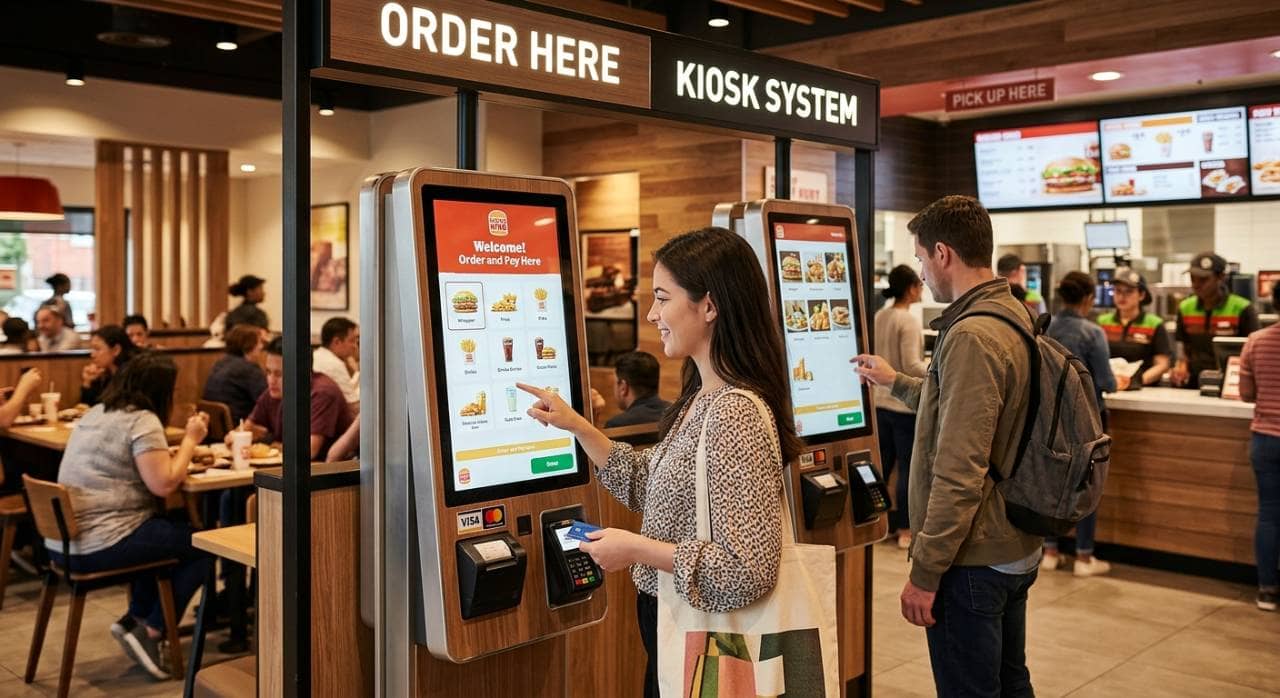
Understand how to evaluate a Kiosk system using key criteria including features, POS integration, hardware, pricing, customer experience, and support.
Aug 31, 2026
Learn how to calculate restaurant cost of goods using inventory, purchases, COGS percentage, variance reviews, and regular tracking for profitability.
Aug 31, 2026
Learn the startup costs of opening an ice cream shop, including rent, equipment, renovations, permits, inventory, labor, marketing, and reserves.
Aug 28, 2026
Learn practical ways to reduce labour costs through smarter scheduling, forecasting, productivity, cross-training, automation, overtime control, and performance monitoring strategies.
Aug 26, 2026
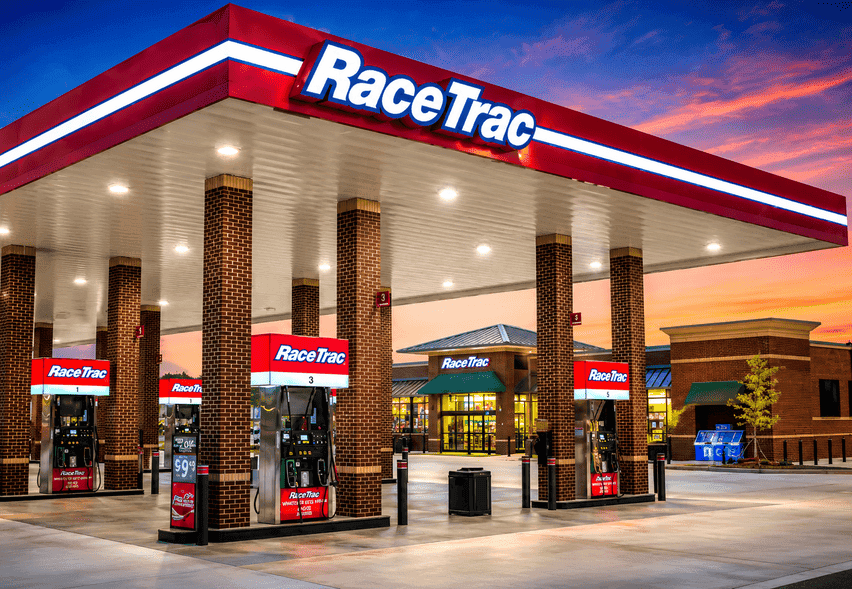
RaceTrac has appointed Jill Pemberton as chief financial officer, succeeding Karla Ahlert, who moves into the newly created role of chief administrative officer.
Aug 26, 2026

A restaurant P&L statement reveals sales, expenses, and profits, helping owners manage costs, improve margins, and plan finances more effectively.
Aug 26, 2026

Create a practical restaurant marketing plan by setting goals, targeting customers, choosing channels, budgeting wisely, scheduling campaigns, and measuring results.
Aug 24, 2026

Levain Bakery appoints Lorna Sommerville and Taya Stenson as co-CEOs, blending operational and marketing expertise to power national expansion and innovation while staying rooted in its brand values.
Aug 25, 2026
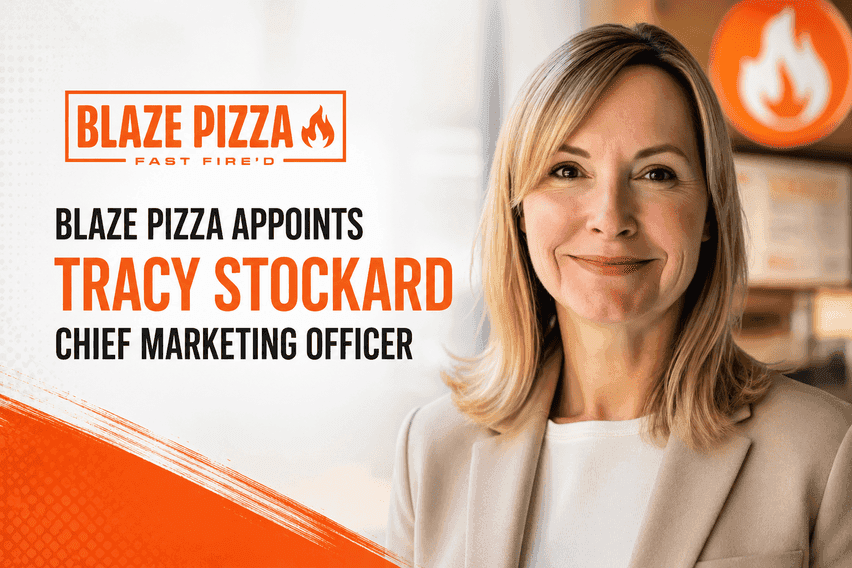
Blaze Pizza welcomes Tracy Stockard as Chief Marketing Officer, bringing decades of brand and franchise experience to drive strategic growth and guest engagement.
Aug 25, 2026

Unlock Exclusive Access To Webinars, Events, And The Latest News For Free!
Explore the impact of technology in the restaurant industry, from AI implementation to IT leadership changes, and how they are transforming customer experiences.

Photo by Sergio Arteaga

Photo by Sergio Arteaga
Amid challenging times for the restaurant industry, many chains are turning to technology to enhance operations and stay competitive. Companies like Bloomin’ Brands are embracing AI to streamline processes and elevate customer experiences. AI-powered solutions can help in optimizing menu offerings, personalized marketing, efficient order processing, and predictive analytics for better decision-making. By leveraging AI, restaurants can gain valuable insights into consumer preferences and behavior, leading to improved service and increased customer loyalty.

Photo by Sergio Arteaga
The integration of AI and new point of sale systems is not only benefiting customers but also transforming the way employees engage with their work. These technological advancements enable restaurants to provide personalized recommendations to diners, reduce waiting times, and improve overall service quality. Moreover, AI-driven insights can empower staff by simplifying tasks, automating routine processes, and fostering a more efficient workflow. This results in enhanced productivity, job satisfaction, and ultimately, better customer satisfaction.
The recent wave of IT leadership changes within major restaurant chains signifies a strategic shift towards prioritizing digital innovation and technology integration. With experienced CIOs like Rafael, who have a strong background in hospitality technology, companies are better equipped to navigate the complexities of the modern dining landscape. Effective IT leadership plays a crucial role in steering organizations towards leveraging technology for operational efficiency, customer engagement, and sustainable growth.
Photo by Sergio Arteaga
The ongoing tech executive shuffle, exemplified by role swaps and new appointments at companies like McDonald’s, Ascent Hospitality Management, and Fat Brands, reflects a dynamic response to the evolving technological needs of the industry. These changes not only bring fresh perspectives and expertise but also indicate a concerted effort to stay ahead in an increasingly tech-driven market. By reshaping IT leadership roles, restaurants can adapt to changing consumer behavior, optimize business processes, and drive innovation.