Mountain Mike's Pizza Names Sheena Dougher CMO
Mountain Mike's Pizza hires Jack in the Box veteran Sheena Dougher as CMO to drive national growth while preserving its regional brand identity.
Franchising
Sep 17, 2026
Mountain Mike's Pizza hires Jack in the Box veteran Sheena Dougher as CMO to drive national growth while preserving its regional brand identity.
Sep 17, 2026
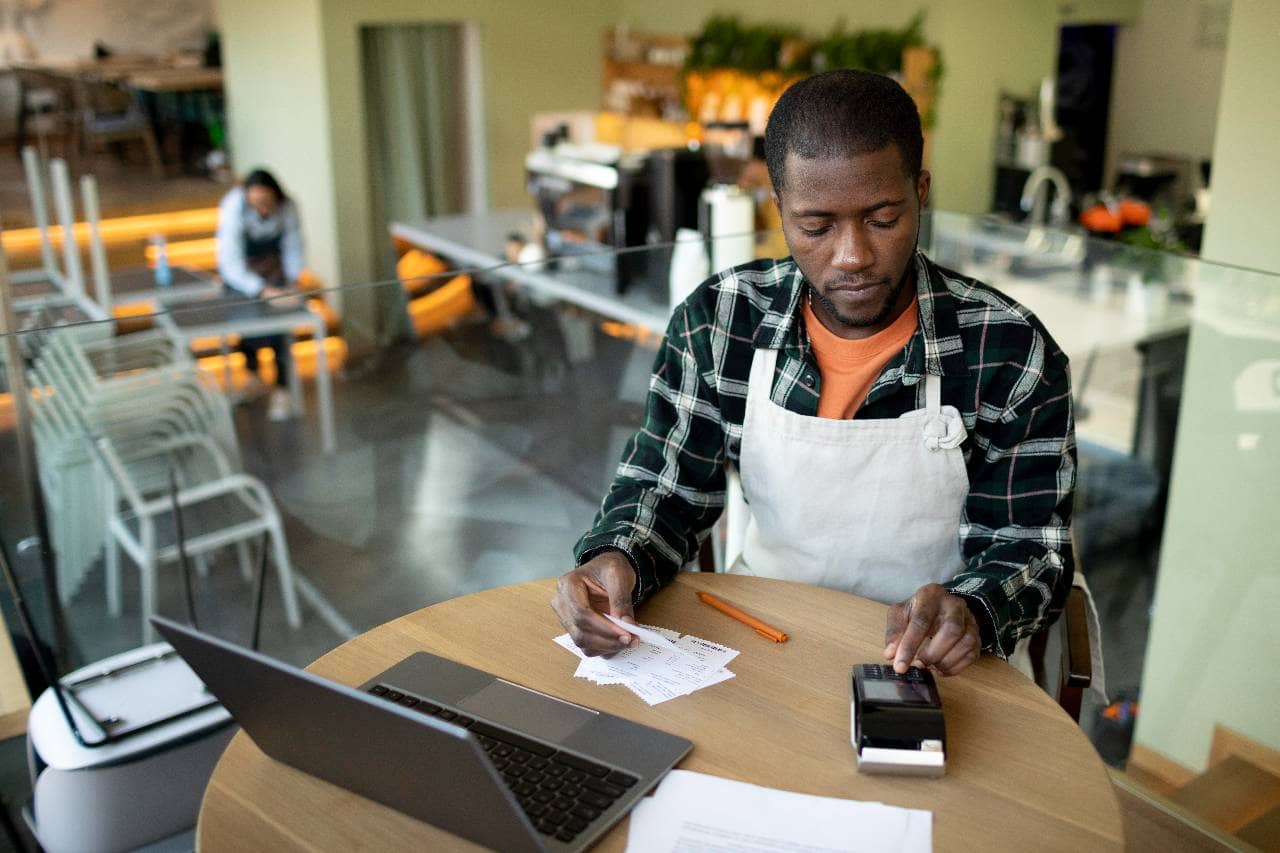
From fixed costs to contribution margin, learn exactly how to calculate your restaurant's break even point with confidence.
Sep 16, 2026

DoorDash pays $425M for Wonder's campus dining platform and a stake in Wonder, betting on robotic kitchens and institutional foodservice growth.
Sep 16, 2026
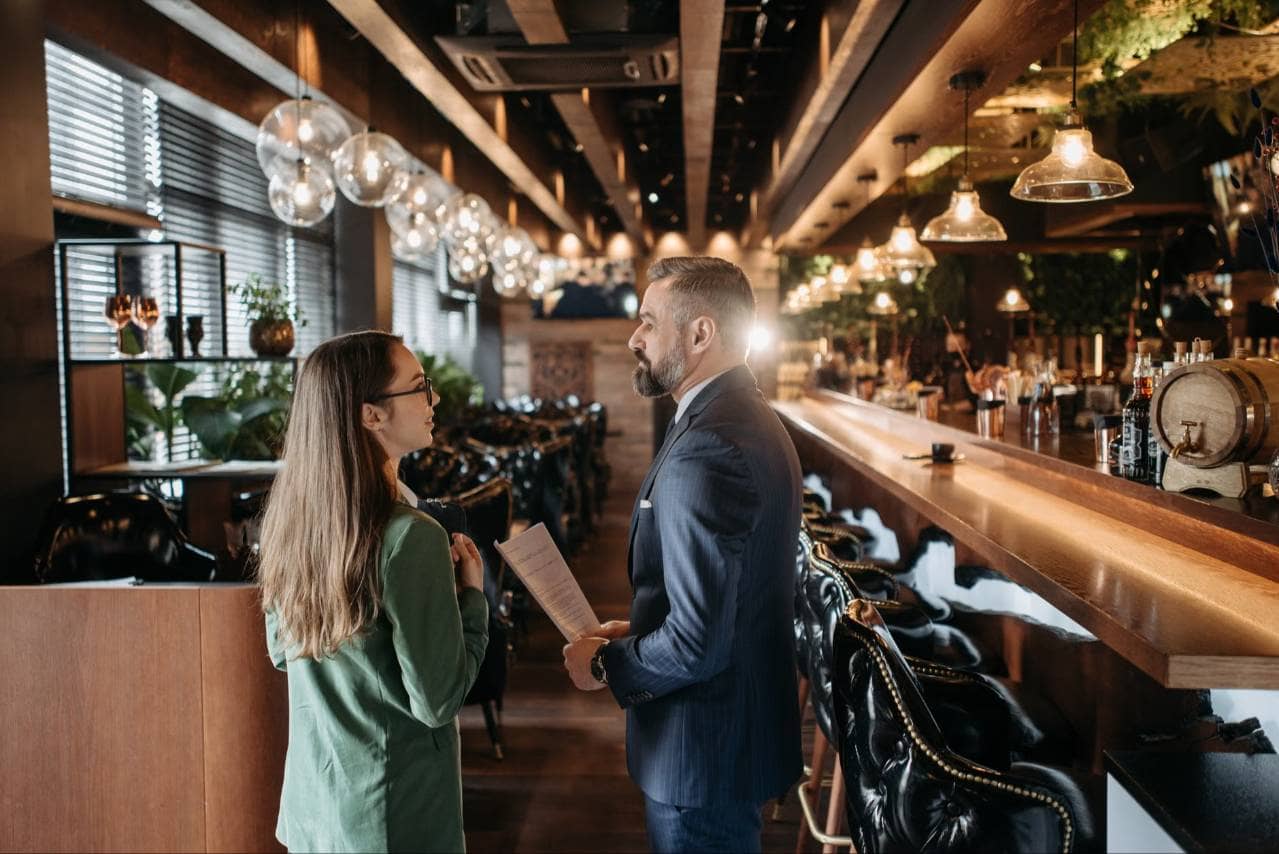
Discover the most common reasons restaurants fail, including inconsistent food quality and pricing mistakes, plus practical ways to avoid them.
Sep 16, 2026
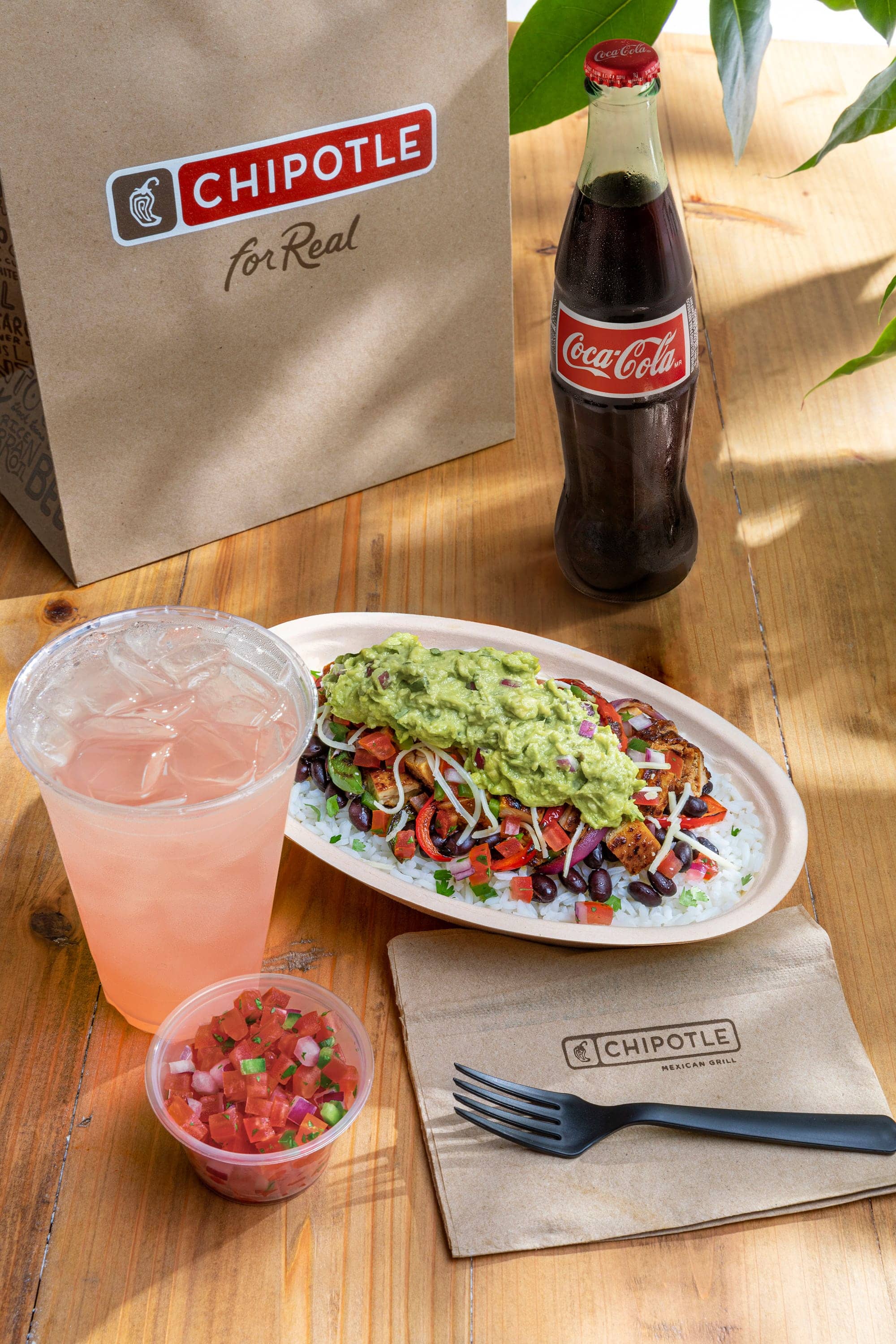
Chipotle names former KFC global CEO Sabir Sami to its board as the chain expands into Mexico, Saudi Arabia, and South Korea.
Sep 15, 2026

LeBron James joins Mike's Red Tacos as an investor, backing the birria chain led by Blaze Pizza and Dave's Hot Chicken veteran Bill Phelps.
Sep 15, 2026
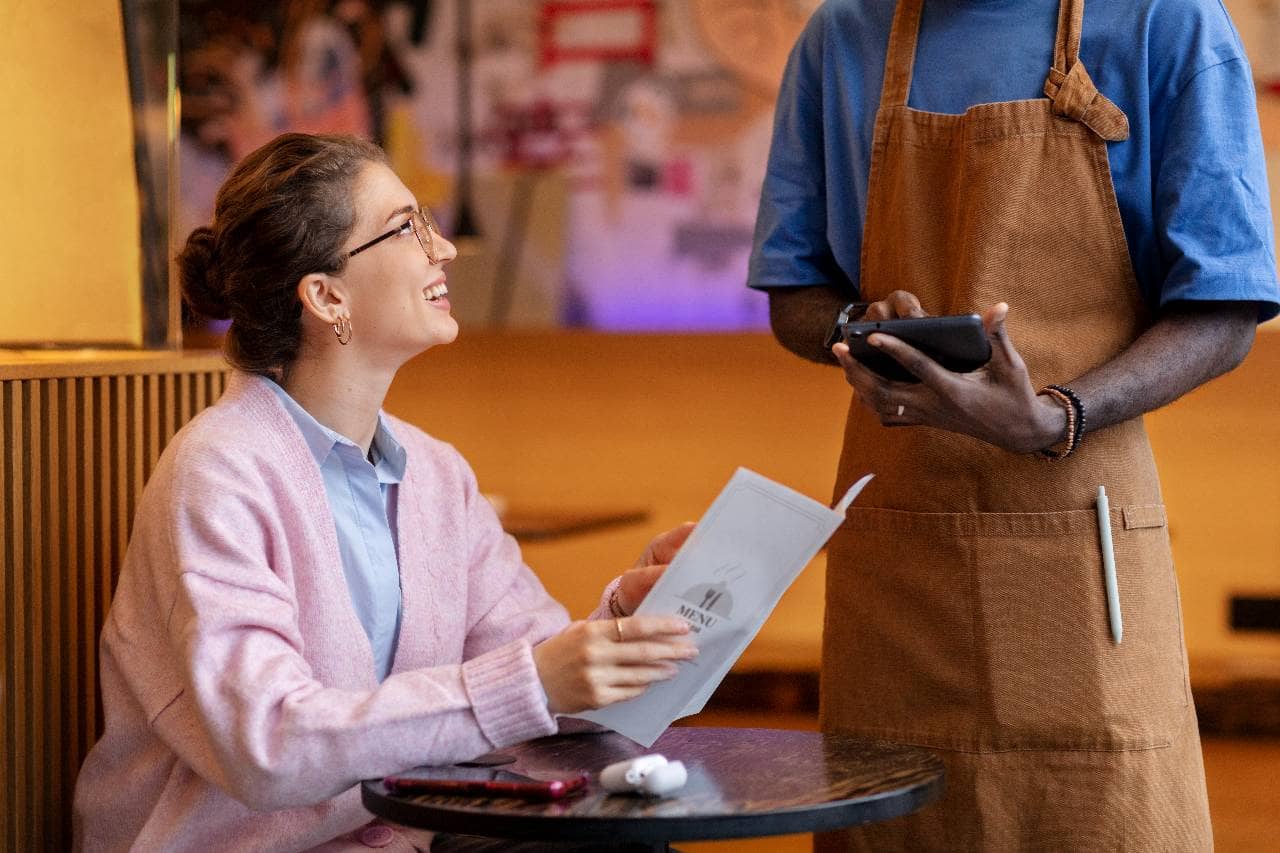
Discover practical promotion ideas - time-based deals, loyalty programs, local partnerships, and digital marketing - to boost restaurant foot traffic consistently.
Sep 14, 2026

Practical payroll compliance checklist for restaurant owners covering wage rules, tips, overtime, taxes, deductions, and recordkeeping to reduce legal risk.
Sep 14, 2026
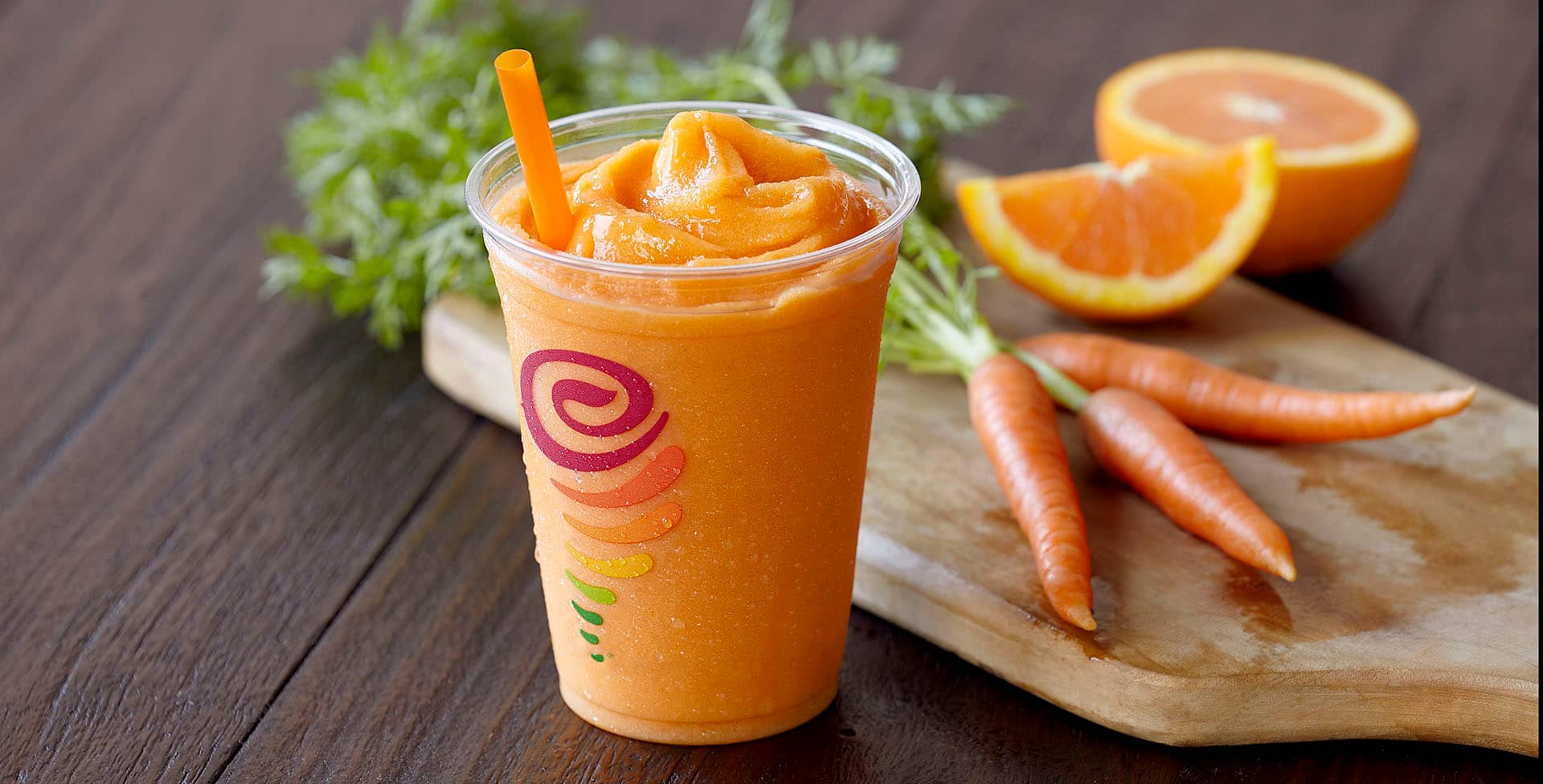
Lucy Brady joins Jamba as president to lead digital-first growth strategy. GoTo Foods restructures leadership to strengthen franchise platform capabilities.
Sep 14, 2026
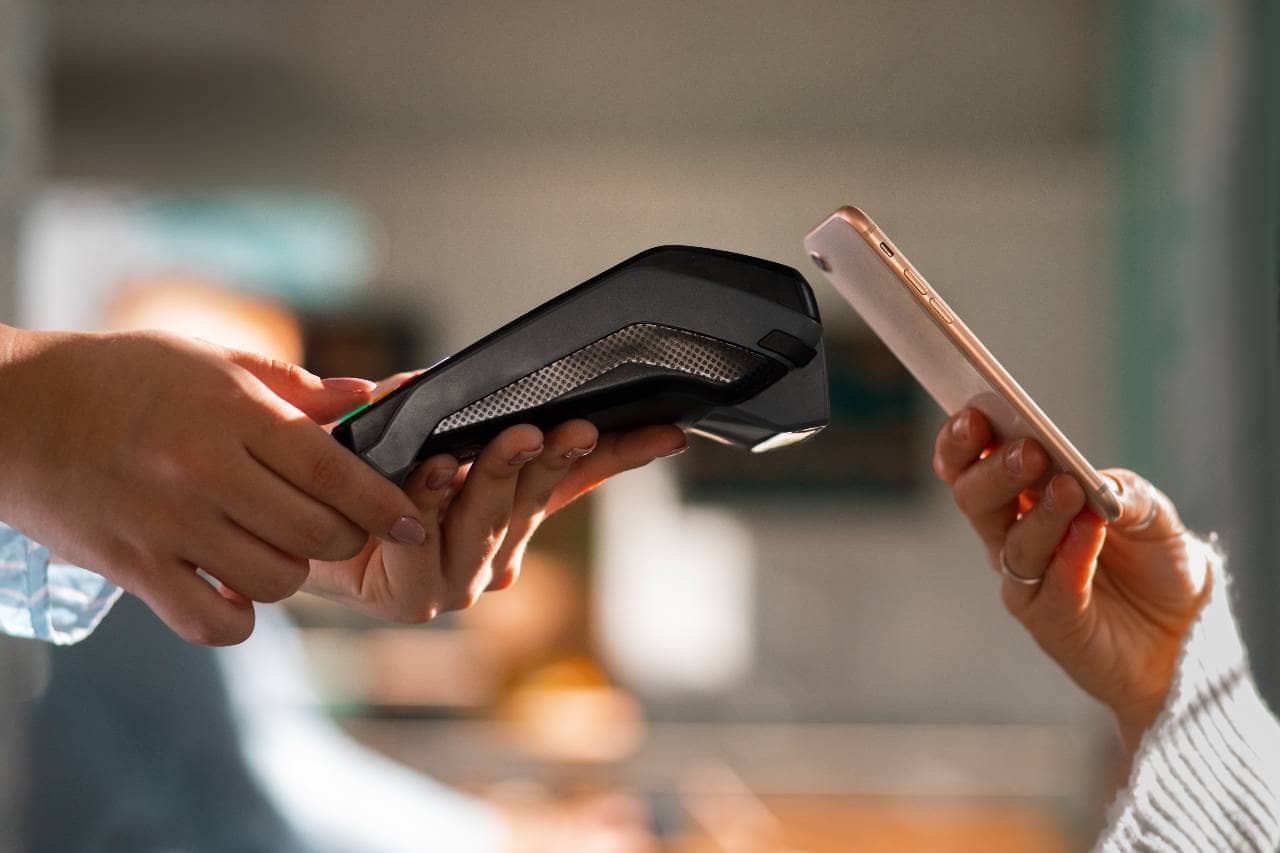
Contactless payment offers restaurants faster transactions, better security, and improved customer experience, making it a valuable, worthwhile technology investment today.
Sep 11, 2026

Unlock Exclusive Access To Webinars, Events, And The Latest News For Free!
Explore how White Castle's collaboration with Coco and Uber Eats in deploying delivery robots is revolutionizing the food industry.

White Castle's initiative to introduce Coco's robots in their high-traffic locations aims to streamline their operational processes by reducing the complexities associated with third-party delivery systems. By employing robots to handle deliveries, White Castle can eliminate potential delays caused by human drivers and alleviate congestion, enhancing overall throughput and service speed.
The integration of delivery robots not only accelerates service but also improves the quality of customer experience. By partnering with Coco and Uber Eats, White Castle can pair customers directly with robots through the app, ensuring a seamless and efficient delivery process without additional fees or intermediaries. This direct engagement enhances convenience and reduces wait times for customers.
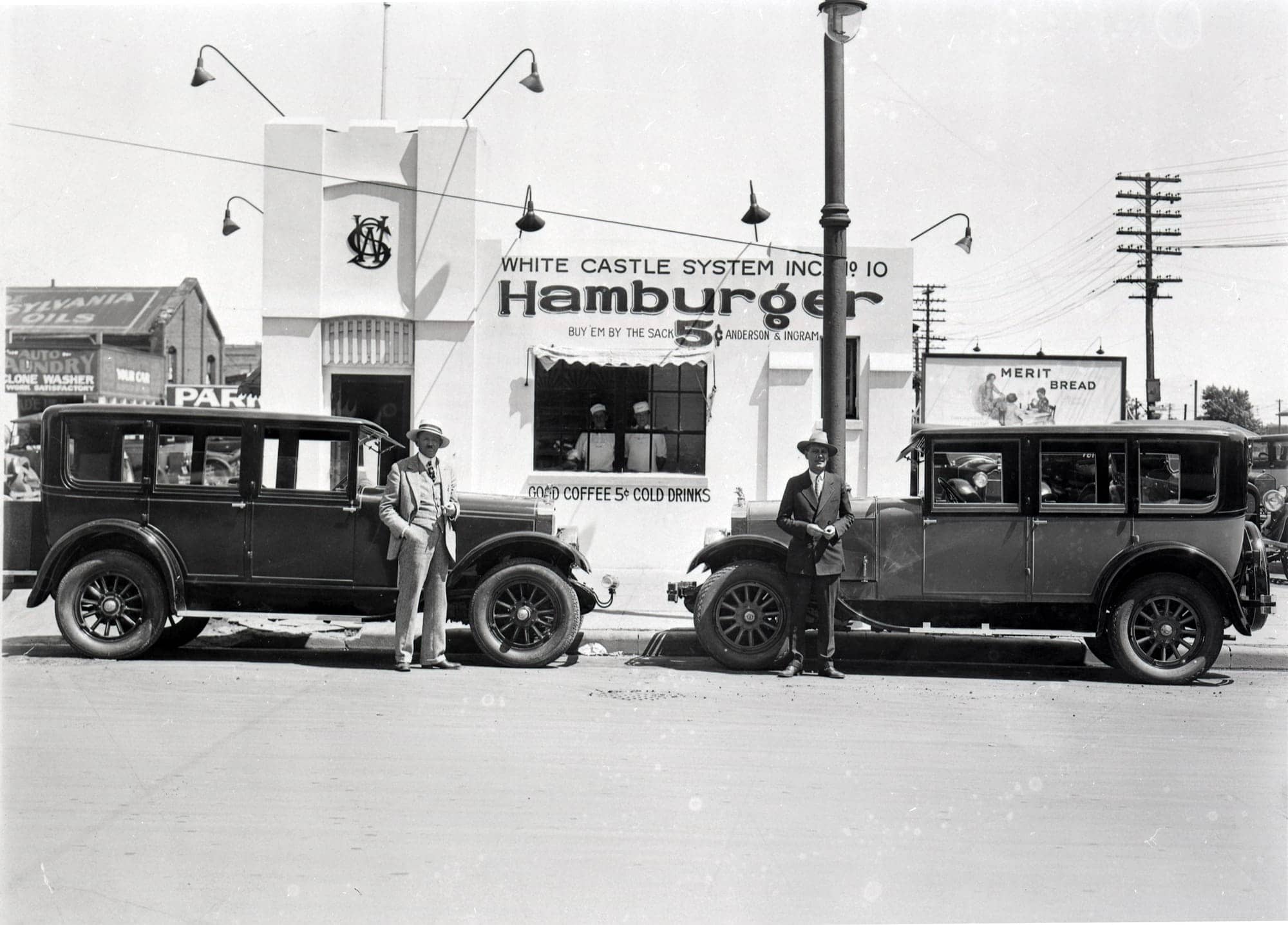
While the use of delivery robots by White Castle represents a significant step towards automation in the food industry, it also reflects a broader trend in the market. Major players like Uber Eats are increasingly exploring robotic delivery solutions to enhance their service offerings and remain competitive. With companies like Shake Shack and DoorDash also venturing into robotic partnerships, the widespread adoption of automated delivery systems is on the horizon.
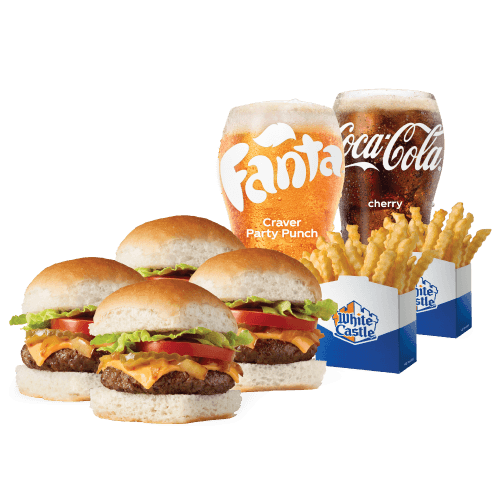
Despite the promising prospects of robotic delivery services, challenges such as revenue generation and cost-efficiency persist in this evolving landscape. While Coco and Serve Robotics are expanding their fleet of delivery bots, the profitability of such capital-intensive operations remains uncertain. As seen in Serve's financial report, the segment is still grappling with revenue limitations, indicating the need for further innovation and optimization to ensure sustainable growth.