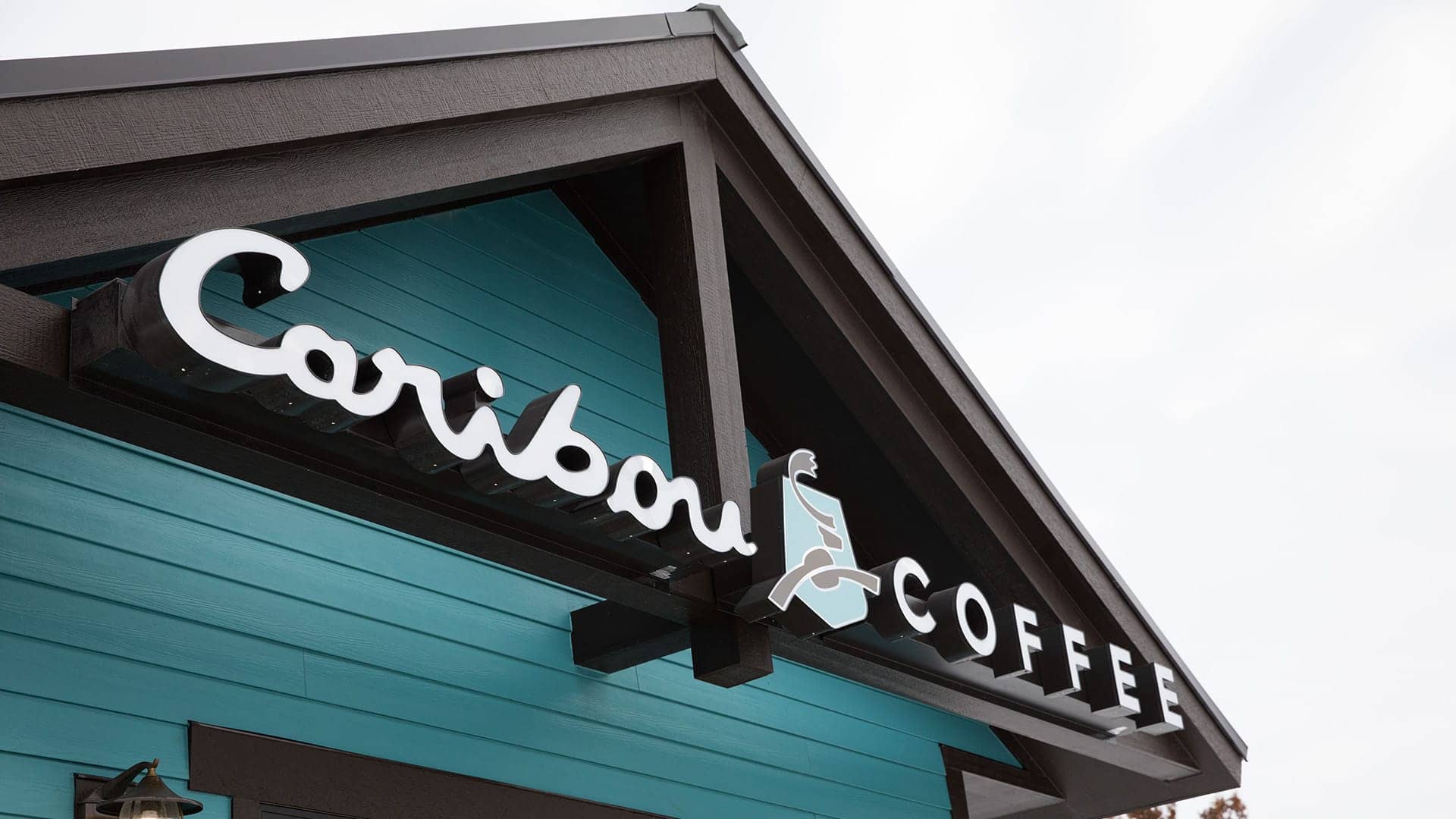
Caribou Coffee Names New COO to Drive Operations Excellence
Caribou Coffee appoints Zane Thomas-Rogers as Chief Operations Officer to strengthen execution across its expanding coffeehouse network.
News
Sep 4, 2026
Caribou Coffee appoints Zane Thomas-Rogers as Chief Operations Officer to strengthen execution across its expanding coffeehouse network.
Sep 4, 2026

Compare the top 10 restaurant POS systems in the USA for 2026. Explore features, pricing, pros, cons, and the best POS options for every restaurant type.
Jul 1, 2026

Learn how to handle restaurant payroll yourself, from calculating hours and wages to managing tips, taxes, and final paychecks.
Sep 2, 2026
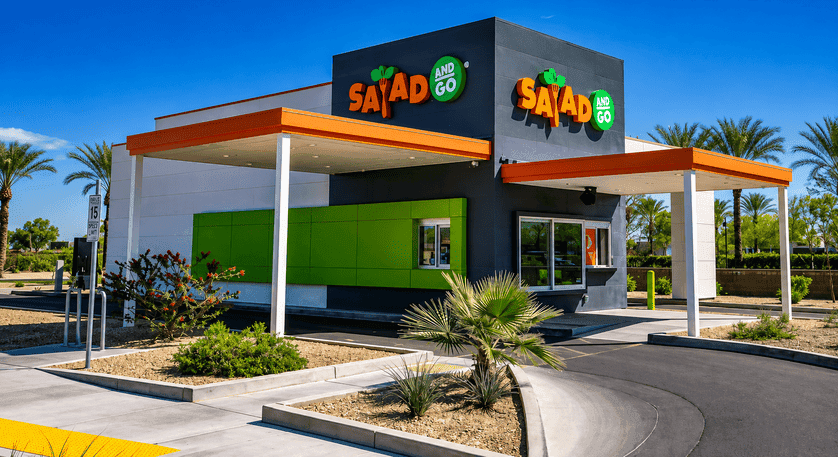
7 Brew has acquired 73 former Salad and Go locations, surpassing Dutch Bros with a $143M bid, signaling a major shift in the competitive landscape for drive-thru brands.
Sep 2, 2026
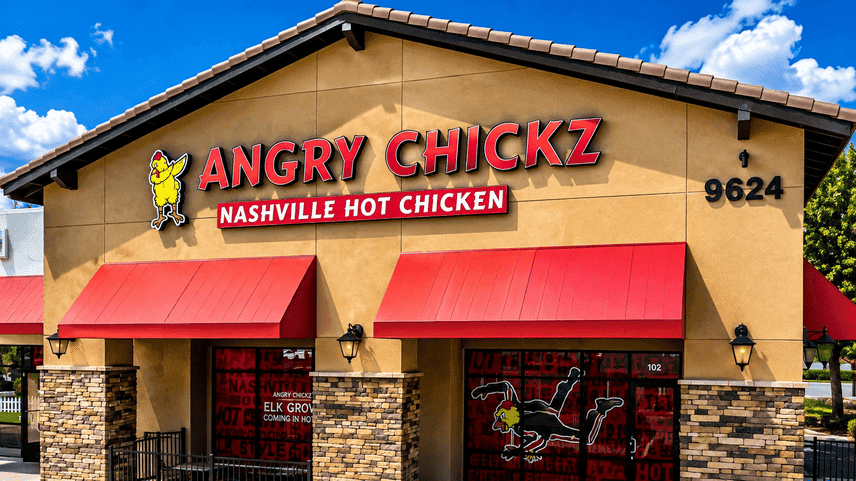
Angry Chickz enters Illinois with its signature hot chicken concept and ambitious plans for Midwest expansion, setting the stage for new franchise opportunities and community engagement.
Sep 2, 2026
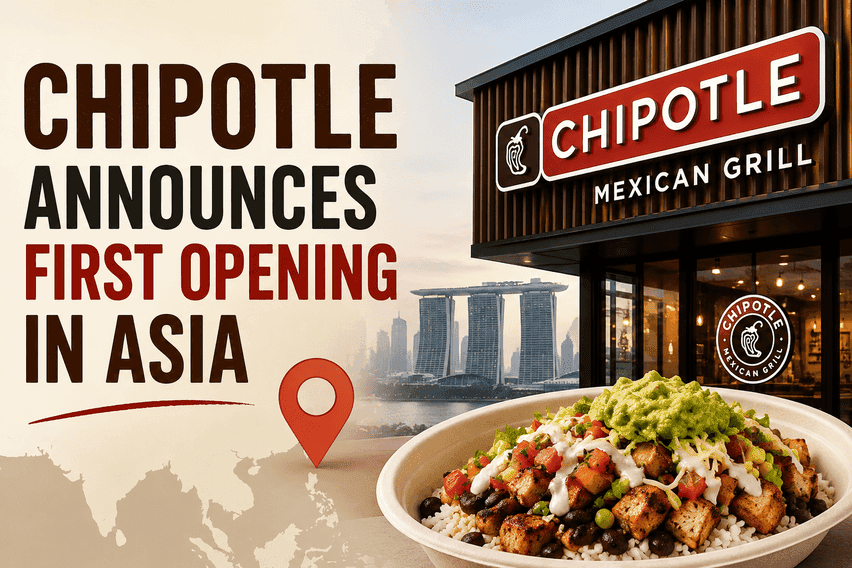
Chipotle makes its highly anticipated entry into Asia with a Seoul opening, partnering with Sangmidang Holdings and setting a template for future international growth.
Sep 2, 2026
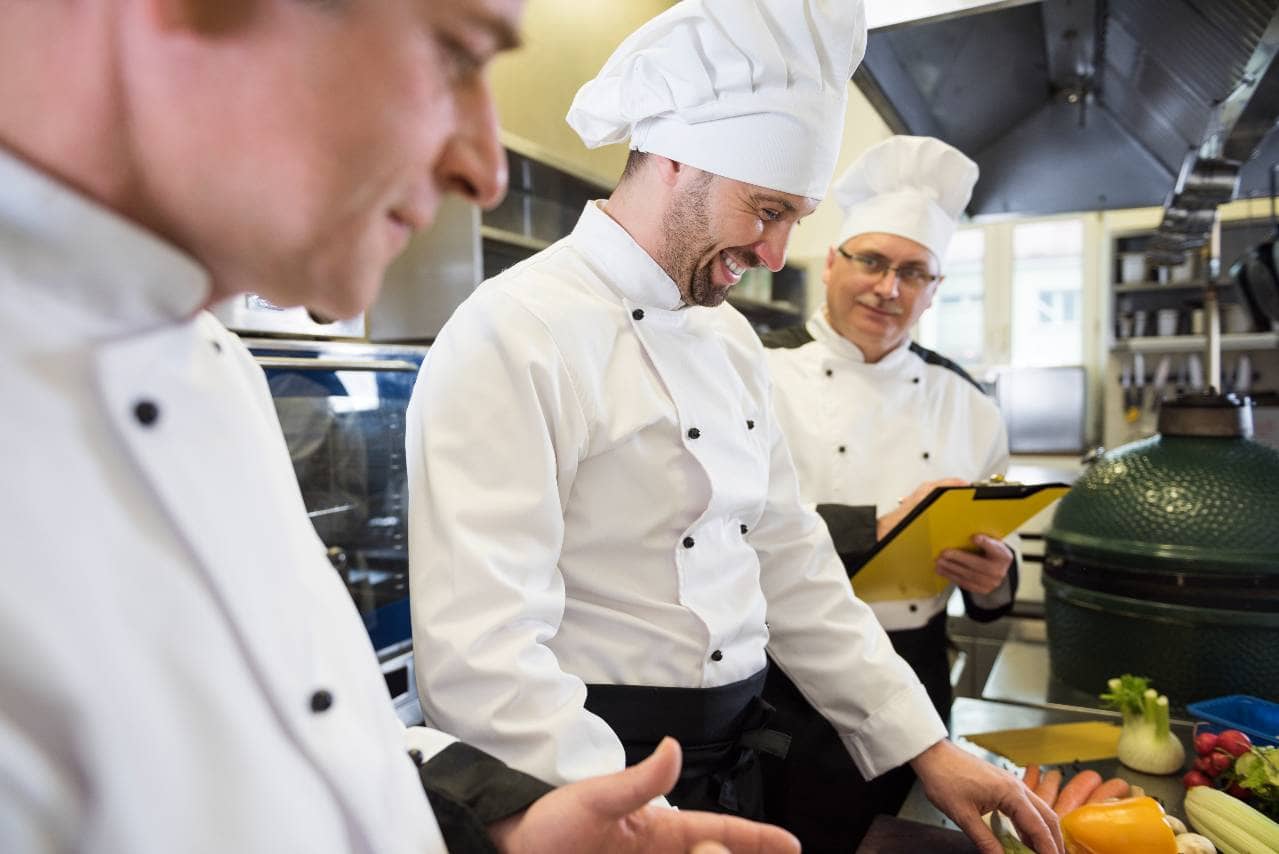
Restaurant labor management helps owners optimize staffing, control labor costs, improve productivity, monitor overtime, and maintain efficient restaurant operations.
Sep 2, 2026
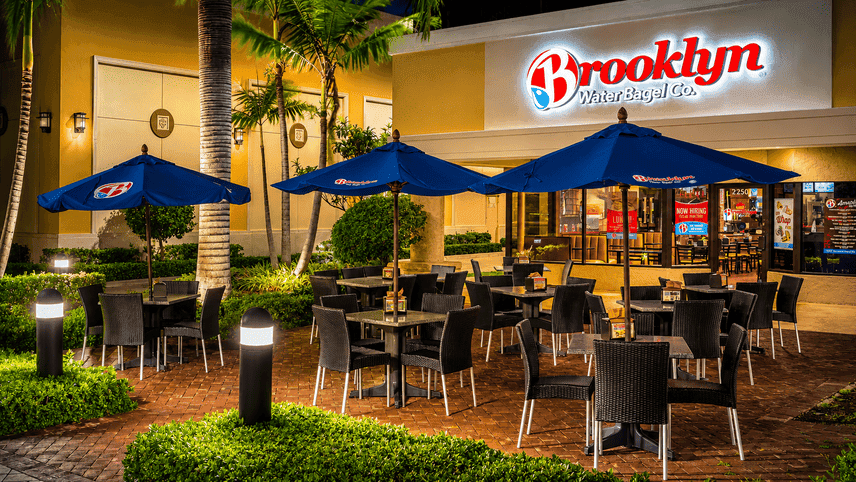
Brooklyn Water Bagel launches its first campus eatery at Nova Southeastern, signaling strategic growth and fresh potential for multi-unit operators seeking new market wins.
Sep 2, 2026

Explore restaurant technology trends in 2026, including AI, automation, digital ordering, workforce tools, connected kitchens, personalization, and profitability strategies today.
Aug 28, 2026
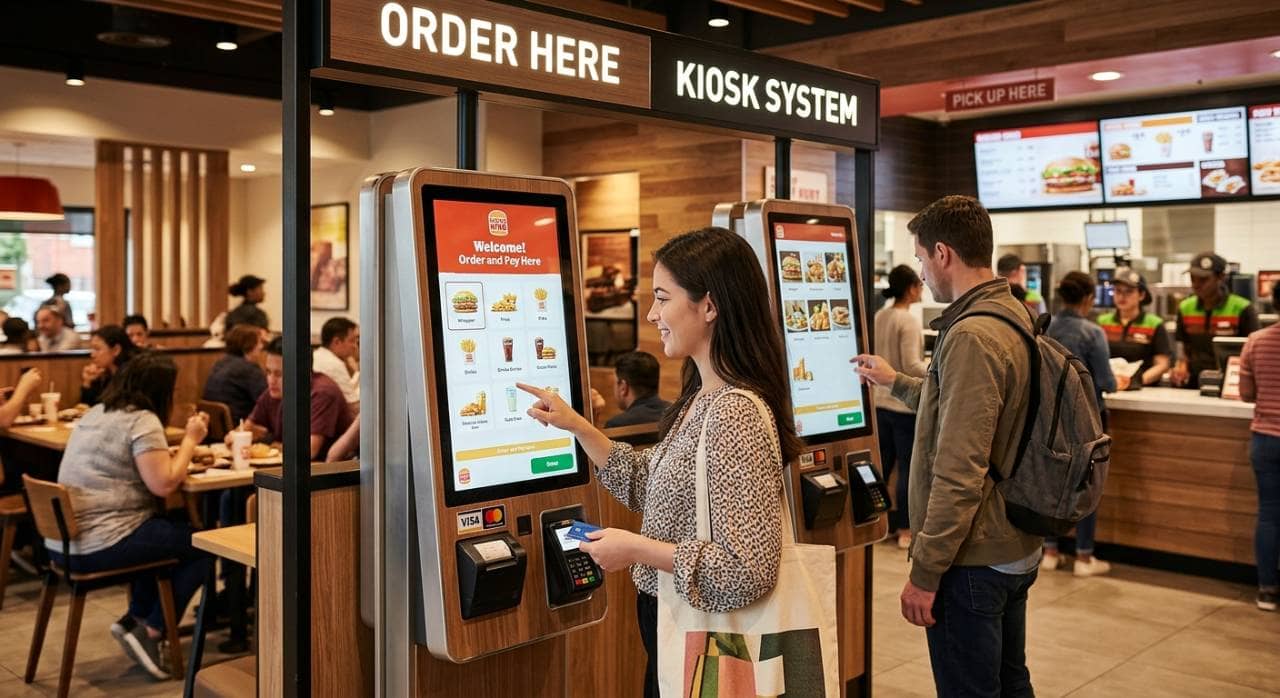
Understand how to evaluate a Kiosk system using key criteria including features, POS integration, hardware, pricing, customer experience, and support.
Aug 31, 2026

Unlock Exclusive Access To Webinars, Events, And The Latest News For Free!
Discover how Fresh off the Boat in Santa Ana has built a thriving, health-focused Mexican-Mediterranean fusion restaurant. Explore operational insights, business strategies, and the customer experience that set this unique concept apart.
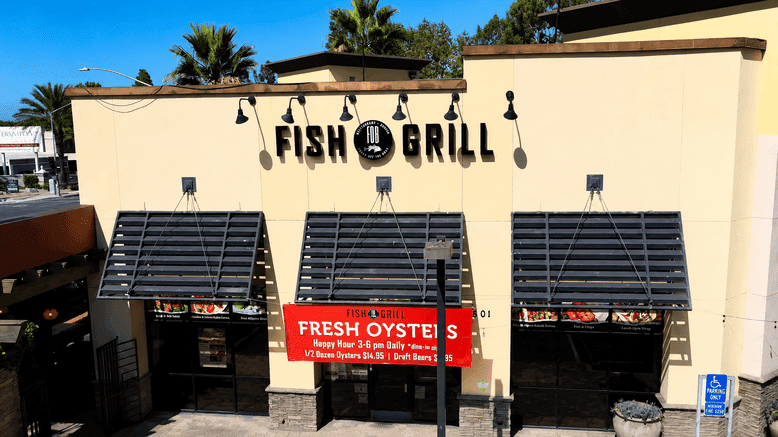
Fresh off the Boat, a standout restaurant in Santa Ana, California -has carved a niche in the highly competitive dining scene with its inventive Mexican-Mediterranean fusion and commitment to health-focused fare. Through insightful leadership and a dedication to operational excellence, the business has grown into a multi-location concept that resonates deeply with its local community.
The origin story of Fresh off the Boat centers on the vision to blend the flavors and culinary techniques of Mediterranean and Mexican cuisines. Prior to this venture, owner Ramsay managed a Mediterranean restaurant in Tustin. The pivotal shift came after partnering with Mo, a seasoned restaurateur who had launched over 25 different dining concepts, including Panini Cafe and Tanaisian Bistro. Their combined expertise and passion for diverse cuisines led to the idea of fusing some of their best-selling menu items into a streamlined, quick-casual setting. The transition was not immediate. Ramsay recalls five years spent operating the original Mediterranean concept before rebranding in 2018, signaling the beginning of Fresh off the Boat. Since then, the brand has grown to include three locations -Tustin, Placentia (near Cal State Fullerton), and the South Coast.
Growth at Fresh off the Boat is measured and strategic. New locations are opened only when the team feels fully prepared for expansion, with thoughtful consideration given to site demographics, the size and configuration of the space, and the surrounding population. As Ramsay explains, focusing on the one-mile radius around potential sites is essential. The interior design also plays a role in customer appeal. The ambiance is described as fun and relaxed, with a distinct nautical theme and an inviting patio adorned with Moroccan lamps -a nod to global influences in the cuisine and decor.
One of the central pillars of Fresh off the Boat is its highly flexible and accessible menu structure. Guests can start by selecting a protein-from grilled or fried seafood to a variety of meat and vegetarian options-then customize the meal with different serving styles, such as charbroiled entrees with basmati rice, burritos, tacos, pita wraps, or baja bowls. There is also a selection of favorites including battered cod fish and chips, poke salads, sliders, and family-style meals designed to serve three to four people. Among the most highly recommended menu items are the chicken kebab entree with garlic sauce, the barramundi (wild-caught Asian sea bass), fish and chips, and the lamb yarrow wrap. Each dish is crafted with an emphasis on fresh, wholesome ingredients. "We prepare everything from scratch with fresh ingredients, prepped multiple times a day," says Ramsay. Even slow-cooked items, such as caramelized carnitas, get meticulous attention, with preparation times stretching to four or five hours.
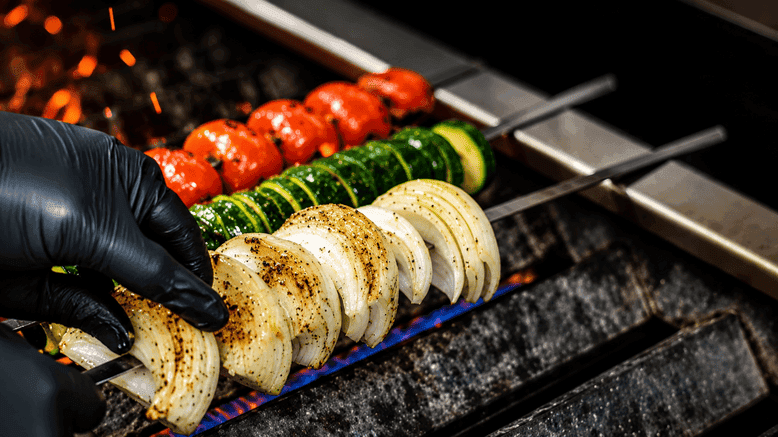
The kitchen at Fresh off the Boat is organized for efficiency and quality control. There are multiple preparation areas, including flat tops, charbroilers, and dedicated salad stations, to ensure every item meets the brand's standard of freshness. Signature sauces are a major draw, with a devoted following among guests. The restaurant recently began offering these sauces for retail, a response to customer demand. Options range from chicken marinades to salsas, dips, and hot sauces-all produced in-house. The best-selling garlic sauce, Ramsay notes, contains no dairy, mayonnaise, or butter - “It’s just made out of olive oil, garlic, egg whites, and lemon juice.”
The dining environment at Fresh off the Boat is intentionally welcoming and open. The Moroccan-inspired patio is available for private events, such as bridal showers, baby showers, and graduation gatherings, and the space is both dog- and family-friendly. The restaurant also innovated with a meal prep service, developed in response to pre-pandemic customer requests for health-centric, convenient to-go meals. Customers can build their own meals online, selecting the amount of protein and sides to match their dietary preferences. This initiative complements other sustainable decisions, such as using reusable plates and silverware for in-house dining and investing in high-quality filtration systems for cooking oils to minimize waste.
Maintaining high-quality ingredients requires intricate vendor management. Fresh off the Boat relies on eight or nine different vendors, each specializing in different categories, including Greek and Middle Eastern foods, produce, and seafood. "We don’t like to rotate vendors too often. Once we establish relationships, as long as the quality of the food comes in great and it comes in fresh at the right temperatures, we’re okay. We like to stick with our vendors." This philosophy emphasizes the importance of consistency and trust in supply chain relationships, while leveraging volume across several locations to secure more favorable pricing.
Leadership at Fresh off the Boat is hands-on, with the owner and management working directly alongside the staff. Ramsay emphasizes the value of respecting employees and leading by example - “Your employees are key to everything. We wouldn’t be here without them. We have fun working together. They learn based on what they see, and when they see us working just like they are, it sets a good standard and we have fun doing it.” Opportunities for advancement within the company are made clear, with several staff members having moved up from line cook positions to kitchen management. This approach fosters engagement and loyalty, resulting in a positive work culture that translates to quality service and hospitality for guests.
Staying profitable in California’s volatile economic environment demands flexibility and careful financial oversight. Fresh off the Boat addresses rising costs by diversifying revenue streams-balancing dine-in and takeout orders, catering services, meal prep kits, and retail sauce sales. Periodic cost assessments are integral to maintaining strong financial health. As Ramsay advises, "It’s important to know your numbers, to be able to have accurate bookkeeping. It’s highly crucial to review those on a monthly basis, if you can. A weekly basis is even better." This diligence ensures operational costs don’t spiral and supports business resilience in uncertain times. The restaurant’s grassroots marketing approach also played a significant role in its growth. Opening a new location during the pandemic, Fresh off the Boat relied primarily on word-of-mouth, allowing guests to be their “advertising force.” This organic strategy helped the brand quickly earn community trust and loyalty.
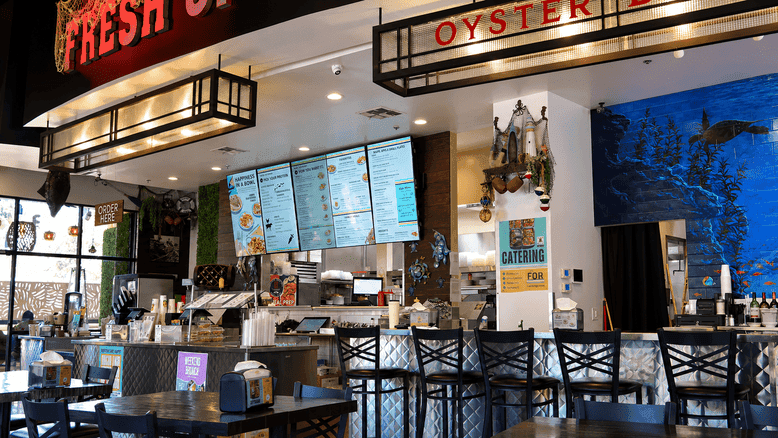
Operational efficiency is further enhanced through periodic adoption of new technologies, such as transitioning from printed kitchen tickets to digital display systems, digital menu boards, and online and QR code-based ordering. These improvements are implemented when needed, allowing the restaurant to remain competitive while supporting scalability as the number of locations grows.
The business continues to refine operations and lay the groundwork for future expansion, including hiring an operations manager to oversee multiple units and establishing robust systems for vendor sourcing and quality control. Each expansion is carefully timed, typically occurring every four to six months in line with historical growth patterns. As the model solidifies, the team is confident in their ability to scale without sacrificing the distinctive quality or experience that define Fresh off the Boat.
Fresh off the Boat demonstrates that diversity in cuisine can be leveraged into a thriving business through thoughtful leadership, operational discipline, and a commitment to both staff and guest experience. With its blend of innovative menu options, sustainable practices, and genuine hospitality, the restaurant has established itself as more than just a fusion concept-it serves as an example of how creativity and operational rigor can coexist in the modern hospitality industry.