
How to Create a Restaurant Marketing Plan
Create a practical restaurant marketing plan by setting goals, targeting customers, choosing channels, budgeting wisely, scheduling campaigns, and measuring results.
Marketing
Aug 24, 2026
Create a practical restaurant marketing plan by setting goals, targeting customers, choosing channels, budgeting wisely, scheduling campaigns, and measuring results.
Aug 24, 2026

A payroll advance policy helps restaurant owners define eligibility, limits, repayment, documentation, approval procedures, and compliance requirements for employee advances.
Aug 24, 2026
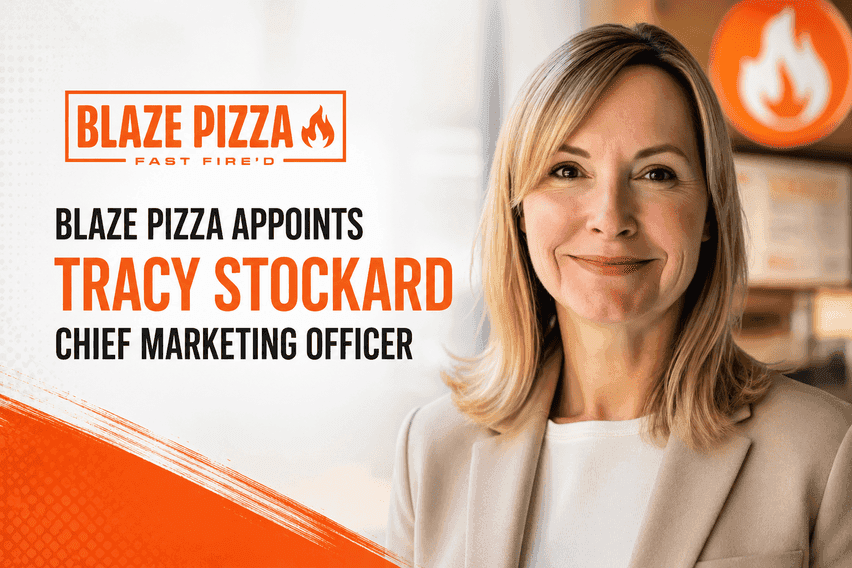
Blaze Pizza welcomes Tracy Stockard as Chief Marketing Officer, bringing decades of brand and franchise experience to drive strategic growth and guest engagement.
Aug 25, 2026
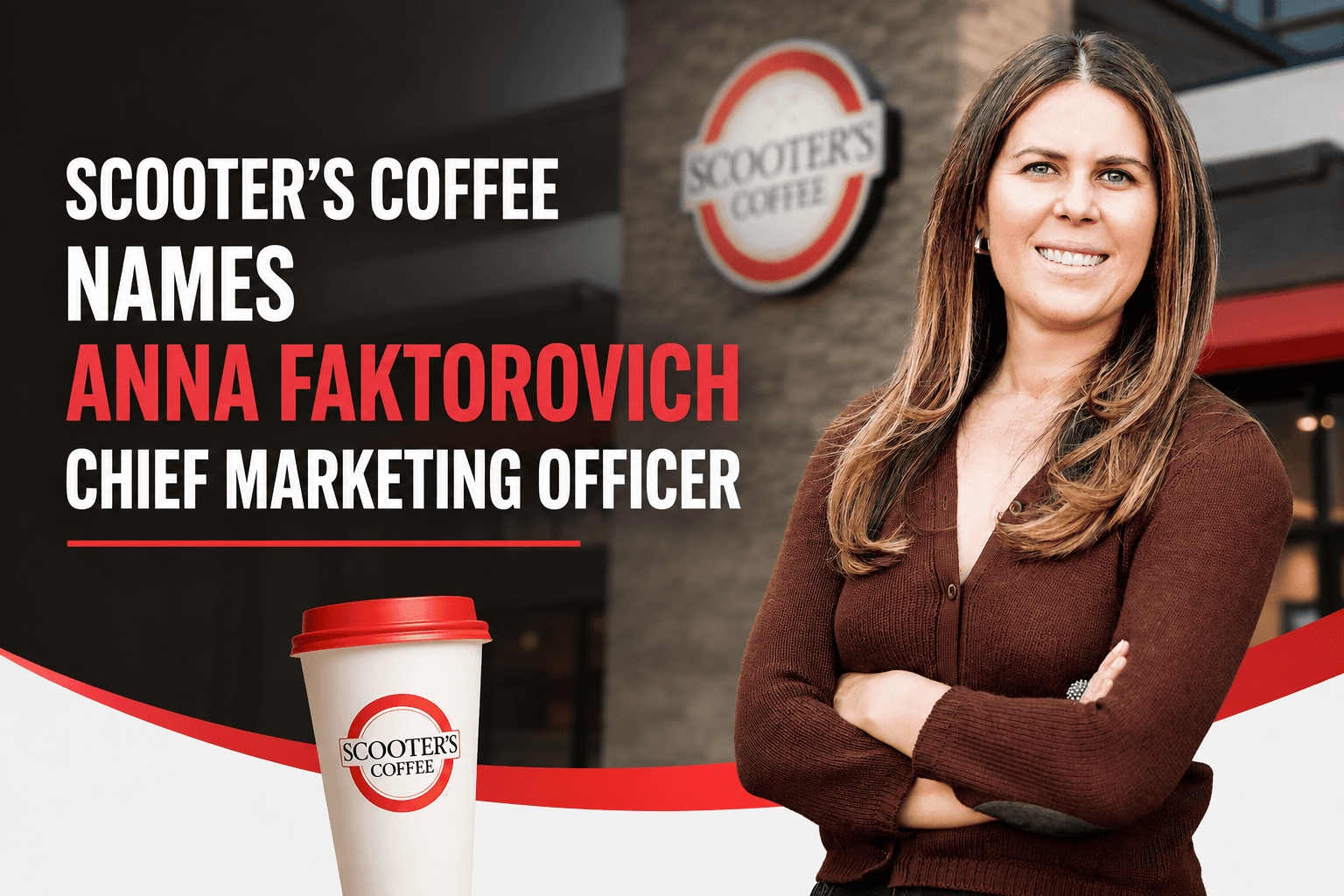
Anna Faktorovich, a seasoned marketing executive, has been named Chief Marketing Officer at Scooter’s Coffee, bringing decades of multi-brand experience to fuel the franchise’s next growth stage.
Aug 25, 2026

Levain Bakery appoints Lorna Sommerville and Taya Stenson as co-CEOs, blending operational and marketing expertise to power national expansion and innovation while staying rooted in its brand values.
Aug 25, 2026
Wendy’s announces Tariq Hassan as Chief Marketing and Customer Growth Officer, charting a new course for brand and digital innovation. What restaurant owners can learn.
Aug 24, 2026
Dave & Buster's refreshes its executive lineup with seasoned leaders in operations, marketing, tech, and finance - signaling a growth-driven future for restaurant operators to watch.
Aug 24, 2026
Learn how to build a restaurant back office software stack that improves efficiency, integrations, reporting, cost control, and scalability overall.
Aug 21, 2026
Clear operating procedures help restaurants manage opening, closing, food preparation, sanitation, guest service, inventory, staffing, and routine operational reviews effectively.
Aug 21, 2026
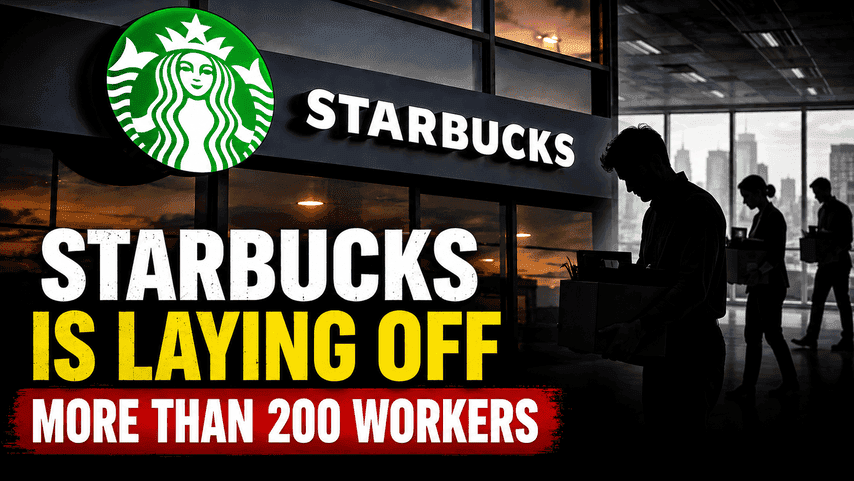
Starbucks is making strategic staffing changes, laying off 200+ workers as it restructures operations and prepares for future growth in southern and eastern regions.
Aug 21, 2026

Unlock Exclusive Access To Webinars, Events, And The Latest News For Free!
Back-office restaurant technology helps owners control labor, payroll, inventory, purchasing, and reporting while reducing manual work and improving daily decisions.

Back-office restaurant technology is the group of systems a restaurant uses to manage the business side of operations. These are the tools that help owners and managers run the restaurant behind the scenes, not the tools guests directly use at the counter, table, or online checkout. In simple terms, back-office technology helps you manage the work that keeps the restaurant organized, profitable, and compliant. This includes things like scheduling employees, tracking time punches, processing payroll data, managing inventory, costing recipes, reviewing reports, and handling purchasing. It is different from front-of-house technology. Front-of-house tools are the systems guests and staff use during service, such as POS terminals, self-order kiosks, online ordering pages, and payment devices. Back-office tools work in the background. They take the information created during service and turn it into operational decisions. For example, your POS may show that sales were high last Friday night. Your back-office systems help you use that information to answer important questions like - - Did we schedule the right number of employees? - Was labor too high or too low for sales? - Did food cost increase because of waste or portioning issues? - Are we ordering the right amount of product? - Did payroll data flow correctly from time punches? This is why back-office restaurant technology matters. It helps owners move from guessing to managing with real numbers. Without it, many restaurants rely on spreadsheets, paper logs, manual calculations, and manager memory. That usually leads to delays, mistakes, and inconsistent decisions.
Restaurant owners need back-office technology because running a restaurant is not only about serving food. It is also about controlling costs, managing people, keeping records accurate, and making decisions quickly. When these tasks are handled manually, small mistakes can turn into expensive problems. Without back-office systems, many restaurants depend on paper schedules, spreadsheets, text messages, and manual calculations.That setup may work for a while, but it becomes hard to manage as sales grow, staffing changes, or costs increase. Managers spend too much time chasing information instead of using it. One person may track labor in one file, another may track inventory in a different sheet, and payroll may be handled somewhere else. This creates delays and confusion. Back-office technology helps organize those moving parts. It gives owners and managers a more reliable way to track labor, time punches, payroll data, inventory, food costs, and reports. Instead of checking multiple places and comparing numbers by hand, they can review information in a structured system and respond faster. It also improves visibility. For example, an owner can quickly see whether labor is too high for the day, whether overtime is building up, or whether food costs are rising faster than expected. That kind of visibility helps managers fix issues early instead of discovering them at the end of the week or month. Another major benefit is consistency. Back-office systems help standardize how work is done across shifts and locations. Scheduling rules, punch approvals, reporting habits, and purchasing workflows become more repeatable. This reduces manager-to-manager differences and makes operations easier to control. Most importantly, back-office technology saves time. Owners and managers can spend less time on administrative work and more time on staffing, service, training, and guest experience. The right tools do not replace good management - they support it by making the business side of the restaurant easier to run with accuracy and confidence.
Labor scheduling and workforce management systems help restaurant owners and managers build better schedules while keeping labor costs under control. Instead of relying on paper schedules, group texts, or spreadsheets, these tools give managers a structured way to plan staffing based on business needs. 1) Organize scheduling in one place - These systems allow managers to create schedules, assign shifts, and set start and end times in a single platform. They also help track employee roles, which is important when planning coverage for cooks, cashiers, servers, or shift leads. This makes scheduling more consistent and easier to manage week to week. 2) Improve workforce planning - Workforce management tools do more than place names on a schedule. They can track employee availability, time-off requests, preferred shifts, and role qualifications. This helps managers avoid common problems like scheduling someone during unavailable hours or assigning the wrong role to a shift. 3) Help control labor costs - Labor is one of the largest expenses in a restaurant, so scheduling decisions directly affect profitability. These systems help managers see planned labor hours before the schedule is posted. That makes it easier to reduce overstaffing, avoid unnecessary overtime, and build schedules that fit labor targets. 4) Support sales-based scheduling - Many tools allow managers to schedule based on projected sales, traffic, or daypart demand. This helps restaurants align staffing with expected business volume. For example, a busy weekend dinner shift may need more coverage than a slow weekday afternoon. Using demand-based planning reduces guesswork. 5) Improve communication and visibility - Employees can often view schedules, request changes, or swap shifts through mobile access, which reduces back-and-forth communication. At the same time, owners and general managers get better visibility into staffing patterns, labor hours, and coverage gaps across shifts or locations. Overall, labor scheduling and workforce management systems help restaurants staff smarter, stay organized, and make better labor decisions with less manual work.
Time and attendance systems help restaurants track when employees actually start and end their shifts. These tools are important because they create the labor records used for payroll, reporting, and daily labor control. When punch tracking is handled manually, errors are common, and even small mistakes can affect payroll accuracy and labor costs. 1) Record employee work time accurately - A punch tracking system logs clock-ins, clock-outs, meal breaks, and shift durations in one place. This gives managers a clear record of hours worked instead of relying on handwritten notes or memory. Accurate punch data is the foundation for payroll and labor reporting. 2) Reduce payroll errors and disputes - If time punches are missing, duplicated, or entered incorrectly, payroll can be wrong. That creates extra admin work and can damage employee trust. Time and attendance systems help reduce these issues by keeping a structured record of each shift. Managers can also review and approve punches before payroll is processed. 3) Improve accountability and manager oversight - Punch tracking tools help managers see attendance issues more clearly, such as late arrivals, early clock-outs, missed breaks, or unapproved punch edits. This makes it easier to coach employees, enforce policies consistently, and keep labor practices organized across shifts. 4) Support labor reporting and cost visibility - Because punch data is captured in a system, restaurants can use it to review daily and weekly labor performance. Managers can compare hours worked against sales and see whether labor is trending too high. This helps owners make adjustments faster instead of waiting until the end of the pay period. 5) Create cleaner data for payroll and compliance workflows - Time and attendance systems also support better data flow into payroll and other back-office tools. Cleaner punch records make it easier to process wages correctly, track labor history, and maintain consistent records for internal review. Time and attendance / punch tracking systems help restaurants improve accuracy, reduce manual corrections, and build a more reliable foundation for payroll and labor management.

Payroll and payroll export support systems help restaurants turn time and attendance data into clean payroll-ready records. These tools do not always process payroll directly, but they play a critical role in preparing accurate wage and hour data for payroll teams or payroll providers. In restaurant operations, this matters because payroll errors can quickly create employee issues, extra admin work, and compliance risk. 1) Organize payroll data before processing - Payroll support systems collect and structure the information needed for payroll, such as regular hours, overtime hours, punch adjustments, and approved time records. Instead of pulling numbers from multiple places, managers and admins can review payroll-related data in one workflow before it is sent out. 2) Improve payroll export accuracy - Restaurants often rely on payroll exports to move data from labor systems into payroll platforms. If that export data is incomplete or inconsistent, payroll processing can be delayed or incorrect. Payroll export support tools help standardize the format and reduce manual re-entry, which lowers the chance of mistakes. 3) Reduce administrative work for managers - Without a system, managers may spend hours checking timecards, correcting punch issues, and compiling payroll details. Payroll support tools streamline that process by connecting approved punch data to payroll workflows. This gives managers a faster way to review hours and submit payroll-ready information with fewer manual steps. 4) Help maintain employee trust - Payroll accuracy affects more than accounting. Employees expect to be paid correctly and on time. If wage calculations are wrong, it can create frustration and reduce confidence in management. Better payroll support systems help restaurants deliver cleaner payroll data, which supports a more consistent employee experience. 5) Support stronger back-office operations overall - Payroll systems connect labor scheduling, punch tracking, and reporting into a complete back-office process. When payroll exports are accurate, restaurants can also trust their labor reports more. This gives owners better visibility into labor costs and helps them make better staffing and budgeting decisions. Payroll and payroll export support systems help restaurants reduce errors, save time, and improve the reliability of one of the most important back-office workflows.
Inventory, food cost, and recipe costing systems help restaurant owners control one of the most important parts of profitability- what they buy, what they use, and what each menu item actually costs. Without these tools, many restaurants rely on rough estimates, vendor invoices, and manual spreadsheets, which makes it harder to catch cost problems early. 1) Track inventory levels and product usage - Inventory systems help restaurants monitor what is on hand and what is being used. This gives managers a clearer picture of stock movement across the week. Instead of guessing when to reorder, they can make better purchasing decisions based on actual counts and usage trends. 2) Improve food cost visibility - Food cost is not just about how much product is purchased. It is about how much product is used compared to sales. Inventory and food cost tools help owners compare usage, purchases, and menu performance, which makes it easier to spot rising costs, over-ordering, or unusual variances. 3) Support recipe costing and portion control - Recipe costing systems break menu items into ingredients and portions so owners can see the cost of each dish more accurately. This is important because menu pricing decisions should be based on real ingredient costs, not estimates. These tools also support portion consistency, which helps protect margins and improve the guest experience. 4) Help reduce waste and cost leakage - When inventory and recipe tools are used consistently, restaurants can identify areas where money is being lost. This may include over-portioning, spoilage, untracked waste, or ordering too much product. Better tracking helps managers correct these issues before they become ongoing cost problems. 5) Improve pricing and purchasing decisions - With better food cost data, owners can make smarter decisions about menu pricing, vendor orders, and product substitutions. This gives restaurants a stronger foundation for profitability, especially when ingredient prices change. Inventory, food cost, and recipe costing systems help restaurants move from guesswork to better cost control, better pricing decisions, and more consistent operations.
Reporting, analytics, vendor, and purchasing systems help restaurant owners turn daily activity into clear business decisions. A restaurant creates a lot of data every day - sales, labor hours, inventory usage, invoices, and order history - but data alone is not useful unless it is organized. These back-office systems help owners review performance, track spending, and make better operational choices. 1) Make reports easier to read and use - Reporting and analytics tools pull information into dashboards and summaries that managers can review daily or weekly. Instead of checking different systems one by one, owners can see key numbers in one place, such as sales, labor cost, food cost trends, and operational performance. This makes it easier to spot issues early. 2) Improve day-to-day decision-making - Good reporting systems do more than store information. They help managers act on it. For example, if labor is trending high, a manager can adjust scheduling. If food cost is rising, they can review usage, waste, or pricing. Analytics tools support faster decisions because they reduce the delay between what happened and what management sees. 3) Organize vendor and purchasing workflows - Vendor and purchasing systems help restaurants manage product ordering, supplier records, and invoice tracking in a more structured way. This gives managers better visibility into what is being purchased, from whom, and at what price. It also reduces the risk of inconsistent ordering habits across shifts or locations. 4) Support cost control and accountability - When purchasing and invoice data are tracked in a system, restaurants can compare spending patterns over time and catch unusual changes. This helps owners hold purchasing practices accountable and avoid cost creep from poor ordering decisions or weak oversight. 5) Connect spending data to operational performance - The biggest value comes when reporting and purchasing systems work together. Owners can compare spending, sales, labor, and food cost trends in one view, which supports better budgeting and planning. These systems help restaurants improve visibility, organize purchasing, and make more informed decisions with less manual effort.
Choosing back-office restaurant technology should start with your operational needs, not with a software demo. The goal is not to buy the most tools. The goal is to build a practical system that helps your restaurant run better, with less manual work and better visibility. Start by identifying your biggest pain points. For one restaurant, the problem may be scheduling and overtime. For another, it may be inventory control, payroll corrections, or weak reporting. When you define the problem first, it becomes easier to choose the right tool for that job. Next, separate must-have features from nice-to-have features. A system may offer many advanced tools, but not all of them are necessary right away. Focus on the features your managers will use often, such as scheduling, punch approvals, payroll exports, inventory counts, recipe costing, or daily reporting. This helps you avoid overbuying software that adds cost without adding value. Integration is also a major decision point. Back-office tools work best when they connect to your POS, payroll provider, accounting system, and other key platforms. If systems do not connect well, managers may end up doing manual exports, duplicate entry, or spreadsheet cleanup. That defeats the purpose of using technology. Ease of use matters just as much as features. If managers find the system hard to learn, adoption will be weak. Look for tools that are simple to use, supported by training, and backed by reliable customer support. A strong rollout plan is important too. Even good software can fail if implementation is rushed or unclear. A smart approach is to implement in phases. Many restaurants start with labor scheduling and time tracking, then add payroll support, inventory, and reporting. This makes training easier and helps teams adapt step by step. The best back-office technology plan is one that fits your operation, solves real problems, and helps your team make better decisions every day.
