everbowl Hires Two Jack in the Box Veterans
everbowl names Anna Gabele Brand President and Natalie Trzcinski COO, pulling both from Jack in the Box to guide its next growth phase.
Franchising
Sep 18, 2026
everbowl names Anna Gabele Brand President and Natalie Trzcinski COO, pulling both from Jack in the Box to guide its next growth phase.
Sep 18, 2026

Mountain Mike's Pizza hires Jack in the Box veteran Sheena Dougher as CMO to drive national growth while preserving its regional brand identity.
Sep 17, 2026

From fixed costs to contribution margin, learn exactly how to calculate your restaurant's break even point with confidence.
Sep 16, 2026

DoorDash pays $425M for Wonder's campus dining platform and a stake in Wonder, betting on robotic kitchens and institutional foodservice growth.
Sep 16, 2026

Discover the most common reasons restaurants fail, including inconsistent food quality and pricing mistakes, plus practical ways to avoid them.
Sep 16, 2026
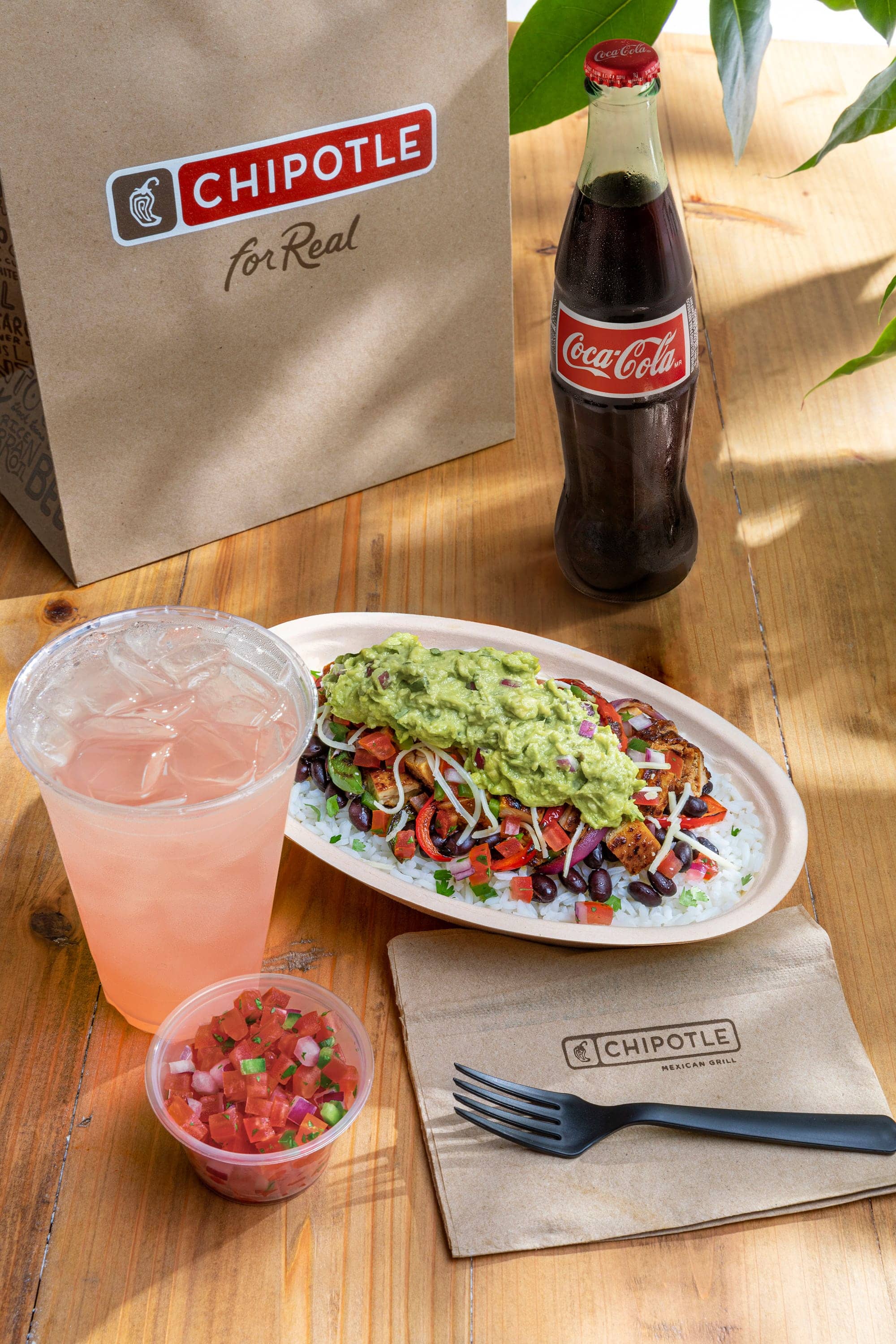
Chipotle names former KFC global CEO Sabir Sami to its board as the chain expands into Mexico, Saudi Arabia, and South Korea.
Sep 15, 2026

LeBron James joins Mike's Red Tacos as an investor, backing the birria chain led by Blaze Pizza and Dave's Hot Chicken veteran Bill Phelps.
Sep 15, 2026

Discover practical promotion ideas - time-based deals, loyalty programs, local partnerships, and digital marketing - to boost restaurant foot traffic consistently.
Sep 14, 2026

Practical payroll compliance checklist for restaurant owners covering wage rules, tips, overtime, taxes, deductions, and recordkeeping to reduce legal risk.
Sep 14, 2026

Lucy Brady joins Jamba as president to lead digital-first growth strategy. GoTo Foods restructures leadership to strengthen franchise platform capabilities.
Sep 14, 2026

Unlock Exclusive Access To Webinars, Events, And The Latest News For Free!
Restaurant owners can use this guide to evaluate employee benefits, estimate expenses, define eligibility, manage enrollment, and strengthen staff retention.

Restaurant employee benefits are forms of compensation provided in addition to an employee's regular wages, salaries, tips, or bonuses. They are designed to support employees' health, financial security, work-life balance, and overall job satisfaction. For restaurant owners, benefits can also strengthen recruitment, improve retention, reduce absenteeism, and create a more stable workforce. Employee benefits generally fall into two categories - required benefits and voluntary benefits. 1. Required benefits are programs or protections that restaurants may be legally obligated to provide based on federal, state, or local regulations. These can include workers' compensation insurance, unemployment insurance, payroll tax contributions, protected leave, paid sick leave, or health coverage requirements for qualifying employers. The specific obligations depend on factors such as the restaurant's location, number of employees, employee classifications, and hours worked. 2. Voluntary benefits are additional options that restaurant owners choose to offer. Common examples include - - Health, dental, and vision insurance - Retirement savings plans - Paid vacation and personal time - Life and disability insurance - Employee assistance programs - Childcare or transportation support - Tuition assistance and professional training - Wellness programs Restaurants may also provide workplace perks such as free or discounted meals, flexible scheduling, shift-swapping options, employee recognition programs, referral bonuses, and discounts. Although these perks may not always be classified as formal benefits, they can still increase the overall value of working for the restaurant. Restaurant owners should also understand the difference between benefits and direct compensation. Hourly wages, salaries, overtime pay, tips, commissions, and performance bonuses are forms of direct compensation. Benefits provide additional value beyond the employee's paycheck. A strong benefits program does not need to include every available option. The right package should reflect the restaurant's budget, workforce structure, employee priorities, and operational needs. A small independent restaurant may begin with affordable perks, paid sick leave, scheduling flexibility, and voluntary insurance options. A larger restaurant group may offer health coverage, retirement plans, paid time off, and other structured programs.
Restaurant owners must distinguish between benefits they voluntarily offer and benefits or employment protections required by law. Requirements vary according to the restaurant's location, workforce size, ownership structure, employee classifications, and benefit plans. A restaurant with several locations may also need to combine employees across related businesses when determining whether certain federal requirements apply. Workers' compensation insurance is one of the most common requirements. It can provide medical care, wage replacement, and other benefits when an employee suffers a work-related injury or illness. Workers' compensation systems are primarily administered at the state level, so coverage rules, insurance requirements, exemptions, and reporting procedures differ by location. Unemployment insurance is another standard employer responsibility. The program operates through a federal-state partnership, with each state administering its own system. Restaurants may be responsible for federal unemployment taxes, state unemployment contributions, or both. Rates and wage bases can vary based on location and the restaurant's employment history. Restaurant employers must also handle applicable Social Security and Medicare taxes. In 2026, the Social Security tax rate is 6.2% for the employer and 6.2% for the employee on wages up to the annual limit. The Medicare tax rate is 1.45% for each, with no wage-base limit. These payroll contributions are legal obligations rather than optional benefits, but they help fund programs that provide workers with retirement, disability, survivor, and health-related protections. Additional requirements may include - 1. Family and medical leave - Private-sector employers with 50 or more employees during at least 20 workweeks in the current or previous year may be covered by the Family and Medical Leave Act. Eligible employees can receive up to 12 workweeks of unpaid, job-protected leave for qualifying reasons, with continued group health coverage under the same conditions. Employee eligibility also depends on length of service, hours worked, and the number of employees located within 75 miles. 2. Health insurance obligations - Restaurants averaging at least 50 full-time employees, including full-time-equivalent employees, during the previous calendar year are generally considered applicable large employers under the Affordable Care Act. They may need to offer qualifying coverage to full-time employees and their dependents or potentially face an employer shared responsibility payment. 3. Continuation of health coverage - Federal COBRA generally applies to employer-sponsored group health plans maintained by private employers with at least 20 employees on more than half of their typical business days in the previous year. It allows eligible employees and family members to temporarily continue coverage after certain qualifying events. 4. Paid sick or family leave - Federal law does not generally guarantee paid sick leave or paid family and medical leave for private-sector employees. However, numerous states and local governments have their own paid-leave requirements, which may apply to restaurants regardless of whether federal leave laws apply. Restaurant owners should review requirements in every state and municipality where they operate. They should also regularly confirm employee counts, hours, classifications, and eligibility because hiring, expansion, or ownership changes can trigger new obligations. Working with a qualified payroll provider, benefits adviser, accountant, or employment attorney can help the restaurant establish compliant policies and maintain accurate records.
Voluntary employee benefits are programs restaurant owners choose to offer beyond required coverage. These benefits can make a restaurant more attractive to job candidates, improve employee satisfaction, and encourage workers to stay longer. The most effective options match employee needs while remaining manageable for the restaurant's budget. 1. Health insurance is one of the most valued benefits. Restaurants may pay the full premium, contribute a percentage, or allow employees to purchase coverage through a group plan. Owners should compare premiums, deductibles, provider networks, employee contributions, and eligibility requirements before selecting a plan. 2. Dental and vision insurance can expand healthcare support at a lower cost than many medical plans. These benefits may cover cleanings, glasses, contact lenses, and certain treatments. Restaurants can also offer them as voluntary benefits, allowing employees to pay some or all premiums. 3. Retirement benefits, such as a 401(k) or another workplace savings plan, can help employees build long-term financial security. Restaurants may offer employee-funded plans, employer matching contributions, or automatic enrollment. Even a modest employer contribution can increase the perceived value of the package. Other voluntary options include - - Life insurance - Short- and long-term disability insurance - Employee assistance programs - Mental health resources - Tuition assistance - Childcare support - Commuter benefits - Wellness programs 4. Paid time off is another important benefit. Restaurants can offer vacation days, personal days, paid holidays, or additional sick leave beyond local requirements. Clear scheduling and request procedures are essential because restaurants must maintain adequate shift coverage while allowing employees to use earned time. 5. Low-cost perks can also strengthen the package. Free or discounted meals, flexible scheduling, predictable shifts, shift-swapping options, referral bonuses, recognition programs, and training opportunities can provide meaningful value without creating the same expense as traditional insurance benefits. Restaurant owners do not need to introduce every benefit at once. They can begin with affordable options, measure employee participation, and expand the program as the business grows. Employee surveys and enrollment data can help identify which benefits workers value most.

Restaurant workforces often include a combination of full-time managers, hourly employees, part-time servers, seasonal workers, and employees with changing weekly schedules. Because these groups may have different needs and eligibility requirements, restaurant owners should establish clear rules for determining who can participate in each benefit program. Begin by defining employment categories. The restaurant should explain how it classifies full-time, part-time, temporary, and seasonal employees for benefit purposes. These definitions should be documented in employee policies and applied consistently. Owners should avoid assuming that an employee's job title alone determines eligibility. Average hours worked, length of service, employment status, location, and applicable laws may also affect access to certain benefits. Full-time employees are commonly offered more comprehensive packages, which may include - - Medical, dental, and vision insurance - Paid vacation and personal time - Retirement savings plans - Life and disability insurance - Employee assistance programs - Training and professional development Part-time employees may not receive the same package, but restaurants can still provide meaningful benefits. Flexible scheduling, free or discounted meals, paid sick leave, commuter assistance, early wage access, wellness resources, and voluntary insurance options can improve the employee experience without requiring a large employer contribution. Restaurant owners should also consider waiting periods and minimum service requirements. For example, employees may become eligible after completing a certain number of days or maintaining a required average number of weekly hours. These rules should be easy to understand and communicated during hiring and onboarding. Scheduling changes require special attention. A restaurant employee's weekly hours may rise or fall because of seasonal demand, availability, or operational needs. Owners need a consistent process for measuring hours and determining whether an employee gains or loses benefit eligibility. Sudden changes without clear communication can create confusion and damage employee trust. Restaurants should also review whether benefit differences are based on legitimate employment categories rather than individual preferences or inconsistent manager decisions. Similar employees should generally receive the same opportunities under the restaurant's established policies. A tiered benefits structure can help balance cost and fairness. Full-time employees may receive employer-funded insurance and paid time off, while part-time employees receive voluntary coverage and workplace perks. The objective is to create benefit options that recognize the contributions of different employee groups while remaining financially sustainable for the restaurant.
Restaurant owners should calculate the full cost of employee benefits before introducing or expanding a program. Benefit expenses extend beyond insurance premiums and employer contributions. Administrative fees, payroll taxes, paid leave, software costs, participation levels, and compliance support can all increase the total investment. Start by identifying the annual employer cost for each benefit. For health insurance, this may include the restaurant's share of employee premiums, dependent coverage contributions, broker fees, and plan administration expenses. For retirement benefits, costs may include employer matching contributions, setup fees, recordkeeping charges, and payroll integration. Paid time off should also be included in benefit calculations. When an employee uses paid vacation or sick leave, the restaurant continues paying wages without receiving the employee's regular labor. Managers may also need to schedule another worker to provide coverage, potentially increasing labor hours or overtime. Restaurant owners can estimate the benefits cost per employee with this formula - Annual employer benefit costs / Number of eligible employees = Benefit cost per eligible employee For example, if a restaurant spends $60,000 annually on benefits for 20 eligible employees, the average benefit cost is $3,000 per employee. Owners can also calculate benefits as a percentage of payroll - Total annual benefit costs / Total annual payroll x 100 = Benefits percentage of payroll If annual benefits cost $60,000 and payroll totals $600,000, benefits equal 10% of payroll. This percentage helps owners understand the effect of benefits on total labor costs and compare different package options. Several factors can cause actual costs to differ from initial estimates, including - - The number of employees who enroll - Changes in insurance premiums - Employee turnover and new hires - Employer contribution levels - Dependent coverage participation - Retirement plan matching rates - Paid time off usage - Administrative and technology fees Restaurant owners should model multiple scenarios before making a final decision. A low-, expected-, and high-participation forecast can show how enrollment affects the budget. Owners should also account for future premium increases and workforce growth rather than evaluating only the first year. The lowest-cost package is not always the best financial choice. Benefits that improve retention may reduce recruiting, onboarding, training, and overtime expenses.
A competitive employee benefits package should help a restaurant attract and retain workers without creating costs the business cannot sustain. The strongest package is not necessarily the one with the most benefits. It is the one that offers meaningful value to employees while supporting the restaurant's staffing, financial, and operational goals. Start by identifying the restaurant's most important workforce challenges. A restaurant experiencing high turnover may prioritize predictable scheduling, paid time off, retention bonuses, and career development. A business struggling to recruit experienced managers may need to offer health insurance, retirement benefits, or performance incentives. Understanding the problem helps owners invest in benefits that support a specific outcome. Employee feedback should also influence benefit decisions. Owners can use anonymous surveys, onboarding discussions, exit interviews, or manager feedback to learn which options employees value most. Younger workers may prioritize flexible schedules, training, and tuition assistance, while employees supporting families may place greater value on health coverage, paid leave, and predictable hours. Restaurant owners can organize benefits into several levels - 1. Core benefits - Required coverage and basic protections 2. Health benefits - Medical, dental, vision, and wellness support 3. Financial benefits - Retirement plans, bonuses, and financial education 4. Work-life benefits - Paid leave, flexible schedules, and childcare assistance 5. Restaurant-specific perks - Free meals, employee discounts, and shift-swapping options A tiered approach can make the program more affordable. The restaurant might begin with low-cost perks and voluntary benefits before adding employer-funded insurance or retirement contributions. Benefits can also be introduced gradually based on employee tenure, average weekly hours, or job classification, provided eligibility rules are clear, consistent, and legally compliant. Owners should compare the cost of each benefit with its expected value. A benefit with low participation may not justify its administrative expense. In contrast, a widely used benefit such as free meals, flexible scheduling, or paid sick leave may significantly improve employee satisfaction. The complete package should be documented in writing. Employees need clear information about eligibility, enrollment, employer contributions, waiting periods, coverage changes, and how to use each benefit. Restaurant owners should review the package annually as costs, employee needs, and workforce conditions change. A competitive benefits program should evolve with the restaurant rather than remain unchanged after implementation.

Restaurant owners should regularly evaluate whether their employee benefits program is meeting workforce needs and delivering enough value to justify its cost. A benefits package should not remain unchanged simply because it has already been implemented. Employee preferences, insurance costs, staffing challenges, and business conditions can all change over time. Begin by tracking employee participation rates for each benefit. Low enrollment may indicate that employees do not understand the benefit, cannot afford their share of the cost, or do not consider the option valuable. High participation can show that a benefit is relevant, but owners should also review how much it costs and whether employees are actively using it. Important metrics may include - - Benefit enrollment and participation rates - Cost per eligible employee - Benefits as a percentage of payroll - Employee turnover and retention rates - Absenteeism and paid-leave usage - Job offer acceptance rates - Employee satisfaction survey results - Administrative errors or missed enrollment deadlines Owners should compare these metrics over time. For example, if turnover decreases after introducing paid time off or more predictable scheduling, the benefits program may be contributing to stronger retention. If costs continue rising while participation remains low, the restaurant may need to renegotiate coverage, adjust employer contributions, or replace underused benefits. Employee feedback is also essential. Short anonymous surveys can ask workers which benefits they value, which benefits they rarely use, and what support they would like the restaurant to offer. Managers can also identify recurring questions or complaints that may reveal communication problems. Restaurant owners should review benefit providers, fees, premiums, and plan terms before each renewal period. Comparing alternative plans can help control costs while maintaining useful coverage. However, changes should not be based on price alone. Provider networks, deductibles, service quality, employee contributions, and administrative requirements should also be considered. The program should be reviewed at least annually and whenever the restaurant experiences significant workforce growth, opens new locations, or changes its staffing structure. Owners should document any changes and communicate them clearly before they take effect. Continuous measurement helps restaurant owners build a benefits program that remains affordable, competitive, and relevant. By combining cost data with employee feedback and workforce metrics, restaurants can make informed improvements instead of relying on assumptions.