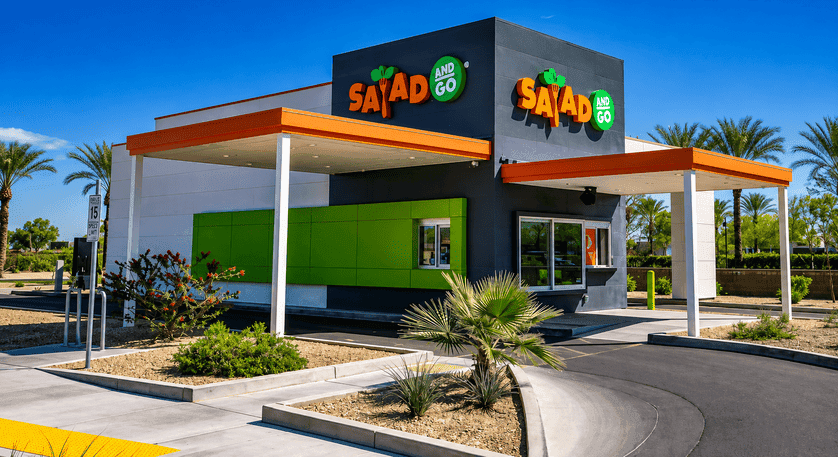
7 Brew’s Bold Expansion with Salad and Go
7 Brew has acquired 73 former Salad and Go locations, surpassing Dutch Bros with a $143M bid, signaling a major shift in the competitive landscape for drive-thru brands.
News
Sep 2, 2026
7 Brew has acquired 73 former Salad and Go locations, surpassing Dutch Bros with a $143M bid, signaling a major shift in the competitive landscape for drive-thru brands.
Sep 2, 2026
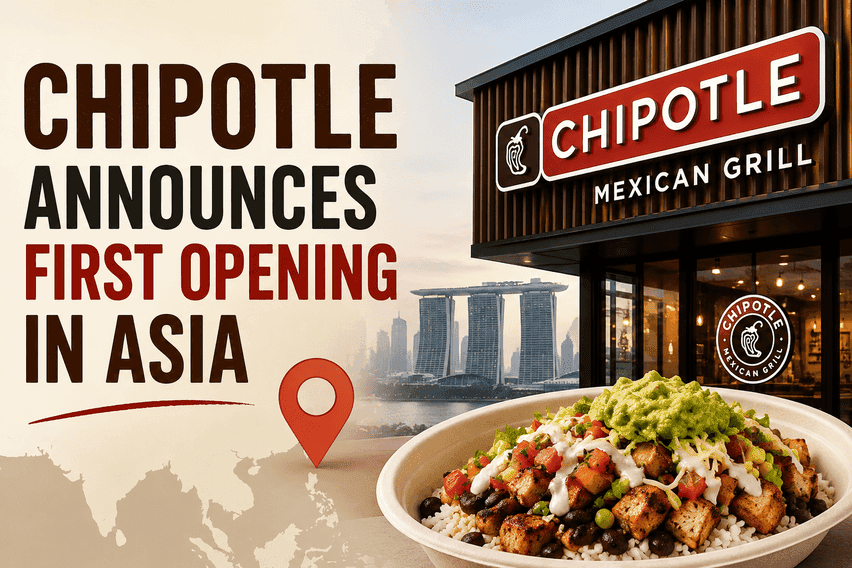
Chipotle makes its highly anticipated entry into Asia with a Seoul opening, partnering with Sangmidang Holdings and setting a template for future international growth.
Sep 2, 2026
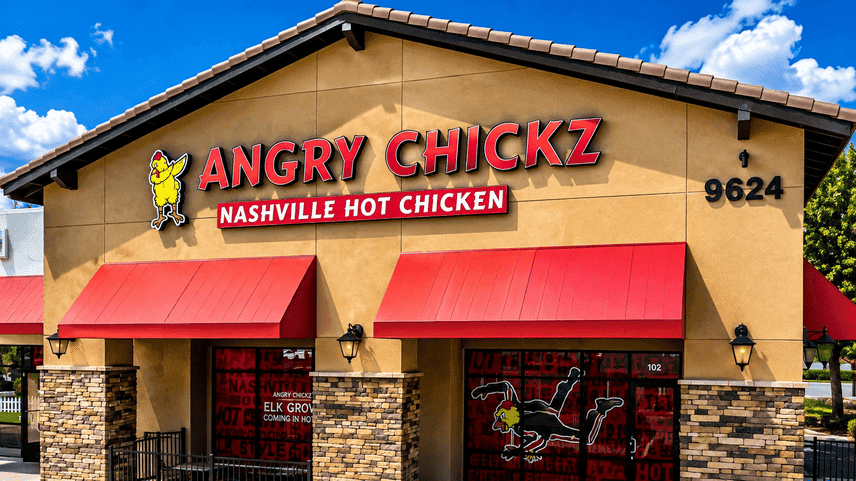
Angry Chickz enters Illinois with its signature hot chicken concept and ambitious plans for Midwest expansion, setting the stage for new franchise opportunities and community engagement.
Sep 2, 2026
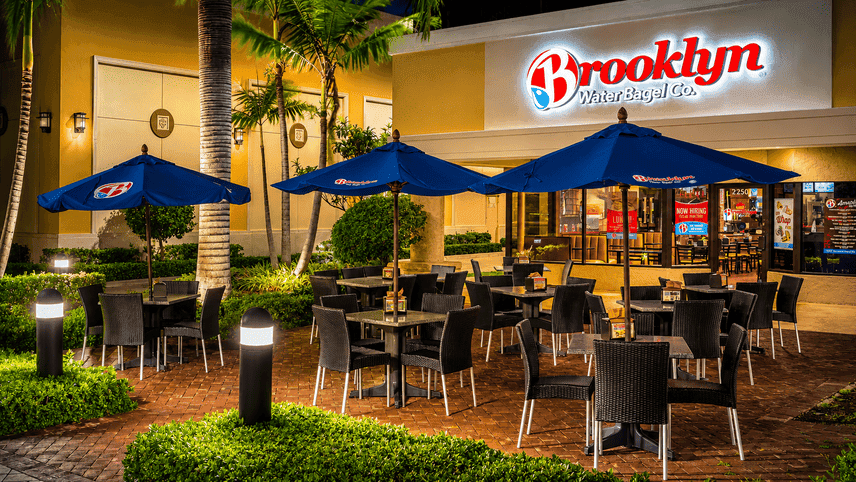
Brooklyn Water Bagel launches its first campus eatery at Nova Southeastern, signaling strategic growth and fresh potential for multi-unit operators seeking new market wins.
Sep 2, 2026

Restaurant labor management helps owners optimize staffing, control labor costs, improve productivity, monitor overtime, and maintain efficient restaurant operations.
Sep 2, 2026

Explore restaurant technology trends in 2026, including AI, automation, digital ordering, workforce tools, connected kitchens, personalization, and profitability strategies today.
Aug 28, 2026
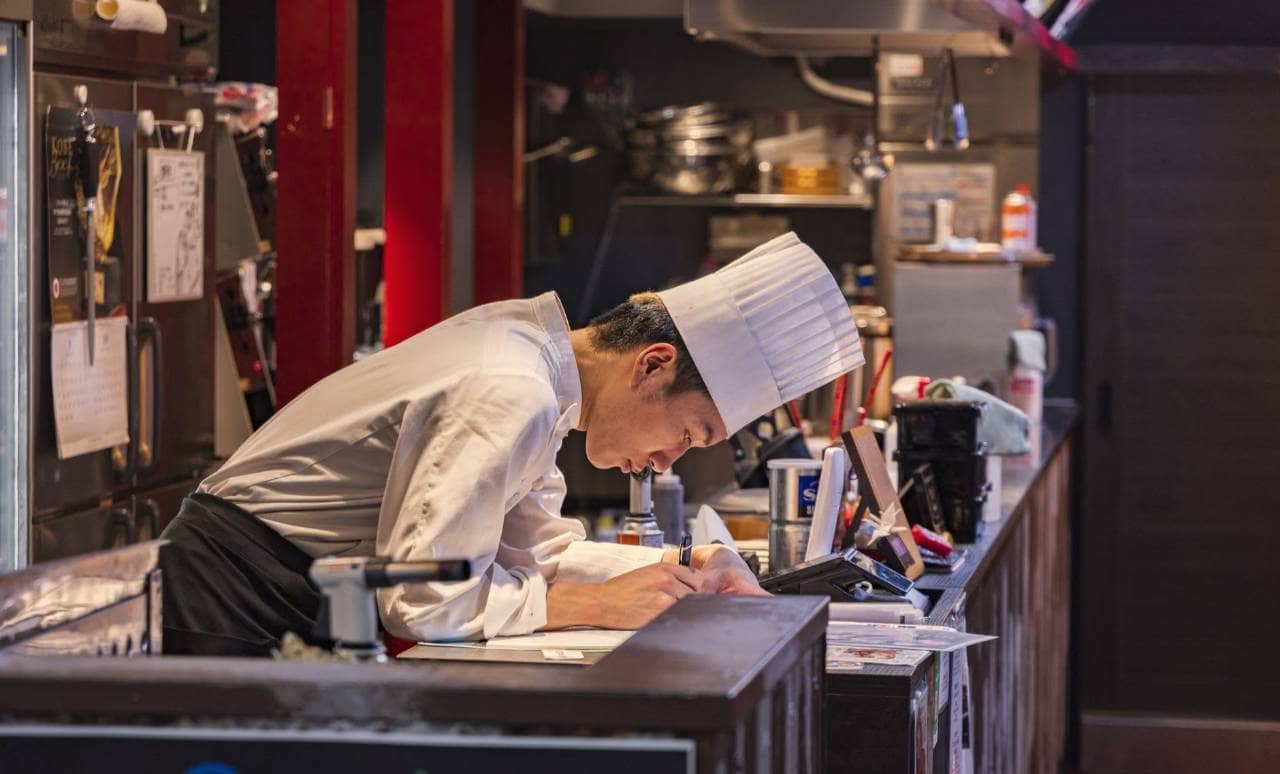
Learn how to calculate restaurant cost of goods using inventory, purchases, COGS percentage, variance reviews, and regular tracking for profitability.
Aug 31, 2026
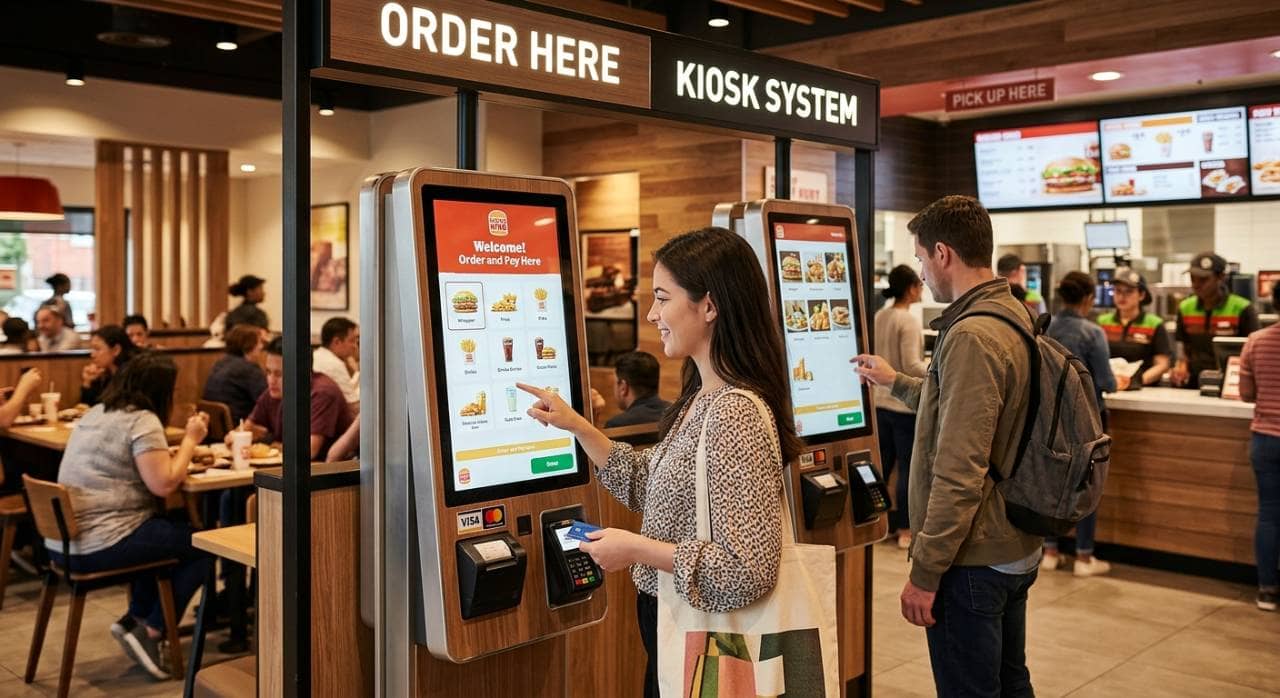
Understand how to evaluate a Kiosk system using key criteria including features, POS integration, hardware, pricing, customer experience, and support.
Aug 31, 2026

Learn the startup costs of opening an ice cream shop, including rent, equipment, renovations, permits, inventory, labor, marketing, and reserves.
Aug 28, 2026

A restaurant P&L statement reveals sales, expenses, and profits, helping owners manage costs, improve margins, and plan finances more effectively.
Aug 26, 2026

Unlock Exclusive Access To Webinars, Events, And The Latest News For Free!
Restaurant labor management helps owners optimize staffing, control labor costs, improve productivity, monitor overtime, and maintain efficient restaurant operations.
Restaurant labor management is the process of planning, scheduling, tracking, and optimizing employees to meet business needs while controlling labor costs. It goes beyond simply creating weekly schedules. Effective labor management connects staffing decisions with sales, customer demand, employee productivity, payroll, and operational requirements. For restaurant owners, the goal is to have the right number of employees, with the right skills, working at the right time. Too many employees during slow periods can increase labor costs unnecessarily, while too few employees during busy periods can lead to slower service, employee burnout, and a poor customer experience. Restaurant labor management typically includes several connected activities - 1. Labor forecasting - Estimating how many employees will be needed based on expected sales and customer demand. 2. Employee scheduling - Assigning employees to shifts based on workload, availability, roles, and skills. 3. Time and attendance tracking - Monitoring clock-ins, clock-outs, breaks, absences, and actual hours worked. 4. Labor cost management - Tracking wages, overtime, payroll expenses, and labor cost percentages. 5. Performance monitoring - Comparing scheduled labor with actual hours and measuring workforce productivity. 6. Compliance management - Helping ensure employee schedules and time records follow applicable labor regulations. These areas work together. For example, an accurate sales forecast can help determine staffing requirements, while accurate time tracking can show whether employees are working more hours than scheduled. That information can then be used to improve future schedules and control labor costs. Labor management also requires continuous monitoring rather than occasional adjustments. Restaurant demand can change by day, shift, season, weather, holidays, promotions, and other factors. Reviewing labor data regularly allows restaurant owners and managers to identify staffing problems early and make better workforce decisions.
Understanding restaurant labor costs is essential for managing profitability and making informed staffing decisions. Labor costs include more than employee wages. Depending on the restaurant, they can include hourly wages, salaries, overtime, payroll taxes, benefits, bonuses, and other employee-related expenses. One of the most useful measurements is the restaurant labor cost percentage, which shows how much of the restaurant's sales are being spent on labor. Labor Cost Percentage = Total Labor Costs / Total Sales x 100 For example, if a restaurant spends $25,000 on labor during a month and generates $100,000 in sales, its labor cost percentage is 25%. Tracking this percentage regularly helps identify whether staffing costs are increasing faster than sales. However, labor cost percentage should not be viewed in isolation. A restaurant may have a higher percentage during a slower period because staffing requirements cannot always decrease at the same rate as sales. Restaurant owners should also monitor actual labor hours compared with scheduled hours. Employees working beyond scheduled shifts can increase costs, particularly when additional hours result in overtime. Comparing scheduled and actual hours can reveal patterns such as frequent late clock-outs, excessive overtime, or unnecessary staffing during slower periods. Labor costs should be reviewed at multiple levels - 1. Daily - Identify immediate staffing or overtime issues. 2. Weekly - Compare labor spending with sales and scheduled hours. 3. Monthly - Evaluate broader labor trends and profitability. 4. By location or department - Identify differences between stores, shifts, or operational areas. Setting labor budgets based on expected sales can also make staffing decisions more consistent. When actual labor spending differs significantly from the budget, managers can investigate the cause and adjust future schedules. The objective is not simply to reduce labor costs. Cutting staff too aggressively can hurt service quality and employee productivity. Effective labor cost management focuses on using labor efficiently while maintaining the staffing levels needed to operate the restaurant successfully.

Accurate labor forecasting helps restaurants schedule enough employees to handle expected demand without unnecessarily increasing labor costs. Instead of relying on fixed staffing levels for every shift, labor needs should reflect how much business the restaurant expects to handle. The first step is to review historical sales and labor data. Look at sales by day, shift, and hour to identify recurring patterns. For example, a restaurant may consistently experience higher demand during Friday dinner service but require fewer employees on weekday afternoons. Several factors can affect labor requirements - 1. Historical sales - Previous sales patterns provide a starting point for estimating future demand. 2. Day of the week - Customer volume can vary significantly between weekdays and weekends. 3. Seasonality - Holidays, school schedules, tourism, and seasonal changes can influence traffic. 4. Promotions - Discounts, limited-time offers, and marketing campaigns can increase customer demand. 5. Local events - Concerts, sporting events, festivals, and conferences may create unexpected increases in traffic. 6. Weather - Outdoor dining, extreme temperatures, or severe weather can affect restaurant visits. 7. Reservations and orders - Advance bookings and online orders can provide additional demand signals. Once expected sales are estimated, managers can determine how many employees are needed for each shift. Staffing requirements should account for different positions, including servers, cooks, hosts, bartenders, cashiers, and other restaurant roles. Labor forecasts should also remain flexible. Actual demand may differ from expectations, so managers should monitor sales and staffing levels throughout the day and make adjustments when possible. Using data rather than fixed assumptions makes labor planning more precise. Over time, comparing forecasted sales, scheduled labor, actual sales, and actual labor hours can reveal where forecasts are consistently too high or too low.
An effective employee schedule puts the right number of people in the restaurant at the right times. A well-planned schedule helps control labor costs while ensuring enough staff are available to handle customer demand, food preparation, cleaning, and other operational tasks. Start by building schedules around forecasted business volume rather than assigning the same number of employees to every shift. Busy periods may require additional servers, kitchen staff, or cashiers, while slower periods may operate efficiently with a smaller team. When creating a restaurant schedule, consider - 1. Expected sales - Increase staffing when higher sales and customer volume are expected. 2. Employee availability - Schedule employees according to their documented availability and approved time-off requests. 3. Skills and roles - Make sure each shift has employees capable of performing the required responsibilities. 4. Peak periods - Add coverage before and during expected rushes rather than waiting until the restaurant becomes busy. 5. Staggered shifts - Use different start and end times to match staffing levels with changing demand. 6. Overtime risk - Review employee hours before finalizing the schedule to prevent unnecessary overtime. 7. Labor budgets - Keep scheduled hours aligned with the labor budget for each period. Scheduling should also account for the workload beyond customer-facing service. Opening duties, food preparation, closing tasks, cleaning, inventory activities, and administrative responsibilities may require additional labor at specific times. Managers should compare scheduled hours with actual hours worked after each shift or workweek. If employees regularly work longer than scheduled, the schedule may need to be adjusted. Similarly, consistently unused labor hours may indicate that staffing levels can be reduced during certain periods. A strong scheduling process is flexible. Changes in reservations, sales, weather, events, or employee availability can affect staffing requirements. Regularly reviewing schedules against actual operating conditions helps create more accurate schedules over time.
Accurate time and attendance tracking is a critical part of restaurant labor management. Knowing when employees actually start and finish work allows restaurant owners to compare scheduled hours with actual hours, identify attendance issues, and maintain more accurate payroll records. Manual timekeeping methods can make it difficult to identify discrepancies. Employees may clock in early, stay late, forget to record breaks, or work hours that differ from the published schedule. Even small differences can accumulate across a restaurant with many employees and shifts. Key information to monitor includes - 1. Clock-in and clock-out times - Compare actual working hours with scheduled shifts. 2. Breaks - Track required breaks and identify missed or improperly recorded breaks. 3. Late arrivals - Monitor patterns that affect shift coverage and productivity. 4. Early departures - Determine whether scheduled labor is being fully utilized. 5. Absences - Track no-shows and unplanned absences to identify recurring attendance issues. 6. Overtime - Monitor hours throughout the workweek to identify employees approaching overtime thresholds. 7. Schedule variances - Compare planned labor with actual labor to identify recurring differences. Restaurant managers should review time records regularly rather than waiting until payroll processing. Daily reviews can help catch errors while the information is still easy to verify. Weekly reviews can reveal broader patterns in attendance, overtime, and scheduling accuracy. Technology can make this process more efficient by automatically recording employee hours and providing reports on attendance and labor variances. Automated alerts can also help managers identify potential overtime or unusual timekeeping activity before it increases payroll costs. Accurate time tracking also supports better labor forecasting. Historical records show how many hours were actually required to operate during different sales periods. This information can then be used to create more accurate schedules and staffing plans. The objective is to maintain accurate employee records, reduce avoidable labor costs, and create a clearer connection between scheduled labor and actual labor.

Restaurant labor productivity measures how effectively employee hours are being used to support sales and daily operations. Improving productivity does not simply mean asking employees to work faster. It means organizing staffing, responsibilities, and workflows so labor hours produce the greatest operational value. One useful metric is sales per labor hour, which compares restaurant sales with the number of labor hours worked. Sales per Labor Hour = Total Sales / Total Labor Hours For example, if a restaurant generates $8,000 in sales during a period and employees work a combined 400 hours, sales per labor hour is $20. Restaurant owners can monitor this metric across different days, shifts, locations, and departments to identify patterns. A significant difference between comparable shifts may indicate an opportunity to improve scheduling or employee deployment. Several strategies can improve labor productivity - 1. Cross-train employees - Employees with multiple skills can provide coverage where demand is highest. 2. Match staffing to workload - Schedule employees based on expected demand instead of maintaining fixed staffing levels. 3. Assign clear responsibilities - Employees should understand their duties for each shift. 4. Monitor labor variances - Compare scheduled hours with actual hours to identify inefficiencies. 5. Optimize shift changes - Avoid unnecessary gaps or overlaps between employees. 6. Review productivity trends - Use historical data to identify consistently inefficient periods. Performance should also be evaluated alongside customer service and operational quality. Reducing employee hours may improve a labor metric in the short term but create longer wait times, errors, or excessive workloads. Restaurant managers should therefore consider several measurements together, including sales per labor hour, labor cost percentage, overtime hours, attendance, and schedule-to-actual variances. Regular performance reviews can help identify where staffing plans, workflows, or training need adjustment. Over time, these insights can make labor allocation more precise and help restaurant owners get better results from every labor hour while maintaining service standards.
Overtime can quickly increase restaurant labor costs, particularly when employees regularly work beyond their scheduled hours. Effective labor management requires monitoring employee hours throughout the workweek and addressing potential overtime before it becomes unnecessary expense. Several scheduling and timekeeping practices can help control overtime - 1. Review employee hours regularly - Check hours throughout the week rather than only at payroll processing. 2. Identify employees approaching overtime - Managers can adjust upcoming shifts when an employee is close to an overtime threshold. 3. Compare scheduled and actual hours - Frequent late clock-outs or early clock-ins may indicate scheduling problems. 4. Improve shift planning - Avoid unnecessary overlaps that cause employees to work more hours than required. 5. Manage shift changes - Require proper approval for employees who need to extend or swap shifts. 6. Monitor recurring overtime - Look for patterns by employee, position, location, or shift. Compliance is another important part of labor management. Restaurants need accurate records of hours worked, breaks, wages, and other employment information required under applicable labor regulations. Requirements can vary based on factors such as location, employee age, job type, and applicable federal, state, and local laws. Timekeeping systems can help maintain consistent records by capturing employee work hours and creating an auditable record of schedule and attendance activity. Managers can use these records to identify potential compliance issues and correct discrepancies promptly. Restaurant owners should also establish clear policies covering clock-ins, clock-outs, breaks, overtime approval, schedule changes, and timekeeping corrections. Employees and managers should understand how these policies work and who is responsible for approving exceptions.
Labor management technology can bring scheduling, time tracking, forecasting, and labor reporting into a more organized process. Instead of relying on separate spreadsheets, paper records, or manual calculations, restaurant owners can use centralized labor data to make staffing decisions more efficiently. A labor management system can support several important activities - 1. Employee scheduling - Build schedules based on expected demand, employee availability, roles, and labor budgets. 2. Time and attendance - Record clock-ins, clock-outs, breaks, and actual hours worked. 3. Labor forecasting - Use historical sales and labor data to estimate future staffing requirements. 4. Overtime monitoring - Identify employees approaching overtime thresholds. 5. Labor reporting - Compare scheduled hours, actual hours, sales, and labor costs. 6. Performance analysis - Evaluate productivity across shifts, departments, and locations. The value of technology depends on how effectively the information is used. Restaurant owners should establish a set of key labor management metrics and review them consistently. Useful metrics can include labor cost percentage, total labor hours, sales per labor hour, overtime hours, scheduled versus actual hours, and employee attendance. Daily monitoring can help managers respond to immediate staffing issues. Weekly reviews can reveal scheduling and overtime patterns, while monthly analysis can provide a broader view of labor efficiency and operating costs. For restaurants with multiple locations, centralized reporting can make it easier to compare labor performance across stores and identify differences in staffing requirements or productivity. A consistent review process creates a continuous labor management cycle - forecast demand, build the schedule, track actual labor, measure results, identify variances, and improve the next schedule. This approach helps restaurant owners control labor costs while maintaining appropriate staffing levels and efficient operations.
