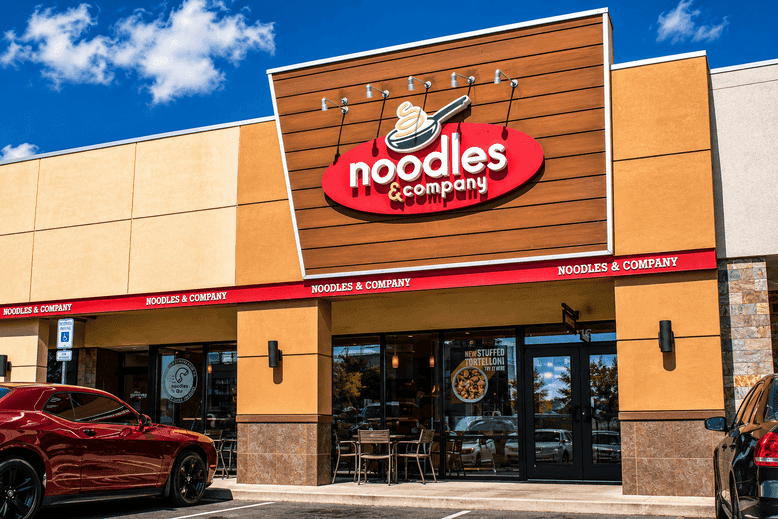
Noodles & Company Surges with Record Sales
Noodles & Company achieves historic sales growth and operational turnaround in 2026, sharing critical lessons for restaurant owners on boosting traffic, innovation, and team culture.
news
Jul 27, 2026
Noodles & Company achieves historic sales growth and operational turnaround in 2026, sharing critical lessons for restaurant owners on boosting traffic, innovation, and team culture.
Jul 27, 2026
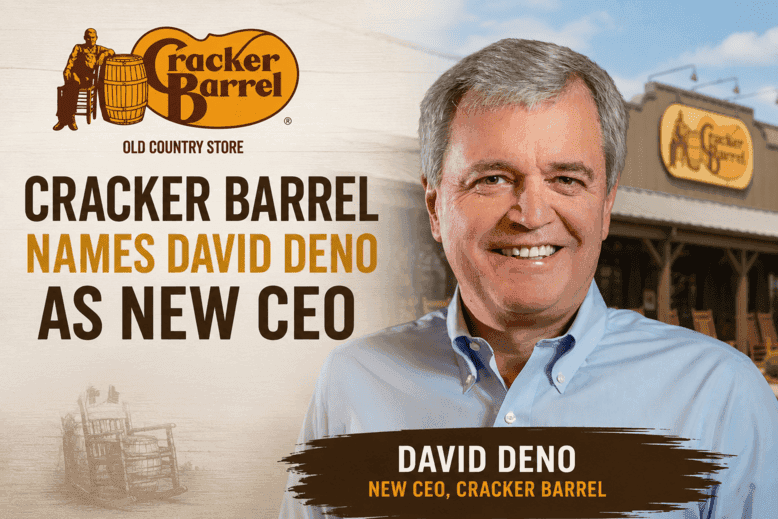
Veteran restaurant executive David Deno assumes the helm at Cracker Barrel, signaling a pivotal moment for the brand’s revitalization. Learn what this means for operators, staff, and industry leaders.
Jul 27, 2026
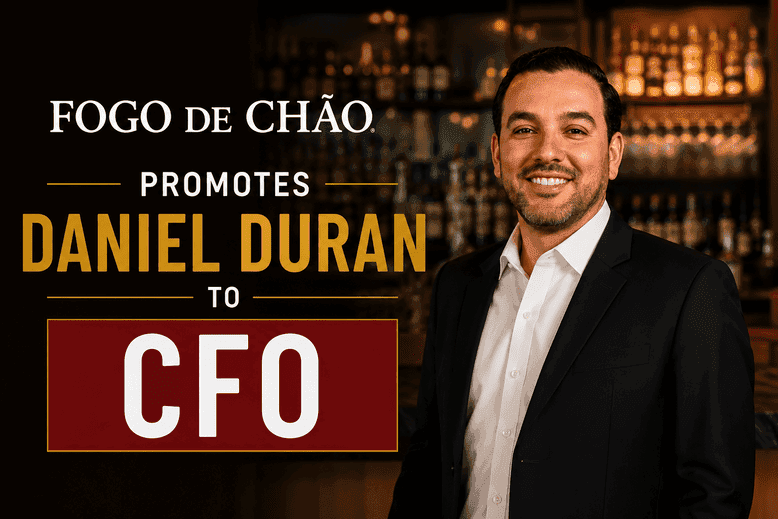
Fogo de Chão has announced Daniel Duran as its new CFO, marking a strategic leadership transition designed to enhance global growth and financial innovation for the renowned restaurant brand.
Jul 24, 2026

Discover how restaurant apps help owners manage labor, payroll, inventory, food safety, reporting, and back-office operations more efficiently every day.
Jul 24, 2026

Learn how to calculate, benchmark, track, and improve restaurant payroll percentage while balancing staffing costs, sales, service, and profitability effectively.
Jul 24, 2026

Stay compliant with key restaurant labor regulations in Summer 2026, including minimum wage increases, scheduling laws, and retirement requirements.
Jul 24, 2026
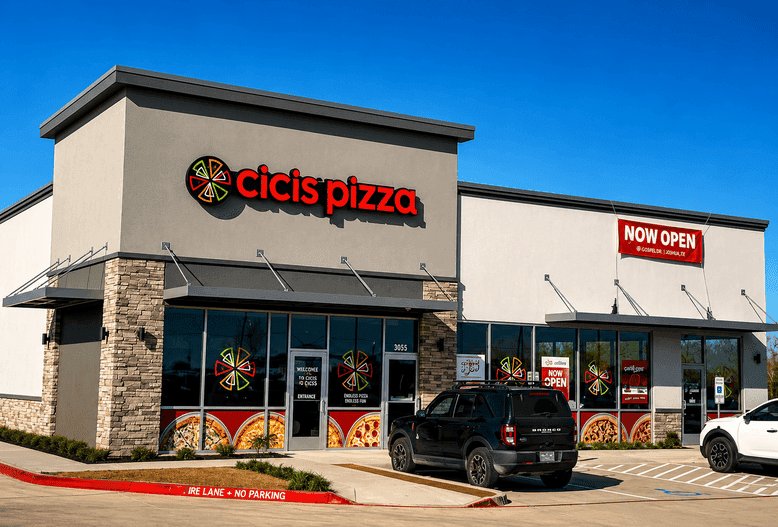
Cicis Pizza’s systemwide sales have surged over 50%, fueled by digital innovation, modern operations, and a revamped franchise strategy. Learn what restaurant owners can take away from Cicis’ transformation.
Jul 24, 2026
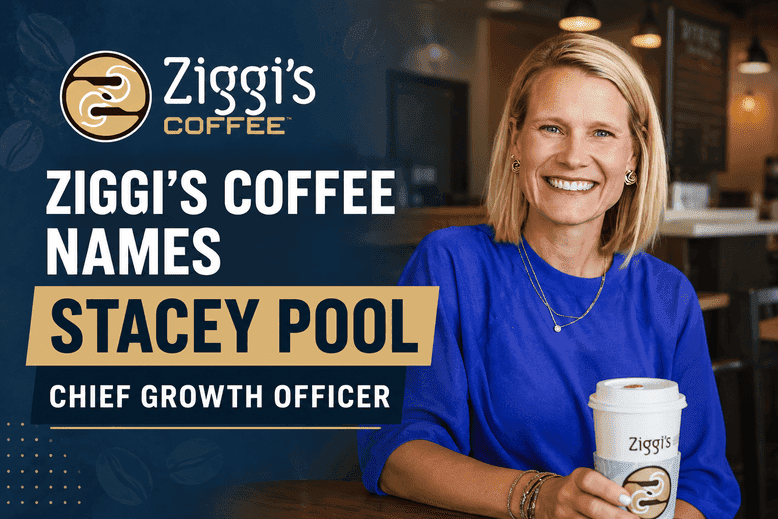
Ziggi’s Coffee welcomes Stacey Pool as Chief Growth Officer to spearhead national expansion and enhance franchise profitability as the brand celebrates a decade of franchising success.
Jul 23, 2026
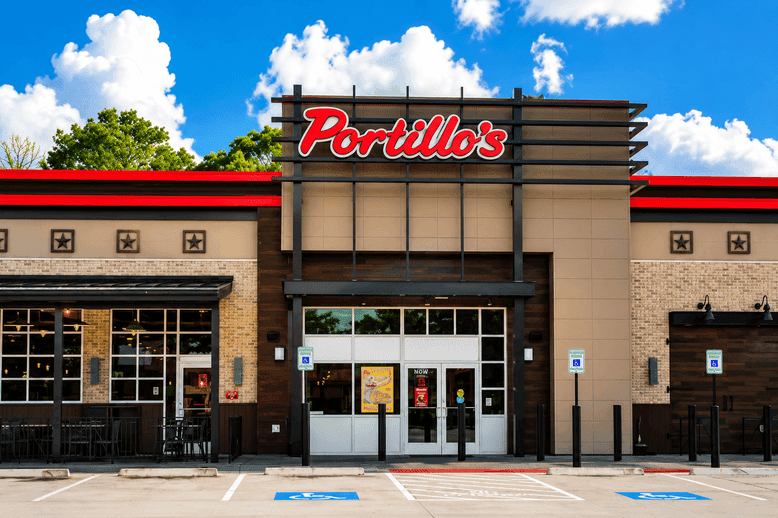
Portillo’s welcomes industry veteran Christopher Hansen as Executive Chef and Senior Director of Culinary Innovation to steer menu strategy and fuel national growth.
Jul 23, 2026
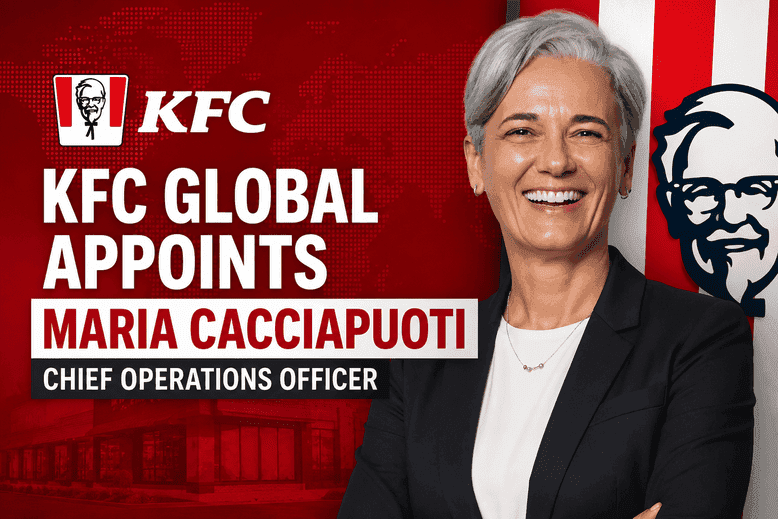
KFC Global has selected experienced leader Maria Cacciapuoti as its new Chief Operations Officer. Discover how her extensive expertise will help shape KFC’s global operations and franchise partnerships.
Jul 23, 2026
TREW Capital leads Rubio’s restructuring, narrowing its Western footprint amid Nevada questions and lease renegotiations.

Photo by We The Creators
Rubio’s Coastal Grill faced a crossroads as the summer of 2024 arrived. A Chapter 11 filing pushed the brand into a legal spotlight, and the path forward would hinge on more than quick fixes. In stepped TREW Capital Management, led by Jeff Crivello, a figure famed for transforming distressed debt into strategic equity. This entry was not merely a debt swap; it was a deliberate, value-focused reset designed to protect Rubio’s Coastal Grill's core identity, seafood-forward, West Coast casual, while trimming costs and stabilizing cash flow. The filing tallies highlighted a debt picture of $72 million plus, setting the stage for a careful, market-minded rescue. What does this shift mean for Rubio’s future?
From a market vantage, the early signals of TREW Capital Management's entry pointed to a carefully staged recalibration. The process was publicly framed around a West Coast focus, California and Arizona, while a separate track would govern Nevada. Public filings and coverage described two paths: one bid for Rubio’s core California and Arizona footprint, and a separate bid for the Nevada unit, signaling a modular approach to value realization. In the end, a $40 million uncontested bid emerged as the vehicle for TREW Capital Management to take control of Rubio’s assets, with a sale hearing projected for August. It’s a playbook Crivello has used before: convert debt into equity and reconfigure the portfolio for sustainable growth.

Rubio’s reported a mixed trajectory through 2023 and into 2024. Year-to-date sales reached $51 million as of March 31, 2024, while the 2023 annual tally stood at $218 million, barely higher than 2022’s $217 million. Yet losses widened, from nearly $16 million in 2022 to about $20 million in 2023, and continued with a first-quarter 2024 loss of $7.9 million. The numbers underscored the need to rebalance the portfolio, press for lease concessions, and narrow the footprint toward stable markets. In late 2023, Rubio’s teamed with Hilco Real Estate to press for relief on rents, a prelude to a broader plan to concentrate on its western core.
That strategy bore fruit in May when the company shuttered dozens of underperforming stores, a bold move framed as necessary to place the brand on a steadier path. Public reporting noted the closure of 53 locations, a dramatic reduction that sharpened focus on Southern California and Arizona. The lease renegotiations and market consolidation were not about retreat but about recalibrating Rubio’s to a new, enduring rhythm, one where a smaller footprint could deliver a more predictable, nourishing experience for guests and a healthier operating model for the business.

June 2024 brought the formalities that every turnaround requires. First-day motions laid out a repositioning plan and signaled a sharpened focus on Rubio’s core Western footprint, with California and Arizona comprising the bulk of remaining stores, while the Nevada portfolio stood apart for separate consideration. Hilco Real Estate was engaged to renegotiate leases as part of a broader consolidation, with store closures and cost-cutting designed to stabilize cash flow. The net effect, in filings and press coverage, was a leaner footprint designed to survive the market’s new realities under new ownership.
Public reporting indicated that the sale would unfold through a lender-led process, with the TREW Capital Management bid power driving the outcome. The plan called for a more sustainable footprint anchored in the West, even as the fate of the Nevada stores lingered. Lease negotiations and store rationalizations were framed as essential to stabilizing near-term cash flow, creating a more predictable operating environment for a potential buyer and a future operator. In that sense, Rubio’s was not simply shaving costs; it was rewriting the source code of the business to align with market realities and a leaner, more resilient cost structure.
Nevada’s role in Rubio’s turnaround presented a wrinkle in timing and scope. MRRC disclosed that a separate bid for the Nevada operations had arrived, but it would not be addressed at the next sale hearing. The Nevada piece included eight Rubio’s outlets within the 86-unit West Coast portfolio, with some reporting a bid covering as many as nine outlets. The split raised questions about regional strategy and how the board would balance the needs of Nevada with the core markets. The unresolved Nevada outcome became a barometer of the deal’s ultimate footprint and a reminder that not all assets move in lockstep.
While California and Arizona press toward approval, the Nevada component remained in limbo, watched closely by lenders and franchise partners. The separation reflected a broader approach to risk and opportunity: allow a controlled sale of the most core assets while retaining potential flexibility for underperforming, non-core sites. The overall objective, as described in filings, was to deliver a clean, saleable business with a sustainable cost base, an outcome aligned with TREW’s track record of converting distressed debt into equity and shepherding a brand back to growth in a leaner form.

People close to Rubio’s described the moment as a disciplined pivot rather than a retreat. Chief restructuring officer Nicholas Rubin spoke to press and court filings about stabilizing cash flow, sharpening focus on core markets, and laying a foundation for long-term recovery. The statements underscored a careful balance: preserve Rubio’s heritage while redefining the Western portfolio in a cost-conscious environment that has grown more challenging for California. The leadership framing, calm, methodical, and brand-conscious, reflected a shared intent to honor the guest experience while ensuring the business could endure the period of transition.
The broader question, for landlords, vendors, and employees, centers on how the evolved footprint will look in practice. Will the remaining California and Arizona stores be enough to maintain Rubio’s cultural DNA and growth momentum? The answer, for now, lies in lease concessions, a tightened cost structure, and a clear path to sustainable profitability. The emphasis remains on mindful dining and a balanced supply chain that honors the brand’s coastal origins while adapting to a tougher macro environment. In this period of negotiation and realignment, the brand’s spirit, nourishing, thoughtful, and rooted in Western markets, appears to be at the center of the narrative.

TreW’s involvement with Rubio’s sits within a broader pattern of capital-light turnarounds in the restaurant space. Jeff Crivello’s leadership at TREW has been associated with shepherding distressed brands through restructurings and even transformations into multi-brand platforms, as seen in his prior role at BBQ Holdings and Famous Dave’s, and later involvement around MTY Holdings’ acquisition activity. This backdrop mirrors similar paths in the industry where lenders convert debt into equity stakes to stabilize operations and preserve brand value, often accompanied by aggressive store rationalizations and lease negotiations. Coverage of Rubio’s aligns with this evolving playbook, including public reporting on the debt acquisition, bankruptcy filings, and the private-equity-led sale.
The broader implication for Rubio’s is a potential reconfigured footprint and a leadership-driven strategy aimed at returning the nearly four-decade-old brand to sustained growth, even as the West Coast core markets bear the weight of consolidation. The arc, from distress to a leaner, market-aligned structure, reflects a cautious, nourishing approach to turning around a regionally beloved concept without sacrificing the coastal identity that has long defined Rubio’s.