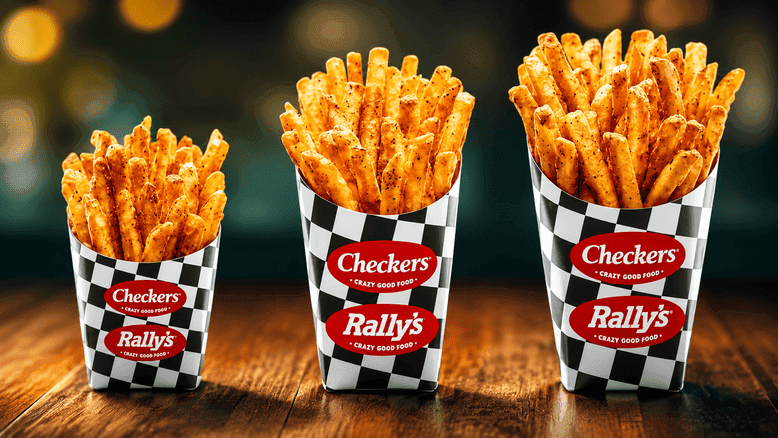
New CDO to Drive Checkers & Rally’s Growth
Checkers & Rally’s welcomes Peter Busse as Chief Development Officer, signaling a new era of strategic expansion and franchise support for the quick-service brand.
News
Aug 4, 2026
Checkers & Rally’s welcomes Peter Busse as Chief Development Officer, signaling a new era of strategic expansion and franchise support for the quick-service brand.
Aug 4, 2026
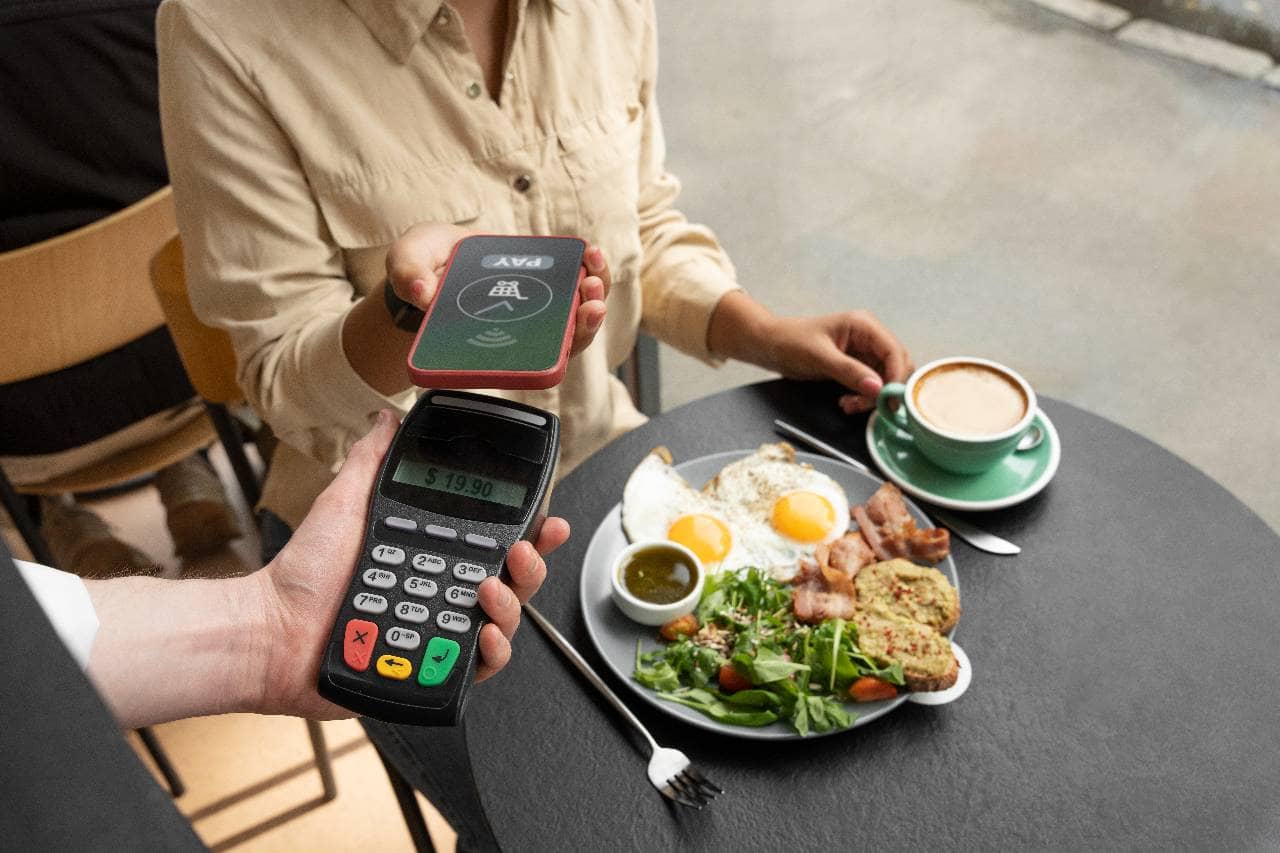
Explore restaurant payment processing and learn how payments are authorized, settled, secured, reconciled, refunded, disputed, and deposited into business accounts.
Aug 3, 2026
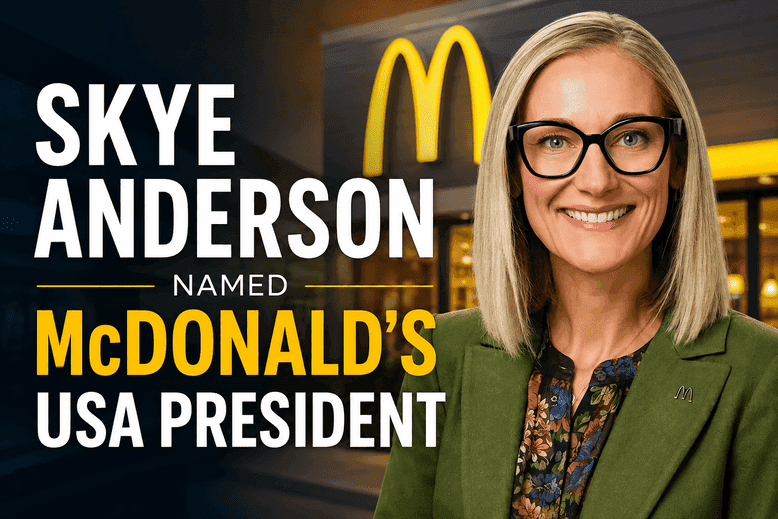
Skye Anderson will lead McDonald's USA as its new president, stepping in to accelerate growth and revive sales. Learn how her leadership could shape the future of the restaurant industry.
Aug 4, 2026
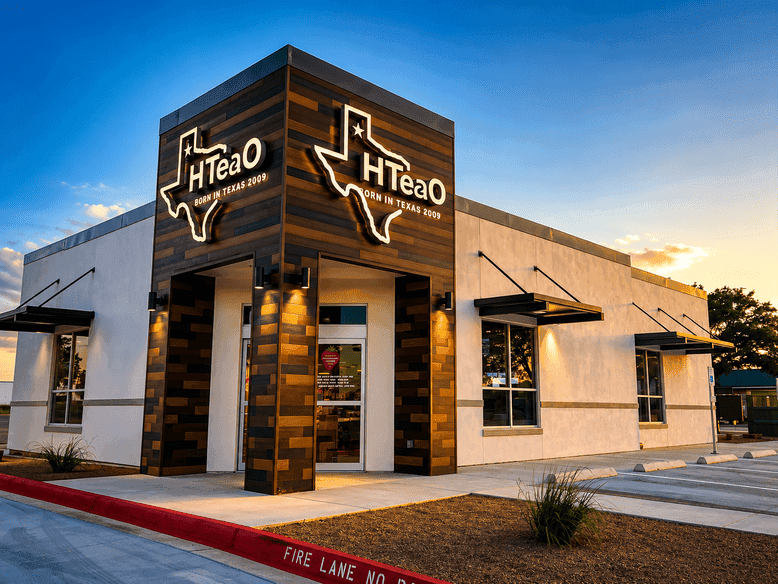
Fast-growing chain HTeaO names franchise veteran Brian Wise as CEO, fueling the brand’s ambitious growth plans and franchisee-first strategy.
Aug 4, 2026
Dave & Buster’s announces Tarun Lal’s retirement as CEO, welcoming Darin Harper to the helm as the brand continues its Back-to-Basics strategy and growth initiatives.
Aug 4, 2026

Restaurant owners can use this guide to evaluate employee benefits, estimate expenses, define eligibility, manage enrollment, and strengthen staff retention.
Aug 3, 2026
Krispy Kreme announces two key internal promotions, naming Suk Nicholas as Chief Commercial Officer and Lori Suess as Chief People Officer. These appointments signal a continued commitment to innovative growth and people-first strategy.
Aug 3, 2026
Domino's launches a bold campaign offering $5 off digital orders in exchange for customer feedback on its revamped app and website - signaling a new era of guest engagement for restaurant operators.
Aug 3, 2026
Discover ten essential technology tools that help restaurant owners streamline operations, control costs, improve accuracy, and support better daily decisions.
Jul 31, 2026
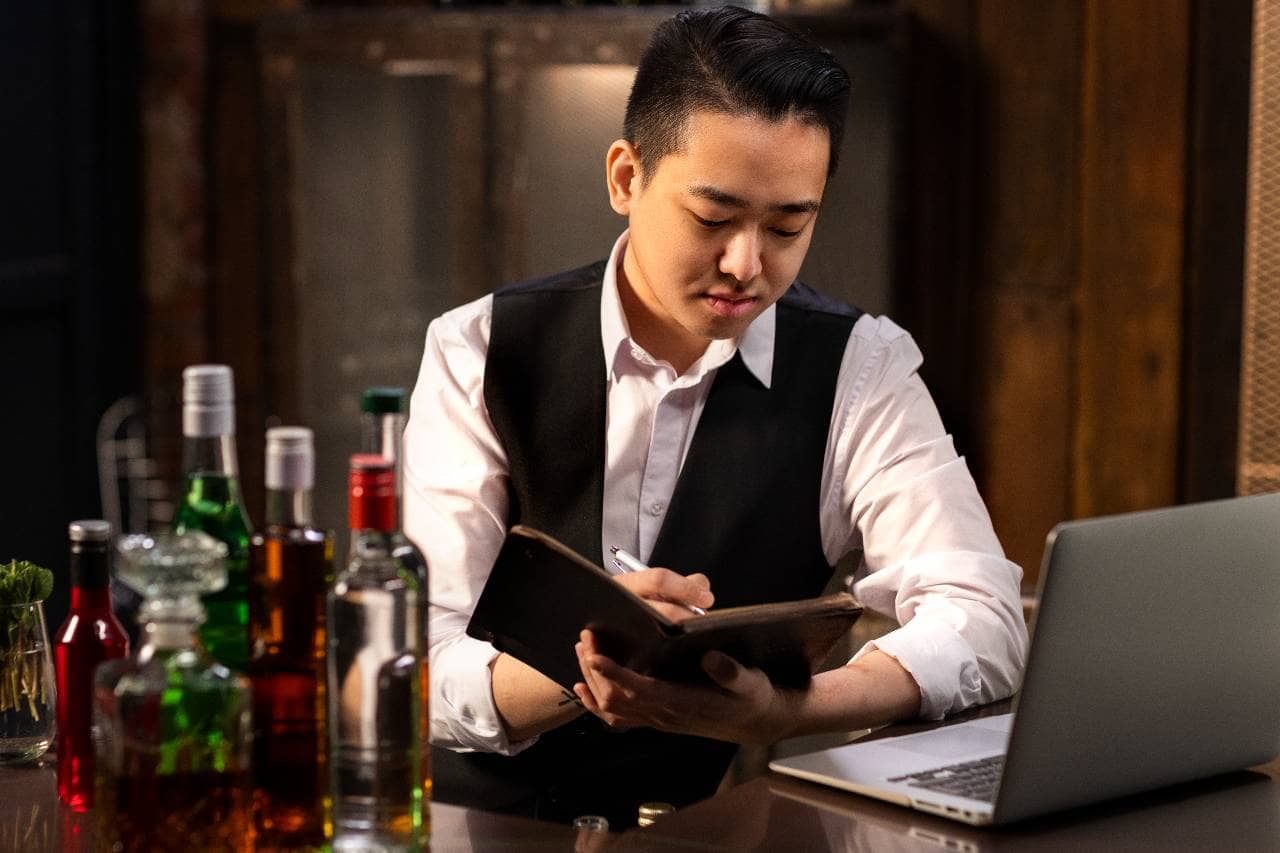
This guide explains restaurant accounting, covering revenue, expenses, payroll, inventory, taxes, financial statements, cash flow, and strategies for improving profitability.
Jul 31, 2026
Discover the shift towards nonalcoholic beverages in restaurants, how it maximizes profits, and aligns with consumer behavior. Learn about the growth opportunities and strategies to implement successful nonalcoholic beverage programs.
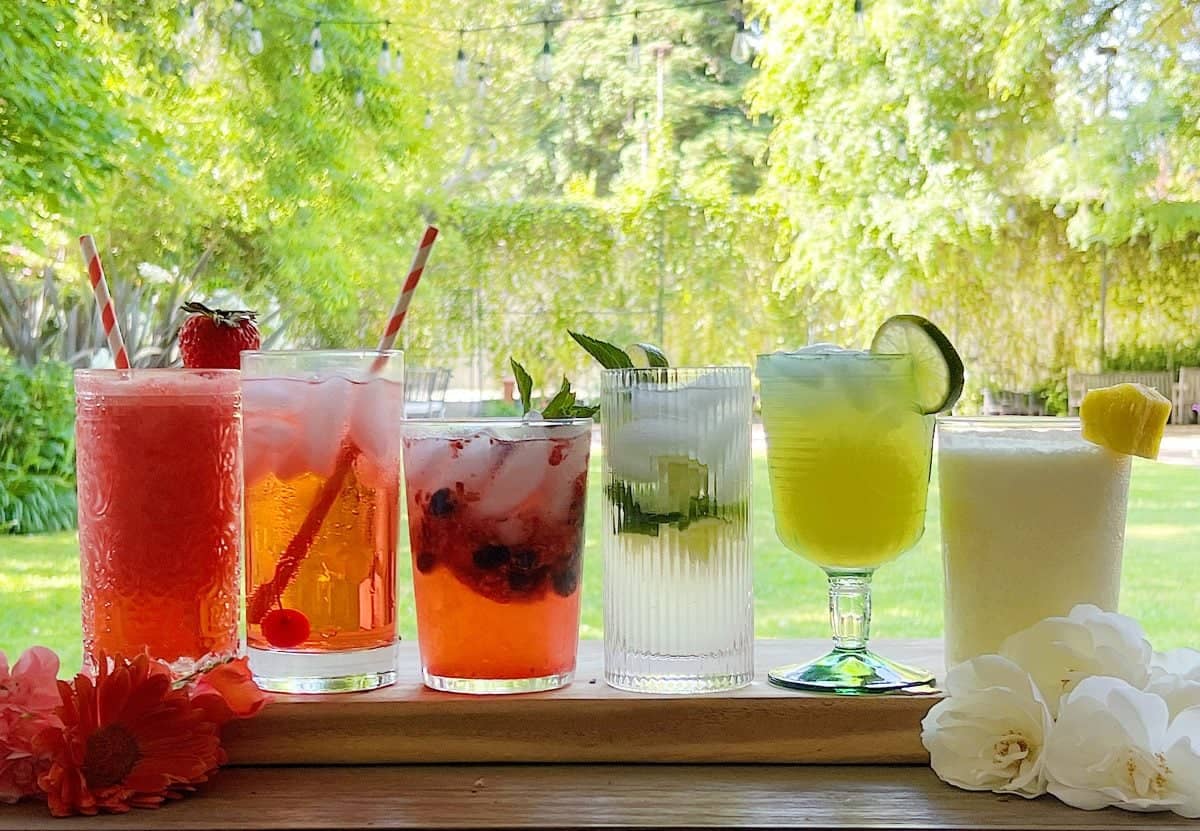
The restaurant industry is experiencing a significant shift towards nonalcoholic beverages, with sales soaring by 30% in 2024. This trend signifies more than just a passing fad; it represents a fundamental change in how restaurants and bars can boost their profits. According to TouchBistro’s 2025 State of Restaurants Report, 40% of eateries are planning to expand their nonalcoholic drink offerings, indicating a sustained movement in the industry.
Nonalcoholic beverages offer a unique opportunity for operators to maximize profits by aligning with evolving consumer behavior. Beverages already drive a significant portion of gross profit dollars due to their cost-effectiveness and ease of preparation. Crafting premium nonalcoholic options, like mocktails and artisanal sodas, not only meets the demand for quality but often surpasses the profit margins of traditional alcoholic drinks.
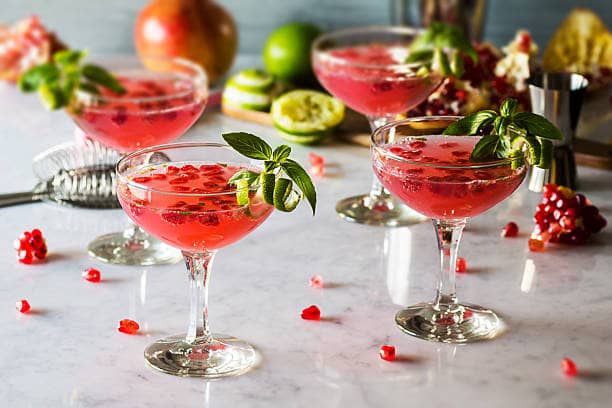
Gen Z's preference for nonalcoholic beverages is reshaping the hospitality landscape. This generation is drinking less alcohol and seeking experiences that reflect their values of wellness, inclusivity, and creativity. Nonalcoholic options are becoming primary choices rather than mere alternatives, and Gen Z is willing to pay a premium for these offerings. Furthermore, expanded nonalcoholic menus attract diverse audiences, driving higher revenue, longer table times, increased spending per party, and enhanced customer loyalty.
Implementing a nonalcoholic beverage program requires careful planning to overcome common hurdles. Automation tools such as intelligent drink dispensers can streamline operations, ensuring consistency, speed, and profitability. By strategically launching a nonalcoholic beverage program with a focused approach, operators can witness immediate results and capitalize on this growing trend to drive revenue and customer satisfaction.
Industry insights reveal that nonalcoholic beverages offer favorable profit margins comparable to alcoholic drinks. Despite similar production costs, customers are willing to pay premium prices, leading to substantial revenue for bars and restaurants. Investing in a robust nonalcoholic program not only boosts revenue but also improves customer satisfaction and loyalty, positioning operators for sustained success in a competitive market.