
How to Build a Strong Restaurant Brand
A strong restaurant brand comes from clear values, consistent experiences, visual identity, customer focus, digital presence, and trusted service.
marketing ideas
May 5, 2026
A strong restaurant brand comes from clear values, consistent experiences, visual identity, customer focus, digital presence, and trusted service.
May 5, 2026
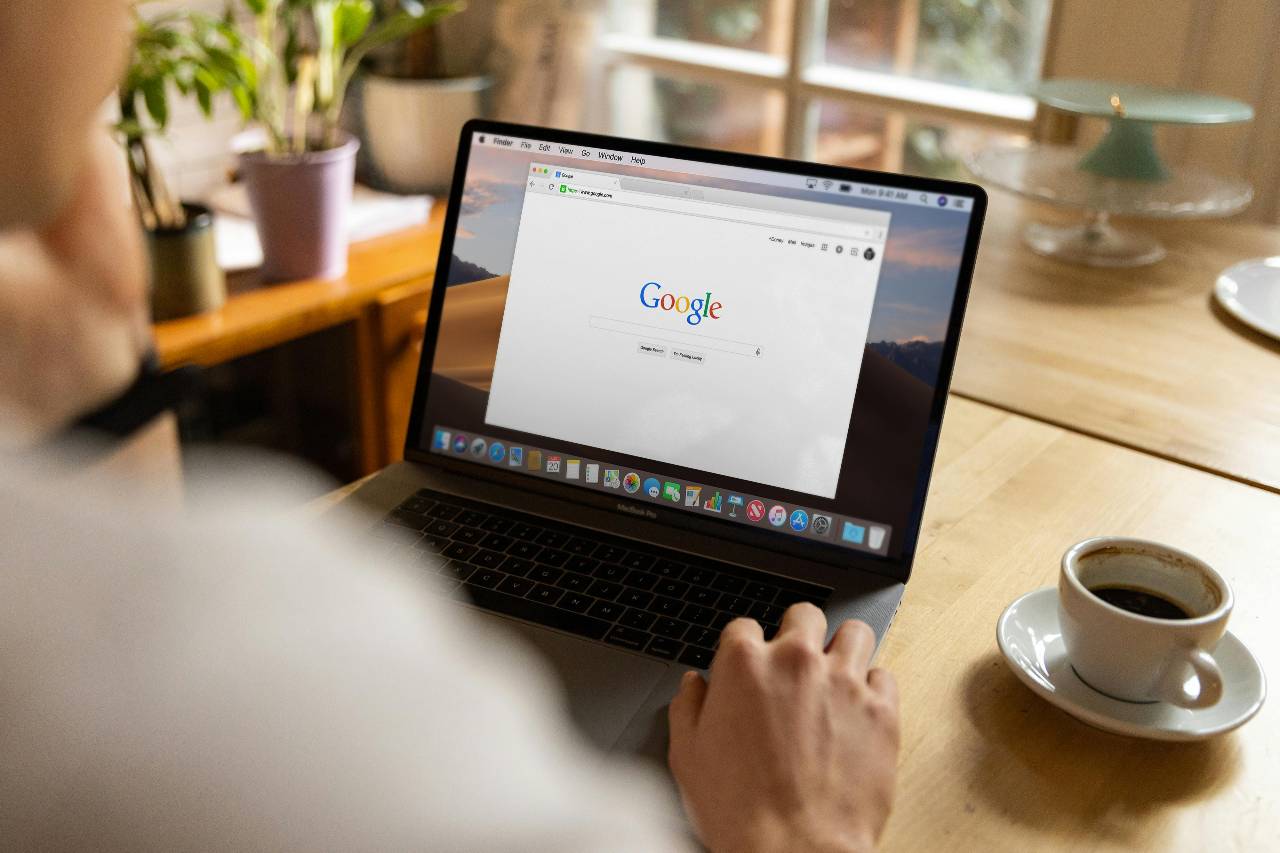
Optimize your restaurant google business profile with accurate details, posts, Q&A, attributes, reviews, and tracking to increase visibility and orders.
May 6, 2026

Clopen shifts may seem efficient, but they reduce rest, increase fatigue, and harm employee performance. Learn how back-to-back shifts impact morale, productivity, and retention and how better scheduling can improve team well-being and business outcomes.
May 6, 2026
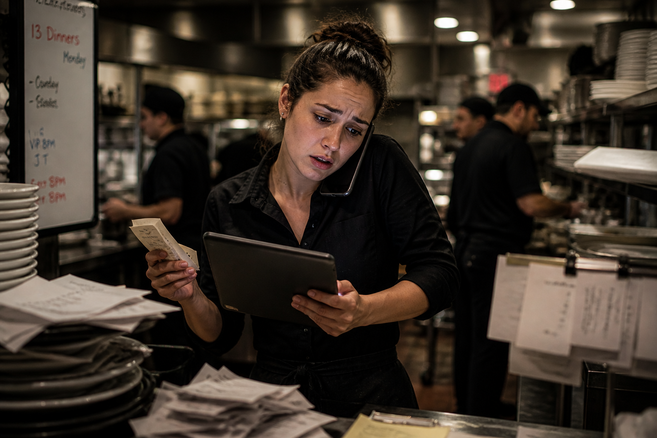
Overloading top employees may boost short-term results but leads to burnout and turnover. Learn warning signs, business impact, and how to balance workloads effectively.
May 5, 2026
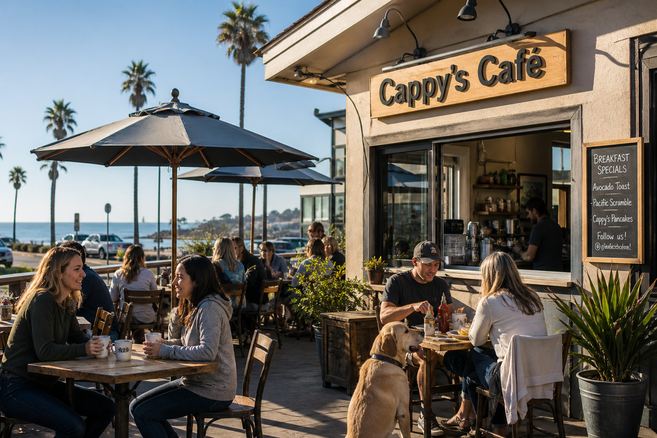
Discover operational insights, business strategies, and customer experiences drawn from Cappys Cafe in Newport Beach. Learn how this iconic breakfast and lunch spot thrives through community connection, technology, and unique hospitality.
May 5, 2026

Struggling with employee retention? Learn how unpredictable scheduling drives turnover and what you can do to create a more stable workforce.
May 4, 2026
Photo by on Unsplash
GoTo Foods blends seven iconic brands to push snacking as a growth engine, expanding dayparts, off-premise channels, and co-branding.
May 3, 2026
Mark Graff steps in as CFO to anchor Red Robin's First Choice turnaround with disciplined financial leadership.
May 3, 2026

Photo by Graphe Tween on Unsplash
Doinita Leahu redefines hospitality leadership with practical training, mentorship, and people-first systems guiding Vicious Biscuit’s growth.
May 3, 2026
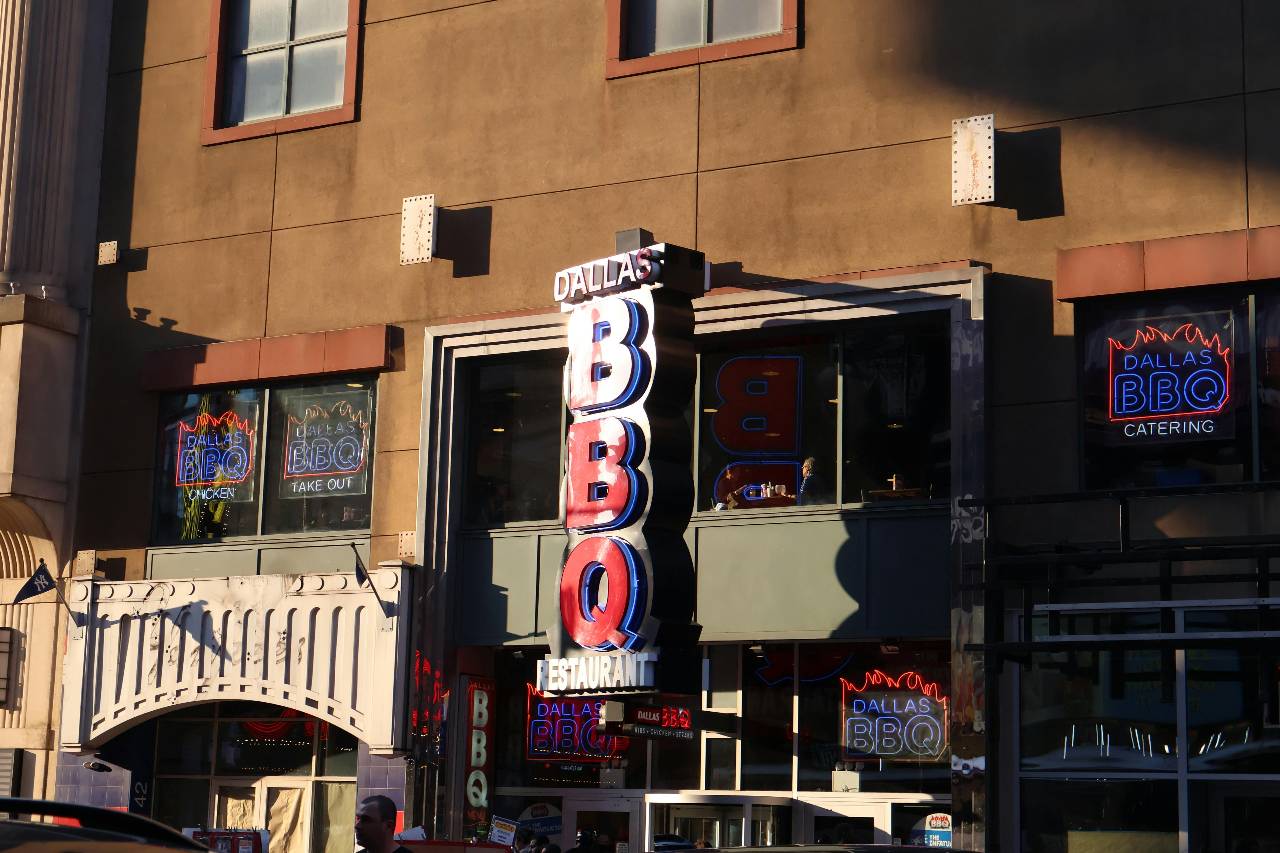
Explore high-traffic Texas markets where restaurants can succeed by matching concepts, customer behavior, visibility, and daily demand.
Apr 30, 2026
Work time is very valuable. Employee time theft occurs when workers steal time, money, or information. Here is an overview of employee time theft and how to prevent it with a tracking system and preventative measures.

Employee theft refers to any stealing or misuse of an employer's property for personal use and without authorization. The property encompasses work-related valuables other than just money, including-

Though it may be timely and costly to protect valuable assets, there are several reasons why it's important for a small business to do so. Here are some eye-opening statistics to consider-
Make sure to perform background checks and drug tests for all new hires before they begin working. Those who struggle with addiction are statistically more likely to steal to feed their habit.
Obviously, some circumstances warrant giving a person a second chance. A potential new hire with a misdemeanor from 20 years ago is different than an individual with a long pattern of criminal behavior.
The point is to be cautious and practice good judgment. Don't hire someone that has a higher chance of financially harming the organization.
It's more likely that theft will occur if one employee is left alone in the shop for long periods. Implement a buddy system for the opening and closing shifts to create accountability and decrease temptation.
Ensure all refunds or voided sales are witnessed by another worker or management. Avoid pairing close friends together for the opening/closing shift, or to observe the other's transaction(s).
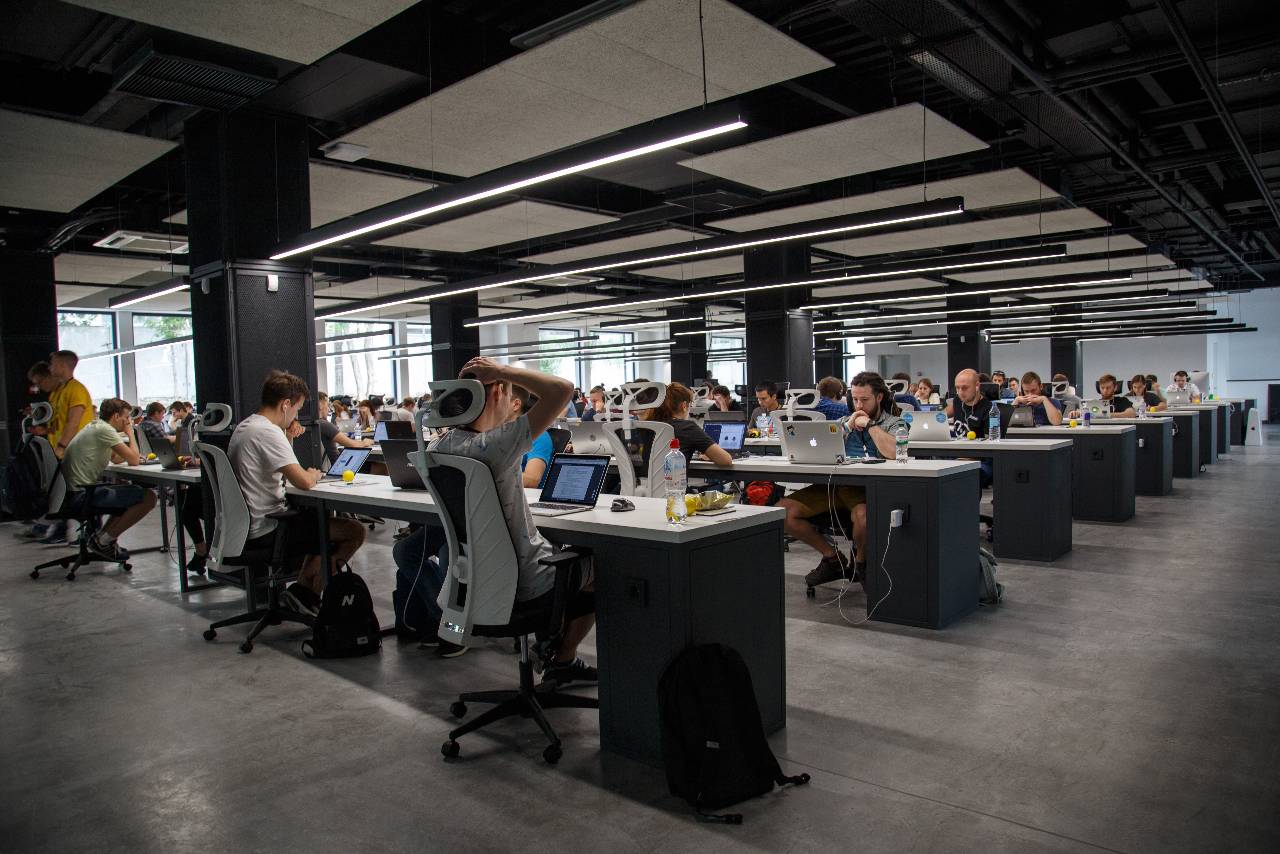
A surveillance system is one of the most effective ways to prevent theft before it happens and hold thieves accountable.
Place a camera in a section(s) of the store that captures all essential work activities. Remember to also put a surveillance system in the storage room, stock loading areas, and point of sale station(s).
Use a high-definition video or a camera that integrates with facial recognition technology. This can authenticate a worker's identity from a far distance or at an unusual angle.
Many employees hide stolen merchandise in the trash area and retrieve it after their shift is complete. Because few want to go near the dumpster, many thieves think this is the most clever place to hide stolen merchandise.
Only allow employees to carry the trash out at certain times of their shift. Implement the buddy system or use a manager to watch those who take out the trash. Finally, reduce opportunities by utilizing see-through garbage bags and locking dumpsters.
Implement a policy in an employee handbook to report suspicious behavior through text, email address, or phone. It is much less likely that employees will steal if they know that others will report them.
Use a reward system for those who report legitimate criminal activity. Offer a Starbucks gift card, a bonus, or some other type of incentive.

It's harder to steal when an employee knows his/her employer. There is less accountability when management isn't familiar with their workers' habits, schedules, or personalities.
Talk to workers and make sure to know all of their names. This will not only prevent stealing, it will improve morale and help employees feel valued in the workplace. Happier employees tend to be more loyal and less likely to steal.
Here's what to remember about employee theft-