
Pei Wei Wins Best Fast-Casual Chain Award
Pei Wei Asian Kitchen named Best Fast-Casual Chain in Reviewed 2026 Awards, reflecting shift from price competition to quality and transparency.
News
Sep 11, 2026
Pei Wei Asian Kitchen named Best Fast-Casual Chain in Reviewed 2026 Awards, reflecting shift from price competition to quality and transparency.
Sep 11, 2026

O'Charley's shuttered all corporate restaurants nationwide on September 9, 2026, ending its 55-year legacy as a casual-dining regional powerhouse.
Sep 11, 2026
Authentic Restaurant Brands lands $325M investment from Trimontium to fuel disciplined regional expansion across five established restaurant concepts.
Sep 11, 2026

Walmart expands restaurant delivery beyond Subway and Dunkin', taking on DoorDash, Uber Eats, and Grubhub with Papa Johns nationwide rollout.
Sep 11, 2026

Complete NFL season restaurant checklist covering licensing, AV setup, menu prep, inventory, staffing, and marketing before kickoff arrives.
Sep 11, 2026

California shifts to public enforcement strategy against Dickey's for deceptive franchise disclosures, signaling stricter state-level franchise oversight.
Sep 10, 2026
Paul Brown temporarily steps away from Inspire Brands as Scott Murphy assumes interim CEO role during confidential IPO filing process targeting late 2026.
Sep 10, 2026
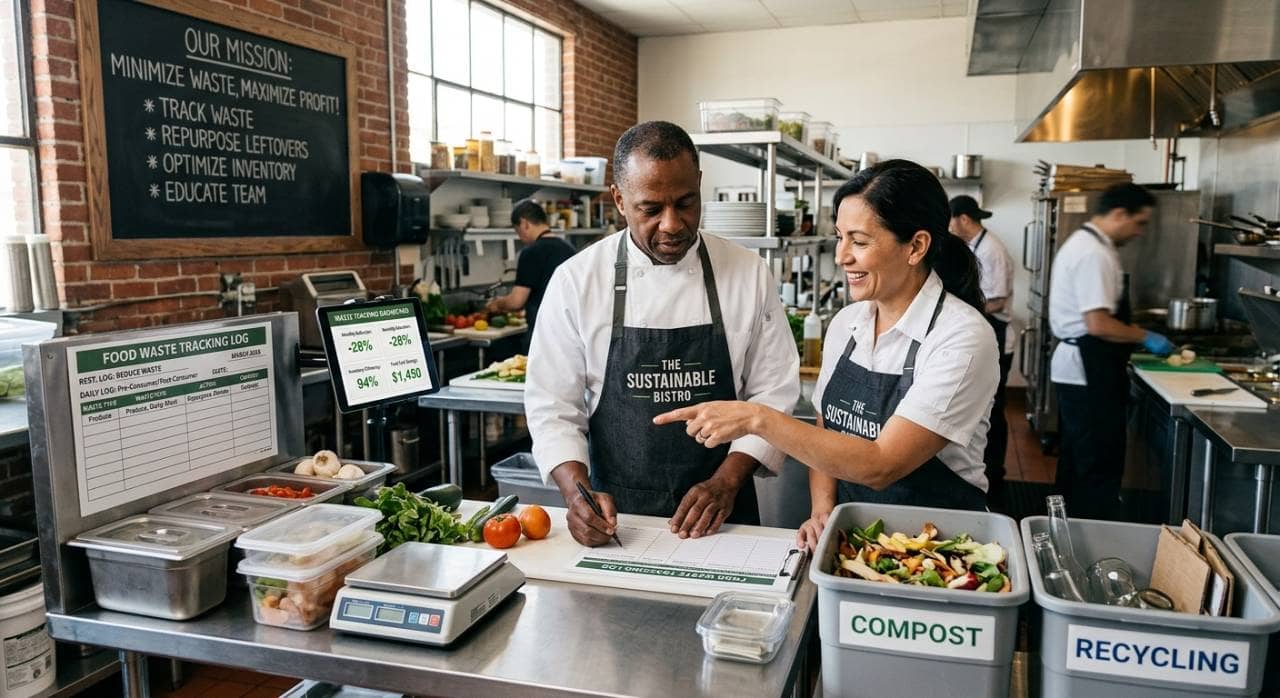
Learn how to reduce food waste in restaurants through smarter purchasing, storage, preparation, and service strategies that cut costs.
Sep 9, 2026
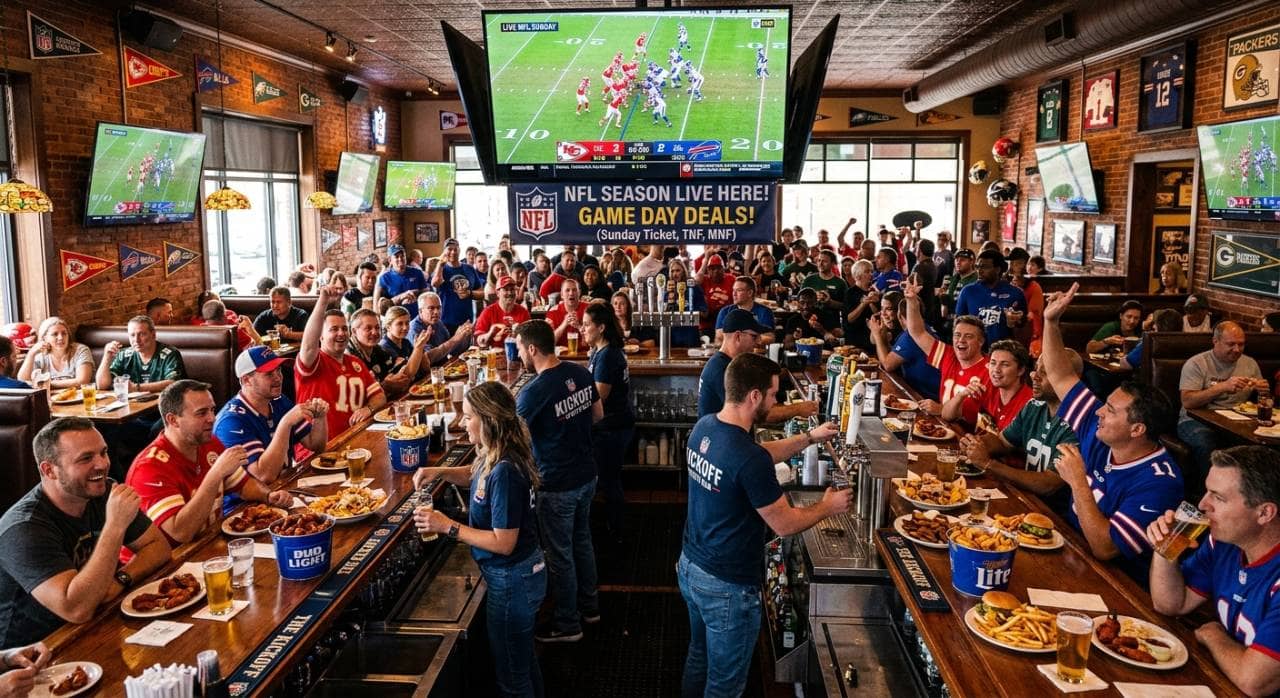
Prepare your restaurant for NFL season with smart menu planning, staffing, marketing, technology, and atmosphere strategies that boost season-long revenue.
Sep 9, 2026
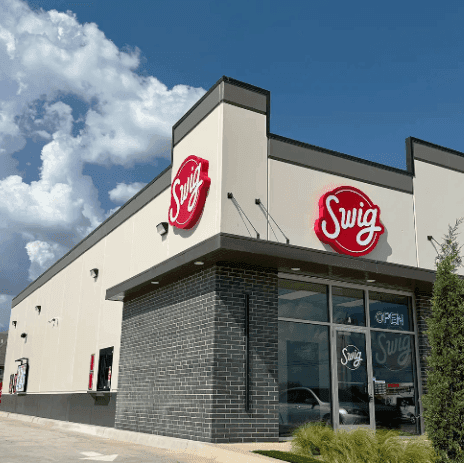
Swig signs franchise agreement for 11 South Denver locations, marking Colorado entry and validating its national expansion strategy.
Sep 8, 2026

Unlock Exclusive Access To Webinars, Events, And The Latest News For Free!
Determine the best accounting method for restaurants by comparing cash and accrual across inventory, vendor invoices, and multi-location reporting.

When restaurant owners ask, "What's the best accounting method - cash or accrual?" they're usually trying to solve a bigger problem than bookkeeping. They want to know which method will help them understand profitability, manage cash, prepare for taxes, and make better decisions without drowning in admin work. The best method is the one that matches how your money moves, how complex your operation is, and how often you rely on financial reports to make decisions. A single-location cafe tracking daily deposits and paying a few vendors each week has very different accounting needs than a 12-location group dealing with invoiced purchases, commissary transfers, and monthly store-level P&Ls. In simple terms, cash accounting records income and expenses when money actually hits or leaves your bank account. It's straightforward and can make taxes and bookkeeping feel easier - especially early on. Accrual accounting records income when it's earned and expenses when they're incurred (even if cash hasn't moved yet). It takes a bit more structure, but it usually creates cleaner, more consistent monthly reporting - especially once invoices, inventory, and multi-location operations enter the picture.

Cash accounting is the simplest way to run your books because it matches what most owners naturally track - money in and money out. Under the cash method, you record revenue when cash actually hits your bank account, and you record expenses when cash leaves your account. In other words, the timing is based on payments, not on when the sale happened or when the bill was incurred. Here's what that looks like in a restaurant. You ring up sales all day, batch out your POS, and the deposit lands in your bank (often the next day, or later if delivery apps are involved). With cash accounting, you recognize revenue when the deposit posts, not necessarily on the day guests ordered. On the expense side, you might receive a vendor delivery today, but if you don't pay that invoice until next week, the expense doesn't show up until you pay it. Payroll is similar- your team works this week, but the payroll cash leaves on payday - so that's when the expense hits your books. That simplicity is why cash accounting can feel "clean" early on. It's easier to maintain, easier to explain, and it usually lines up with how owners check their bank balance to make decisions. But it comes with a tradeoff - timing distortion. One month can look unusually profitable simply because you delayed paying vendors, and another month can look unprofitable because you paid a big invoice that really relates to prior weeks. If you're trying to evaluate true performance - like whether a promotion worked, whether labor is trending up, or whether food cost is creeping - cash accounting can sometimes hide the story unless you add strong habits like consistent vendor payment timing, weekly reconciliations, and basic tracking for unpaid bills.
Accrual accounting is built for understanding true performance over time, not just what happened to your bank balance this week. Under the accrual method, you record revenue when it's earned and expenses when they're incurred, even if the cash hasn't moved yet. For restaurant owners, the big benefit is that your financial statements (especially your P&L) can match the reality of how your business operates month to month. In practice, accrual accounting recognizes sales in the period they occur. If your POS shows $18,000 in sales on Saturday, that revenue belongs to that day/week/month - even if the deposit doesn't hit your bank until Monday or Tuesday. The same concept applies to expenses. If a vendor delivers food this week and invoices you, the cost belongs to the period you received and used the product, not the week you eventually pay the invoice. That's where accounts payable (AP) comes in - you can track what you owe vendors and keep your P&L accurate without waiting for money to leave your account. Accrual becomes especially important once you have meaningful inventory. Instead of expensing everything when you buy it, accrual accounting supports a cleaner COGS (Cost of Goods Sold) approach - purchases affect inventory, and you expense the portion you actually used (usually reflected through periodic inventory counts). This helps you see whether food cost is truly improving or worsening, rather than bouncing around based on when you placed a big order. Accrual also handles common restaurant situations more logically - prepaid expenses (like annual software, insurance, or equipment maintenance contracts), catering deposits, and gift cards. The method requires a bit more structure - consistent reconciliation, tracking vendor bills, and a monthly close process - but the payoff is better visibility. If you rely on monthly results to make decisions about pricing, scheduling, purchasing, and growth, accrual accounting typically gives you a clearer scoreboard.
For most owners, a "small restaurant group" means one location, a couple locations, or a tight multi-unit setup where leadership is still hands-on and the back office is lean (often 1-5 stores). At this stage, the best accounting method is usually the one that gives you reliable visibility without creating busywork - because your biggest risk isn't "bad accounting theory," it's not having enough time to keep the books clean and useable. Cash accounting can work well for small groups when your operation is relatively simple - limited invoiced purchasing, minimal prepaid contracts, and inventory that you can manage without complicated counts. It's also appealing when you want your books to mirror your bank balance and you prioritize straightforward tax-time reporting. But if you use cash accounting, you'll want to add a few "guardrails" so your numbers don't lie to you. That includes - reconciling bank and POS deposits weekly, using a basic system to track unpaid vendor bills (even a simple AP list), and keeping vendor payments consistent so one month doesn't look great just because you delayed paying invoices. That said, many small groups "outgrow" cash accounting faster than they expect - especially once you start buying on terms, juggling multiple vendors, or trying to compare stores month over month. Accrual accounting often becomes worth it when you need clean monthly profitability, when inventory is a meaningful portion of costs, or when you're trying to make decisions based on trends (food cost %, labor %, prime cost) rather than just cash swings. A practical rule for small groups is this - if you're mainly asking, "Do we have enough cash?" cash accounting may be sufficient. If you're frequently asking, "Are we actually profitable and why?" accrual becomes more valuable. Whichever you choose, the goal is the same - a simple weekly routine and a consistent month-end close so your numbers are trustworthy enough to act on.

Once you reach "large restaurant group" territory - often 6+ locations, a dedicated operations layer, higher purchasing volume, and more complex payroll, vendors, and reporting - the accounting method becomes less of a preference and more of an operational foundation. At this stage, accrual accounting is usually the best fit because it supports consistency, control, and apples-to-apples comparisons across stores and time periods. Large groups rarely operate in a way that cleanly matches cash timing. You're dealing with invoiced purchasing, multiple vendor terms, recurring services, prepaid contracts, and constant cross-period activity (product arrives today, invoice arrives later, payment happens later still). Under cash accounting, these timing differences can create misleading month-to-month swings - especially when you're trying to evaluate performance by location, compare managers, or spot food and labor issues early. Accrual solves much of that by recording expenses when they're incurred and revenue when it's earned, so each store's P&L reflects the period it actually operated. Inventory is another big driver. Large groups typically need tighter COGS reporting, higher accountability, and better visibility into usage vs. purchasing. Accrual supports cleaner inventory movement and more reliable cost signals, which matters when small percentage changes become huge dollars across multiple units. The same goes for central kitchens, commissaries, and intercompany transfers - areas where standardized accounting rules and consistent month-end processes keep the numbers comparable. Operationally, large groups also need a stronger reporting cadence - store-level P&Ls, weekly flash reports, labor and prime cost tracking, and budget vs. actual reporting. Accrual accounting pairs better with these management rhythms because it reduces noise from payment timing and helps you measure what actually happened in the business. To make accrual work at scale, the "method" is only part of the equation. The real unlock is standardization - a consistent chart of accounts across locations, clear AP workflows, defined cutoff rules (what counts in which period), and a reliable close calendar. In large groups, the best accounting method is the one that produces trustworthy, comparable financials - so leaders can make decisions faster, catch problems earlier, and scale without the books becoming a bottleneck.
Most restaurants don't fit neatly into "cash is best" or "accrual is best" in every situation. The method that usually wins depends on how you sell, how you buy, and how complicated your timing gets between the POS, vendors, payroll, and payouts. Here are common scenarios and what typically works best. For QSR and quick-service concepts, cash accounting can be workable when sales are simple (high volume, low invoice complexity) and ownership mainly wants clear cash visibility. But once you have frequent vendor invoices, multiple delivery days, and meaningful inventory counts, accrual tends to produce cleaner cost signals - especially for tracking food cost & week to week and month to month. For full-service restaurants and bars, accrual often wins earlier. These operations usually have more moving parts- higher payroll complexity, more vendor invoices, larger menu inventories, and sometimes banquet/catering deposits. Accrual helps align those expenses and revenue to the period they belong to so you can evaluate profitability more accurately. For delivery-app-heavy restaurants, accrual is often the more reliable method for reporting. Payout delays, refunds, and fees can create timing gaps that make cash-based revenue look "off" compared to what actually sold. Accrual helps you keep sales aligned to when they happened and keeps your reporting from being driven by payout schedules. For catering, events, and large orders, accrual usually provides clearer reporting because deposits and prepayments are common. Cash accounting can overstate revenue in the month you receive deposits, even if the event happens later. Accrual makes it easier to track what's earned versus what's still owed in service. For seasonal operations, either method can work, but accrual is usually better if you rely on month-by-month comparisons, budgeting, or staffing decisions. Cash can be fine if you prioritize simple tax reporting and you're disciplined about vendor cutoffs. For commissary or central kitchen setups, accrual is typically the standard. Transfers, shared purchasing, and multi-unit reporting require consistency and strong period matching - areas where accrual helps keep the financial story clear across all locations.
Choosing between cash and accrual accounting comes down to one goal- picking the method that gives you reliable numbers you can actually use, at the level of effort your team can sustain. A practical way to decide is to start with how you run the business today - and how you expect it to look in 6-12 months. First, use a quick decision checklist. Cash accounting is often a reasonable fit if you have a simpler operation, limited invoicing, minimal prepaid items, and you mainly need basic visibility for taxes and cash management. Accrual is usually the better fit if you buy frequently on invoices, carry meaningful inventory, review monthly P&Ls to make decisions, or need consistent reporting across locations. If you're unsure, look at your pain points- if you regularly say, "This month looks weird," "Food cost doesn't make sense," or "I can't compare last month to this month," those are common signals accrual may help. Next, implement the method with clean fundamentals - because the method won't fix messy inputs. Start by aligning your chart of accounts to how you actually manage the restaurant (sales categories, prime cost, controllables, fixed costs). Then build a simple routine - reconcile POS deposits to bank deposits weekly, reconcile bank and credit card accounts consistently, and keep vendor records organized. If you're on accrual, you'll also need a basic AP workflow (capturing bills, coding them correctly, and applying a consistent cutoff so bills land in the right month). If you track inventory, set a cadence you can maintain - monthly is common, and some operations go more frequent once they're disciplined. If you ever switch methods, treat it as a project, not a toggle. Switching changes timing for revenue and expenses, so you want clear cutover rules and clean records to avoid double-counting or missing items. The safest approach is to work with your bookkeeper or accountant to define the transition month, confirm how inventory and payables will be handled, and document the process so reporting stays consistent after the change. The best method is the one you can run consistently - because consistent inputs create trustworthy reports, and trustworthy reports drive better decisions.
