.png&w=3840&q=70)
Buyer Emerges for 42 Bankrupt Wendy's Locations
Hiren Patel's Divine Investors offers $18.6M for 42 Wendy's units as Meritage Hospitality Group navigates Chapter 11 bankruptcy restructuring.
Franchising
Oct 22, 2026
Hiren Patel's Divine Investors offers $18.6M for 42 Wendy's units as Meritage Hospitality Group navigates Chapter 11 bankruptcy restructuring.
Oct 22, 2026

Drone delivery could transform restaurant operations through faster fulfillment, improved convenience, and new opportunities.
Oct 21, 2026
Shannon McNiel takes sole control as CEO of Tom's Watch Bar as the sports-bar chain posts $89.6M in 2025 sales and 46.2% unit growth.
Oct 21, 2026
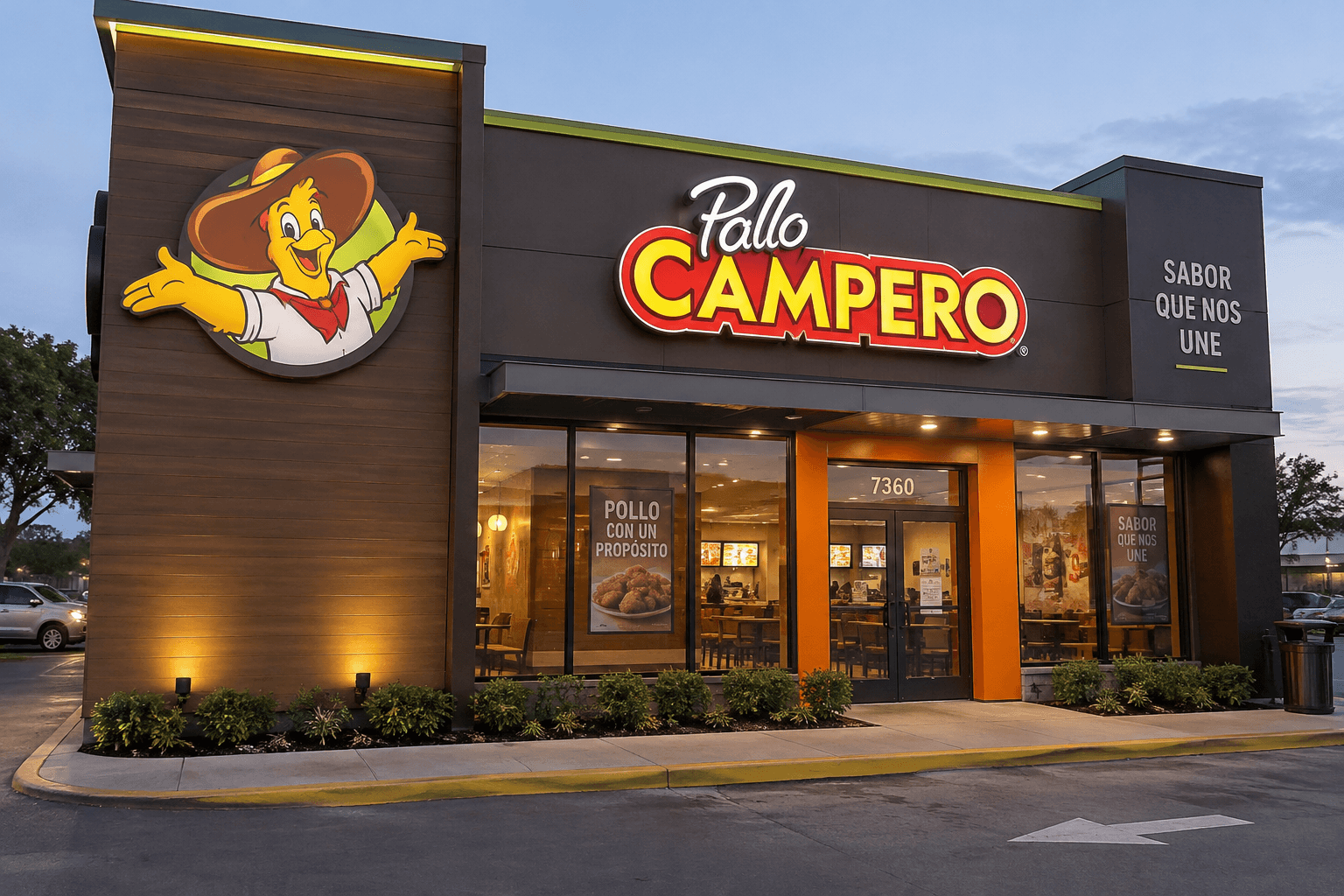
Pollo Campero taps Carl's Jr. veteran Julio Sánchez as new U.S. CEO, charged with boosting sales, brand awareness, and guest experience.
Oct 20, 2026

Michelin-trained chef Cornelia Sühr brings a global résumé to White Barn Inn's new Coast Line & Forest tasting menu in Kennebunkport, Maine.
Oct 20, 2026

Olo debuts a consumer ordering app, challenging DoorDash and Uber Eats with lower fees and restaurant-owned customer data.
Oct 20, 2026
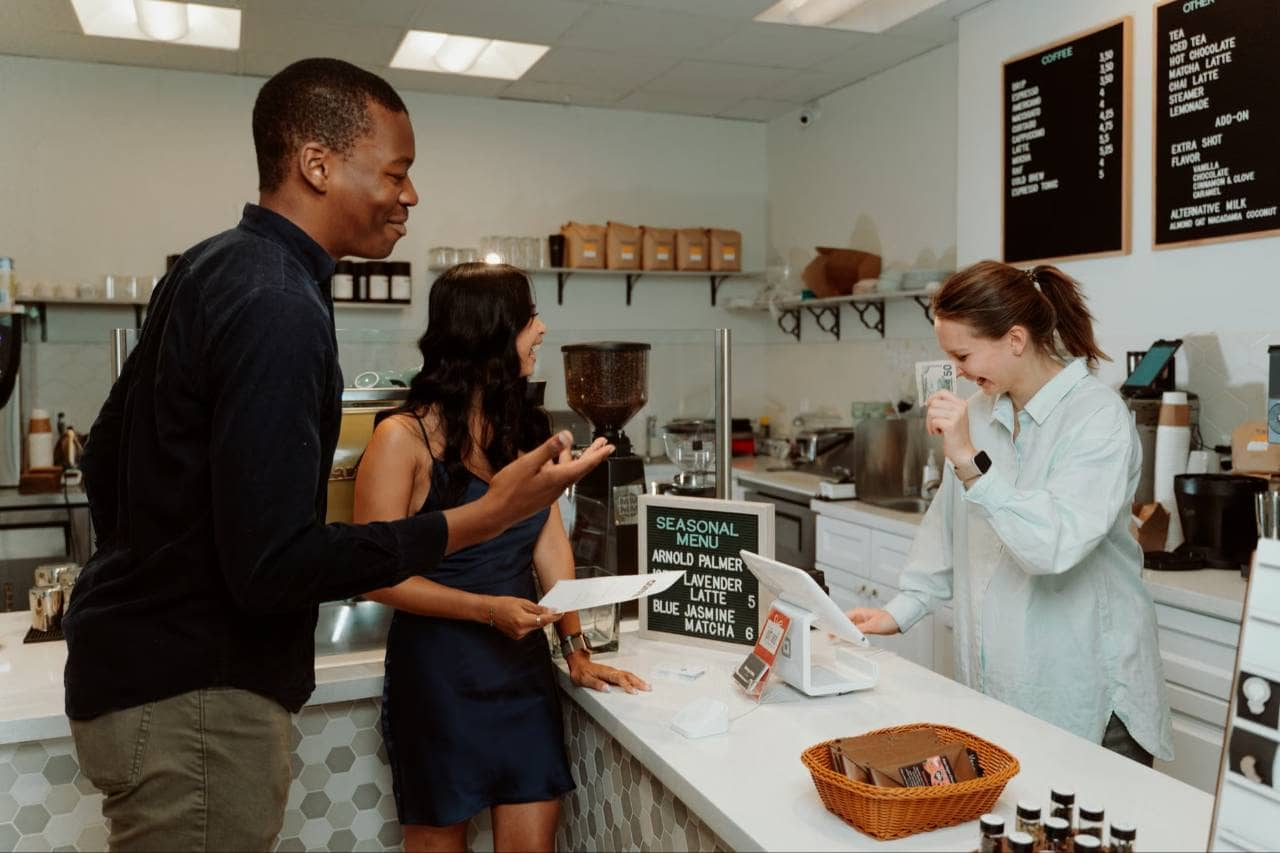
Coffee shops can boost sales by combining happy hours, bundles, limited-time drinks, seasonal menus, loyalty rewards, and friendly upselling, while tracking results and avoiding over-discounting.
Oct 19, 2026

Learn how to prepare an accurate balance sheet by organizing financial records, valuing assets, recording liabilities, reconciling accounts, and preventing accounting errors.
Oct 19, 2026
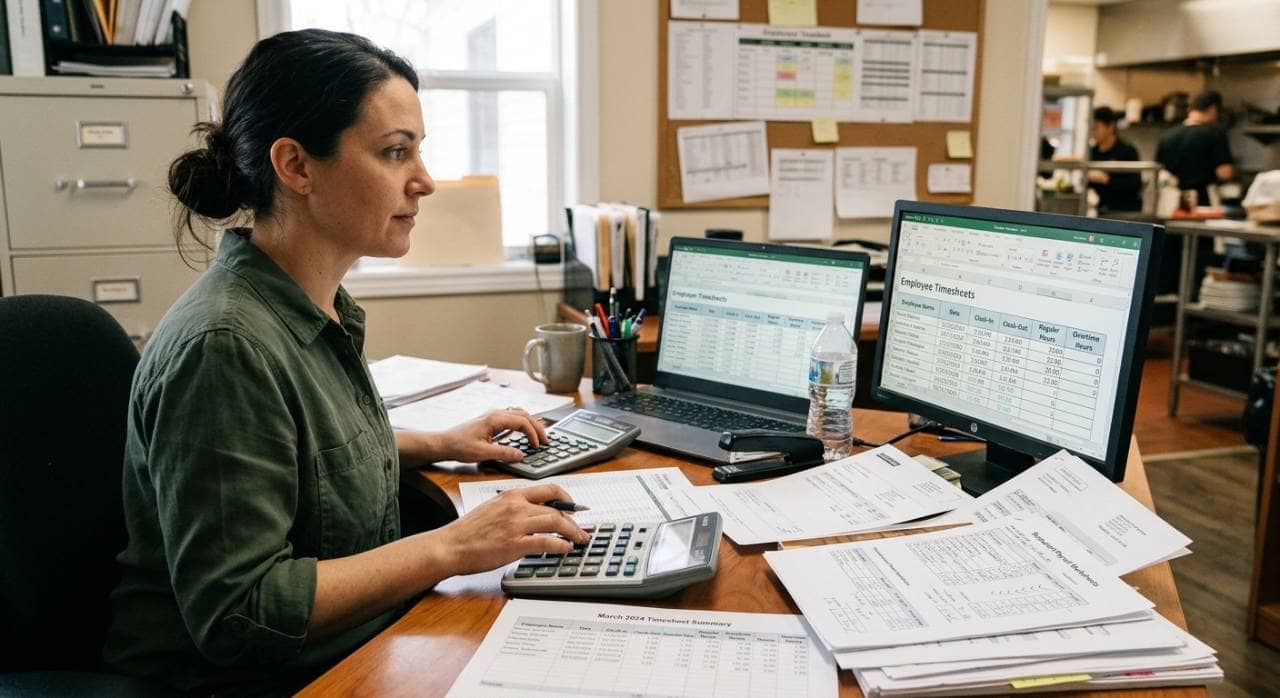
Learn how to calculate overtime pay for restaurant employees, apply correct rates, avoid payroll mistakes, comply with labor laws, and control labor costs.
Oct 16, 2026
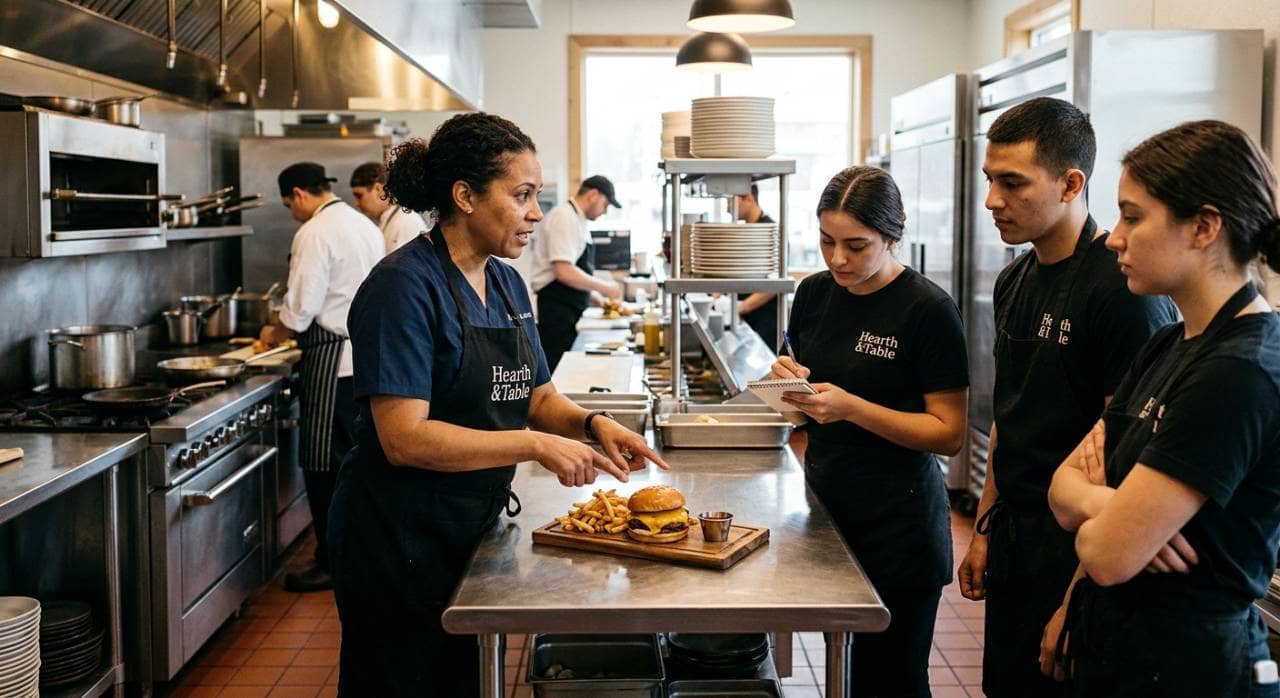
Build a structured training program covering onboarding, roles, service, food safety, and growth to boost consistency, retain staff, and deliver reliably excellent guest experiences.
Oct 16, 2026

Unlock Exclusive Access To Webinars, Events, And The Latest News For Free!
Learn how to build a restaurant cash flow forecast, track incoming and outgoing money, avoid surprises, and make stronger financial decisions.
A restaurant cash flow forecast is a tool that helps you estimate how much cash will move in and out of your business over a specific period of time. In simple terms, it helps you answer one of the most important questions in restaurant operations - Will I have enough cash to cover what needs to be paid? That includes payroll, rent, food orders, utilities, loan payments, repairs, and other daily operating costs. This is important because cash flow is not the same as profit. A restaurant can look profitable on paper and still struggle to pay its bills on time. For example, you might post strong sales in a given month, but if vendor invoices, payroll, and rent all hit before enough cash is available in the bank, you can still face a cash shortage. Profit measures earnings after expenses. Cash flow measures actual money moving into and out of the business. For restaurant owners, that distinction is critical. A cash flow forecast helps turn that reality into something manageable. Instead of reacting when cash gets tight, you can look ahead and spot pressure points early. You may see that a slow week, a large food order, a tax payment, or a seasonal dip in traffic is likely to create a problem before it happens. That gives you time to adjust purchasing, control labor, delay nonessential spending, or prepare a backup plan. Just as important, a cash flow forecast gives structure to financial decision-making. It helps you move beyond guesswork and manage the business with clearer expectations. Rather than asking, "Are we busy?" or "Did we make money last week?" you begin asking better questions - "When will cash come in?" "What payments are due first?" and "How much operating room do we really have?" For a restaurant owner, that shift matters. Restaurants deal with tight margins, fluctuating demand, and constant expense pressure. A cash flow forecast is not just an accounting exercise. It is a practical operating tool that helps protect stability, reduce surprises, and support better decisions week after week.
A cash flow forecast is only as useful as the numbers behind it. If the inputs are weak, the forecast will be weak too. That is why the first step is not building a spreadsheet. It is gathering the right financial data and organizing it in a way that reflects how your restaurant actually operates. Start with your beginning cash balance. This is the actual amount of cash available at the start of the forecast period, usually based on your bank balance after accounting for any outstanding payments or deposits in transit. This number matters because it sets the baseline. Even strong projected sales will not help much if the restaurant starts the week with very little cash on hand. Next, collect your projected sales data. Use real historical trends, not ideal assumptions. Look at sales by week, daypart, and season if possible. Review recent POS reports, prior month performance, current reservations, catering orders, promotions, and known events that may affect traffic. A realistic forecast should reflect patterns, not optimism. If sales normally dip on certain weekdays or after a holiday rush, that should show up in your numbers. From there, pull your major cash outflow categories. These typically include payroll, payroll taxes, rent, utilities, food and beverage purchases, loan payments, insurance, subscriptions, maintenance, and tax obligations. Some of these expenses are fixed and easier to predict. Others move with volume and need closer attention. What matters is not just how much you spend, but when those payments leave the business. You should also gather supporting records from multiple sources. Your POS system helps you understand sales trends and payment timing. Payroll reports show labor obligations and tax withholdings. Vendor invoices reveal purchasing cycles and payment due dates. Bank statements help confirm actual cash movement. Accounting records give visibility into recurring expenses, debt obligations, and irregular costs that are easy to overlook. It also helps to separate numbers by week or month, depending on how tightly you manage the business. Weekly forecasting usually gives better visibility for restaurants because cash moves quickly and expenses often cluster around payroll and inventory cycles.
Forecasting cash coming into the restaurant is not just about estimating sales. It is about understanding when cash will actually reach your business. That distinction matters. A restaurant may generate strong revenue on paper, but if the money does not arrive when expenses are due, cash flow can still become a problem. To build a useful forecast, restaurant owners need to look beyond total sales and focus on the timing, source, and reliability of each inflow. 1. Start with your main revenue sources Begin by listing every major source of incoming cash. For most restaurants, this includes food sales and beverage sales, but it may also include catering orders, delivery sales, online orders, private events, merchandise, or gift card sales. Breaking these into separate categories makes the forecast more accurate. It also helps you see which parts of the business are steady and which are more unpredictable. 2. Focus on when cash is received, not just when sales happen This is one of the most important parts of cash flow forecasting. A sale is not always the same as available cash. Credit card transactions may settle quickly, but third-party delivery platforms often pay on a delayed schedule. Catering or event revenue may include deposits first and final payments later. If you only forecast sales volume and ignore payment timing, your cash flow projection can become misleading. 3. Account for reductions to incoming cash Not every sale turns into full usable cash. You need to factor in refunds, discounts, comps, chargebacks, and promotions that reduce the amount your restaurant actually keeps. Gift cards also need attention. When a guest buys a gift card, cash comes in immediately. When that card is redeemed later, it creates sales activity but not new incoming cash. These details matter because they affect the true amount available to cover expenses. 4. Use historical data to guide your estimates The best cash inflow forecasts are based on real operating patterns. Review POS reports, bank deposits, payment processor reports, and past weekly or monthly sales trends. Look at how sales change by weekday, season, holiday, or channel. If certain days are always slower, that should appear in the forecast. If delivery payouts usually arrive on a lag, that should be reflected too. Real trends create more reliable forecasts than hopeful assumptions. 5. Stay conservative with your projections Cash flow forecasting should be grounded in caution. It is safer to slightly underestimate incoming cash than to assume best-case results and come up short. Optimistic numbers may make the forecast look stronger, but they do not protect payroll, rent, or vendor payments. A conservative forecast gives restaurant owners a more realistic view of what cash will actually be available. When done correctly, forecasting cash inflows helps you understand more than just expected revenue. It shows where cash is coming from, when it will arrive, and how dependable it is. That is what makes the forecast useful. It turns sales data into an operating tool you can use to make better financial decisions.

Forecasting outgoing cash is where a restaurant cash flow forecast becomes truly operational. Most owners already know their business has expenses, but forecasting cash outflows means going one step further - identifying exactly what must be paid, how much must be paid, and when that cash will leave the business. That timing matters. A restaurant may have enough revenue on paper for the month, but if several large payments hit in the same week, cash can still get tight very quickly. 1. Separate fixed costs from variable costs A useful first step is dividing expenses into fixed and variable categories. Fixed costs are the ones that stay relatively consistent from period to period. These usually include rent, loan payments, insurance premiums, software subscriptions, and some utilities or service contracts. Variable costs are the ones that move with sales volume or operational activity, such as food purchases, beverage purchases, hourly labor, overtime, cleaning supplies, packaging, and credit card processing fees. This distinction matters because fixed costs are usually easier to forecast, while variable costs require more attention and adjustment. If sales rise, labor and purchasing often rise with them. If sales slow down, those costs should ideally move down as well. A cash flow forecast should reflect that relationship. 2. Include your major operating expenses Restaurant cash outflows typically fall into a few major buckets. These include payroll, payroll taxes, rent, food and beverage purchasing, utilities, maintenance and repairs, loan or lease payments, insurance, licenses, subscriptions, and tax obligations. It is important not to leave out smaller recurring expenses just because they seem manageable on their own. Individually, they may not look significant, but together they can create real pressure on cash. For many restaurants, payroll will be one of the largest and most frequent cash outflows. Vendor payments are another major category, especially when inventory ordering is tied closely to sales volume. If either of these is underestimated, the forecast loses much of its value. 3. Pay attention to when payments are due This is one of the biggest forecasting mistakes restaurant owners make. They know what the expense is, but they do not map when the payment actually leaves the account. Payroll may hit weekly or biweekly. Rent may be due at the start of the month. Vendor invoices may be payable on short terms. Insurance may renew quarterly or annually. Tax payments may hit on a monthly schedule. If you miss the payment timing, your forecast may look stable even though a cash crunch is approaching. A good forecast tracks due dates, payment cycles, and known large obligations. That gives you a more realistic picture of when pressure points will appear. 4. Plan for irregular and non-routine expenses Not every cash outflow is recurring in the same way. Restaurants also face equipment repairs, emergency maintenance, seasonal utility spikes, annual license renewals, tax bills, and one-time purchases. These expenses are easy to overlook because they are not part of the normal weekly pattern, but they can quickly disrupt cash flow if they are not planned for in advance. This is why cash flow forecasting should not only include average operating costs. It should also include known future expenses, even if they happen less often. If a large repair, renewal, or payment is expected next month, it belongs in the forecast now. 5. Use real records, not rough guesses Forecasting cash outflows works best when it is based on actual operating data. Review payroll reports, vendor invoices, accounts payable schedules, bank statements, loan documents, and recurring billing records. These sources help you estimate both amount and timing more accurately. The more grounded your expense forecast is in real payment behavior, the more useful it becomes. When restaurant owners forecast outgoing cash carefully, they gain something important - visibility. They can see not just what the business spends, but when cash pressure is likely to build. That makes it easier to protect payroll, manage vendor relationships, avoid late payments, and make smarter decisions before cash becomes a problem.
Once you understand the cash coming in and the cash going out, the next step is putting the forecast together in a format you can actually use. This does not need to be complicated. In fact, for most restaurant owners, a simple structure is usually the most effective. The goal is not to create a perfect finance model. The goal is to build a working tool that helps you see future cash position clearly enough to make better operating decisions. 1. Start with your beginning cash balance Every forecast begins with the amount of cash your restaurant has available at the start of the period. This is your beginning cash balance. It should reflect the real bank position as accurately as possible, including any checks that have not cleared, deposits that are still pending, or payments that are about to come out. This number matters because it sets the foundation for everything that follows. If the starting balance is wrong, the rest of the forecast will also be off. 2. Add projected cash inflows Next, enter all expected incoming cash for the period. This includes food sales, beverage sales, catering deposits, delivery platform payouts, online ordering revenue, gift card sales, and any other cash sources your restaurant expects to receive. The key is to record cash based on when it will actually arrive, not just when the sale happened. This helps the forecast reflect real liquidity instead of just revenue activity. 3. Subtract projected cash outflows Then list all expected outgoing cash for the same period. Include payroll, payroll taxes, rent, vendor payments, utilities, debt payments, insurance, maintenance, subscriptions, and any other known obligations. Be careful to place these expenses in the period when cash will actually leave the account. This step shows where pressure points may appear and helps you identify weeks or months where outflows may exceed inflows. 4. Calculate net cash flow Once you have total inflows and total outflows, calculate the difference. This is your net cash flow for the period. If inflows are higher than outflows, you have positive net cash flow. If outflows are higher, you have negative net cash flow. This number tells you whether the restaurant is expected to generate or consume cash during that period. 5. Calculate the ending cash balance Take the beginning cash balance, add inflows, subtract outflows, and you get your ending cash balance. This is one of the most important numbers in the entire forecast because it shows how much cash the restaurant is expected to have left at the end of the week or month. That ending balance then becomes the starting balance for the next period. 6. Forecast over multiple periods A single week or month is useful, but a stronger cash flow forecast looks ahead across multiple periods. Many restaurant owners start with a 4-week, 8-week, or 12-week forecast. This longer view helps identify patterns, upcoming shortfalls, and periods where the business may have more flexibility. Weekly forecasting is often more useful for restaurants because payroll, inventory, and sales can change quickly. 7. Update the forecast with actual results A forecast should never remain static. As each week or month passes, compare projected numbers to actual results. Update the next periods based on what really happened. If sales came in lower than expected, if labor ran high, or if an unplanned repair hit the budget, that needs to be reflected immediately. A forecast becomes more valuable when it is treated as a living operating tool rather than a one-time spreadsheet. At its core, a restaurant cash flow forecast follows a simple formula - Beginning Cash + Cash In - Cash Out = Ending Cash That formula may look basic, but when it is updated consistently and built on real numbers, it becomes one of the most useful financial tools a restaurant owner can have. It helps turn uncertainty into visibility and gives you a clearer path for planning ahead.
A cash flow forecast can be one of the most useful financial tools in a restaurant, but only if it reflects reality. Many forecasting problems do not come from using the wrong template. They come from using the right template with the wrong assumptions. Even a simple forecast can become misleading if the numbers are incomplete, overly optimistic, or not updated often enough. That is why restaurant owners need to understand the most common mistakes before they rely on the forecast to guide decisions. 1. Confusing profit with cash flow This is one of the biggest mistakes in restaurant forecasting. Profit and cash flow are not the same thing. A restaurant may look profitable on a profit and loss statement and still struggle to cover payroll, rent, or vendor payments on time. Profit reflects revenue minus expenses over a period. Cash flow reflects the actual movement of money in and out of the business. If an owner builds a forecast based on profit assumptions instead of real cash timing, the result can create a false sense of security. 2. Overestimating sales Many owners naturally hope sales will improve, especially after a slow period, a new promotion, or a seasonal shift. But cash flow forecasting should not be based on hope. It should be based on evidence. If projected sales are consistently higher than what the restaurant actually delivers, the forecast will show more available cash than the business truly has. That can lead to overspending, late payments, or unexpected shortages. Conservative projections usually produce more dependable forecasts. 3. Forgetting irregular expenses Recurring expenses like payroll and rent are easy to remember. Irregular expenses are easier to miss. These include equipment repairs, annual license renewals, tax payments, insurance renewals, maintenance issues, or one-time supply purchases. Because they do not happen every week, they are often left out of the forecast until the last minute. When that happens, the cash position can look stronger than it really is. 4. Ignoring seasonality and business patterns Restaurant cash flow is rarely flat. Sales and expenses often rise and fall based on weather, holidays, local events, tourism, school calendars, and seasonal demand. A forecast that assumes every week will look the same usually misses the way cash pressure builds during slower periods or high-cost periods. Historical patterns matter. A useful forecast should reflect the reality of how the restaurant operates throughout the year. 5. Missing payment timing Some owners estimate the right expense totals but place them in the wrong periods. This creates a major forecasting problem. Cash flow depends on timing. Payroll may hit weekly. Rent may be due at the beginning of the month. Vendor bills may stack up around the same time. Third-party delivery payouts may lag behind sales. If timing is wrong, the forecast may appear balanced even though the bank account will feel the pressure sooner. 6. Failing to update the forecast A forecast is not something you build once and forget. Restaurant conditions change too quickly for that. Sales shift. Labor runs high. food costs increase. An unexpected repair appears. If the forecast is not updated with actual results, it becomes less useful every week. A stale forecast can be just as risky as having no forecast at all because it creates confidence without accuracy. 7. Leaving out smaller recurring costs Small expenses are easy to dismiss, especially when owners focus on large categories like payroll and food purchasing. But recurring charges such as software subscriptions, linen services, pest control, delivery fees, cleaning services, bank fees, or equipment leases can add up quickly. If these are left out, the forecast may underestimate outflows and overstate available cash. The goal of a restaurant cash is visibility. But visibility only works when the forecast is grounded in honest assumptions, complete expense tracking, and regular updates. Avoiding these common mistakes can make the difference between a forecast that looks good on paper and one that actually helps you protect cash, plan ahead, and run the business with more control.
