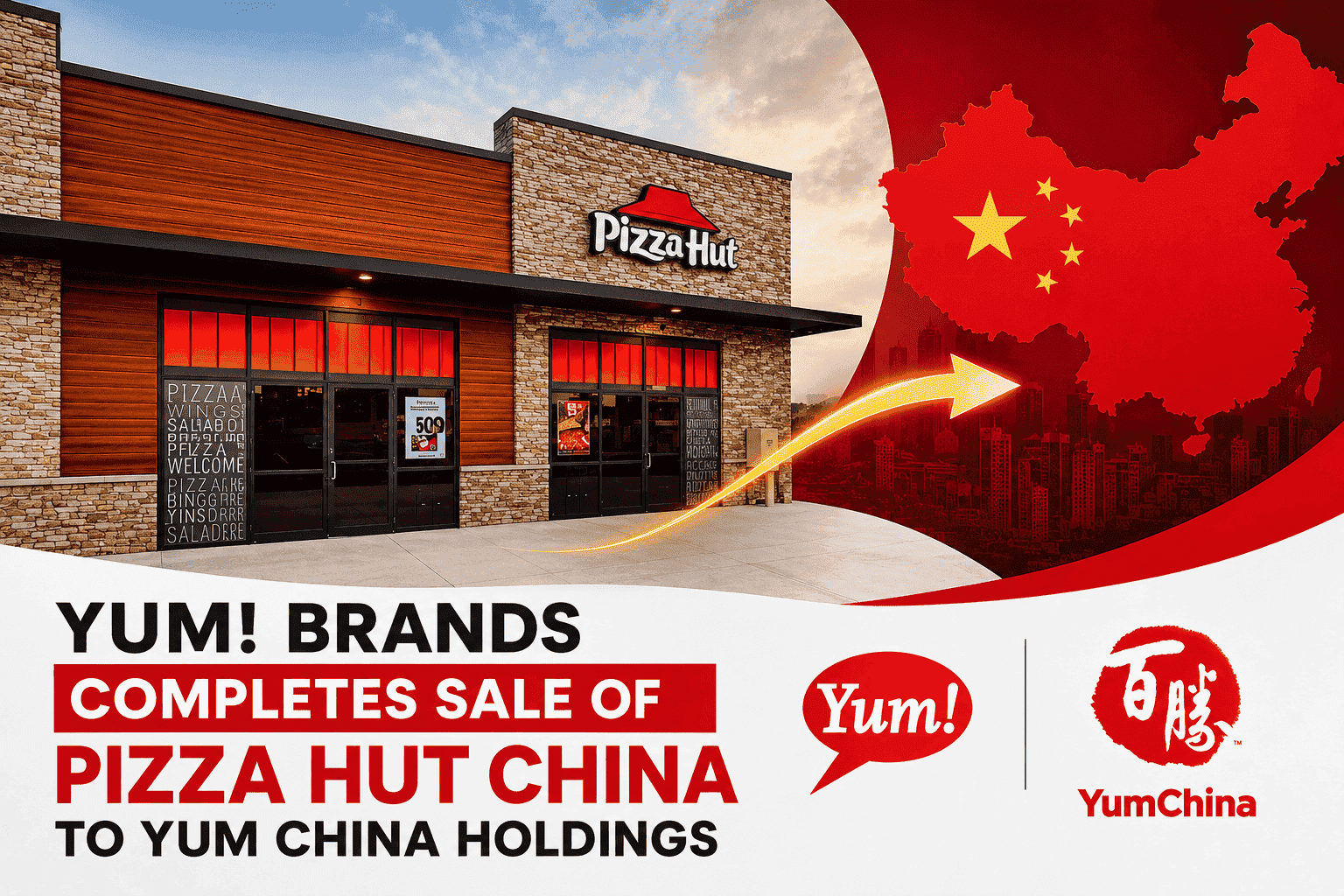
Pizza Hut’s $1.2B China Sale Shakes Up Market
Yum! Brands has finalized a $1.2B deal to transfer Pizza Hut China to Yum China Holdings, signaling big strategic moves for both global franchisors and operators.
News
Aug 7, 2026
Yum! Brands has finalized a $1.2B deal to transfer Pizza Hut China to Yum China Holdings, signaling big strategic moves for both global franchisors and operators.
Aug 7, 2026
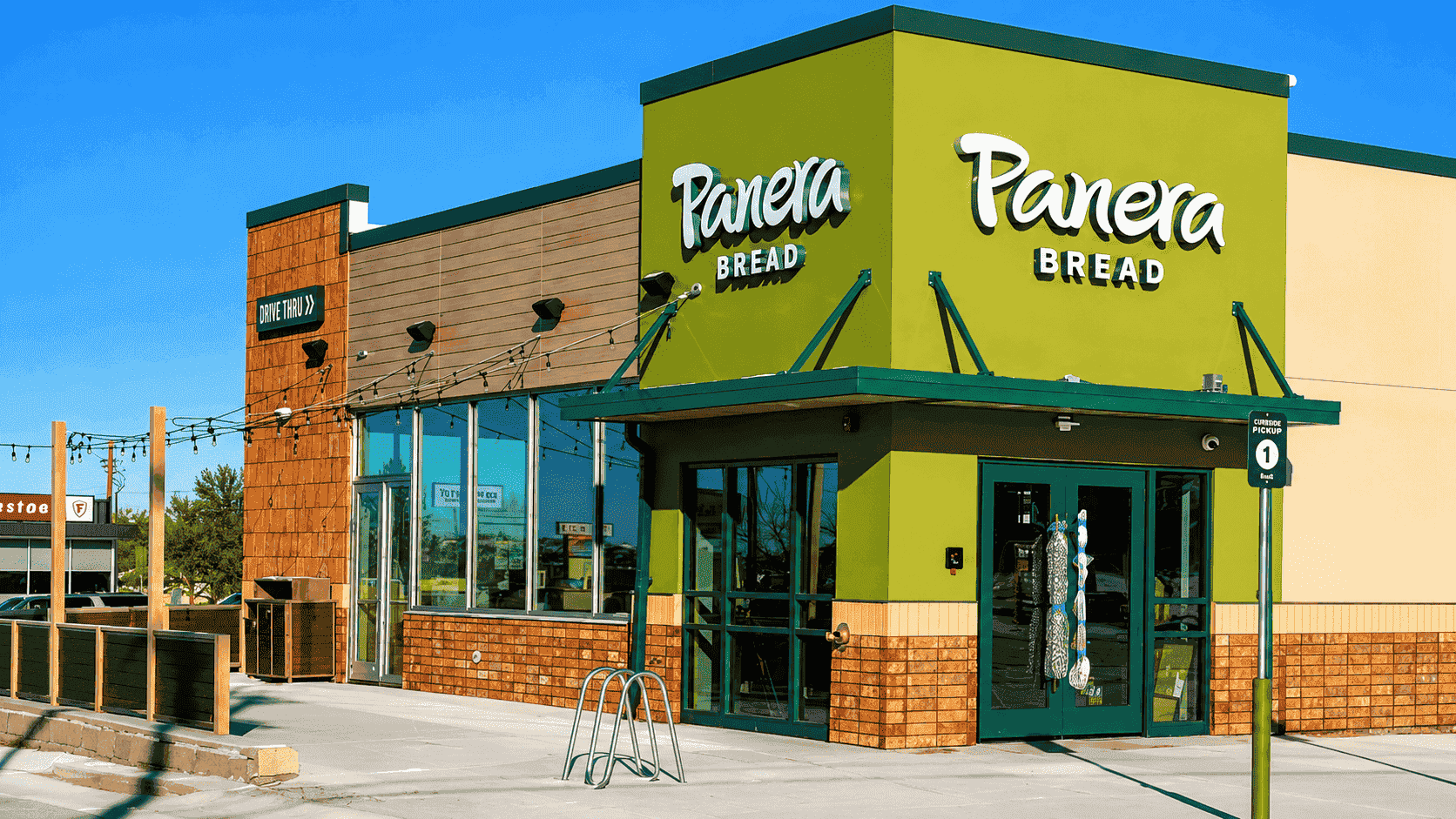
Panera Bread appoints industry veteran Andy Rebhun as Chief Marketing Officer, ushering in a new era of brand growth and consumer engagement.
Aug 7, 2026
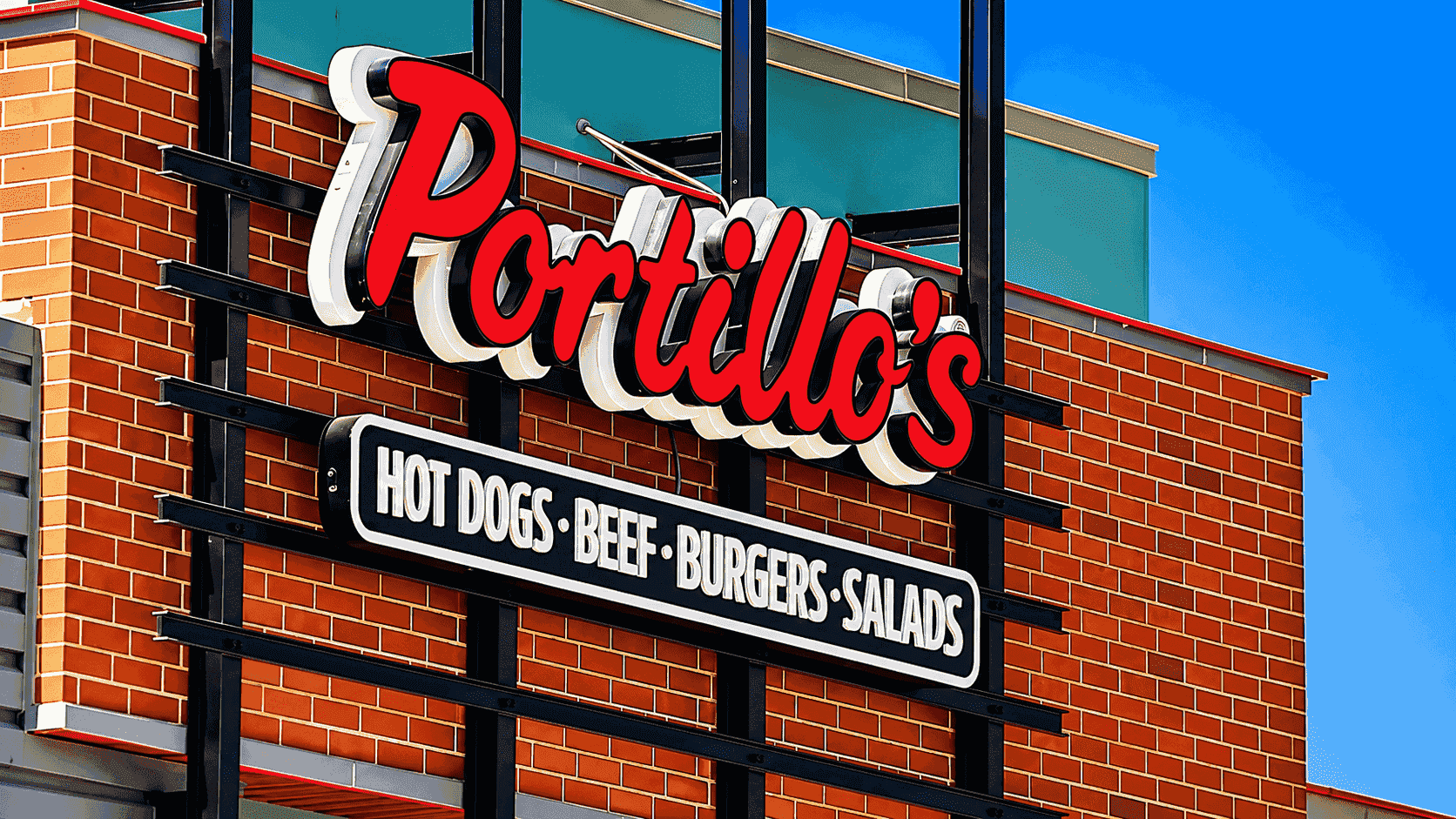
Portillo’s trims 18% of its corporate staff in a bid to refocus resources on restaurant excellence and navigate operational challenges. Discover what the changes mean for the chain’s future.
Aug 7, 2026
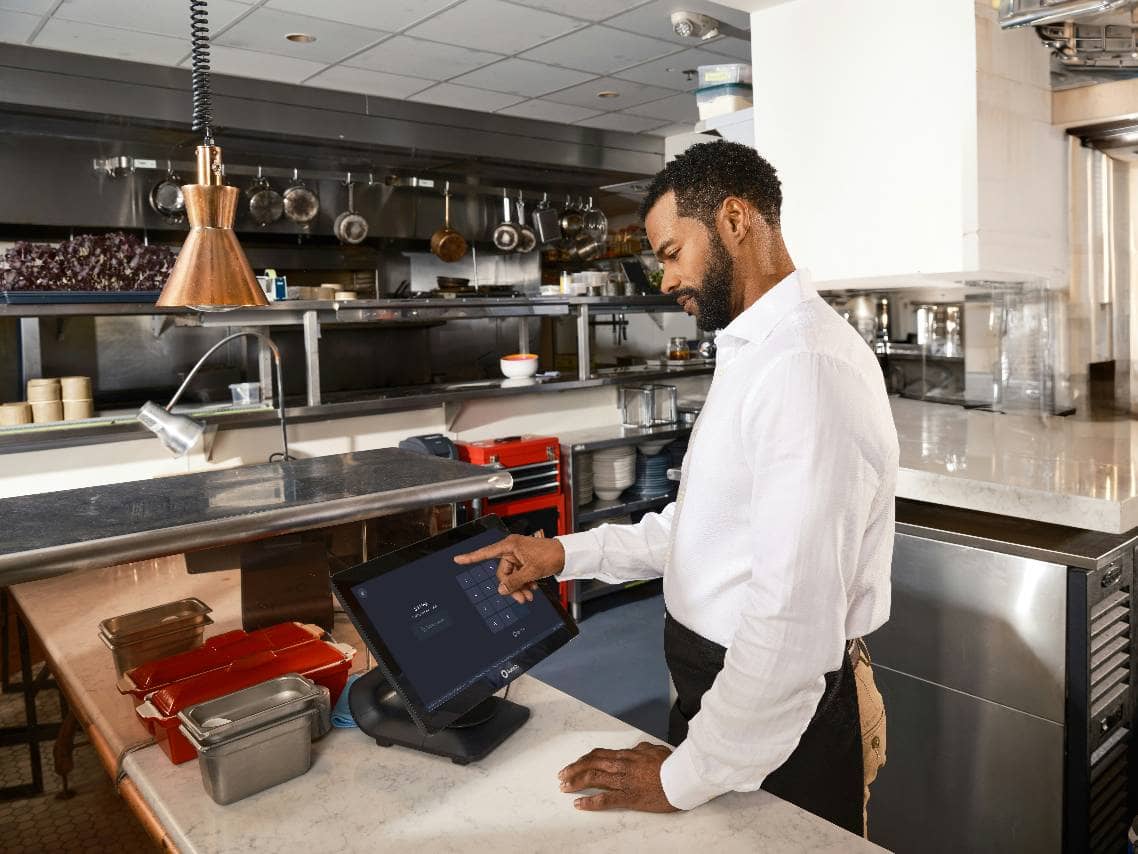
Scheduling software helps restaurants save time, control labor costs, improve communication, prevent conflicts, support compliance, and make smarter staffing decisions.
Aug 5, 2026
Portillo’s trims corporate and field roles by 18% in a strategic shake-up to support future growth after soft traffic and sales. Read what this means for multi-unit operators.
Aug 6, 2026
Dutch Bros invests $105 million to acquire Salad and Go’s closed locations, targeting rapid expansion in key southern markets. Learn what this means for multi-unit restaurant owners and operators.
Aug 6, 2026
Salad and Go's bankruptcy and closure offer key lessons on growth, risk management, and market dynamics for restaurant leaders. See what every operator can learn.
Aug 5, 2026

Learn how to calculate prime cost, track food and labor expenses, measure percentages, identify problems, and improve restaurant profitability consistently.
Aug 5, 2026

Portillo’s announces industry veteran Kevin Kalicak as its new CFO and Treasurer, underscoring the brand’s growth strategy and financial vision.
Aug 5, 2026
Skye Anderson will lead McDonald's USA as its new president, stepping in to accelerate growth and revive sales. Learn how her leadership could shape the future of the restaurant industry.
Aug 4, 2026
Explore how major casual dining chains faced bankruptcies and the strategies they employed for recovery to thrive in the competitive restaurant industry.

The casual dining industry, even before the COVID-19 pandemic, faced significant challenges due to declining traffic and evolving consumer preferences. The pandemic exacerbated these issues, forcing many casual chains to rethink their strategies to survive. However, despite the hurdles, some notable brands emerged successfully from bankruptcy, showcasing resilience and adaptability.
CEC Entertainment, the parent company of Chuck E. Cheese, underwent a successful restructuring process post-bankruptcy. By closing underperforming units and revamping existing locations with modern amenities like trampolines and digital kiosks, the brand rejuvenated its appeal. Introducing initiatives like the Fun Pass subscription program and expanding menu offerings to cater to both families and adults contributed to its renewed success.

California Pizza Kitchen's bankruptcy filing in 2020 marked a turning point for the brand. Through strategic closures, debt reduction, and menu enhancements, CPK managed to navigate the crisis. Embracing domestic franchising, venturing into non-traditional spaces, and leveraging partnerships for virtual brands strengthened its position. The chain's focus on customer satisfaction and menu innovation propelled its recovery post-bankruptcy.
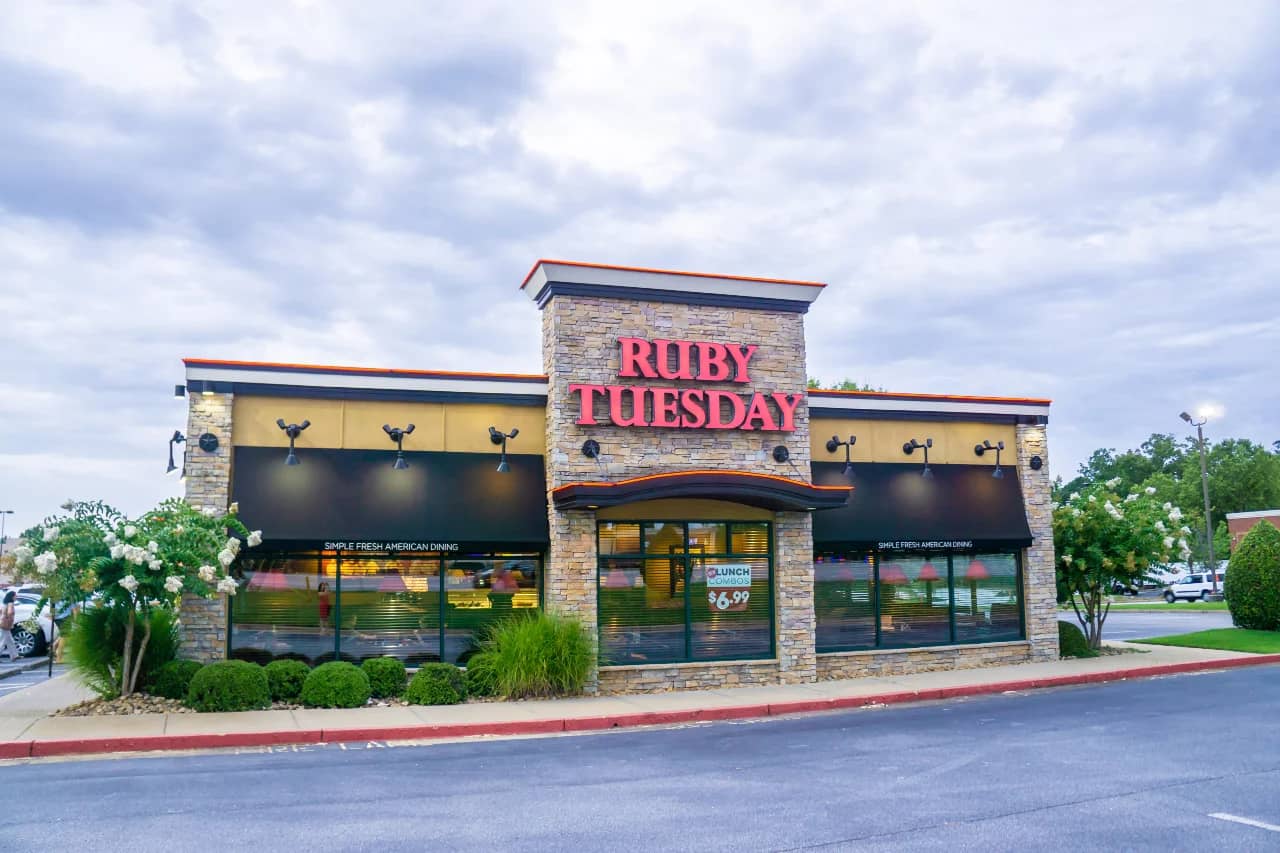
Ruby Tuesday's bankruptcy exit in 2021 paved the way for a fresh start. Leveraging off-premise channels and introducing value-focused offerings like virtual brands and meal combinations proved instrumental in regaining customer trust. By adapting its menu and enhancing customer experience, Ruby Tuesday showcased how flexibility and customer-centric strategies can lead to post-bankruptcy success.
Sizzler's bankruptcy in 2020 spurred a transformation journey focused on modernizing its brand and offerings. Through store remodels, menu revamps, and a renewed focus on customer preferences, Sizzler managed to navigate the challenging landscape. By embracing change and prioritizing customer needs, Sizzler positioned itself for growth and relevance in the competitive casual dining space.
Red Lobster's bankruptcy in 2024 highlighted the importance of strategic management and consumer engagement. Following emerging from bankruptcy with a revamped leadership team, the chain opted for a cautious approach to promotions and menu offerings. By focusing on customer satisfaction, menu enhancements, and operational efficiency, Red Lobster aimed to regain its market share and solidify its place in the industry.
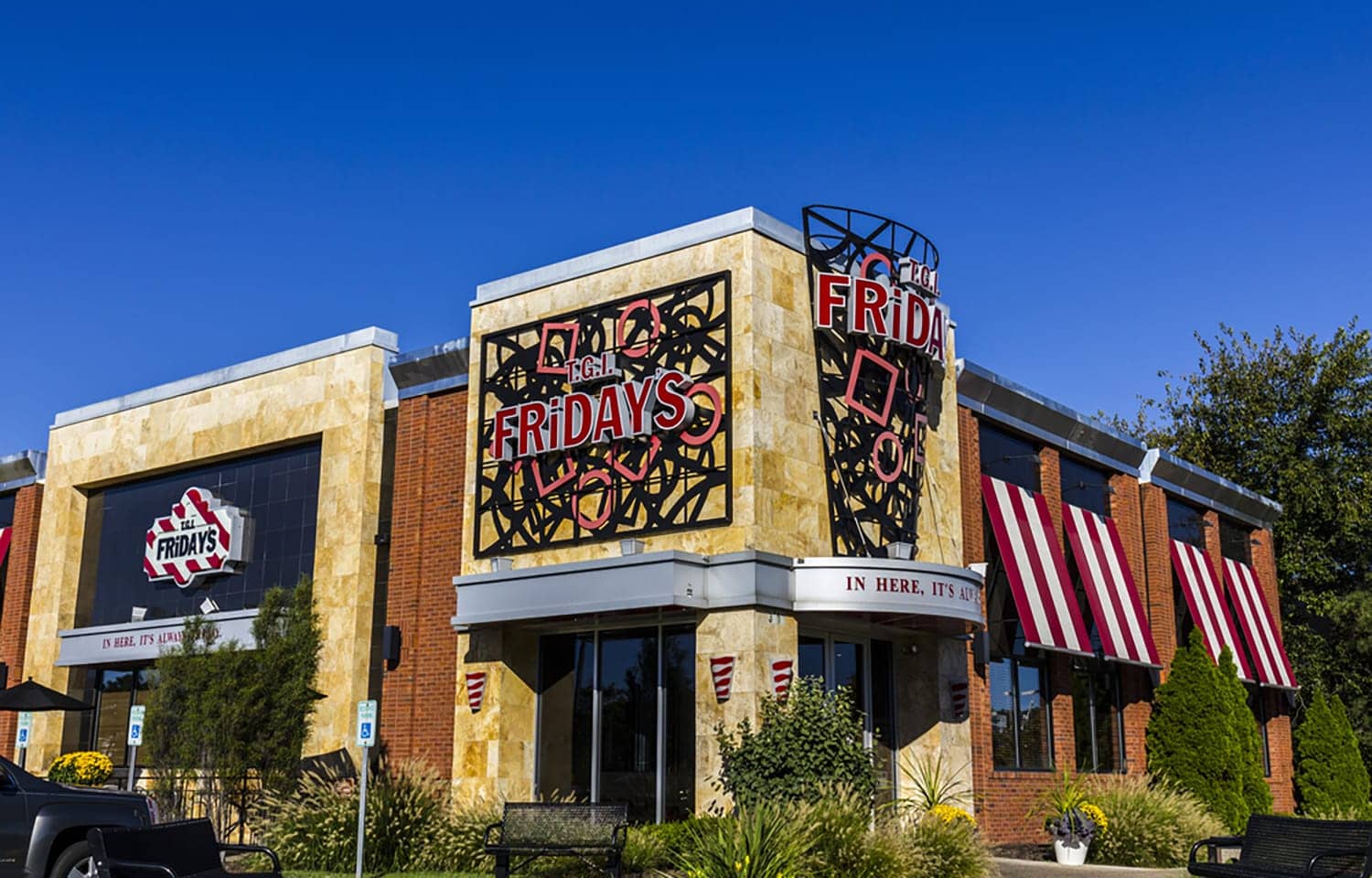
TGI Fridays' turbulent year in 2024 culminated in bankruptcy, prompting a strategic shift towards franchising and offloading company-owned locations. Despite facing declining sales and challenges in capital structure, the chain focused on value-driven initiatives like menu updates and happy hour promotions to attract customers. Through strategic sales and operational adjustments, TGI Fridays aimed for a resurgence in the competitive dining landscape.