.png&w=3840&q=70)
Wendy's Top Franchisee Bankruptcy Exposes Growth Risks
Meritage Hospitality's Chapter 11 filing pulls 5% of Wendy's U.S. stores into bankruptcy, exposing cracks in franchising's bigger-is-safer bet.
Franchising
Sep 21, 2026
Meritage Hospitality's Chapter 11 filing pulls 5% of Wendy's U.S. stores into bankruptcy, exposing cracks in franchising's bigger-is-safer bet.
Sep 21, 2026
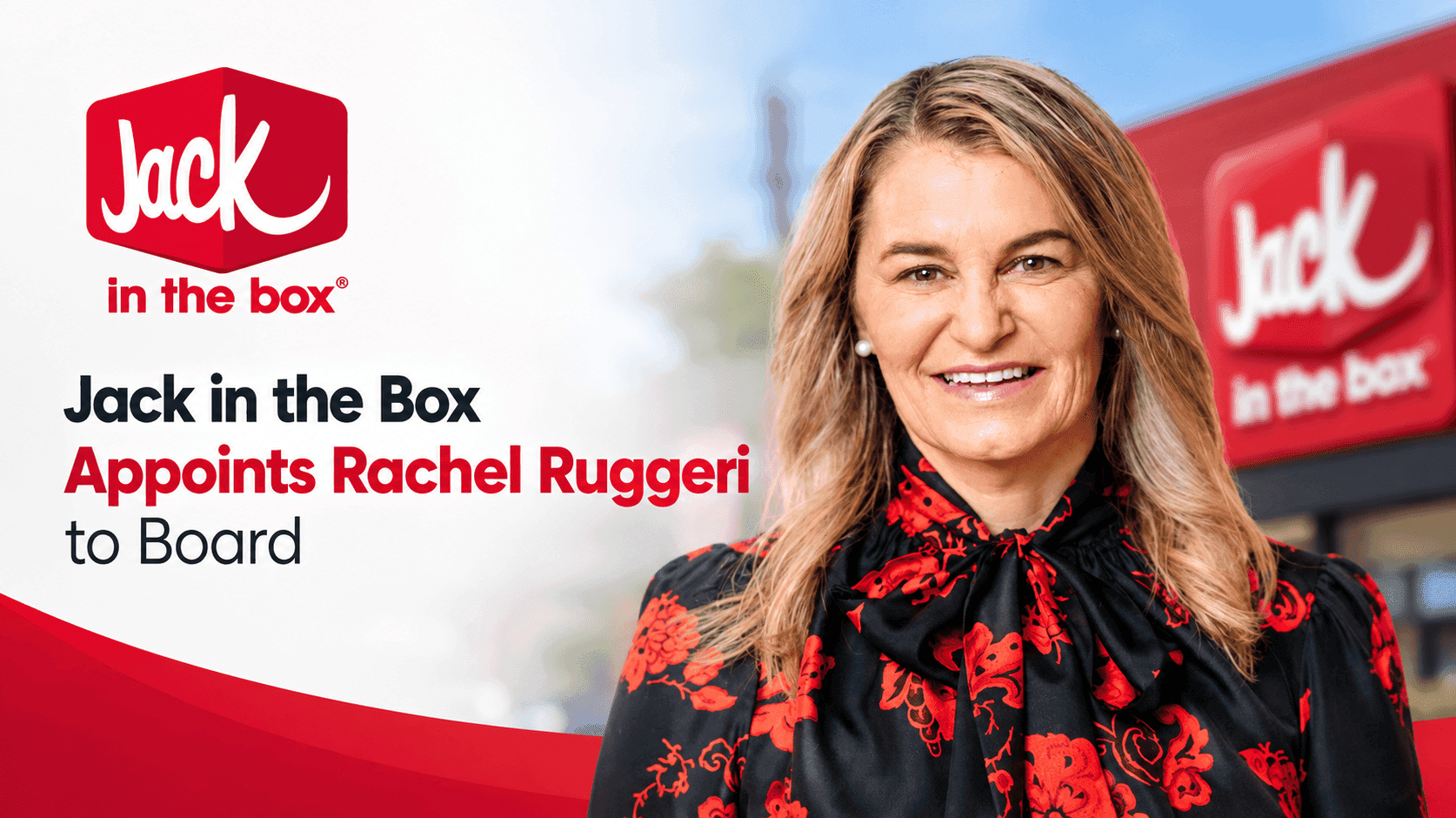
Jack in the Box names Rachel Ruggeri to its board as Michael Murphy retires, amid a CEO transition and deal with investor GreenWood.
Sep 21, 2026

Improve restaurant Google Maps rankings by optimizing your business profile, selecting accurate categories, gathering reviews, adding photos, and strengthening local relevance signals.
Sep 21, 2026

Restaurant inventory tracking helps owners monitor stock, control food costs, reduce waste, improve purchasing, and make informed operational decisions.
Sep 21, 2026

Understand how to forecast restaurant revenue and expenses with methods for sales projection, cost scaling, fixed-cost planning, and risk buffering.
Sep 18, 2026

Restaurant owners can significantly reduce restaurant costs by leveraging technology across inventory, labor, procurement, forecasting, and administrative operations for better profit margins.
Sep 18, 2026

everbowl names Anna Gabele Brand President and Natalie Trzcinski COO, pulling both from Jack in the Box to guide its next growth phase.
Sep 18, 2026

Mountain Mike's Pizza hires Jack in the Box veteran Sheena Dougher as CMO to drive national growth while preserving its regional brand identity.
Sep 17, 2026

From fixed costs to contribution margin, learn exactly how to calculate your restaurant's break even point with confidence.
Sep 16, 2026

DoorDash pays $425M for Wonder's campus dining platform and a stake in Wonder, betting on robotic kitchens and institutional foodservice growth.
Sep 16, 2026

Unlock Exclusive Access To Webinars, Events, And The Latest News For Free!
Portillo’s trims 18% of its corporate staff in a bid to refocus resources on restaurant excellence and navigate operational challenges. Discover what the changes mean for the chain’s future.
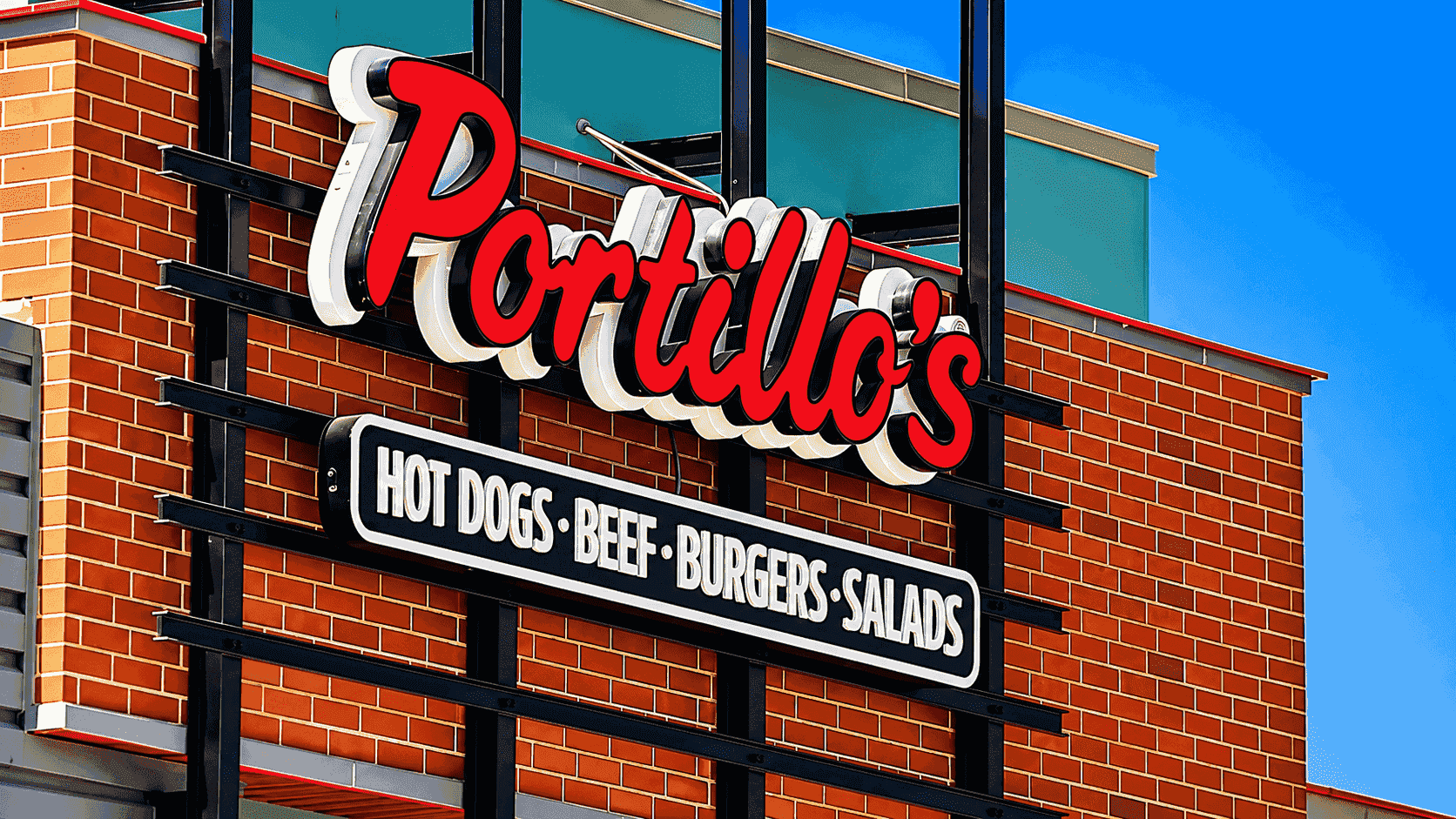
One of America’s beloved fast-casual brands is taking bold steps to adapt to a shifting industry landscape. On July 31st, Portillo’s announced a significant restructuring move, laying off approximately 18% of its corporate headquarters staff and select field management roles. While no restaurant-level employees were affected, this decision marks a pivotal change as the company refocuses on core operational excellence and prepares to weather several quarters of same-store sales declines. Leadership cited a desire to create a more agile, responsive structure that better supports restaurant teams - an essential shift in a climate where margins and efficiency are more critical than ever.
New CEO Brett Patterson, appointed last quarter, is overseeing this transformation with a focus on three pillars - operational excellence, integrated marketing, and disciplined development. The company’s goal is clear - streamline the general and administrative organization for faster decision-making and better front-line support. Restaurant owners and managers can relate to these challenges, as Portillo’s is also taking a magnifying glass to its supply chain, vendor contracts, and even development processes to unlock cost savings and ensure each investment aligns with long-term profitability. This fresh direction aims to recapture the high standards and unique guest experience that built the Portillo’s brand, signaling to the market that efficiency and excellence go hand in hand for sustainable growth.
Portillo’s recent challenges point to the risks of rapid, clustered expansion, as seen in their Texas growth last year. With new units placed too closely together, restaurant-level cannibalization led to eroded sales and underperformance against the brand’s traditionally high volumes. In response, the company is pulling back, favoring a slower, more strategic development pipeline - including downsized prototypes and pilot locations at high-traffic venues like airports. By resizing kitchens and upgrading equipment for efficiency, Portillo’s is setting an example for operators looking to innovate without overextending.
For restaurant owners and managers, Portillo’s transformation is a timely reminder to routinely assess support structures, growth strategies, and allocation of resources - especially during periods of slowing sales or rising costs. The willingness to cut corporate fat, overhaul inefficient processes, and invest newly-available time and funds into better serving guests is a playbook any brand can adopt. As the industry continues to evolve, adaptability and operational discipline may be the keys to enduring downturns and capitalizing on fresh opportunities.
Portillo’s next chapter is all about business fundamentals - leaner support teams, smarter development, and sustainable results. With a renewed commitment to front-line excellence and operational agility, restaurants of every size can glean inspiration from Portillo’s willingness to make tough choices for the long haul. It’s a strong message that streamlining behind-the-scenes roles can liberate resources for the guest experience, positioning brands for stability in the face of an unpredictable market.
As the restaurant landscape changes, the winners will be those that integrate people, technology, and process for top-to-bottom performance. Whether you’re leading a large chain or a neighborhood spot, now is the moment to simplify the back office, empower your team, and focus every dollar and decision on what matters most - the guest experience and sustainable growth.
