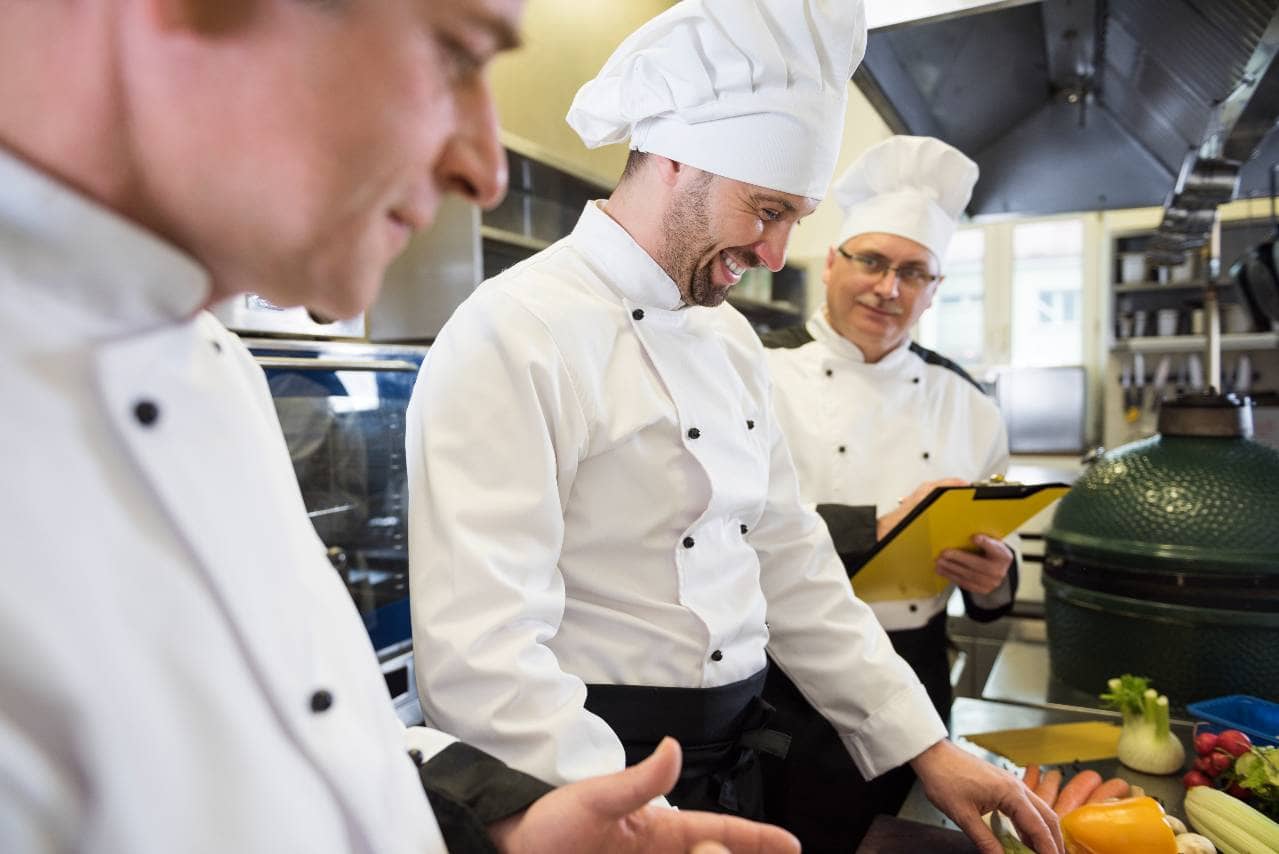
The Ultimate Guide to Restaurant Labor Management
Restaurant labor management helps owners optimize staffing, control labor costs, improve productivity, monitor overtime, and maintain efficient restaurant operations.
Back Office
Sep 2, 2026
Restaurant labor management helps owners optimize staffing, control labor costs, improve productivity, monitor overtime, and maintain efficient restaurant operations.
Sep 2, 2026
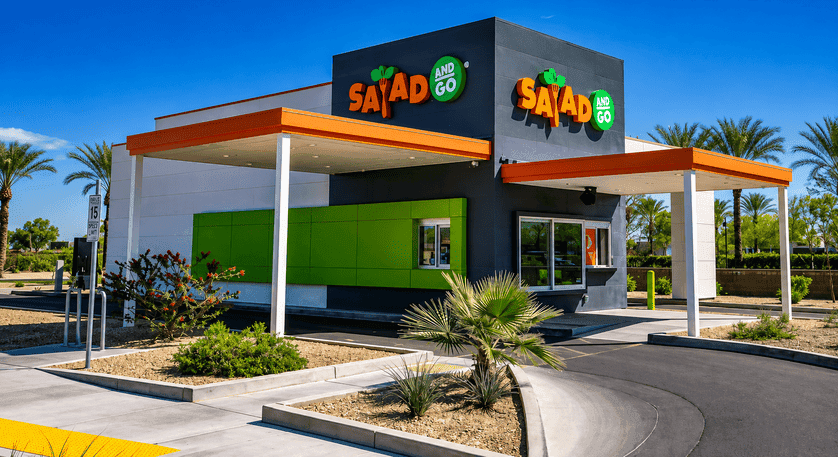
7 Brew has acquired 73 former Salad and Go locations, surpassing Dutch Bros with a $143M bid, signaling a major shift in the competitive landscape for drive-thru brands.
Sep 2, 2026
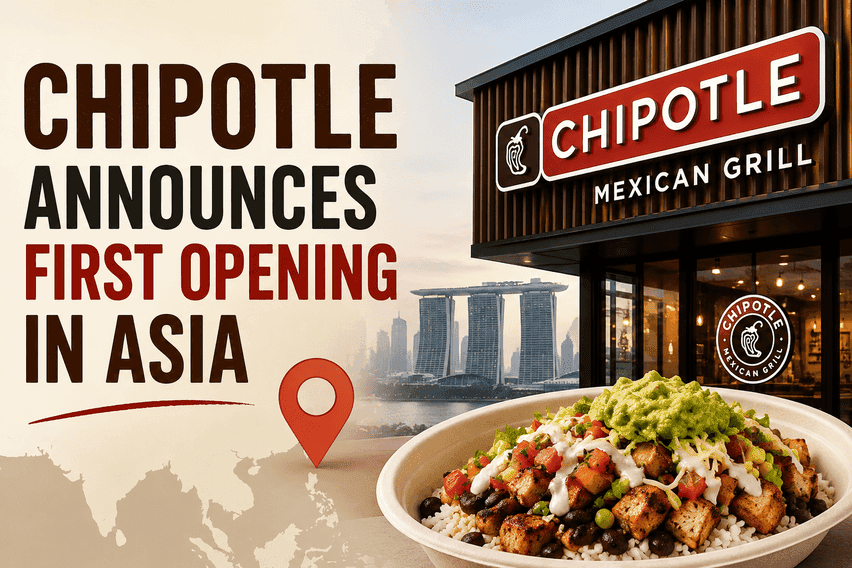
Chipotle makes its highly anticipated entry into Asia with a Seoul opening, partnering with Sangmidang Holdings and setting a template for future international growth.
Sep 2, 2026
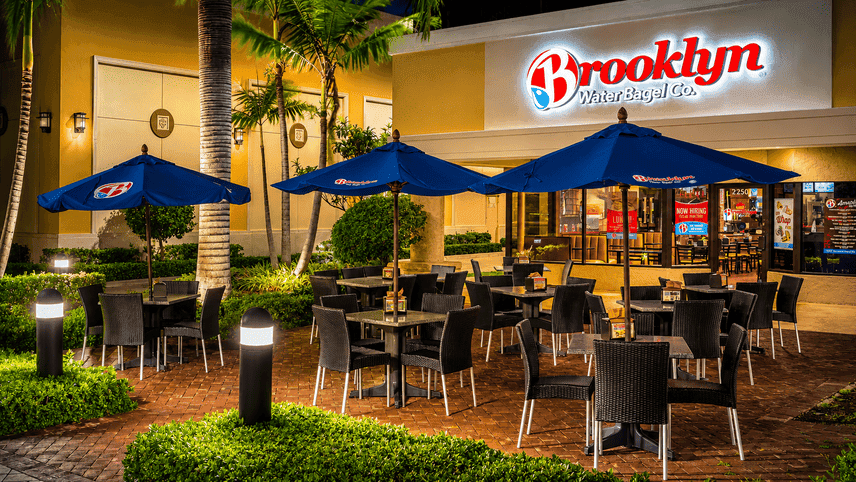
Brooklyn Water Bagel launches its first campus eatery at Nova Southeastern, signaling strategic growth and fresh potential for multi-unit operators seeking new market wins.
Sep 2, 2026
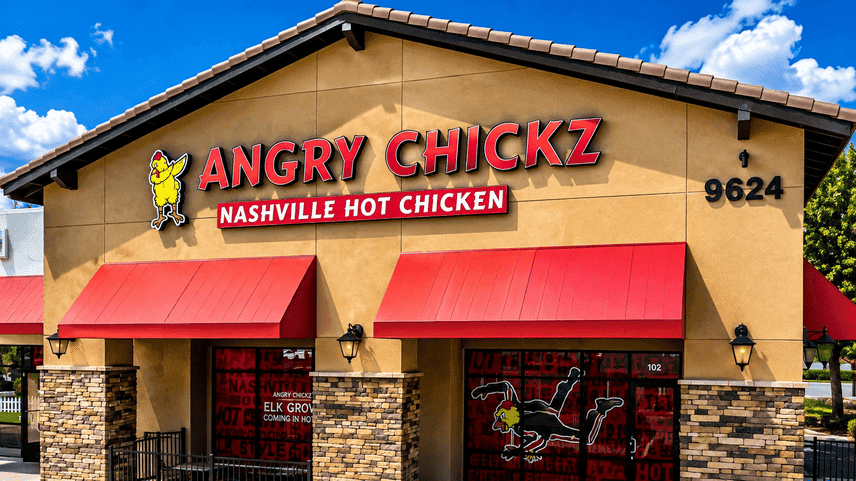
Angry Chickz enters Illinois with its signature hot chicken concept and ambitious plans for Midwest expansion, setting the stage for new franchise opportunities and community engagement.
Sep 2, 2026
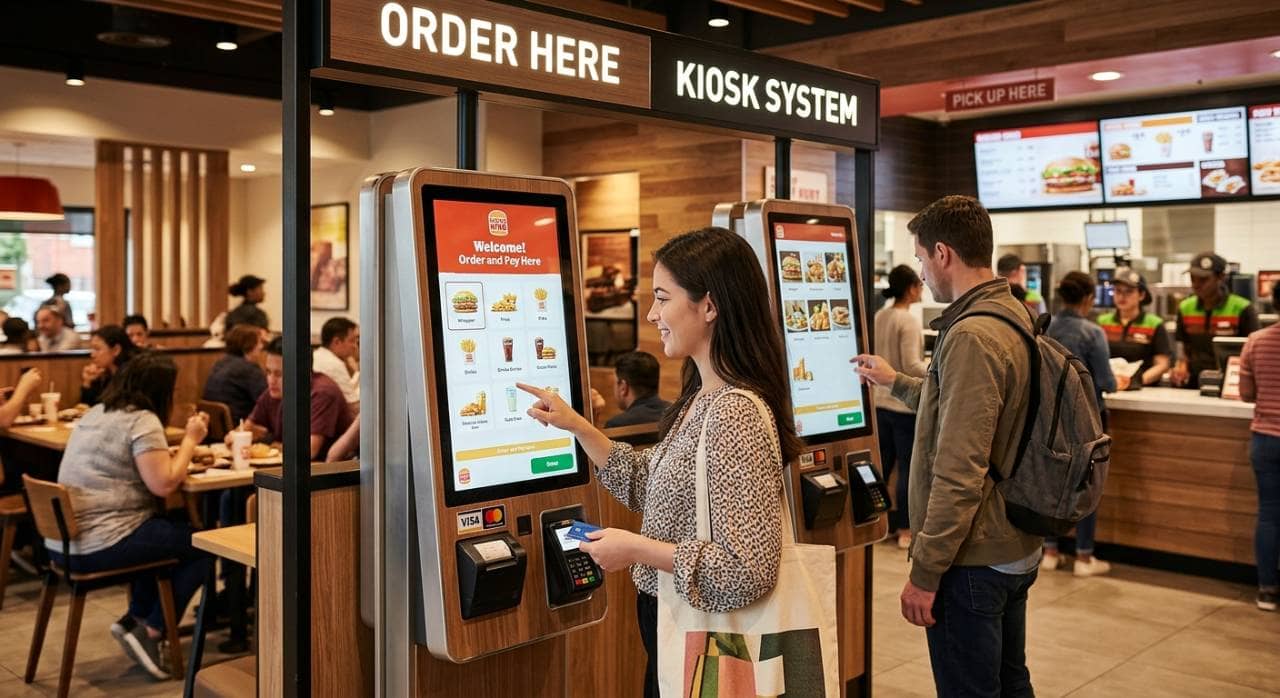
Understand how to evaluate a Kiosk system using key criteria including features, POS integration, hardware, pricing, customer experience, and support.
Aug 31, 2026
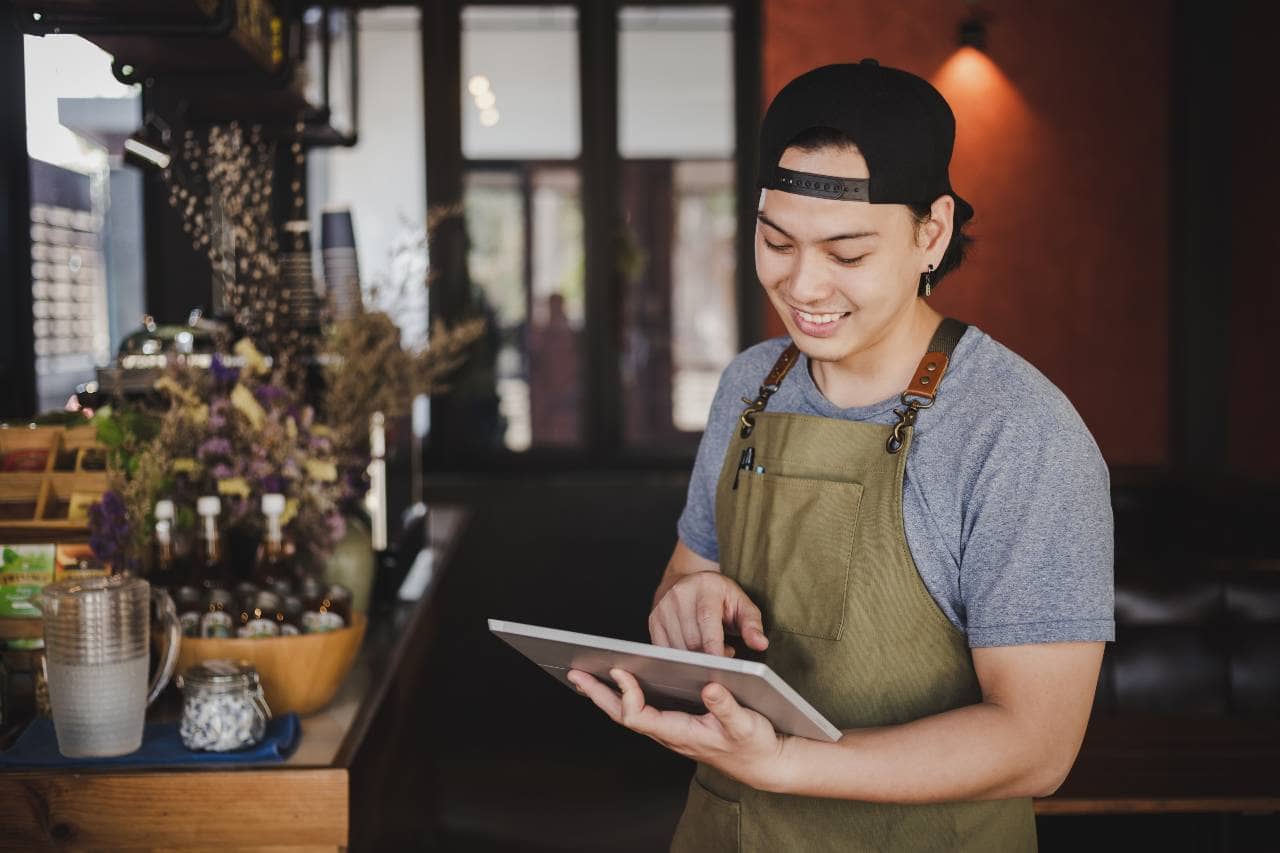
Explore restaurant technology trends in 2026, including AI, automation, digital ordering, workforce tools, connected kitchens, personalization, and profitability strategies today.
Aug 28, 2026
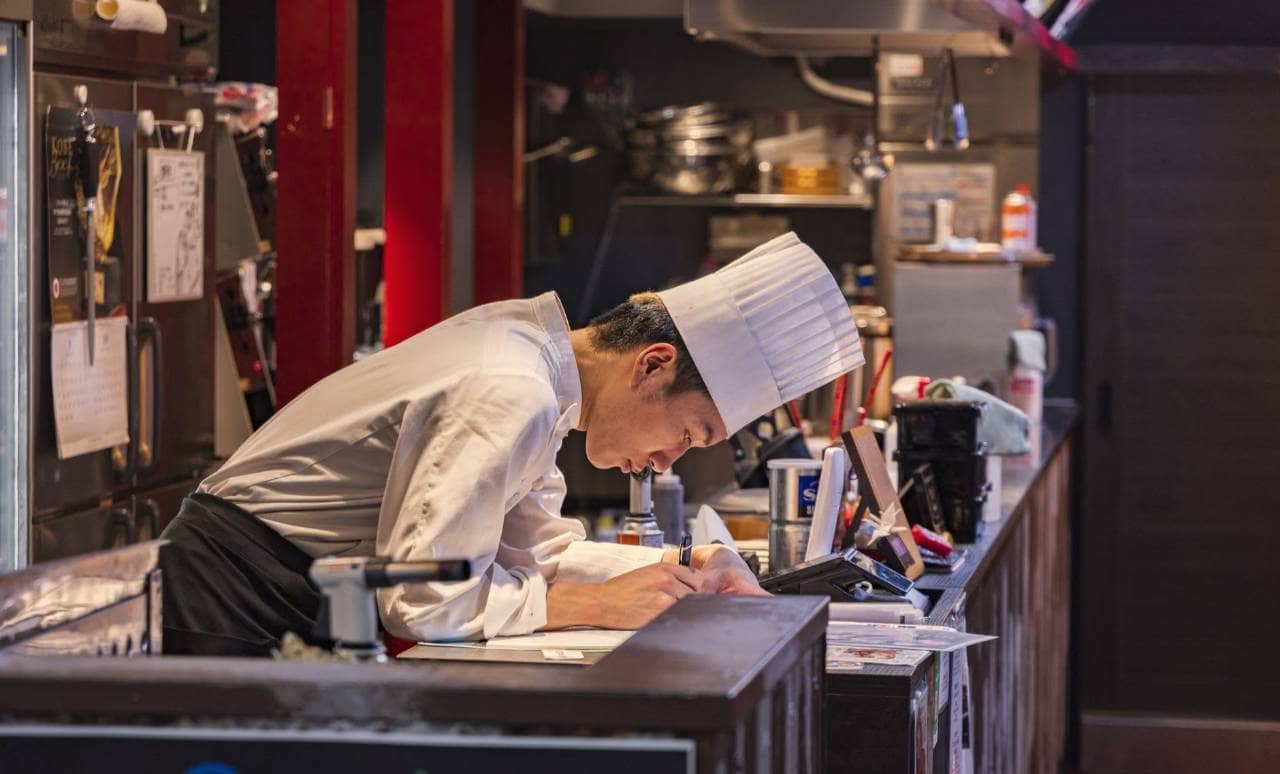
Learn how to calculate restaurant cost of goods using inventory, purchases, COGS percentage, variance reviews, and regular tracking for profitability.
Aug 31, 2026
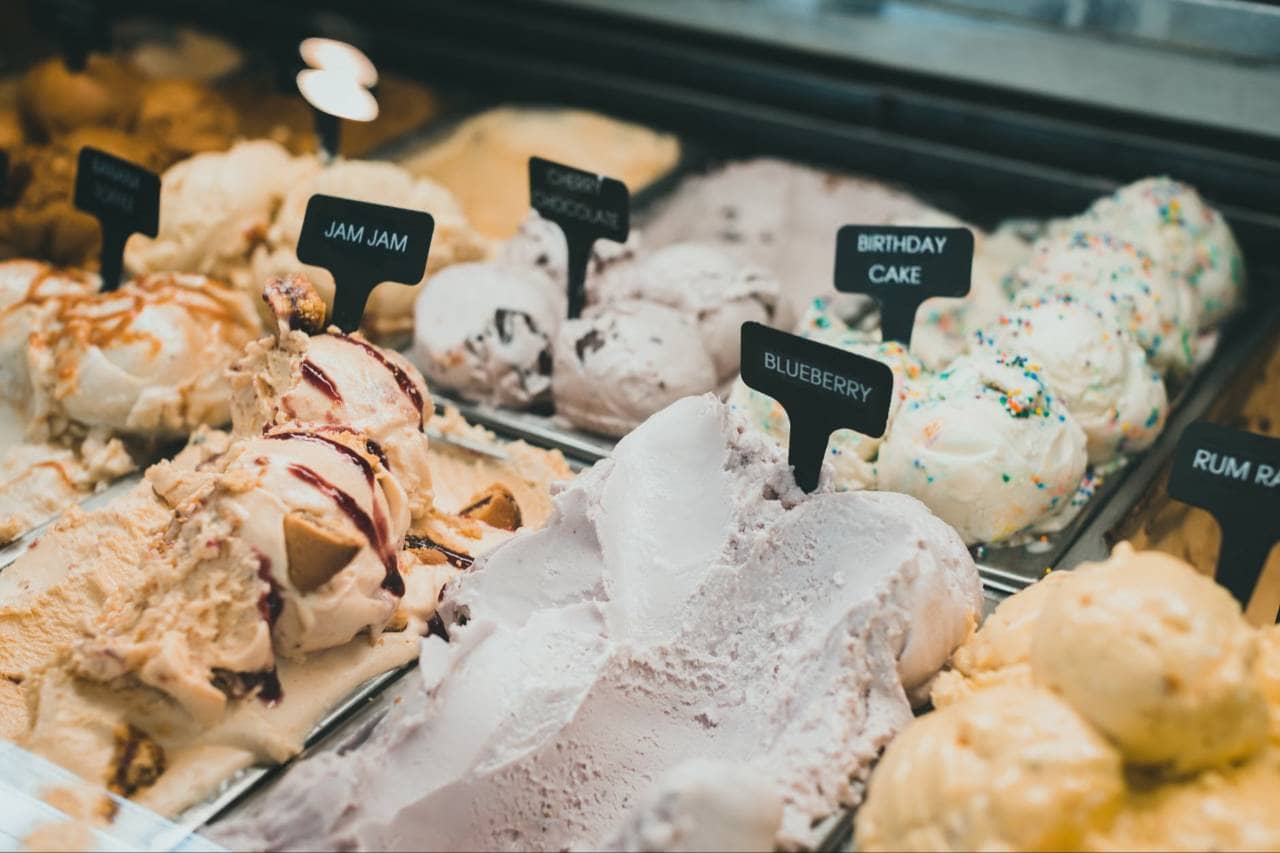
Learn the startup costs of opening an ice cream shop, including rent, equipment, renovations, permits, inventory, labor, marketing, and reserves.
Aug 28, 2026

A restaurant P&L statement reveals sales, expenses, and profits, helping owners manage costs, improve margins, and plan finances more effectively.
Aug 26, 2026

Unlock Exclusive Access To Webinars, Events, And The Latest News For Free!
Explore how restaurants are managing their supply chains amidst trade changes and tariffs, impacting costs and operations.

Photo by Jason Leung
The recent tariff fluctuations and trade uncertainties have compelled restaurant chains to assess the potential impacts on their supply chains. With tariffs affecting global trade flows and sourcing costs, companies are strategizing to navigate through these challenges effectively. Uncertainty surrounding tariffs on various goods from countries like Canada, China, and Mexico has forced restaurant businesses to evaluate their procurement and sourcing processes.
Many chains like Cava and Sweetgreen have proactively addressed tariff concerns by predominantly sourcing food domestically, hence reducing exposure to international trade fluctuations. By working closely with suppliers to ensure minimal disruptions and cost exposure, these chains are safeguarding their supply chains against the volatility caused by tariffs. Collaborative efforts with suppliers to shift sourcing locations, build inventory, and adapt to changing tariff landscapes are key strategies employed by industry players.

Photo by Jason Leung
Restaurant chain executives like Bloomin’s CFO Michael Healy and Brinker’s CFO Mika Ware have provided insights into the potential impact of tariffs on their businesses. They anticipate moderate impacts on costs and margins, particularly in the second half of the year if tariffs are fully implemented. By quantifying the impact on food and beverage costs and leveraging existing pricing strategies, these companies aim to absorb tariff expenses within their current financial frameworks.
To counter the effects of tariffs on restaurant operations, chains like Noodles & Company and Potbelly are making adjustments to margins and supply chain processes. By securing fixed-rate agreements and diversifying sourcing channels, these companies are preparing for potential cost escalations due to tariffs. Monitoring tariffs daily, preparing for possible impacts, and maintaining flexibility in procurement are critical elements of the operational adjustments being made.
In the face of tariff uncertainties, restaurant brands are seeking innovative solutions to maintain operational efficiency. Companies like Sweetgreen are investing in automated technologies like the Infinite Kitchen to enhance productivity and offset potential cost increases due to tariffs. By focusing on long-term labor savings and streamlining throughput, these chains are ensuring that tariff challenges do not hinder their growth and expansion plans.
Starbucks and Yum executives emphasize collaborative efforts to manage tariff risks and supply chain disruptions. By localizing and diversifying production and supply sources, these chains are strengthening their resilience against tariff-induced variations. Leveraging global footprints, redirecting shipments, and fostering partnerships with suppliers are integral components of their risk mitigation strategies.