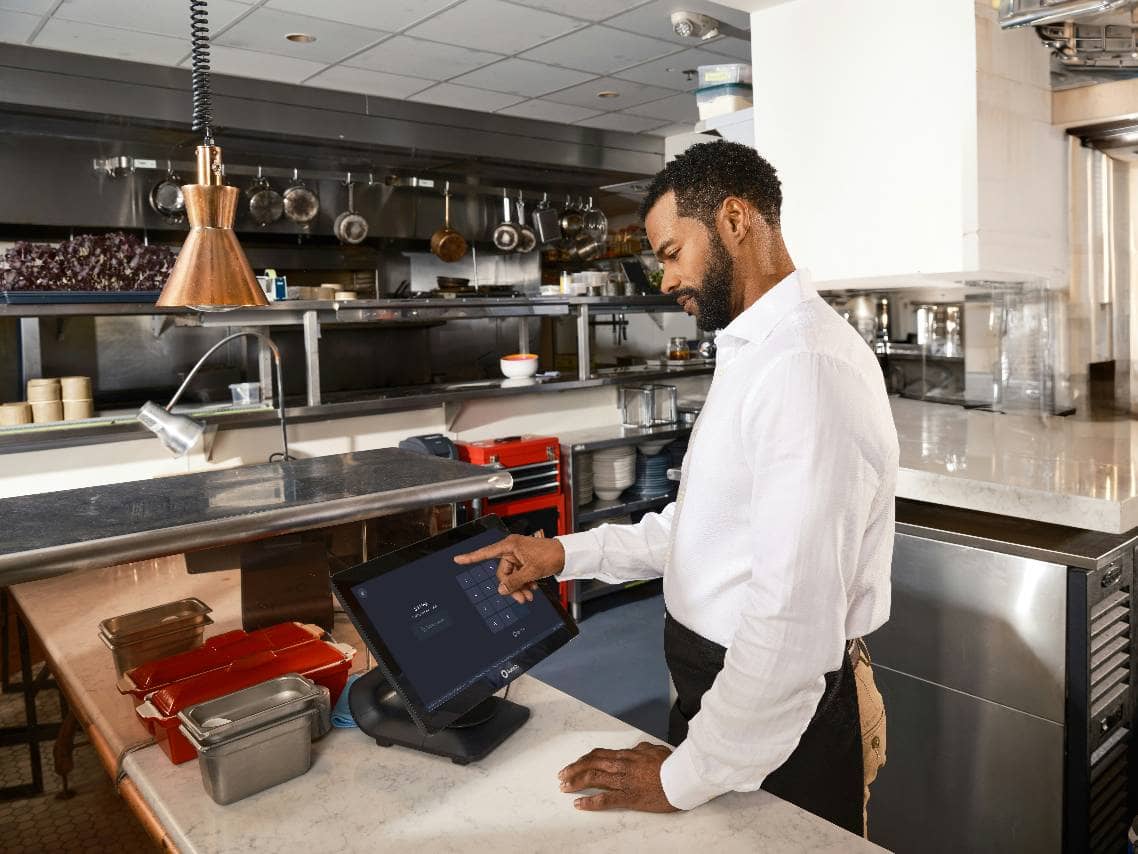
The Benefits of Scheduling Software for Restaurants
Scheduling software helps restaurants save time, control labor costs, improve communication, prevent conflicts, support compliance, and make smarter staffing decisions.
Technology
Aug 5, 2026
Scheduling software helps restaurants save time, control labor costs, improve communication, prevent conflicts, support compliance, and make smarter staffing decisions.
Aug 5, 2026
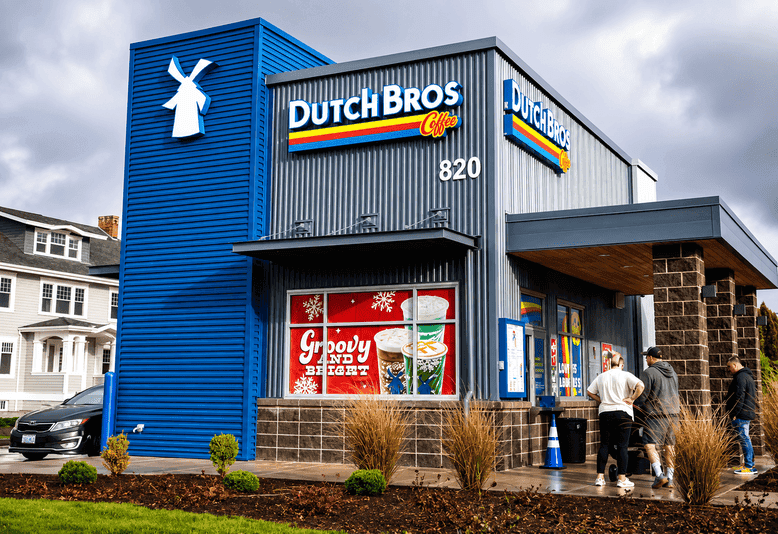
Dutch Bros invests $105 million to acquire Salad and Go’s closed locations, targeting rapid expansion in key southern markets. Learn what this means for multi-unit restaurant owners and operators.
Aug 6, 2026
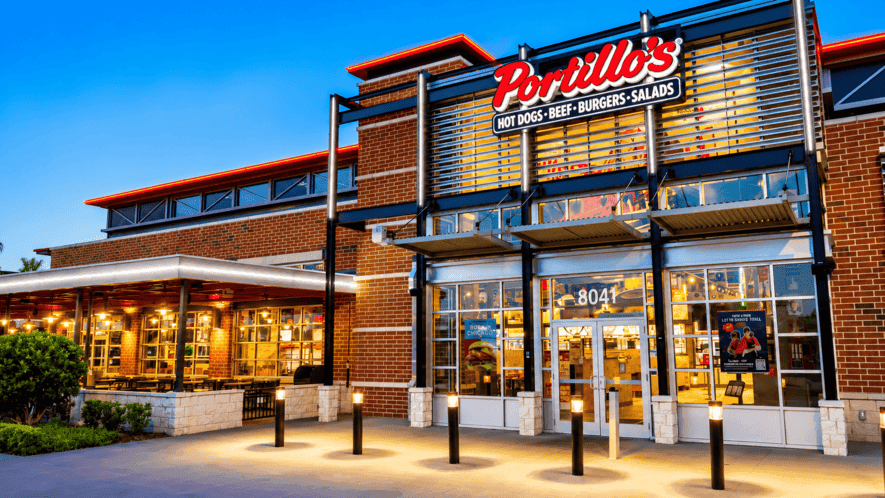
Portillo’s trims corporate and field roles by 18% in a strategic shake-up to support future growth after soft traffic and sales. Read what this means for multi-unit operators.
Aug 6, 2026

Portillo’s announces industry veteran Kevin Kalicak as its new CFO and Treasurer, underscoring the brand’s growth strategy and financial vision.
Aug 5, 2026
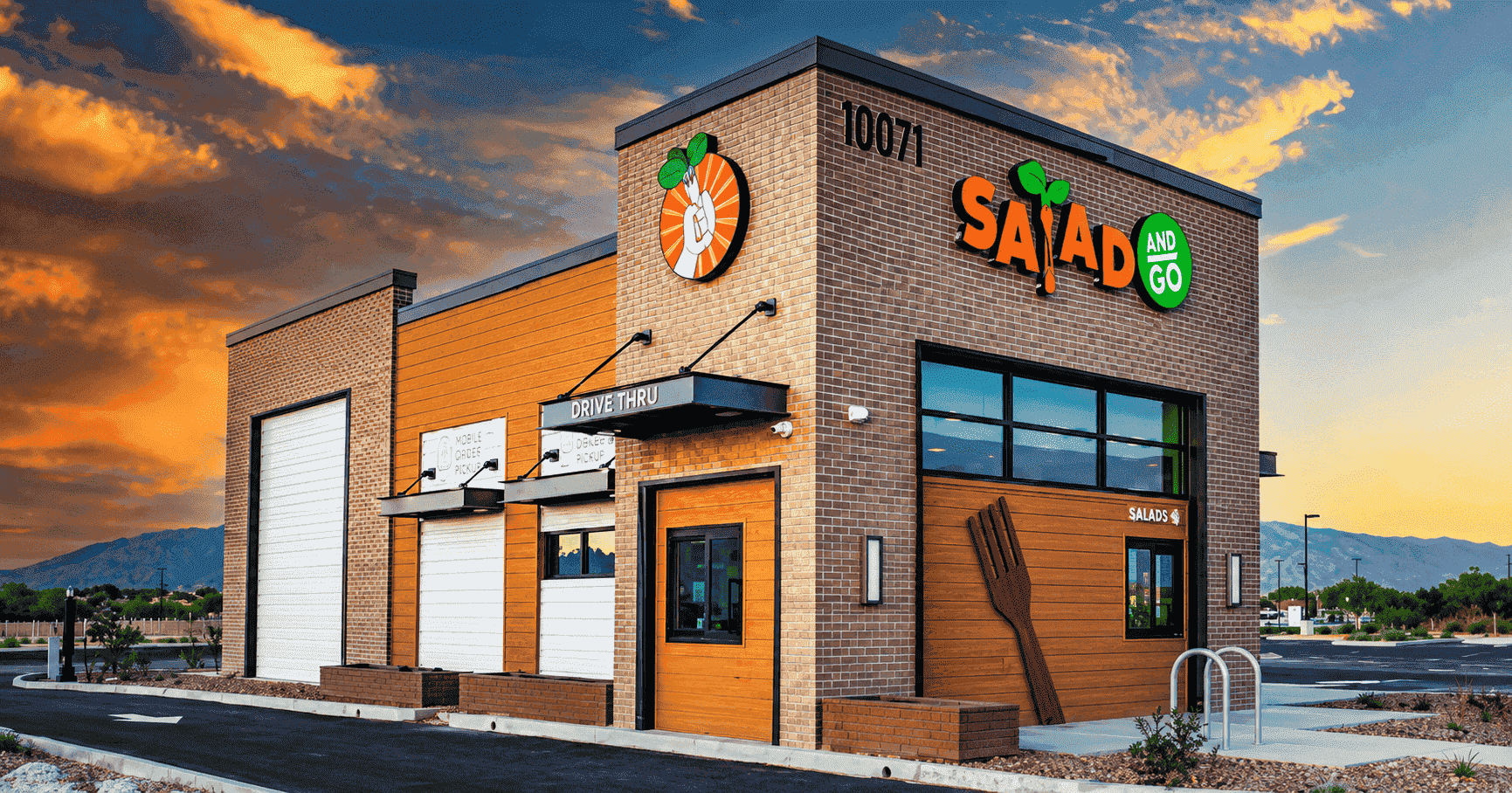
Salad and Go's bankruptcy and closure offer key lessons on growth, risk management, and market dynamics for restaurant leaders. See what every operator can learn.
Aug 5, 2026

Learn how to calculate prime cost, track food and labor expenses, measure percentages, identify problems, and improve restaurant profitability consistently.
Aug 5, 2026

Checkers & Rally’s welcomes Peter Busse as Chief Development Officer, signaling a new era of strategic expansion and franchise support for the quick-service brand.
Aug 4, 2026
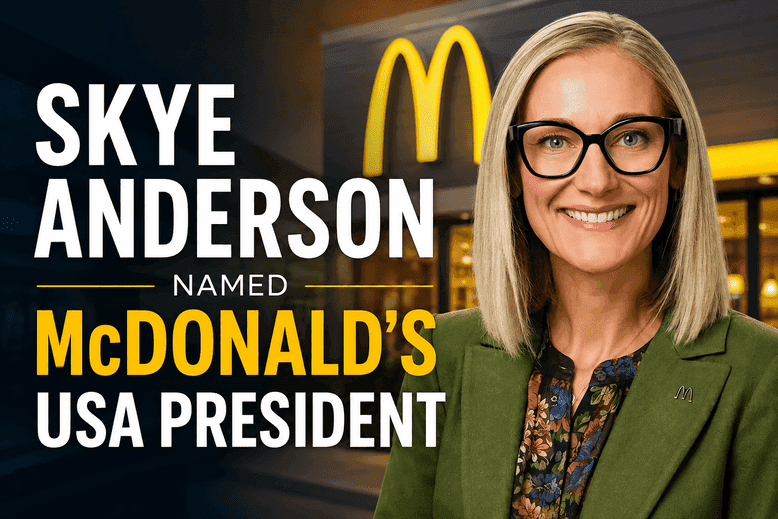
Skye Anderson will lead McDonald's USA as its new president, stepping in to accelerate growth and revive sales. Learn how her leadership could shape the future of the restaurant industry.
Aug 4, 2026

Dave & Buster’s announces Tarun Lal’s retirement as CEO, welcoming Darin Harper to the helm as the brand continues its Back-to-Basics strategy and growth initiatives.
Aug 4, 2026

Explore restaurant payment processing and learn how payments are authorized, settled, secured, reconciled, refunded, disputed, and deposited into business accounts.
Aug 3, 2026
Learn how ignoring employee availability and scheduling preferences leads to disengagement, higher turnover, and lower productivity. Discover why people-focused scheduling improves retention, morale, and overall team performance.

In many workplaces, scheduling is treated as a purely operational task focused on filling shifts, meeting demand, and ensuring coverage. While these are important goals, this approach often overlooks a critical factor- employee availability and preferences. Employees are not just resources to be assigned shifts. They are individuals with responsibilities, commitments, and limitations outside of work. When scheduling decisions ignore these realities, it creates a disconnect that can lead to frustration, disengagement, and ultimately higher turnover.
Most organizations ask employees to share their availability, preferred shifts, or scheduling constraints. However, the real issue arises when this information is collected but not actually used. When employees repeatedly see schedules that conflict with what they’ve communicated, it sends a clear message - their input doesn’t matter. This lack of consideration can quickly lead to dissatisfaction. Employees may begin to feel undervalued and overlooked, especially if they have taken the time to communicate their needs clearly. Over time, this frustration builds. What may seem like a small scheduling issue from a management perspective can become a major reason for disengagement from the employee’s point of view.
At the core of this issue is a simple human need, the desire to feel heard and respected. When employees see their preferences reflected in the schedule, it creates a sense of trust. It shows that management is paying attention and values their input. This, in turn, strengthens their connection to the workplace. On the other hand, when employees feel ignored, it affects their motivation. They may start to believe that their role is purely transactional, with little regard for their well-being. This emotional disconnect can have a significant impact on how employees perform. Engagement drops, enthusiasm declines, and the overall work experience becomes less positive.
When scheduling does not align with employee availability, the consequences often show up in day-to-day operations. Some common signs include -

Overlooking employee preferences doesn’t just affect individuals, it affects the entire organization. Employees who feel unheard are less likely to be engaged in their work. They may do the minimum required rather than going above and beyond. Over time, this reduces overall productivity and team performance. It also affects reliability. Employees who are scheduled outside of their availability may be more likely to arrive late, request last-minute changes, or call out altogether. Perhaps the most significant impact is on retention. When employees consistently feel that their needs are ignored, they are more likely to look for opportunities elsewhere. High turnover creates additional challenges for the business. Hiring and training new employees takes time and resources, and frequent changes can disrupt team dynamics.
It’s important to recognize that scheduling will always involve balancing business requirements with employee needs. It may not be possible to accommodate every request or preference. However, trying to consider employee availability goes a long way. Start by collecting accurate and up-to-date availability information from your team. Ensure that this data is easily accessible and used as a foundation for scheduling decisions. Regularly updating this information is equally important, as employee circumstances can change over time.
Open communication plays a key role in managing expectations. When employees understand why certain scheduling decisions are made, they are more likely to be flexible. For example, if a shift cannot align with their preference due to business needs, explaining the situation helps build understanding. At the same time, managers should encourage employees to communicate openly about their availability and any challenges they face. This two-way communication creates a more transparent and collaborative scheduling process.
Incorporating employee preferences into scheduling is not just about fairness, it’s a strategic advantage. When employees feel valued, they are more engaged, more productive, and more committed to their roles. They are also more likely to support the team during busy periods because they feel respected. A people-focused scheduling approach also improves teamwork. When schedules are aligned with availability, there are fewer conflicts, fewer last-minute changes, and a more stable work environment. This creates a positive cycle where employees feel supported and are more willing to contribute to the success of the business.
Organizations that prioritize employee preferences in scheduling often see significant long-term benefits. Retention improves because employees are more satisfied with their work environment. Productivity increases as employees are better able to focus and perform their tasks effectively. Team morale also strengthens, leading to better collaboration and a more positive workplace culture.
Ignoring employee availability and preferences may seem like a small oversight, but its impact is far-reaching. It affects employee satisfaction, team performance, and overall business success. A scheduling system that respects employee needs creates a more stable, engaged, and productive workforce. If you want to build a team that stays, performs well, and contributes to long-term growth, the solution is simple - listen to your employees and make sure your schedules reflect it.